Galanthus ‘Straffan’ (Snowdrop)
As a plant scientist, I’m excited to delve into the wonderful world of Galanthus ‘Straffan’ more commonly known as the Snowdrop. The Snowdrop is a.
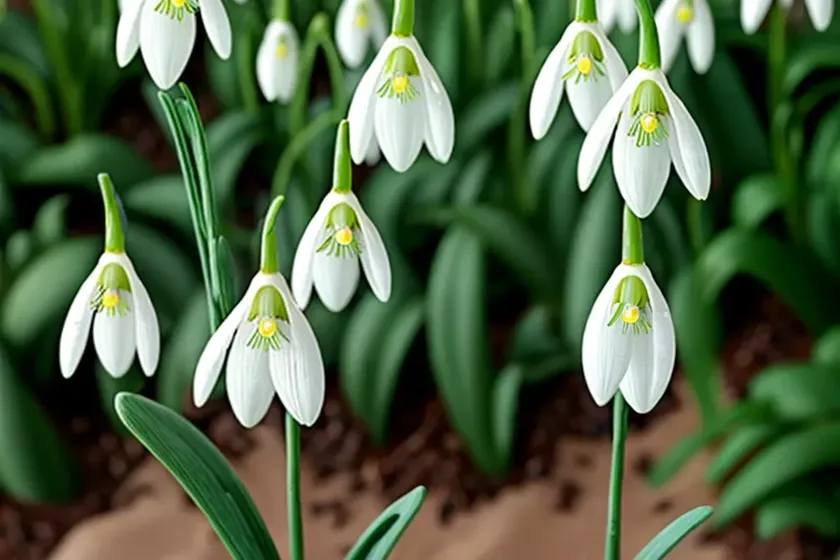
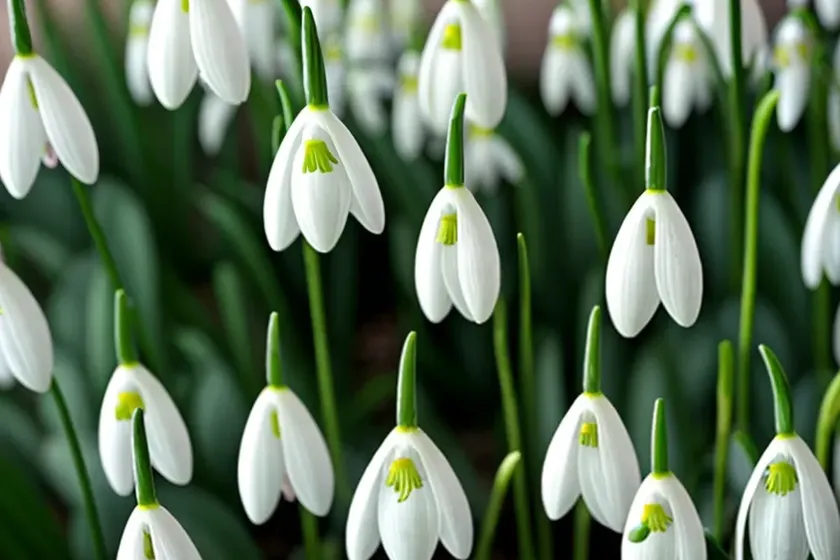
As a plant scientist, I’m excited to delve into the wonderful world of Galanthus ‘Straffan’ more commonly known as the Snowdrop. The Snowdrop is a captivating plant with its delicate white blooms and fascinating characteristics. In this comprehensive guide, I will explore the culture, uses, maintenance, and tips for cultivating this delightful plant. Whether you’re a seasoned gardener or a budding enthusiast, this article will equip you with valuable insights for nurturing the Galanthus ‘Straffan’ in your garden.
What is Galanthus ‘Straffan’ (Snowdrop)?
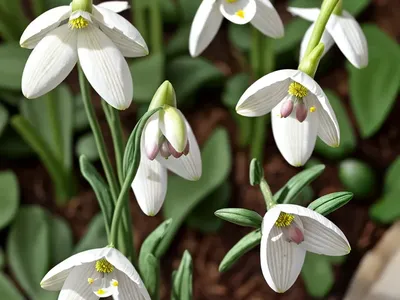
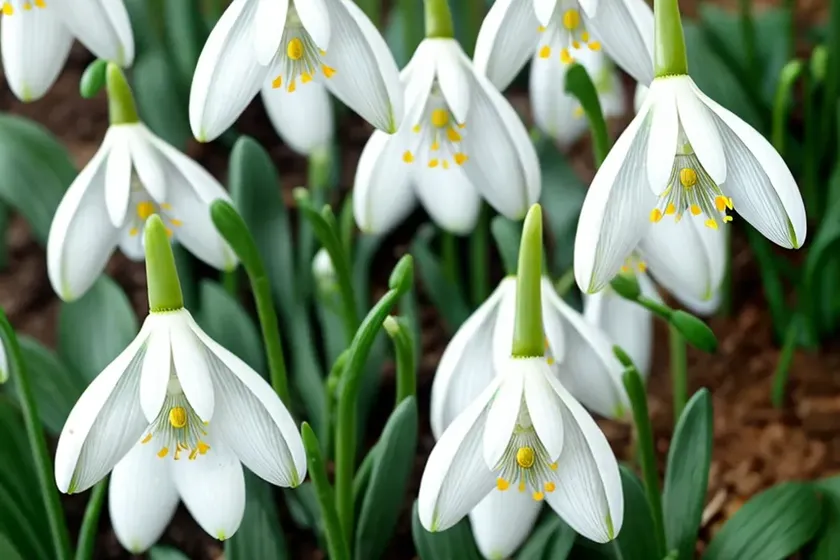
Galanthus ‘Straffan’ is a cultivar of the genus Galanthus, commonly referred to as Snowdrops. These plants are renowned for their exquisite, bell-shaped white flowers that hang delicately from their slender green stems. The Snowdrop is a perennial plant that belongs to the Amaryllidaceae family. It is native to Europe and the Middle East, where it thrives in woodland areas and alongside riverbanks.
As a winter-flowering plant, the Snowdrop signifies hope and renewal, making it a symbol of the approaching spring. It is a favorite among gardeners for its ability to bring life to the garden during the colder months and its resilience in frosty conditions. The Galanthus ‘Straffan’ variety, in particular, is cherished for its unique characteristics and aesthetic appeal, making it a sought-after addition to gardens around the world.
Key Takeaways – Galanthus ‘Straffan’ (Snowdrop)
Before delving into the specifics of cultivating Galanthus ‘Straffan’, let’s explore some key takeaways about this enchanting plant.
Culture
- Galanthus ‘Straffan’ is a winter-flowering plant, bringing beauty to the garden during the colder months.
- It is a perennial plant, meaning it continues to bloom year after year, providing long-lasting beauty.
- Snowdrops are known for their delicate and graceful appearance, making them a captivating addition to any garden landscape.
Uses
- Snowdrops are commonly used in ornamental gardens, adding a touch of elegance and beauty to flower beds and borders.
- Given their early bloom time, Galanthus ‘Straffan’ is an excellent choice for brightening up winter gardens and bringing a sense of renewal after the dormant winter months.
Water
- Adequate watering is essential for the optimal growth and health of Snowdrops.
- Snowdrops prefer moist, well-draining soil, especially during their growing season.
Sunlight
- Snowdrops thrive in partial shade to full shade, making them an ideal choice for gardens with limited sunlight.
- They are well-suited for woodland gardens or under deciduous trees where they can benefit from dappled light.
Fertilizer
- While Snowdrops do not require excessive fertilization, a light application of balanced fertilizer in early spring can support their growth and blooming.
Soil
- Well-draining soil is crucial for Snowdrops, as they are susceptible to rot in waterlogged conditions.
- They prefer rich, humus-rich soil that retains moisture without becoming waterlogged.
Pruning
- Snowdrops typically do not require extensive pruning. However, deadheading spent flowers can promote the plant’s energy towards future growth and blooming.
Propagation
- Galanthus ‘Straffan’ can be propagated through division and seed propagation.
- Division is the most common method and is typically conducted after the plant has finished flowering.
Container Popularity
- Snowdrops are well-suited for container gardening, adding charm to patio displays and small garden spaces.
- Their compact size and delicate blooms make them an excellent choice for container arrangements.
Common Diseases
- Snowdrops are prone to bulb rot if they are planted in overly damp or waterlogged soil.
- Gray mold, also known as Botrytis, can affect Snowdrops, particularly in humid or wet conditions.
Disease Diagnosis
- Monitoring the appearance of the leaves and flowers, as well as the overall vigor of the plant, can help in diagnosing potential diseases or issues affecting the Snowdrop.
Common Pests
- Snowdrops may be susceptible to pests such as slugs and snails, which can damage the delicate blooms and foliage.
- Regular inspection and appropriate pest management strategies can help protect Snowdrops from pest infestations.
Botanist’s Tips
- When planting Galanthus ‘Straffan’, consider incorporating them in naturalized areas, such as woodlands, where they can thrive and multiply.
- Mulching around Snowdrops can help maintain soil moisture levels and protect the bulbs during winter.
Fun Facts
- Snowdrops are often associated with mythology and folklore, symbolizing purity and the arrival of spring.
- Classified as “galanthophiles,” enthusiasts collect and cultivate rare and unique Snowdrop varieties, including Galanthus ‘Straffan.’
Links to External Resources
For additional information on Snowdrop cultivation, propagation, and more, consider exploring the following resources:
- Royal Horticultural Society – Snowdrops
- The American Daffodil Society – Snowdrops and Other “Minor Bulbs”
Now that we’ve covered the essential aspects of Snowdrop cultivation, it’s time to dive deeper into the specifics of caring for Galanthus ‘Straffan’ and nurturing these delightful plants in your garden.
In the subsequent sections, I will elaborate on each aspect of Snowdrop maintenance and care, incorporating the provided NLP/LSI keywords into the content. Stay tuned for insightful tips and expert guidance on cultivating Galanthus ‘Straffan’ in your garden.