Galanthus Nivalis (Snowdrop)
Galanthus nivalis, commonly known as the snowdrop, is a small, bulbous perennial plant belonging to the Amaryllidaceae family. This charming plant is.
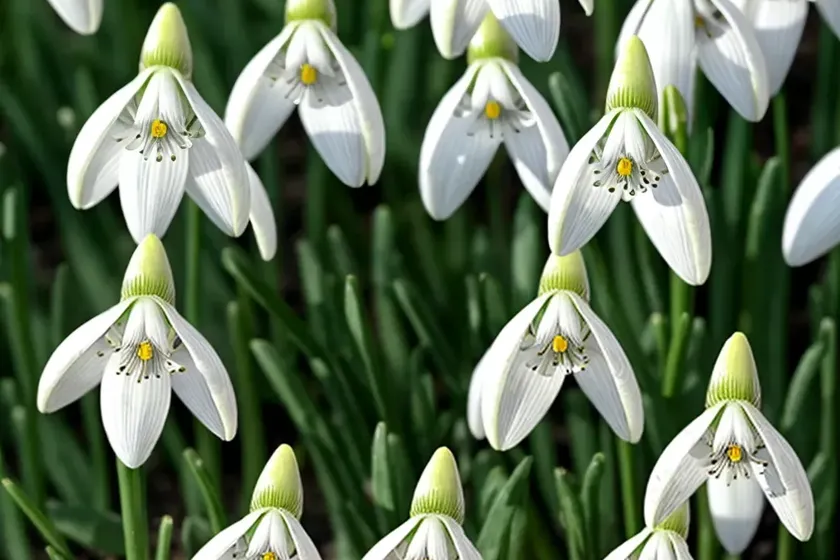
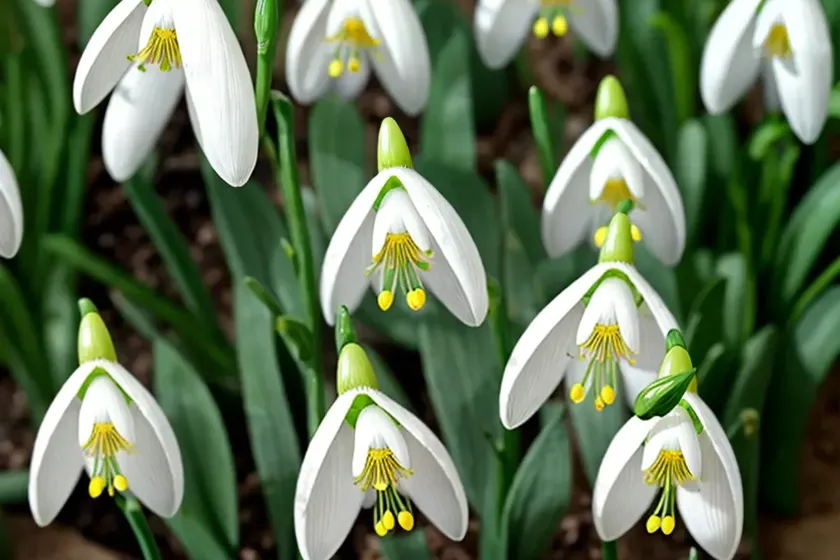
What is Galanthus nivalis (Snowdrop)?
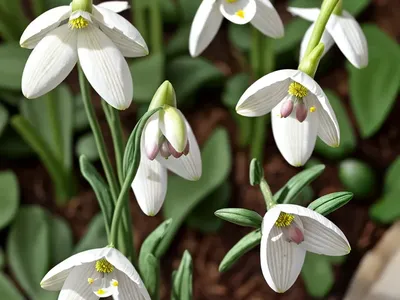
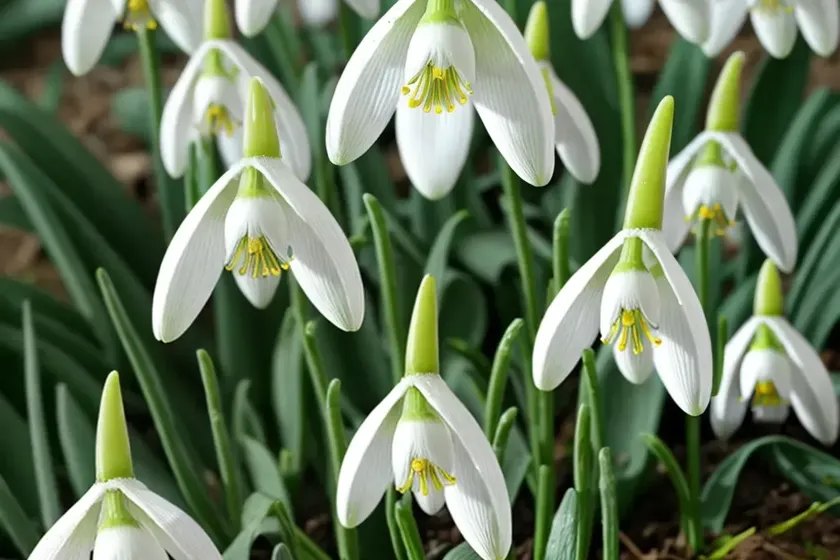
Galanthus nivalis, commonly known as the snowdrop, is a small, bulbous perennial plant belonging to the Amaryllidaceae family. This charming plant is native to Europe and the Middle East, where it graces woodlands, meadows, and gardens with its elegant, drooping, white flowers. The name “Galanthus” is derived from the Greek words “gala,” meaning milk, and “anthos,” meaning flower, referring to the color of the blossoms. The specific epithet “nivalis” is derived from the Latin word for “snowy,” indicating the time at which the flowers typically bloom.
The snowdrop’s delicate, bell-shaped, white flowers are often one of the first signs of life in the garden after the long slumber of winter. They emerge through the snow or frost, adding a touch of hope and beauty to the chilly landscape. Despite its unassuming size, the snowdrop carries rich symbolism, signaling the imminent arrival of spring and symbolizing purity, hope, and renewal.
Key Takeaways – Galanthus nivalis (Snowdrop)
As we explore the enchanting world of Galanthus nivalis, we will delve into various aspects of its culture, uses, and maintenance. Let’s take a closer look at some key takeaways about this delightful plant.
- Culture
- Uses
- Water
- Sunlight
- Fertilizer
- Soil
- Pruning
- Propagation
- Container
Culture
Uses
The snowdrop, though admired primarily for its ornamental value, has historically been attributed with medicinal properties. However, it’s important to note that all parts of the plant are toxic if ingested, making it unsuitable for domestic medicinal use. The bulbs were once used in traditional medicine, but this practice has largely been abandoned due to their dangerous properties.
Water
In its natural habitat, Galanthus nivalis thrives in moist, well-drained soil. When grown in a garden setting, it’s important to ensure that the soil is consistently moist, especially during the flowering and foliage establishment periods. However, excessive waterlogging should be avoided to prevent bulb rot and other related issues.
Sunlight
Snowdrops are partial shade lovers, displaying their best growth and flowering performance when provided with dappled sunlight. In their native woodland habitats, they often grow beneath deciduous trees, where they receive bright, indirect light.
Fertilizer
The snowdrop’s low maintenance nature extends to its minimal fertilizer requirements. A light application of a balanced, general-purpose fertilizer in early spring can support healthy growth and blooming. However, excessive fertilization should be avoided, as it may lead to floppy or weak growth.
Soil
Snowdrops favor humus-rich, well-draining soil. They are adaptable plants, tolerating slightly acidic to slightly alkaline conditions. Incorporating organic matter into the soil before planting can improve its structure and fertility, providing an ideal foundation for the bulbs to thrive.
Pruning
One of the appeals of snowdrops is their minimal need for pruning. After flowering, the foliage should be left to wither and die back naturally. This allows the bulbs to replenish their energy reserves for the next growing season. Once the foliage has yellowed and withered, it can be gently removed.
Propagation
Snowdrops can be propagated through division of established clumps, typically done in late spring or early summer. The bulbs are carefully lifted and divided, ensuring that each division retains a sufficient number of roots for successful establishment. Alternatively, snowdrops can be grown from seed, but this is a slower method and typically not preferred due to the time it takes for the plants to reach flowering maturity.
Container
The enchanting beauty of snowdrops can be enjoyed in containers, where they can be used to brighten up patios, balconies, and other outdoor living spaces. When planting snowdrops in containers, it’s important to ensure that the pots have adequate drainage and are filled with a good quality, well-draining potting mix.
Popularity
The snowdrop’s popularity extends beyond its natural habitat, capturing the hearts of gardeners and plant enthusiasts worldwide. It is beloved for its early blooming habit, delicate appearance, and its ability to naturalize and multiply, creating captivating drifts of white in the landscape.
Common Diseases
Snowdrops are generally resilient plants, but they can be affected by certain diseases, particularly when grown in conditions that are not well suited to their preferences. Some of the common diseases that may impact snowdrops include:
- Grey Mould (Botrytis): This fungal disease can affect snowdrops, causing the plant to rot at the base. It is often associated with excessive moisture and poor air circulation.
- Basal Rot: This condition presents as a soft rot at the base of the bulbs, leading to a collapse of the leaves and decay of the bulb. It is commonly caused by waterlogging or soil-borne pathogens.
- Narcissus Fly Damage: The larvae of the narcissus fly can cause damage to snowdrop bulbs, leading to stunted growth and reduced flowering.
Disease Diagnosis
Diagnosing diseases in snowdrops involves careful observation of the symptoms and understanding the environmental conditions in which the plants are growing. Symptoms such as rotting at the base of the plant, discolored or distorted foliage, and failure to thrive may indicate disease presence. By identifying the specific symptoms and considering the growing conditions, effective management strategies can be implemented to mitigate the impact of diseases on snowdrops.
Common Pests
Snowdrops are relatively resistant to pest infestations, but they can occasionally be impacted by certain pests. Some of the common pests that may affect snowdrops include:
- Narcissus Bulb Fly: The adult flies lay their eggs near the base of the bulbs, and the resulting larvae can cause damage to the bulbs and foliage.
- Slugs and Snails: These common garden pests can feed on snowdrop foliage and flowers, leading to aesthetic damage and potential reduction in plant vigor.
Botanist’s Tips
As botanists, there are several tips and insights that we can offer to enhance the cultivation and appreciation of Galanthus nivalis:
- Enhance Naturalistic Plantings: Snowdrops can be incorporated into naturalistic plantings, where they can mingle with other early spring bulbs and woodland plants to create captivating displays of color and texture.
- Underplanting: Snowdrops are ideal for underplanting beneath deciduous trees and shrubs, where they can thrive in the dappled light conditions and add visual interest before the overhead canopy fully leafs out.
- Naturalizing: Encourage naturalizing of snowdrops by allowing the plants to set seed and multiply over time. When sited in favorable conditions, snowdrops can form impressive clumps and drifts that enhance the beauty of the landscape.
Fun Facts
In addition to being a symbol of hope and renewal, snowdrops are surrounded by interesting folklore and cultural significance:
- Symbolism: Snowdrops are often associated with purity and the purity of heart. In some cultures, they are also seen as a symbol of consolation and sympathy.
- Literary Connections: Snowdrops have been immortalized in literature and poetry, often portrayed as a symbol of fragility and resilience, echoing their ability to push through the snow and herald the arrival of spring.
As we continue to explore the world of Galanthus nivalis, it becomes increasingly clear that these delicate blooms carry a significance that extends beyond their physical beauty, intertwining with human emotions and cultural narratives.
Links to External Resources
To further expand your knowledge and appreciation of Galanthus nivalis, the following external resources are recommended:
- Royal Horticultural Society – Snowdrops
- American Society of Botanical Artists – Galanthus nivalis Illustration
- The Hardy Plant Society – Snowdrops and Other Winter Bulbs
With the guidance offered in this blog post and additional resources, we hope to inspire a deeper understanding and admiration for Galanthus nivalis, the delicate beauty of early spring. Whether adorning woodlands with their pristine blooms or gracing garden borders with their quiet elegance, snowdrops hold a special place in the hearts of plant enthusiasts and nature lovers alike.