Galanthus Elwesii Var. Monostictus (Greater Snowdrop)
Galanthus elwesii var. monostictus, commonly known as Greater Snowdrop, is a charming and delicate herbaceous perennial plant that belongs to the.
What is Galanthus elwesii var. monostictus?
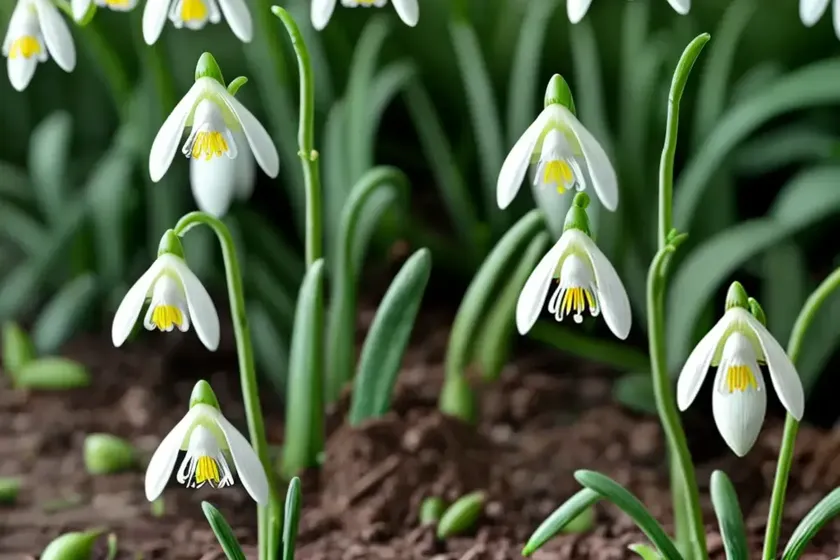
Galanthus elwesii var. monostictus, commonly known as Greater Snowdrop, is a charming and delicate herbaceous perennial plant that belongs to the Amaryllidaceae family. The name “Galanthus” is derived from the Greek words “gala,” meaning milk, and “anthos,” meaning flower, in reference to the flowers’ color. This plant is native to the eastern Mediterranean region, especially southern Greece and the Balkans.
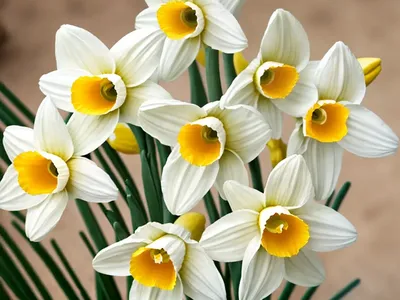
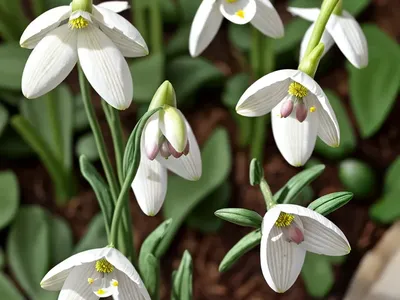
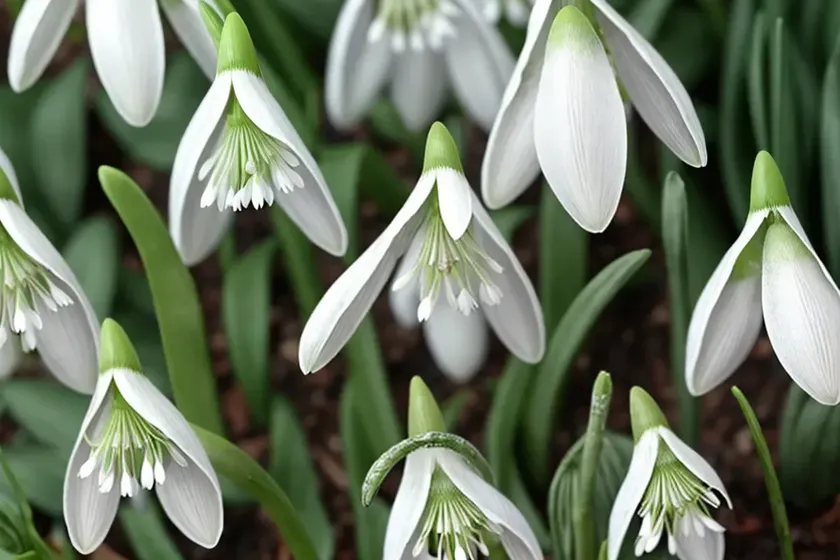
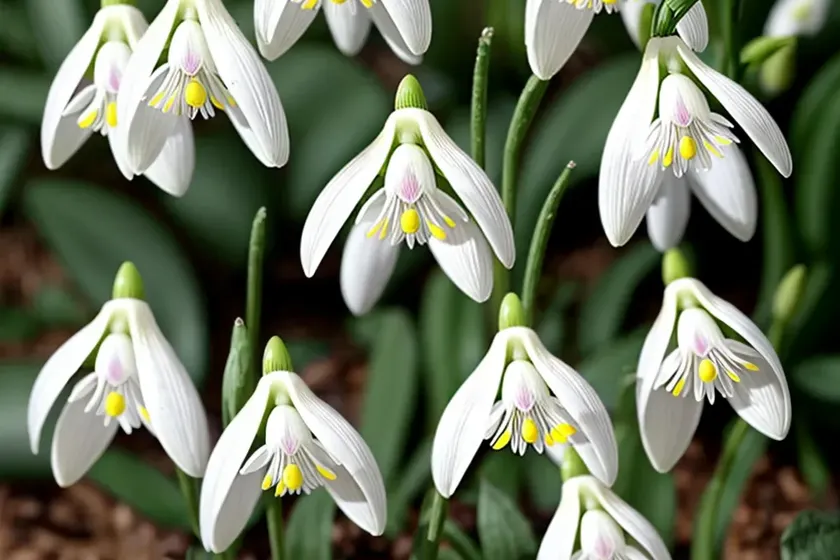
The Greater Snowdrop is a unique and stunning variety of the snowdrop plant, known for its graceful, nodding white flowers that are gently marked with a green or yellow pattern on the inner tepals. These enchanting blooms typically appear in late winter to early spring, serving as a harbinger of the coming spring season. The plant’s distinctive appearance and early flowering make it a sought-after addition to gardens and landscapes, bringing a sense of renewal and optimism after the winter months.
Key Takeaways
- Plant Name: Galanthus elwesii var. monostictus
- Common Name: Greater Snowdrop
- Family: Amaryllidaceae
- Native Region: Eastern Mediterranean (southern Greece and the Balkans)
Culture
The culture of Galanthus elwesii var. monostictus encompasses various aspects including its uses, water requirements, sunlight preferences, fertilizer needs, soil type, pruning techniques, propagation methods, and considerations for container gardening. Understanding the specific cultural requirements of this plant is essential for promoting its health and vigor.
Uses
The Greater Snowdrop, Galanthus elwesii var. monostictus, is valued for its ornamental and aesthetic appeal. It is commonly utilized in garden landscapes, woodland gardens, rock gardens, and naturalized settings, where its delicate blooms bring a touch of elegance and beauty. Furthermore, snowdrops are often associated with symbolism that represents hope, purity, and the promise of spring, making them a beloved addition to gardens and floral arrangements.
Water
Proper watering is crucial for the well-being of Galanthus elwesii var. monostictus. As a general guideline, the plant should be watered consistently to keep the soil evenly moist, especially during the growing season. However, it is important to avoid overwatering, as excessive moisture can lead to rot and other detrimental conditions.
Sunlight
In terms of sunlight requirements, Greater Snowdrops thrive in partially shaded to full shade environments. They prefer dappled sunlight or filtered light, making them well-suited for planting under deciduous trees, along woodland edges, or in areas where they receive indirect light. This makes them an excellent choice for enhancing shady areas with their delicate and enchanting blooms.
Fertilizer
When it comes to fertilization, Galanthus elwesii var. monostictus generally does not require heavy feeding. A balanced, all-purpose fertilizer can be applied in early spring as new growth emerges. It is important to use fertilizers in moderation to avoid overstimulating growth, which can compromise the plant’s natural elegance and prevent the development of its charming blooms.
Soil
Greater Snowdrops prefer well-draining, humus-rich soil with a slightly acidic to neutral pH. They are adaptable to various soil types, including loamy and sandy soils, as long as the substrate offers good drainage to prevent waterlogging. Incorporating organic matter into the soil can further enhance its structure and fertility, creating an optimal growing environment for the snowdrop plant.
Pruning
Pruning requirements for Galanthus elwesii var. monostictus are minimal, as the plant generally maintains a tidy and compact growth habit. After the flowering period, any withered or yellowing foliage can be gently removed to promote a neat appearance and prevent the development of fungal diseases. It is important to allow the foliage to wither naturally, as this process enables the bulbs to store energy for the following year’s growth and blooming cycle.
Propagation
The propagation of Greater Snowdrops can be achieved through various methods, including division of established clumps, seed propagation, and bulb offsets. Division is a common and effective technique, where mature clumps are carefully dug up and divided into smaller sections, each containing several bulbs and a portion of the roots. These divisions can then be replanted in suitable locations to establish new snowdrop colonies.
Container Popularity
Galanthus elwesii var. monostictus is well-suited for container gardening, offering an opportunity to showcase its enchanting blooms in a portable and versatile manner. Containers filled with well-draining, high-quality potting mix provide an excellent growing environment for snowdrops, allowing them to be featured on patios, balconies, and other outdoor spaces, where their early spring flowers can be admired up close.
Common Diseases
Diseases can pose a threat to the health and vitality of Galanthus elwesii var. monostictus, necessitating vigilance and proactive management to prevent or address potential issues. Understanding common diseases that affect the plant is essential for implementing effective control measures and maintaining its well-being.
Disease Diagnosis
The diagnosis of diseases in Greater Snowdrops involves careful observation of the plant’s symptoms and signs, as well as an understanding of the prevalent diseases that can impact its health. Common diseases that affect Galanthus elwesii var. monostictus include:
- Botrytis Blight: This fungal disease, caused by the pathogen Botrytis spp., can lead to the development of gray mold on the plant’s foliage and flowers, particularly in cool, wet conditions.
- Basal Rot: Basal rot, often attributed to the fungus Fusarium oxysporum, can cause the bulb and basal plate of the snowdrop plant to rot, resulting in stunted growth and wilting foliage.
- Virus Diseases: Snowdrops can be susceptible to viral infections, leading to symptoms such as distorted growth, mottled leaves, and reduced vigor.
Common Pests
In addition to diseases, various pests can pose a threat to the health and aesthetics of Galanthus elwesii var. monostictus. By being aware of common pests and their impact on the plant, proactive measures can be implemented to minimize the risk of infestation and protect the snowdrop’s overall well-being.
- Narcissus Bulb Fly (Merodon equestris): The larvae of this fly can infest and damage snowdrop bulbs, leading to reduced vigor and potential plant mortality.
- Slugs and Snails: These mollusks can feed on the tender foliage and flowers of Greater Snowdrops, causing unsightly damage and compromising the plant’s aesthetic appeal.
- Mice and Voles: Rodents may feed on snowdrop bulbs, particularly during periods of dormancy, leading to the destruction of underground parts and subsequent loss of vitality.
Botanist’s Tips
-
Selecting Suitable Locations: When planting Galanthus elwesii var. monostictus, choose locations with well-draining soil, dappled shade, and protection from harsh environmental conditions. Consider naturalizing snowdrops in wooded areas or under trees to create enchanting displays.
-
Companion Planting: Pair snowdrops with companion plants that complement their delicate appearance and thrive in similar growing conditions. Consider combining them with early spring bloomers such as Cyclamen, Hellebores, and Pulmonaria for a captivating woodland garden display.
-
Bulb Care: Properly care for snowdrop bulbs by ensuring they are planted at the correct depth and in well-draining soil. Avoid excessive disturbance of established clumps to promote healthy growth and blooming.
Fun Facts
- The genus name “Galanthus” is derived from the Greek words “gala” (milk) and “anthos” (flower), reflecting the color of the snowdrop’s blooms.
- Snowdrops are often associated with the arrival of spring and are regarded as symbols of hope and purity.
- Galanthus elwesii var. monostictus is named in honor of Henry John Elwes, a prominent botanist and plantsman known for his contributions to the study of bulbs and bulbous plants.
Links to External Resources
For further information, gardening tips, and resources related to Galanthus elwesii var. monostictus, please explore the following links:
- Royal Horticultural Society (RHS) – Snowdrops
- The American Galanthus Society
- Kew Royal Botanic Gardens – Galanthus elwesii var. monostictus
- The Gardeners’ World – Growing Snowdrops
- The National Gardening Association – Snowdrop Plant Care
In conclusion, Galanthus elwesii var. monostictus, or the Greater Snowdrop, is a captivating and beloved spring-flowering plant with a rich cultural and horticultural significance. Its delicate beauty, early bloom time, and symbolism make it a cherished addition to gardens, where it heralds the arrival of a new season and evokes a sense of hope and renewal. By understanding its cultural requirements, diseases, pests, and unique characteristics, plant enthusiasts can cultivate and admire this enchanting herbaceous perennial while contributing to its preservation and appreciation.