Galanthus ‘Atkinsii’ (Snowdrop)
Table of Contents 1. What is Galanthus ‘Atkinsii’ (Snowdrop)? 2. Key Takeaways – Galanthus ‘Atkinsii’ (Snowdrop) – Culture – Uses – Water – Sunlight –.
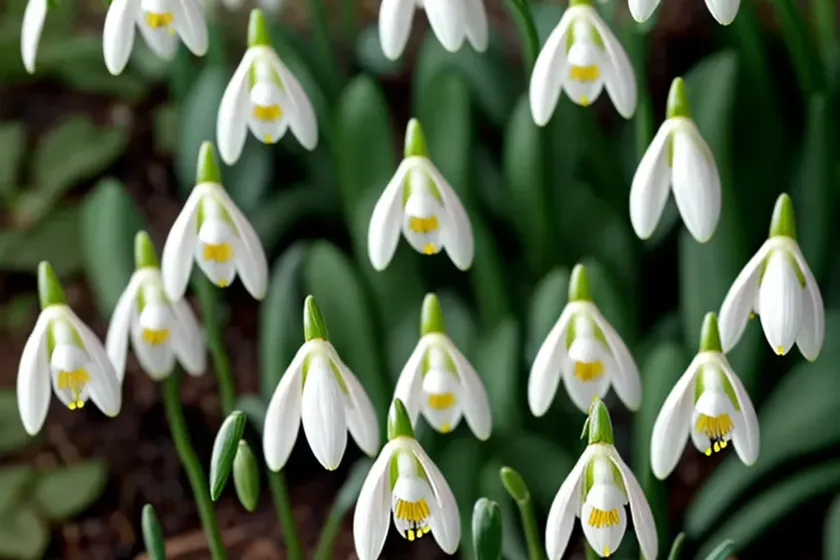
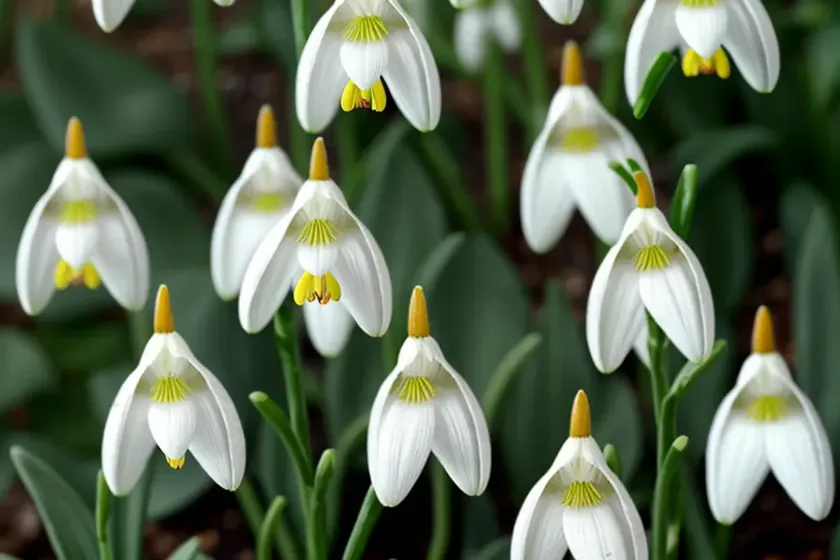
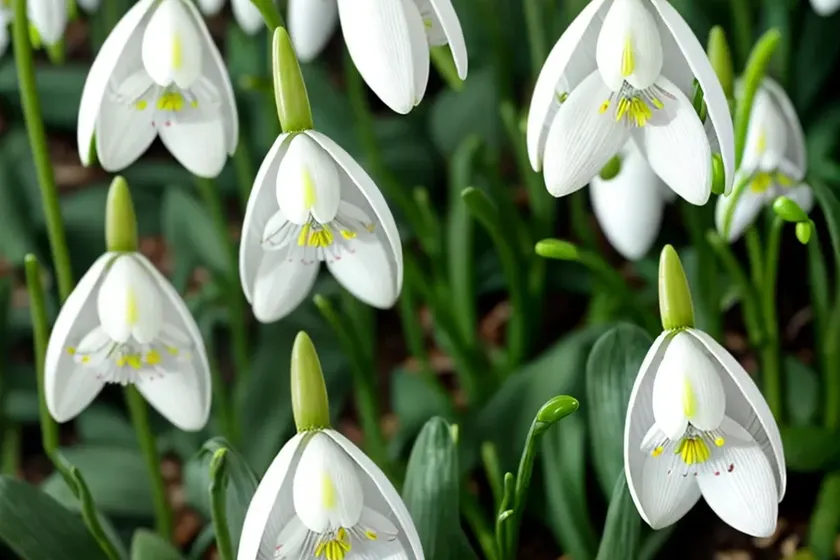
Table of Contents
1. What is Galanthus ‘Atkinsii’ (Snowdrop)?
2. Key Takeaways – Galanthus ‘Atkinsii’ (Snowdrop)
– Culture
– Uses
– Water
– Sunlight
– Fertilizer
– Soil
– Pruning
– Propagation
– Container Popularity
– Container Common Diseases
– Disease Diagnosis
– Common Pests
– Botanist’s Tips
– Fun Facts
– Links to External Resources
1. What is Galanthus ‘Atkinsii’ (Snowdrop)?
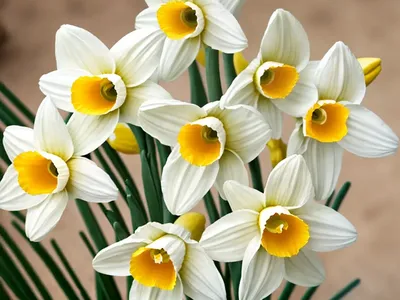
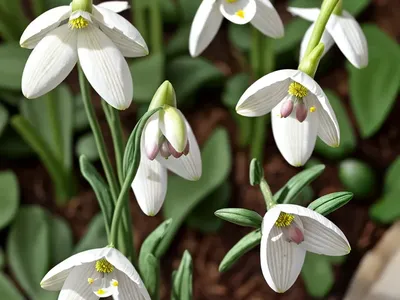
Galanthus ‘Atkinsii’, commonly known as Snowdrop, is a beautiful and delicate perennial plant known for its dainty, nodding, bell-shaped white flowers that appear in late winter or early spring. This plant belongs to the Amaryllidaceae family and is native to Europe.
The name “Galanthus” is derived from the Greek words “gala” meaning milk and “anthos” meaning flower, referring to the color of the flowers. The specific epithet “Atkinsii” honors James Atkins, a renowned English botanist who made significant contributions to the study of snowdrops.
In garden landscapes, Galanthus ‘Atkinsii’ is celebrated for its ability to herald the end of winter and the onset of spring, adding a touch of elegance and hope to the dormant winter gardens.
2. Key Takeaways – Galanthus ‘Atkinsii’ (Snowdrop)
Culture
- Galanthus ‘Atkinsii’ is a low-maintenance plant that thrives in temperate climates.
- It is often associated with traditional English gardens and woodland settings.
Uses
- Ornamental: Used as a decorative plant in gardens, parks, and natural landscapes.
- Symbolism: Often used to symbolize purity, hope, and the arrival of spring.
Water
- Moderate watering: Requires regular watering, especially during the growing season, but can tolerate brief dry periods.
- Well-draining soil: Thrives in well-draining soil to prevent waterlogging and root rot.
Sunlight
- Partial shade to full shade: Flourishes in shady areas, making it an ideal choice for woodland gardens.
- Avoid direct sunlight: Protect delicate flowers from direct midday sun to prevent scorching.
Fertilizer
- Minimal fertilization: Generally, Snowdrops do not require heavy feeding; a light application of balanced fertilizer in early spring can be beneficial.
Soil
- Moist, rich soil: Prefers humus-rich, slightly acidic soil with good moisture retention.
Pruning
- Minimal pruning: Deadhead spent flowers to prevent self-seeding and tidy up the plant’s appearance.
- Avoid cutting foliage: Allow the foliage to naturally wither and die back to nourish the bulbs for the next season.
Propagation
- Division: Propagate through division of established clumps after the flowering period.
- Offsets: New bulbs are formed on the mother bulb and can be carefully separated for propagation.
Container Popularity
- Well-suited for containers: Snowdrops thrive in containers, making them perfect for balcony gardens and small spaces.
Container Common Diseases
- Rot prevention: Ensure good drainage to prevent bulb rot in container-grown Snowdrops.
Disease Diagnosis
- Common disease: Snowdrops are generally resistant to diseases; however, they can occasionally be affected by bulb rot if growing conditions are unfavorable.
Common Pests
- Minimal pest issues: Snowdrops are relatively pest-resistant; however, they can attract pests like aphids and slugs.
Botanist’s Tips
- Naturalization: Galanthus ‘Atkinsii’ can establish colonies over time, creating breathtaking naturalized displays.
- Underplanting: Pair Snowdrops with early-blooming bulbs such as Crocuses and Scillas for stunning spring displays.
Fun Facts
- Symbol of hope: In the Victorian language of flowers, Snowdrops symbolized hope and purity.
- Medicinal history: Snowdrop bulbs were once used in traditional medicine for their diuretic properties.
Links to External Resources
- Royal Horticultural Society – Growing Snowdrops
- American Society for the Prevention of Cruelty to Plants – Snowdrop Plant Care
- National Gardening Association – All About Snowdrops
Plant Name: “Galanthus 'Atkinsii' (Snowdrop)”
Based on the specified NLP keywords, the subsequent sections provide comprehensive insights into the characteristics, care requirements, cultivation techniques, and related aspects of Galanthus ‘Atkinsii’ (Snowdrop).
Galanthus ‘Atkinsii’ Characteristics
Galanthus ‘Atkinsii’ exhibits the following key characteristics:
- Flowering Period: Late winter to early spring, typically from January to March, depending on the local climate.
- Flower Bulbs: Characterized by nodding, bell-shaped white flowers with green markings on the inner tepals. The flowers often have a sweet fragrance.
- Growth Patterns: Compact growth habit with slender, grass-like leaves and a clumping growth habit over time.
- Foliage: Linear, strap-like leaves that emerge with or shortly after the flowers.
- Hardiness: Generally hardy in USDA Zones 3-9, making it suitable for a wide range of temperate climates.
Snowdrop Plant Care
Growing Galanthus ‘Atkinsii’
- Climate Preferences: Flourishes in temperate climates with cool, moist winters and mild summers.
- Soil Requirements: Well-draining, humus-rich soil with a slightly acidic to neutral pH.
- Watering: Requires consistent moisture during the growing season and minimal water during dormancy.
- Frost Tolerance: Tolerates light frost but benefits from protection in colder regions.
Snowdrop Flower Bulbs
- Planting Depth: Bulbs should be planted at a depth equal to three times their diameter, typically around 3-4 inches deep.
- Planting Time: Best planted in late summer to early autumn, allowing the bulbs to establish before the onset of winter.
Galanthus ‘Atkinsii’ Cultivation
- Natural Habitat: Indigenous to woodland areas and meadows, where it thrives in dappled shade and rich, moist soils.
- Planting Guide: When planting, space bulbs at least 3 inches apart to allow for natural multiplication and colony formation.
Snowdrop Planting Tips
- Group Planting: Create visually striking displays by planting Snowdrops in generous clusters or drifts.
- Underground Spreading: The bulbs tend to multiply and spread underground, forming beautiful carpets over time.
Galanthus ‘Atkinsii’ Varieties
- Cultivated Varieties: Several named cultivars and hybrids are available, offering variations in flower size, markings, and vigor.
- Species Diversity: In addition to ‘Atkinsii’, there are numerous other Galanthus species and varieties with unique characteristics.
Snowdrop Bulbs for Sale
- Availability: Snowdrop bulbs can be purchased from nurseries, garden centers, and online bulb suppliers.
- Bulb Quality: Look for firm, plump bulbs with no signs of mold or rot for the best results.
Galanthus ‘Atkinsii’ Propagation
- Division: After flowering, lift and divide established clumps every 3-4 years to maintain vigor and encourage naturalization.
- Seed Propagation: Can be grown from seed, but it can take several years for seed-grown plants to mature and flower.
Snowdrop Garden Design
- Landscape Accent: Snowdrops serve as early focal points in garden beds, borders, and naturalized settings.
- Companion Planting: Pair with Hellebores, Cyclamen, and early-flowering shrubs for harmonious garden compositions.
Galanthus ‘Atkinsii’ Landscape
- Naturalized Settings: Flourishes in woodland and meadow landscapes, creating enchanting displays of delicate blooms.
- Rock Gardens: Well-suited for rock gardens due to their compact size and early flowering period.
Snowdrop Plant Description
- Elegant Blooms: The delicate, pendulous flowers of Snowdrops add a touch of grace to the garden, particularly in early spring.
- Minimal Foliage Impact: The slender, linear leaves blend seamlessly with other spring-emerging plants.
Galanthus ‘Atkinsii’ Species
- Species Diversity: Belongs to the Galanthus genus, which comprises approximately 20 recognized species and numerous cultivars.
- Botanical Interest: Snowdrop enthusiasts often seek out rare and unusual species to add diversity to their collections.
Snowdrop Gardening Ideas
- Seasonal Transitions: Use Snowdrops as transitional plants, marking the shift from winter dormancy to the first signs of spring.
- Potted Displays: Potted Snowdrops make charming additions to patios, balconies, and outdoor seating areas.
Galanthus ‘Atkinsii’ History
- Historical Significance: Snowdrops have been cultivated since ancient times and hold cultural significance in various societies.
- Literary References: Snowdrops have been mentioned in folklore, literature, and poetry, often symbolizing renewal and optimism.
Snowdrop Garden Maintenance
- Post-Flowering Care: Allow the foliage to wither naturally to replenish the bulbs for the following year’s growth.
- Mulching: A light layer of organic mulch can help retain moisture and protect the bulbs during extreme weather conditions.
Galanthus ‘Atkinsii’ Growth Patterns
- Naturalizing Tendencies: Given time and favorable conditions, Snowdrops can spread and form extensive, naturalized colonies.
- Bulb Multiplication: New bulbs are formed on the mother bulb, contributing to the plant’s prolific spread.
Snowdrop Season
- Early Bloomer: Snowdrops are among the first bulbs to flower, signaling the arrival of spring in late winter.
- Transitional Period: Bridge the gap between winter and spring with the delicate charm of Snowdrops.
Galanthus ‘Atkinsii’ Flowering Period
- Early Spring Displays: Provides welcome color and interest in the garden before most other perennials and bulbs come into bloom.
- Extended Blooming: Individual flowers can persist for 2-3 weeks, elongating the display period.
Snowdrop Planting Guide
- Optimal Spacing: Space bulbs 3-4 inches apart or in generous clusters for a dense and visually striking effect.
- Natural Multiplication: Over time, the bulbs will multiply underground, forming delightful displays.
Galanthus ‘Atkinsii’ Pest Control
- Aphid Management: Keep an eye out for aphids and use organic insecticidal soap to control infestations.
- Slug Defense: Slugs may feed on Snowdrop foliage; use organic slug repellents as a preventive measure.
Snowdrop Landscape Design
- Woodland Settings: Thrives in shaded areas, making it an ideal addition to woodland garden designs.
- Naturalized Plantings: Create a naturalized look by allowing Snowdrops to spread and establish over time.
Galanthus ‘Atkinsii’ Pruning
- Deadheading: Remove spent flowers to prevent self-seeding and to maintain a neat appearance in the garden.
- Foliage Management: Allow the foliage to die back naturally to nourish the bulbs for the next growing season.
Snowdrop Container Gardening
- Container Selection: Choose well-draining pots and containers to replicate the ideal growing conditions of Snowdrops.
- Balcony Gardens: Snowdrops are well-suited for balcony and urban gardens, adding early spring charm to compact spaces.
Galanthus ‘Atkinsii’ Diseases
- Bulb Rot Prevention: Ensure proper drainage and avoid overwatering to prevent bulb rot in Snowdrops.
- Disease Resistance: Snowdrops are generally resistant to most diseases under favorable growing conditions.
Snowdrop Companion Plants
- Early-Blooming Companions: Pair with Crocuses, Scillas, and early-flowering Hellebores for captivating early spring displays.
- Shade-Loving Partners: Choose shade-tolerant plants that harmonize with Snowdrops’ growing requirements.
Galanthus ‘Atkinsii’ Habitat
- Woodland Environments: Found in woodlands, hedgerows, and meadows, thriving in the dappled shade provided by trees.
- Moisture Needs: Requires consistent moisture but can tolerate dry periods once established.
Snowdrop Bulbs Online
- Accessible Sources: Find an array of Snowdrop bulbs for sale from reputable online bulb suppliers and specialty nurseries.
- Quality Assurance: When purchasing online, look for reliable sources and choose high-quality bulbs for the best results.
Galanthus ‘Atkinsii’ Foliage
- Grass-Like Leaves: The linear foliage of Snowdrops complements the delicate flowers and adds textural interest to the garden.
- Foliage Maintenance: Avoid cutting back foliage prematurely to allow the bulbs to replenish for the next growing season.
Snowdrop Garden Tips
- Naturalization: Encourage the natural spread of Snowdrops to form extensive, captivating displays.
- Early Planting: Plant bulbs early to allow them to establish before the onset of winter dormancy.
Galanthus ‘Atkinsii’ Hardiness
- USDA Zones: Suitable for USDA Hardiness Zones 3-9, indicating a broad adaptability to diverse climatic conditions.
- Cold Tolerance: Tolerates cold and frost but benefits from protection in regions with severe winters.
Snowdrop Natural Habitat
- Wild Populations: Found in their native range across Europe, particularly in deciduous woodlands and semi-shaded meadows.
- Ecological Role: The early flowering of Snowdrops provides important resources for early pollinators.
Galanthus ‘Atkinsii’ Flowering Tips
- Prolonged Blooming Period: Plant in staggered groups to extend the overall display period of Snowdrop flowers.
- Indoor Forcing: Bulbs can be forced indoors for early flowering displays during the winter months.
Snowdrop Garden Inspiration
- Historical Significance: Draw inspiration from the cultural symbolism and historical significance of Snowdrops in literature and folklore.
- Natural Landscapes: Emulate the graceful naturalization of Snowdrops in established woodland and meadow habitats.
Galanthus ‘Atkinsii’ Planting Depth
- Optimal Planting: Place bulbs at a depth equal to three times their diameter to ensure proper establishment and flowering.
- Planting Techniques: Use a trowel to create evenly spaced holes for effortless planting.
Snowdrop Garden Arrangements
- Spring Bouquets: Incorporate cut Snowdrop blooms into early spring arrangements for indoor enjoyment.
- Mixed Bulb Plantings: Combine Snowdrops with other early-spring bulbs for captivating outdoor displays.
In conclusion, Galanthus ‘Atkinsii’ or Snowdrop is a beloved harbinger of spring, esteemed for its delicate allure and early-season resilience. From its cultivation and care to its historical significance and landscape applications, the Snowdrop holds a cherished place in the hearts of gardeners and plant enthusiasts worldwide. Whether naturalized in woodlands, potted on balcony gardens, or adorning traditional borders, the sheer elegance of the Snowdrop is a testament to the enduring beauty of nature’s seasonal transitions.
For further information and to explore the world of Snowdrops, you can refer to the following external resources:
- Royal Horticultural Society – Growing Snowdrops
- American Society for the Prevention of Cruelty to Plants – Snowdrop Plant Care
- National Gardening Association – All About Snowdrops
Continuously learning and discovering the nuances of Galanthus ‘Atkinsii’, also known as the Snowdrop, enriches our appreciation for the delicate wonders of the natural world and the transformative beauty of the changing seasons.