Fraser Photinia (Photinia x fraseri): A Comprehensive Guide
Fraser photinia, scientifically known as Photinia x fraseri, is a popular evergreen shrub appreciated for its vibrant red foliage and versatility in landscaping. With its captivating features and relatively low maintenance requirements, it has become a favorite among homeowners and landscape designers alike. In this comprehensive guide, we will delve into the various aspects of Fraser photinia, including its characteristics, growth habits, care tips, landscaping uses, diseases, pests, and much more.
What is Fraser Photinia?
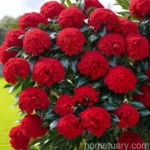
Fraser photinia, a hybrid species derived from the combination of two Chinese species, Photinia glabra and Photinia serrulata, is known for its striking red leaves that emerge during the spring season and gradually mature into glossy green as the year progresses. It is a dense, multi-stemmed shrub that belongs to the Rosaceae family and is prized for its ornamental qualities.
Fraser Photinia Characteristics
Here are some key characteristics of Fraser photinia:
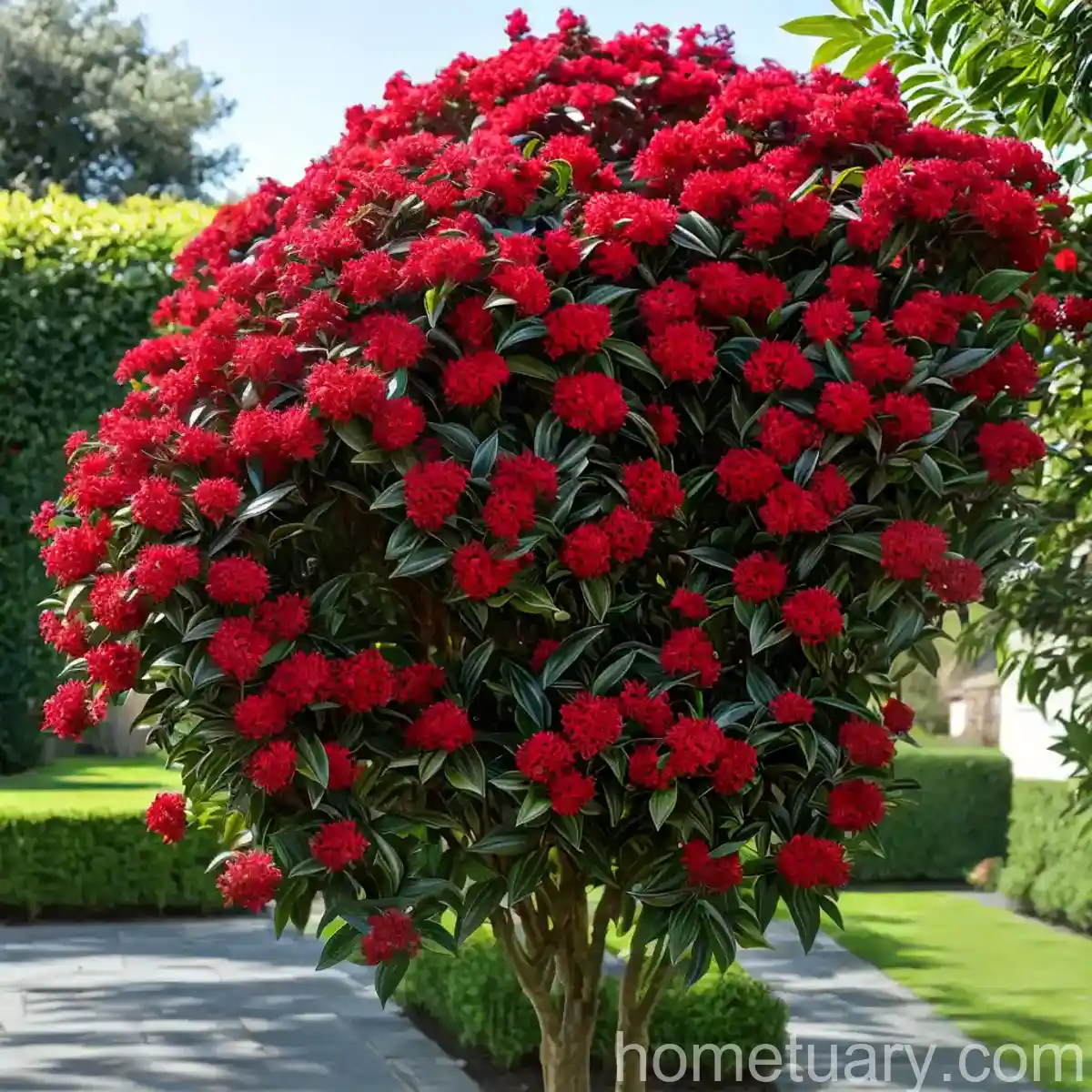
- Foliage Color: The most iconic feature of Fraser photinia is its eye-catching red foliage, which transitions to glossy green as it matures.
- Growth Habit: It exhibits a dense and bushy growth habit, making it an excellent choice for hedges and privacy screens.
- Flowers: In addition to its foliage, Fraser photinia produces clusters of small, white flowers in the spring, adding to its visual appeal.
- Fragrance: Some varieties of Photinia x fraseri are known for their fragrant flowers, which can attract pollinators such as bees and butterflies.
Key Takeaways – Fraser Photinia (Photinia x fraseri)
Before delving into the specifics of Fraser photinia care and maintenance, let’s take a quick look at the key takeaways associated with this popular plant:
- Fraser photinia is valued for its vibrant red foliage, dense growth habit, and versatility in landscaping.
- The plant is relatively low-maintenance once established, making it suitable for both novice and experienced gardeners.
- Proper pruning techniques are essential to maintain the desired shape and promote healthy growth.
- Fraser photinia is susceptible to certain diseases and pests, requiring proactive management strategies to ensure its well-being.
Now that we have a general understanding of what Fraser photinia entails, let’s explore the various aspects of cultivating and caring for this captivating shrub.
Cultivation and Care
Cultivating and caring for Fraser photinia involves attention to several key elements such as water, sunlight, soil, fertilizer, pruning, and propagation. We will discuss each of these aspects in detail to provide a comprehensive guide for those looking to incorporate this plant into their landscapes.
Water
Proper watering is crucial for the health and vitality of Fraser photinia. Here are some essential tips to ensure optimal watering practices:
- Establishment Phase: During the initial establishment phase after planting, Fraser photinia should be watered regularly to promote healthy root development. This is particularly important in the first year after planting.
- Watering Frequency: Once established, Fraser photinia generally requires regular watering, especially during dry periods. However, it is essential to avoid waterlogged conditions, as this can lead to root rot and other issues.
- Moisture Levels: It is ideal to maintain slightly moist but well-draining soil for Fraser photinia. Regular monitoring of soil moisture levels can help ensure the plant’s hydration needs are met without overwatering.
Sunlight
Fraser photinia thrives in locations with ample sunlight, though it can also tolerate partial shade. When considering sunlight requirements, keep the following in mind:
- Full Sun Exposure: Providing full sun exposure (approximately 6-8 hours of direct sunlight per day) can help maximize the plant’s growth and vibrant foliage colors. However, it can also adapt to partial shade conditions, making it a versatile landscaping option.
- Site Selection: When selecting a planting location, aim for an area that receives sufficient sunlight while also taking into account any potential shading from nearby structures or trees.
Fertilizer
Appropriate fertilization can contribute to the overall health and vigor of Fraser photinia. Consider the following fertilization guidelines:
- Balanced Fertilizer: Use a balanced, slow-release fertilizer formulated for shrubs and ornamental plants. Apply the fertilizer in the spring before the growing season begins, following the manufacturer’s recommendations for application rates.
- Soil Testing: Conducting a soil test can help determine any specific nutrient deficiencies and guide the selection of an appropriate fertilizer blend to address the plant’s needs.
Soil
Understanding the soil preferences of Fraser photinia is essential for creating an optimal growing environment. Here are some key considerations related to soil:
- Well-Drained Soil: Fraser photinia thrives in well-drained soil to prevent waterlogging, which can lead to root problems. Amending heavy or compacted soils with organic matter can improve drainage and overall soil quality.
- pH Levels: The ideal soil pH for Fraser photinia is slightly acidic to neutral, ranging from 5.5 to 7.0. Regular soil testing can help monitor pH levels and make any necessary adjustments.
Pruning
Pruning plays a crucial role in shaping Fraser photinia, promoting healthy growth, and managing its size within a given space. Consider the following pruning techniques and tips:
- Regular Maintenance: Conduct regular maintenance pruning to remove dead or damaged branches, particularly after the blooming period.
- Size Control: If using Fraser photinia as a hedge or border plant, regular pruning can help maintain a neat and uniform appearance. However, be mindful of the plant’s natural growth habits and avoid excessive pruning that may compromise its health.
- Pruning Mistakes to Avoid: When pruning Fraser photinia, avoid making cuts close to the main trunk or major branches, as this can hinder the plant’s regrowth and lead to potential health issues.
Propagation
Propagating Fraser photinia can be achieved through various methods, offering opportunities to expand your plant collection. Consider the following propagation methods:
- Softwood Cuttings: Propagate Fraser photinia from softwood cuttings taken during the spring or early summer. Using a rooting hormone can enhance the success rate of the cuttings.
- Seed Propagation: While less common, Fraser photinia can also be propagated from seeds. Keep in mind that seed-grown plants may exhibit some variability in terms of foliage color and other traits.
Now that we have covered the fundamental aspects of cultivating and caring for Fraser photinia, let’s shift our focus to its uses in the landscape, as well as potential disease and pest management strategies.
Landscaping Uses
Fraser photinia offers a range of landscaping opportunities, thanks to its vibrant foliage and adaptable growth habit. Here are several ways in which this plant can be utilized in various landscape settings:
- Hedges and Privacy Screens: Fraser photinia is commonly employed as a hedge or privacy screen, where its dense growth habit and colorful foliage provide an effective barrier and ornamental appeal.
- Foundation Planting: Due to its attractive appearance and relatively low maintenance requirements, Fraser photinia is often used as a foundation planting around homes and commercial buildings.
- Mixed Borders: Incorporate Fraser photinia into mixed perennial borders or shrub groupings to add visual interest and year-round color.
Common Diseases
Despite its resilience, Fraser photinia is susceptible to certain diseases that can impact its overall health and appearance. Familiarize yourself with the following common diseases that may affect this plant:
- Leaf Spot: Leaf spot diseases can cause dark spots or lesions on the foliage, potentially leading to premature leaf drop and reduced plant vigor.
- Fire Blight: This bacterial disease can affect various members of the Rosaceae family, including Photinia x fraseri, causing wilting and blackening of shoots and leaves.
- Powdery Mildew: Powdery mildew may appear as a white, powdery coating on the leaves, often in response to high humidity and poor air circulation.
- Root Rot: Excessive moisture and poor drainage can contribute to root rot, impacting the plant’s root system and overall health.
Disease Diagnosis
When diagnosing potential diseases affecting Fraser photinia, it is important to closely examine the plant for symptoms and consider environmental factors that may contribute to disease development. Always consult with a local extension office or qualified professional for accurate diagnosis and treatment recommendations.
Common Pests
In addition to diseases, Fraser photinia may also be susceptible to certain pests that can affect its growth and appearance. Key pests to watch out for include:
- Aphids: These small, sap-sucking insects can congregate on new growth and tender shoots, potentially causing distortion of the foliage and transmitting plant viruses.
- Spider Mites: Spider mites are tiny arachnids that can feed on the undersides of leaves, causing stippling and discoloration.
- Scale Insects: Scale insects may appear as small, waxy bumps on the stems and leaves, leading to weakened plant vigor and honeydew secretion.
- Caterpillars: Certain caterpillar species may feed on the foliage of Fraser photinia, leading to visible damage and defoliation.
Pest Control
Implementing effective pest control measures can help mitigate potential damage caused by common pests. Consider the following pest management strategies:
- Cultural Controls: Promote a healthy growing environment through proper watering, fertilization, and pruning practices to reduce the plant’s susceptibility to pests.
- Natural Predators: Encourage natural predators such as ladybugs, lacewings, and beneficial insects that feed on common pests, helping to maintain a balanced ecosystem.
- Horticultural Oils and Soaps: Use horticultural oils and insecticidal soaps to target soft-bodied pests such as aphids and spider mites while minimizing impacts on beneficial organisms.
Now that we have explored the cultivation, care, landscape uses, and potential challenges associated with Fraser photinia, let’s delve into some pro tips, fun facts, and links to external resources that can further broaden your knowledge about this remarkable plant.
Botanist’s Tips
As a plant scientist with a passion for botanical exploration and conservation, here are some additional tips for cultivating and appreciating Fraser photinia:
- Observation and Patience: Take the time to observe the seasonal changes and growth patterns of Fraser photinia, as this will deepen your understanding of its unique characteristics and requirements.
- Biodiversity Benefits: Incorporate Fraser photinia into your landscape to attract and support diverse wildlife, including pollinators and birds seeking shelter and nesting sites.
- Continuous Learning: Stay informed about the latest research, trends, and best practices in ornamental horticulture to enhance your skills as a gardener and steward of plant life.
Fun Facts
Embracing the enchanting world of plants often involves discovering intriguing and unexpected facts about the species we encounter. Here are some fun facts about Fraser photinia to pique your curiosity:
- Variegated Varieties: In addition to the classic red-to-green transition of its foliage, Fraser photinia includes variegated cultivars with unique leaf patterns and colors, adding diversity to its visual appeal.
- Fragrant Flowers: Certain selections of Photinia x fraseri produce fragrant flowers that can fill the air with delightful scents, heightening the sensory experience in your garden.
- Wildlife Observations: Beyond its aesthetic allure, Fraser photinia can provide valuable refuge and foraging opportunities for various wildlife species, contributing to ecological diversity.
Links to External Resources
To further expand your knowledge and appreciation of Fraser photinia, consider exploring the following resources:
- American Horticultural Society
- Royal Horticultural Society
- United States Department of Agriculture (USDA) Plant Hardiness Zone Map
In conclusion, Fraser photinia (Photinia x fraseri) stands as a captivating and adaptable shrub that offers an array of ornamental and ecological benefits. Whether utilized as a vibrant hedge, a focal point in mixed borders, or a haven for wildlife, this plant enriches the landscape and inspires a deeper appreciation for the wonders of the natural world.
With the insights and guidelines provided in this comprehensive guide, you are well-equipped to embark on your journey with Fraser photinia, fostering its growth, tending to its needs, and savoring the beauty it brings to your outdoor spaces. As you embrace the art and science of horticulture, may your encounters with Fraser photinia and other botanical treasures ignite a sense of wonder and stewardship for the living tapestry of plants that graces our planet.