Forsythia X Intermedia (Border Forsythia)
Forsythia x intermedia, commonly known as Border Forsythia, is a deciduous flowering shrub that belongs to the Oleaceae family. It is prized for its.
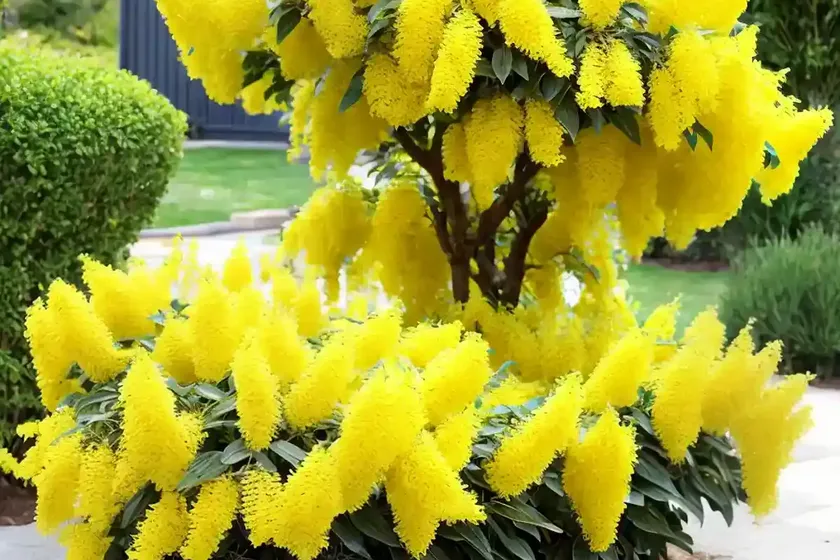
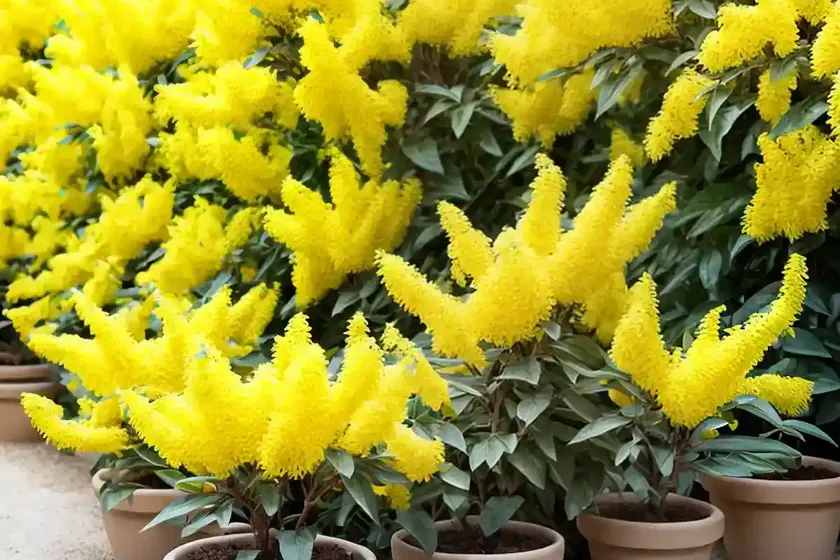
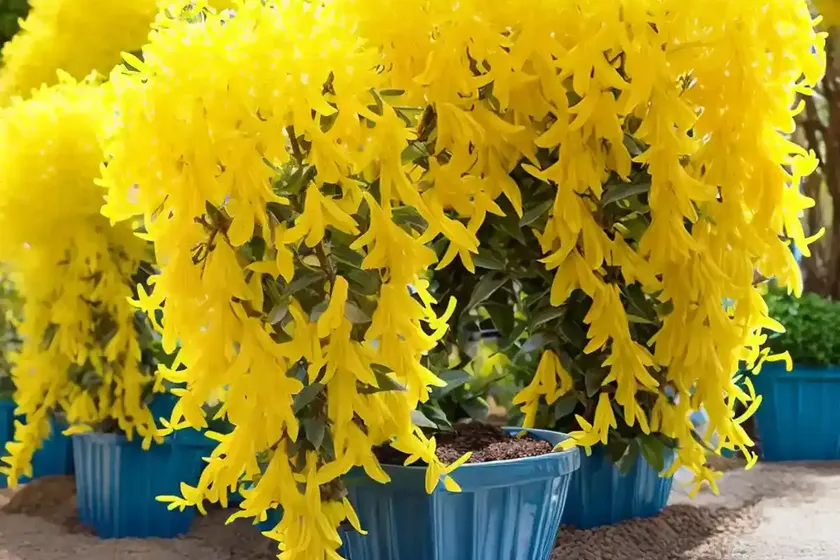
Forsythia x intermedia, commonly known as Border Forsythia, is a deciduous flowering shrub that belongs to the Oleaceae family. It is prized for its vibrant yellow flowers, which emerge in early spring, making it a valuable addition to gardens and landscapes. In this comprehensive guide, we will explore the various aspects of cultivating, maintaining, and utilizing Forsythia x intermedia along with its cultural significance and botanical features.
What is Forsythia x intermedia?
Forsythia x intermedia, also referred to as Border Forsythia, is a hybrid species resulting from the crossbreeding of Forsythia suspensa and Forsythia viridissima. This hybridization has given rise to a plant with improved characteristics, including an abundance of vibrant yellow flowers and enhanced cold hardiness.
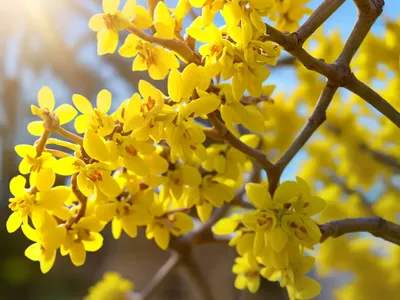
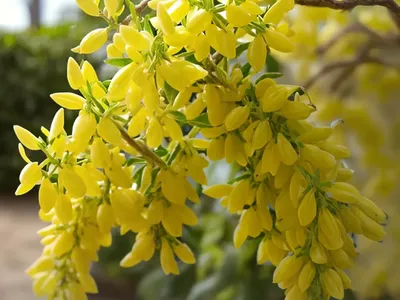
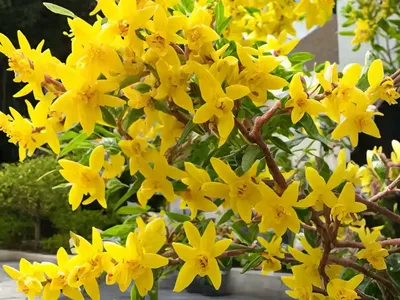
This spring-blooming shrub is renowned for its bushy and upright growth habit, which contributes to its appeal as a landscape ornamental. The golden bell-shaped flowers cover the bare branches, heralding the arrival of spring with their cheerful display. As a deciduous shrub, it sheds its leaves in the fall, preparing to bloom once again in the following spring.
Key Takeaways – Forsythia x intermedia (Border Forsythia)
Before delving deeper into the various aspects of cultivating and caring for Forsythia x intermedia, let’s summarize the key points associated with this beautiful shrub.
- Flowering Season: Early spring, typically March to April.
- Flower Color: Vibrant yellow.
- Growth Habit: Upright, arching stems; Bushy.
- Foliage: Green leaves, which turn yellow in the fall before shedding.
- Uses: Ornamental garden shrub, hedge plant, border plant.
- Characteristics: Deciduous, cold-hardy, early blooming with abundant yellow flowers.
Now, let’s explore in detail the cultural requirements, uses, and maintenance practices associated with Forsythia x intermedia.
Culture
Water
Forsythia x intermedia generally prefers well-draining soil and regular watering, particularly during dry spells. While it is relatively tolerant of drought conditions once established, adequate moisture is essential for promoting healthy growth and bountiful flowering.
- Watering Frequency: Water deeply once a week, especially during periods of low rainfall.
- Soil Moisture: Maintain consistently moist soil, avoiding waterlogged conditions.
Sunlight
Being a sun-loving plant, Forsythia x intermedia thrives in full sun to partial shade. When provided with sufficient sunlight, it exhibits vigorous growth and develops an abundance of flower buds for the subsequent spring bloom.
- Sunlight Exposure: Full sun (6-8 hours per day) to partial shade.
- Ideal Orientation: South or west-facing exposure for optimal sunlight absorption.
Fertilizer
Applying a balanced fertilizer in early spring, before the onset of new growth, can bolster the vigor and flowering potential of Forsythia x intermedia. A layer of organic mulch around the base of the plant aids in moisture retention and gradual nutrient release.
- Fertilization Schedule: Once a year in early spring.
- Fertilizer Type: Balanced, slow-release fertilizer suitable for flowering shrubs.
- Mulching: Apply organic mulch to retain moisture and regulate soil temperature.
Soil
The ideal soil for Forsythia x intermedia is well-draining, fertile, and slightly acidic to neutral in pH. Amending the soil with organic matter, such as compost or well-rotted manure, enhances its structure and nutrient content, fostering optimal growth and blooming.
- Soil Type: Well-draining loamy soil.
- pH Range: Slightly acidic to neutral (pH 6.0-7.0).
- Soil Amendments: Incorporate organic matter for improved fertility and drainage.
Pruning
Proper pruning plays a pivotal role in maintaining the shape, vigor, and flowering abundance of Forsythia x intermedia. It is best carried out immediately after the flowering period to prevent the removal of potential flower buds for the following season.
- Pruning Time: Post-flowering, typically in late spring or early summer.
- Pruning Approach: Remove older wood and selectively trim to encourage new growth.
- Caution: Avoid excessive pruning to prevent reducing next year’s flowering potential.
Propagation
Forsythia x intermedia can be propagated through various methods, including stem cuttings, layering, and division. These propagation techniques allow for the multiplication of prized cultivars and the expansion of Forsythia x intermedia in new areas of the garden or landscape.
- Propagation Methods: Stem cuttings, layering, division.
- Timing: Early to mid-summer for stem cuttings; Early spring for division and layering.
- Regularity: Propagate every few years to maintain plant vigor and obtain new specimens.
Container Popularity
Forsythia x intermedia is well-suited for container cultivation, enabling individuals with limited garden space to enjoy its stunning display of yellow flowers. When grown in containers, it can be positioned strategically to accentuate patios, entrances, or outdoor living areas.
- Container Selection: Choose a large, sturdy container with adequate drainage holes.
- Soil Mix: Well-draining potting mix amended with organic matter.
- Placement: Position in areas receiving ample sunlight for robust growth and flowering.
Common Diseases
Just like many other plants, Forsythia x intermedia is susceptible to certain diseases, including leaf spot, powdery mildew, and crown gall. Practicing good sanitation and promptly addressing signs of disease can help mitigate their impact on the shrub.
- Common Diseases: Leaf spot, powdery mildew, crown gall.
- Preventive Measures: Maintain good air circulation, avoid overhead watering, and provide proper plant spacing.
- Treatment: Fungicidal sprays and removing affected plant parts as necessary.
Disease Diagnosis
Identifying and diagnosing diseases affecting Forsythia x intermedia is crucial for implementing targeted management strategies. By recognizing the symptoms and signs of common diseases, prompt action can be taken to minimize their impact and prevent their spread to other plants in the vicinity.
- Leaf Spot: Circular lesions on leaves, often with a dark margin.
- Powdery Mildew: White powdery patches on foliage and young shoots.
- Crown Gall: Swollen, distorted growths on stems or roots.
Common Pests
Several pests may pose a threat to the health and vigor of Forsythia x intermedia, including aphids, scales, and spider mites. Regular monitoring and the adoption of integrated pest management practices are instrumental in managing pest populations effectively.
- Common Pests: Aphids, scales, spider mites.
- Natural Predators: Encourage beneficial insects and predatory mites.
- Control Measures: Insecticidal soaps, horticultural oils, and biological control agents.
Botanist’s Tips
As a botanist specializing in ornamental shrubs, I would like to share some expert tips for cultivating and tending to Forsythia x intermedia to maximize its ornamental value and longevity.
- Early Pruning: Prune immediately after flowering to shape the shrub and encourage next year’s blooms.
- Root Health: Monitor soil moisture to prevent water stress and maintain root health.
- Renewal Pruning: Periodically rejuvenate overgrown or sparse shrubs through renewal pruning.
- Integrated Pest Management: Adopt a holistic approach to pest management, minimizing reliance on chemical solutions.
- Soil Testing: Conduct soil tests periodically to assess nutrient levels and pH, adjusting fertilization as needed.
Fun Facts
To add an interesting dimension to our exploration of Forsythia x intermedia, let’s uncover some fascinating and lesser-known facts about this delightful shrub.
- Forsythia x intermedia exhibits phototropic behavior, causing its flowers to open primarily in response to sunlight.
- The Forsythia genus is named in honor of William Forsyth, a renowned Scottish botanist from the 18th century.
- In Asian folklore, Forsythia flowers are associated with good fortune and the arrival of spring, symbolizing renewal and hope.
- Forsythia x intermedia is widely utilized in traditional medicine for its purported anti-inflammatory and diuretic properties.
Links to External Resources
For further information on Forsythia x intermedia and related topics, I recommend exploring the following resources:
- Royal Horticultural Society (RHS) – Forsythia x intermedia
- University of Maryland Extension – Forsythia: A Burst of Springtime Color
- Missouri Botanical Garden – Plant Finder: Forsythia x intermedia
In conclusion, Forsythia x intermedia, or Border Forsythia, exemplifies the beauty and resilience of spring-flowering shrubs. Its cheerful yellow blooms, adaptable nature, and cultural significance make it a cherished addition to gardens, landscapes, and urban green spaces. By understanding and implementing the recommended practices for its cultivation and care, enthusiasts and horticulturalists alike can savor the seasonal spectacle brought forth by the vibrant Forsythia x intermedia.
Remember, a well-cared-for Forsythia x intermedia brings not only botanical splendor but also a sense of joy and anticipation for the arrival of spring, making it an invaluable asset in the horticultural palette.