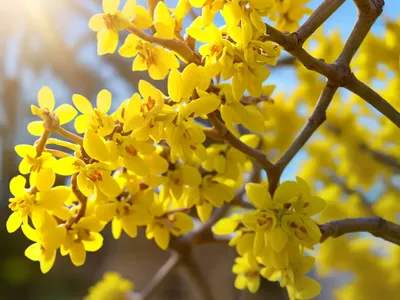
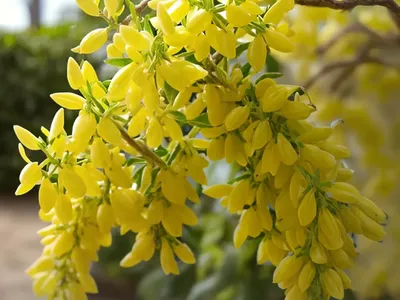
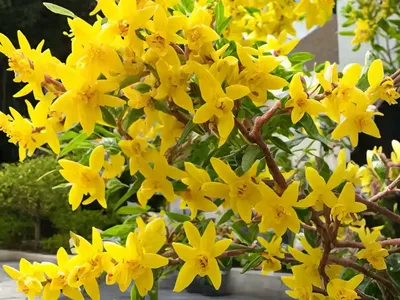
Forsythia Ovata (Korean Forsythia)
Forsythia ovata, commonly known as Korean Forsythia, is a beautiful and versatile plant that holds a special place in gardens and landscapes. With its.
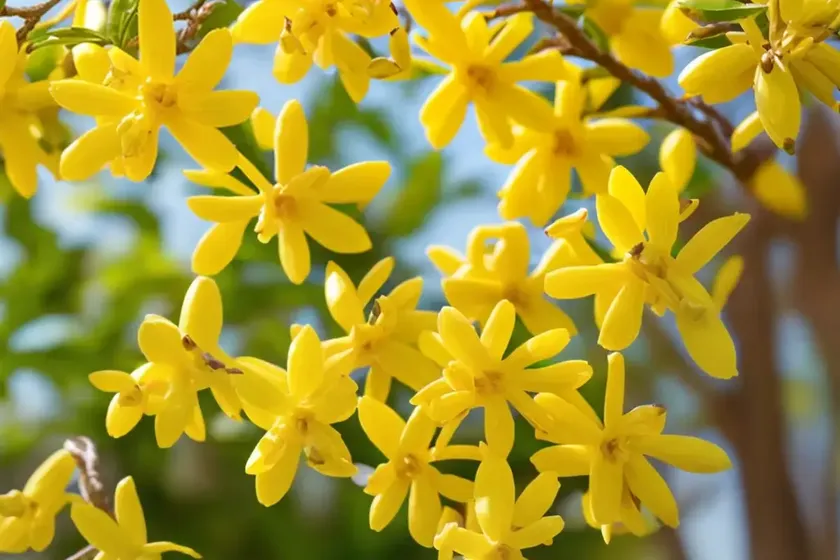

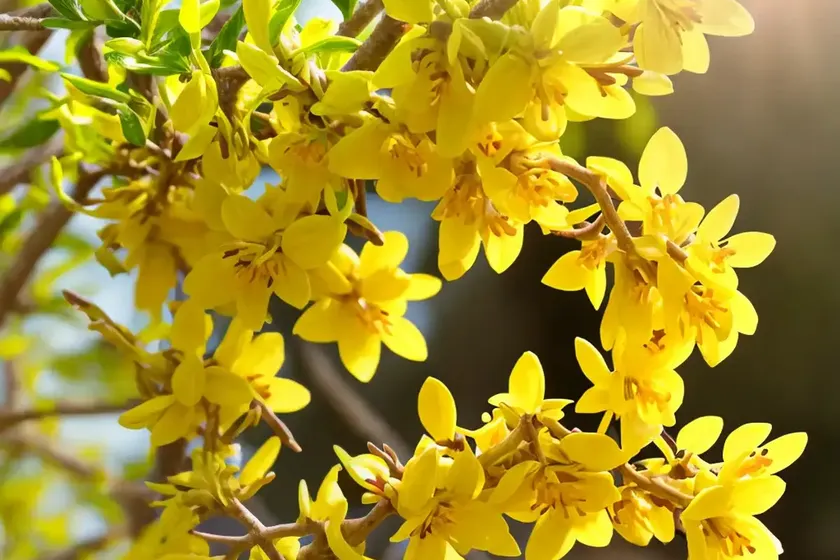
Forsythia ovata, commonly known as Korean Forsythia, is a beautiful and versatile plant that holds a special place in gardens and landscapes. With its bright yellow flowers and numerous landscaping applications, Forsythia ovata has become a popular choice for many gardeners and landscapers.
This comprehensive guide will provide in-depth insights into the cultivation, care, and uses of Forsythia ovata, along with valuable tips for maintaining its health and vigor. Whether you are an experienced horticulturist, a gardening enthusiast, or someone looking to enhance the beauty of their outdoor space, this guide will equip you with the knowledge and expertise needed to harness the full potential of this remarkable plant.
What is Forsythia ovata (Korean Forsythia)?
Forsythia ovata, a species native to Korea, is a deciduous flowering shrub belonging to the olive family (Oleaceae). Known for its early-blooming yellow flowers, Forsythia ovata typically heralds the arrival of spring with its vibrant display of color. The plant derives its name from William Forsyth, a Scottish botanist, and is renowned for its ornamental value, adaptability, and ease of cultivation.
Key Takeaways – Forsythia ovata (Korean Forsythia)
- Scientific Name: Forsythia ovata
- Common Name: Korean Forsythia
- Family: Oleaceae
- Native Habitat: Korea
- Characteristics: Deciduous, early-blooming, yellow flowers
Uses of Forsythia ovata
The versatility of Forsythia ovata extends beyond its ornamental appeal, as it offers a range of applications and benefits in various settings. Here are some key uses of this plant:
Garden Ornamentation
Forsythia ovata’s vibrant yellow flowers make it a popular choice for garden ornamentation, adding a burst of color to landscapes early in the spring season. Its graceful arching branches and floriferous nature make it an attractive specimen for borders, hedges, and foundation plantings.
Erosion Control
Due to its vigorous growth and spreading nature, Forsythia ovata can be utilized for erosion control on slopes and embankments. Its dense root system helps stabilize the soil, reducing the risk of erosion and providing visual interest in challenging landscapes.
Medicinal Properties
In traditional Korean medicine, Forsythia ovata has been used for its medicinal properties. The plant’s flowers and fruits are believed to have potential therapeutic benefits, including anti-inflammatory and antioxidant properties.
Wildlife Habitat
The dense foliage and nectar-rich flowers of Forsythia ovata attract pollinators such as bees and butterflies, making it a valuable addition to wildlife-friendly gardens. The plant provides sustenance for beneficial insects and contributes to the overall biodiversity of the ecosystem.
Cultivation of Forsythia ovata
To harness the full potential of Forsythia ovata, it is essential to understand the cultural requirements and optimal growing conditions for this plant. From sunlight exposure to soil preferences, each aspect plays a crucial role in nurturing healthy and thriving specimens.
Water
Forsythia ovata, like many other shrubs, requires adequate moisture, especially during its establishment phase and periods of active growth. While the plant exhibits a degree of drought tolerance once established, regular watering is essential, particularly during dry spells. Maintaining moist but well-drained soil is crucial for promoting robust root development and flowering.
Key Points:
– Water newly planted Forsythia ovata regularly to aid in root establishment.
– Ensure the soil remains consistently moist, particularly during hot and dry periods.
– Avoid waterlogging, as excessive moisture can lead to root rot and other detrimental conditions.
Sunlight
As a sun-loving species, Forsythia ovata thrives in locations with ample sunlight. Full to partial sun exposure is ideal for promoting vigorous growth and profuse flowering. When selecting a planting site for Forsythia ovata, prioritize areas that receive at least 6-8 hours of direct sunlight daily for optimal performance.
Key Points:
– Plant Forsythia ovata in a sunny location to maximize its growth and flowering potential.
– Ensure that the selected site receives sufficient sunlight throughout the day, especially during the peak growing season.
Fertilizer
Forsythia ovata benefits from a balanced feeding regimen to support its nutrient requirements and overall vitality. Applying a slow-release, granular fertilizer formulated for flowering shrubs in early spring can provide the necessary nutrients for robust growth and abundant flowering. Additionally, incorporating organic matter into the soil during planting can enhance the fertility and structure of the growing medium.
Key Points:
– Apply a balanced, slow-release fertilizer in early spring to nourish Forsythia ovata.
– Incorporate organic amendments such as compost or well-rotted manure to enrich the soil and support long-term plant health.
Soil
Well-drained, fertile soils are conducive to the healthy establishment and growth of Forsythia ovata. The plant thrives in neutral to slightly acidic soil pH and benefits from a loamy texture that allows for adequate water infiltration and root aeration. Prior to planting, assess the soil composition and make necessary amendments to optimize the growing conditions for Forsythia ovata.
Key Points:
– Ensure the soil is well-drained and rich in organic matter to support healthy root development.
– Aim for a neutral to slightly acidic soil pH (6.0-7.0) to create an ideal growing environment for Forsythia ovata.
Pruning Forsythia ovata
Proper pruning plays a pivotal role in shaping the form, promoting flowering, and rejuvenating Forsythia ovata plants. Understanding the pruning requirements and techniques is essential for maintaining the plant’s vigor and aesthetic appeal.
Pruning Time
The best time to prune Forsythia ovata is after the plant has finished flowering in late spring or early summer. Performing pruning tasks during this period allows the plant to set buds for the following year’s blossoms while preventing interference with the flowering display.
Pruning Techniques
-
Thinning Out: Remove a portion of the oldest and overcrowded stems at ground level to enhance airflow and promote new growth. This technique facilitates light penetration and reduces the risk of disease infestation within the plant’s interior.
-
Rejuvenation Pruning: Periodically rejuvenate mature Forsythia ovata specimens by selectively cutting back one-third of the oldest branches to near ground level. This encourages the emergence of new shoots and stimulates vigorous regrowth.
Pruning Tips
- Use clean, sharp pruning tools to make precise cuts and minimize the risk of injury to the plant.
- Focus on removing damaged, diseased, or crossing branches to maintain a healthy framework and structural integrity.
- Regularly monitor the growth of Forsythia ovata to identify appropriate pruning opportunities and prevent overgrowth.
Propagation of Forsythia ovata
Expanding the presence of Forsythia ovata in a garden or landscape often involves propagating the plant through various methods such as cuttings and division. By leveraging these propagation techniques, horticulturists and gardeners can propagate new plants from established specimens, ensuring a sustainable and diverse planting inventory.
Propagation by Cuttings
Forsythia ovata can be propagated through semi-hardwood cuttings taken from the current season’s growth. Follow these steps to propagate Forsythia ovata through cuttings:
- Select a healthy, non-flowering stem with pliable, semi-hardwood growth.
- Cut a 6-8 inch segment of the stem just below a leaf node using clean pruning shears.
- Remove the lower leaves from the cutting, leaving 2-3 sets of leaves at the tip.
- Dip the cut end of the cutting in a rooting hormone to promote root development.
- Plant the cutting in a well-draining potting medium and provide consistent moisture and warmth to facilitate rooting.
Division Propagation
Established Forsythia ovata plants can also be propagated through division, particularly during the plant’s dormant season. Follow these steps to propagate Forsythia ovata through division:
- Dig up the mature Forsythia ovata plant, ensuring that a sizable portion of the root system is retained.
- Using a sharp, clean tool, divide the root ball into sections, ensuring that each division has a sufficient root mass and healthy shoots.
- Replant the divided sections in prepared soil, ensuring adequate spacing and soil moisture for successful establishment.
Propagation Tips
- Maintain humidity and warmth around the propagated cuttings to facilitate root initiation and minimize transplant shock.
- Water the newly propagated plants consistently to support root development and overall vigor.
- Monitor the progress of the propagated Forsythia ovata and provide appropriate care based on the developmental stage of the new plants.
Forsythia ovata in Containers
The adaptability of Forsythia ovata extends to container gardening, making it a suitable choice for individuals with limited outdoor space or those seeking to create mobile ornamental displays. When cultivating Forsythia ovata in containers, there are specific considerations and practices that contribute to the plant’s well-being and aesthetic appeal.
Container Size
Select a container that provides ample room for the root system to develop and expand while accommodating the plant’s growth. A large, sturdy container with sufficient drainage holes helps prevent waterlogging and provides stability for the growing Forsythia ovata.
Soil Mix
Utilize a well-draining potting mix rich in organic matter to create a favorable growing medium for Forsythia ovata in containers. Incorporating perlite or coarse sand in the soil mix promotes adequate aeration and water drainage, crucial for maintaining healthy root conditions.
Container Care
- Position the container in a location that receives ample sunlight, ensuring that the plant has access to the required light for optimal growth and flowering.
- Water the container-grown Forsythia ovata regularly, ensuring that the potting mix remains consistently moist but not waterlogged.
- Monitor the plant for signs of root congestion, and consider repotting or root pruning if the container becomes crowded with roots.
Popularity of Forsythia ovata in Containers
Forsythia ovata’s adaptability and aesthetic appeal in containers have contributed to its growing popularity among urban gardeners, balcony enthusiasts, and individuals with limited outdoor space. The plant’s early-blooming and vibrant display of flowers make it a sought-after choice for container gardens, providing a captivating focal point in outdoor settings.
Common Diseases of Forsythia ovata
Despite its adaptability and vigor, Forsythia ovata is susceptible to certain diseases and disorders that can impact its health and visual appeal. Understanding these common ailments, their symptoms, and management strategies is essential for safeguarding the well-being of Forsythia ovata in garden and landscape settings.
Disease Diagnosis
1. Leaf Spot (Cercospora)
Symptoms: The presence of circular, dark spots on the leaves, often accompanied by yellowing and premature defoliation.
Management: Remove and destroy the affected plant material, improve air circulation, and avoid overhead watering to reduce humidity levels that favor the development of leaf spot.
2. Powdery Mildew
Symptoms: Powdery white patches on the foliage, typically observed on the upper leaf surface, leading to distorted growth and reduced vigor.
Management: Utilize fungicidal sprays, maintain proper plant spacing, and promote good air circulation to prevent and manage powdery mildew infestations.
3. Botrytis Blight
Symptoms: Grayish-brown fungal growth on the flowers and shoots, often leading to flower blight and wilting.
Management: Remove and dispose of infected plant parts, maintain appropriate plant hygiene, and avoid overhead irrigation to minimize the risk of botrytis blight.
Disease Prevention
- Implement good cultural practices, including proper spacing, adequate air circulation, and proper watering to create an environment less conducive to disease development.
- Monitor the plant regularly for early signs of disease or stress, enabling timely intervention and management.
Common Pests Affecting Forsythia ovata
In addition to diseases, Forsythia ovata is susceptible to infestations by various pests that can compromise its health and flowering potential. Recognizing these common pests and employing appropriate control measures is crucial for preserving the vitality and aesthetics of the plant.
Common Pests
1. Aphids
Identification: Small, pear-shaped insects congregating on the tender shoots and undersides of the leaves, often causing distortion and wilting of the foliage.
Control: Utilize insecticidal soaps, neem oil, or beneficial predatory insects to manage aphid populations and prevent widespread damage.
2. Spider Mites
Identification: Tiny arachnids that create fine webbing on the foliage, leading to stippled, discolored leaves and reduced plant vigor.
Control: Increase humidity levels, apply horticultural oils, and practice regular hosing to deter and control spider mite infestations.
3. Scale Insects
Identification: Flat or raised, immobile insects on the stems and foliage, often accompanied by honeydew secretion and sooty mold development.
Control: Prune and dispose of heavily infested plant parts, apply horticultural oils, and introduce natural predators to manage scale insect populations.
Pest Prevention
- Inspect Forsythia ovata regularly for signs of pest activity, including stippled leaves, distorted growth, and presence of insects.
- Implement cultural and biological control measures to maintain pest populations within manageable levels and prevent widespread infestations.
Botanist’s Tips for Growing Forsythia ovata
To maximize the growth and ornamental potential of Forsythia ovata, consider the following expert tips and practices tailored to the specific needs and preferences of this plant:
- Early Spring Pruning: Prune Forsythia ovata immediately after flowering to shape the plant and promote vigorous growth for the following season.
- Regular Moisture: Maintain consistent soil moisture during the active growing season, particularly for newly established plants and during hot, dry periods.
- Balanced Fertilization: Apply a balanced, slow-release fertilizer in early spring to support the nutrient requirements of Forsythia ovata throughout the growing season.
- Air Circulation: Promote good air circulation around the plant through selective pruning and appropriate spacing to reduce the risk of disease infestations.
- Monitor Pest Activity: Regularly assess the foliage and stems for signs of pest infestations, enabling prompt intervention and management when necessary.
Fun Facts about Forsythia ovata
- The genus Forsythia is named after William Forsyth, a renowned Scottish botanist and founding member of the Royal Horticultural Society.
- Forsythia ovata is known for its traditional use in Korean herbal medicine, where it is believed to possess therapeutic properties.
- The vibrant yellow flowers of Forsythia ovata symbolize optimism, growth, and renewal, making it a popular choice for conveying positive sentiments in floral arrangements and garden designs.
- In response to changing light conditions, Forsythia ovata undergoes a process called photoperiodism, where its flowering is synchronized with the lengthening days of spring.
Links to External Resources
For further reading and exploration of Forsythia ovata, the following external resources provide valuable information and insights into the cultivation, care, and appreciation of this remarkable plant:
- Royal Horticultural Society (RHS): Forsythia ovata Profile
- Missouri Botanical Garden: Growing Forsythia
- North Carolina State University Extension: Forsythia Selection and Landscape Uses
In conclusion, Forsythia ovata, or Korean Forsythia, exemplifies the beauty, resilience, and ornamental value found in select flowering shrubs. By embracing the cultivation practices, care guidelines, and aesthetic potential of this plant, gardeners and horticultural enthusiasts can elevate their outdoor spaces with the radiant allure of Forsythia ovata.
Whether used as a vibrant garden focal point, a natural habitat enhancer, or a source of traditional medicinal remedies, Forsythia ovata continues to captivate and inspire through its timeless allure and versatile applications.
Thank you for joining us in this exploration of Forsythia ovata, and we hope this comprehensive guide has provided valuable insights and inspiration for your gardening endeavors.