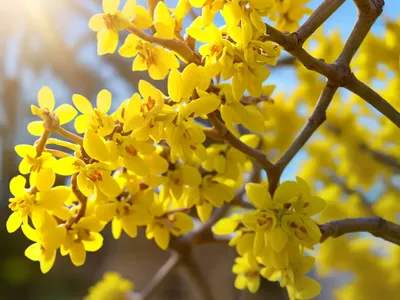
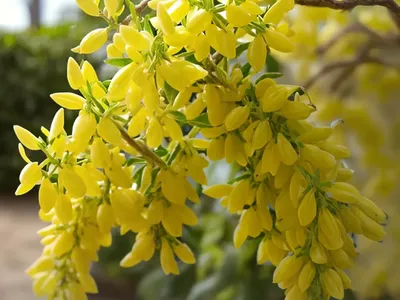
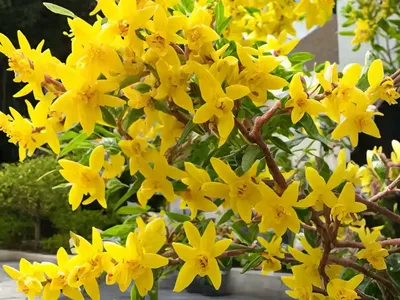
Forsythia Koreana ‘Kumson’)
As a plant scientist, I have always been fascinated by the diverse array of plant species and their unique characteristics. One such plant that has.
Introduction
As a plant scientist, I have always been fascinated by the diverse array of plant species and their unique characteristics. One such plant that has continued to captivate my interest is the Forsythia koreana ‘Kumson.’ This elegant shrub is beloved for its vibrant yellow flowers and its ability to thrive in various environmental conditions. In this comprehensive guide, we will explore everything you need to know about the Forsythia koreana ‘Kumson,’ from its cultivation and care to its uses and potential challenges. So, let’s embark on a journey to uncover the beauty and intricacies of this remarkable plant.
What is Forsythia koreana ‘Kumson’?
The Forsythia koreana ‘Kumson,’ also known as the Korean Forsythia, is a deciduous shrub that belongs to the Oleaceae family. Originating from Korea, this plant has gained popularity not only for its striking appearance but also for its versatility in landscaping and garden design.
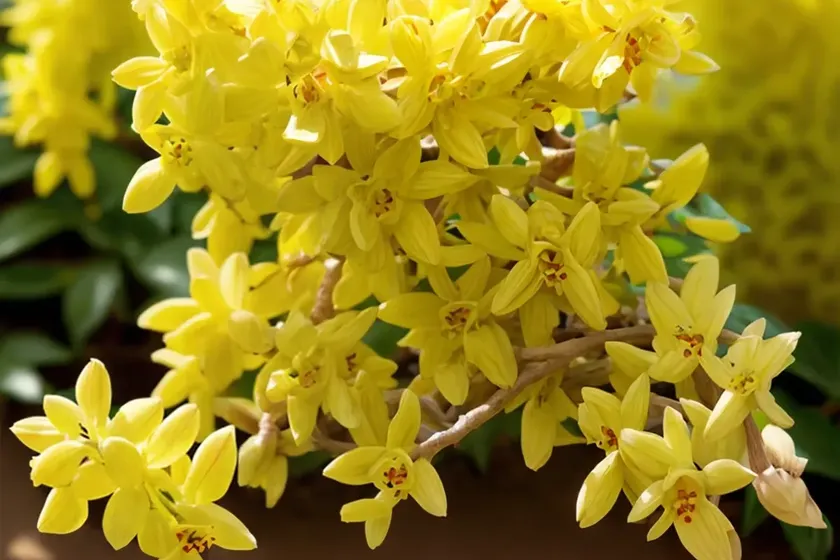
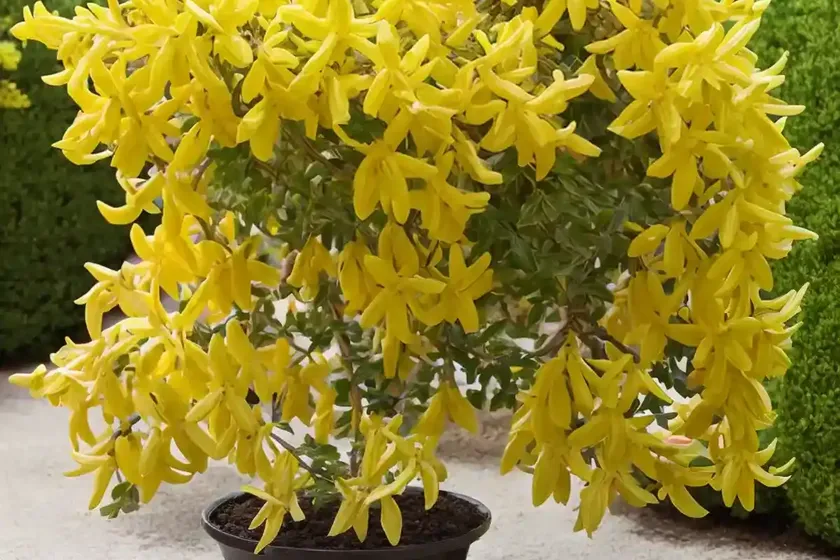
Forsythia koreana ‘Kumson’ is characterized by its profusion of bright yellow flowers that typically bloom in early spring, heralding the arrival of the new season. The plant’s arching branches adorned with clusters of golden blossoms create a breathtaking spectacle, making it a cherished addition to gardens and outdoor spaces.
Key Takeaways
Before delving into the specifics of cultivating and caring for Forsythia koreana ‘Kumson,’ it’s essential to highlight some key takeaways about this remarkable plant:
- Scientific Name: Forsythia koreana ‘Kumson’
- Common Name: Korean Forsythia
- Plant Type: Deciduous shrub
- Flower Color: Bright yellow
- Bloom Time: Early spring
- Growth Habit: Upright, arching
- Foliage: Green, serrated leaves
- Hardiness Zone: 5-8
- Uses: Landscaping, ornamental purposes
With these key points in mind, let’s explore the crucial aspects of cultivating and nurturing Forsythia koreana ‘Kumson’ to ensure its optimal growth and stunning floral displays.
Culture
Water
Forsythia koreana ‘Kumson’ has moderate water needs. While the plant demonstrates some drought tolerance once established, it thrives best in moist, well-drained soil. When watering the Korean Forsythia, it’s essential to strike a balance, avoiding both waterlogged conditions and prolonged periods of drought. During dry spells, especially in the summer months, regular watering is crucial to support the plant’s health and promote robust flowering in the following spring.
Sunlight
Ample sunlight is essential for the vigorous growth and prolific blooming of Forsythia koreana ‘Kumson.’ This species thrives in full sun to partial shade, with at least 6 hours of direct sunlight per day being ideal for optimal flowering and overall development. When selecting a planting location, it’s important to prioritize sun exposure to ensure that the Korean Forsythia receives the light it requires to flourish.
Fertilizer
Forsythia koreana ‘Kumson’ benefits from periodic fertilization to support its growth and blooming potential. A balanced, slow-release fertilizer applied in early spring can provide the necessary nutrients for the plant to produce an abundance of vibrant flowers. Additionally, a layer of organic mulch around the base of the shrub can help retain moisture and enrich the soil, contributing to the overall health of the Korean Forsythia.
Soil
This shrub thrives in well-drained, fertile soil. While Forsythia koreana ‘Kumson’ is adaptable to various soil types, it prefers loamy, slightly acidic to neutral soil. Ensuring good drainage is paramount, as waterlogged conditions can lead to root rot and other issues. Prior to planting, amending the soil with organic matter can enhance its quality and structure, creating an ideal environment for the Korean Forsythia to flourish.
Pruning
Pruning is an essential aspect of Forsythia koreana ‘Kumson’ care, allowing for the management of the plant’s shape, size, and rejuvenation. The ideal time for pruning this shrub is shortly after it has finished flowering, typically in late spring to early summer. Here are some key considerations for effectively pruning the Korean Forsythia:
-
Remove Old Wood: Thinning out old, unproductive wood and weak or damaged branches helps invigorate the plant and stimulates the growth of new, healthy shoots.
-
Promote Air Circulation: Pruning can enhance air circulation within the shrub, reducing the risk of diseases and promoting overall plant health.
-
Shape Maintenance: Trimming back excessive growth and shaping the shrub can help maintain its aesthetic appeal and prevent it from becoming overgrown.
When conducting pruning activities, it’s important to use sharp, clean tools to make precise cuts, minimizing the risk of damage or disease transmission.
Propagation
If you wish to propagate Forsythia koreana ‘Kumson,’ there are several methods that can be employed to successfully establish new plants:
-
Softwood Cuttings: During the spring or early summer, take softwood cuttings from the Korean Forsythia, ensuring that they are approximately 4-6 inches long. Remove the lower leaves, dip the cut end in rooting hormone, and plant the cuttings in a well-draining growing medium. Keep the medium consistently moist and provide the cuttings with bright, indirect light until roots develop.
-
Division: As the shrub matures, it may form multiple stems or suckers at its base. These can be carefully separated from the main plant to create new individuals, each with their own root system.
-
Layering: Another propagation method involves layering a low-growing branch by burying a portion of it in the soil while still attached to the parent plant. Over time, roots will develop at the buried portion, at which point the new plant can be separated and transplanted.
Container Popularity
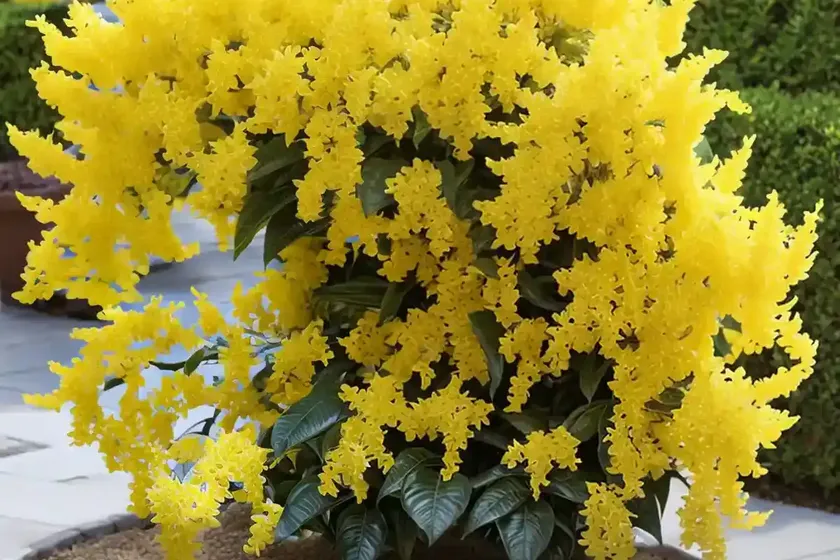
Forsythia koreana ‘Kumson’ has gained popularity as a container plant due to its ornamental appeal and relatively manageable size. When cultivated in containers, the Korean Forsythia can brighten up patios, balconies, and other outdoor spaces, adding a vibrant burst of color to the surroundings. Moreover, growing this shrub in containers offers the flexibility to move it to different locations as needed, ensuring that its stunning blooms are prominently displayed.
Container Common Diseases
While growing Forsythia koreana ‘Kumson’ in containers can offer numerous benefits, it’s important to be mindful of potential diseases that may affect the plant in this setting. Some common diseases to watch out for when cultivating the Korean Forsythia in containers include:
-
Root Rot: Overly moist conditions or poor drainage in containers can lead to root rot, endangering the health of the plant. Using well-draining potting mix and ensuring proper drainage in containers can help mitigate this risk.
-
Powdery Mildew: This fungal disease can affect the foliage of Forsythia koreana ‘Kumson,’ leading to the development of a powdery, whitish coating on the leaves. Proper air circulation and avoiding overhead watering can assist in preventing powdery mildew in container-grown plants.
Being proactive in monitoring the plant’s health and providing optimal growing conditions can significantly reduce the likelihood of disease issues in container-cultivated Forsythia koreana ‘Kumson.’
Disease Diagnosis
Should signs of disease or distress appear on the Korean Forsythia, it’s essential to accurately diagnose the issue to promptly implement appropriate remedies. Common symptoms of disease in Forsythia koreana ‘Kumson’ may include:
-
Yellowing Leaves: Yellowing or browning of the foliage, especially if it occurs en masse, can be indicative of various diseases or environmental stressors.
-
Stunted Growth: If the plant’s growth is significantly inhibited, it could signal an underlying disease affecting its root system or overall vitality.
-
Abnormal Spots or Lesions: The presence of unusual spots, lesions, or discolorations on the leaves, stems, or flowers may suggest the presence of pathogens or other detrimental agents.
When faced with potential disease issues, consulting with a plant health professional or extension service can aid in accurately diagnosing the problem and devising an effective course of action.
Common Pests
While Forsythia koreana ‘Kumson’ is generally resilient to many pests, certain common invaders may occasionally pose a threat to the plant’s well-being. Some pests to be vigilant for include:
-
Aphids: These small, sap-sucking insects can gather on the new growth of the Korean Forsythia and potentially cause leaf distortion and sooty mold development.
-
Scale Insects: Scale insects may affix themselves to the stems and leaves of the plant, extracting sap and weakening its vigor over time.
-
Spider Mites: In hot, dry conditions, spider mites can become problematic, causing stippling and discoloration on the foliage of the Korean Forsythia.
Implementing regular inspections and employing appropriate pest management strategies, such as horticultural oils or insecticidal soaps, can help mitigate pest issues and safeguard the health of Forsythia koreana ‘Kumson.’
Botanist’s Tips
For enthusiasts and gardeners looking to cultivate Forsythia koreana ‘Kumson’ with success, here are some valuable tips curated by botanists and horticultural experts:
-
Monitor Watering Practices: Pay close attention to the plant’s water needs, particularly during periods of heat and drought. Be mindful of both overwatering and underwatering, adjusting the irrigation regimen as necessary.
-
Promote Air Circulation: Ensure that the Korean Forsythia has sufficient air circulation to minimize the risk of fungal diseases. Proper spacing and selective pruning can help enhance air movement around the plant.
-
Appropriate Pruning Techniques: When performing pruning activities, adhere to proper techniques to avoid causing damage to the plant. Aim to maintain the plant’s natural form while removing dead or excessive growth.
-
Soil Assessment: Regularly assess the soil quality and drainage around the Korean Forsythia. Amend the soil as needed and address drainage issues to foster an optimal growing environment.
By incorporating these insights into your cultivation approach, you can enhance the vitality and resilience of Forsythia koreana ‘Kumson,’ ensuring that it thrives and flourishes in your garden or landscape.
Fun Facts
No exploration of Forsythia koreana ‘Kumson’ would be complete without delving into some intriguing and delightful facts about this enchanting shrub:
-
Symbol of Optimism: The vibrant yellow blossoms of the Korean Forsythia are often regarded as harbingers of spring, symbolizing hope and renewal.
-
Historical Significance: In Korean culture, Forsythia is featured in various legends and traditions, signifying the arrival of spring and the passage of time.
-
Medicinal Uses: In traditional medicine, certain parts of the Forsythia plant have been utilized for their potential therapeutic properties, highlighting its historical significance beyond ornamental purposes.
-
Wildlife Attraction: The nectar-rich flowers of Forsythia koreana ‘Kumson’ can attract pollinators such as bees and butterflies, contributing to the ecological value of the plant.
As we immerse ourselves in the realm of Forsythia koreana ‘Kumson,’ these captivating facts serve to deepen our appreciation for the plant’s cultural, ecological, and aesthetic significance.
Links to External Resources
For further insights and in-depth information about Forsythia koreana ‘Kumson,’ consider exploring the following external resources:
- Royal Horticultural Society – Forsythia
- University of Minnesota Extension – Growing Forsythia
- Missouri Botanical Garden – Forsythia Plant Guide
- North Carolina State University – Forsythia koreana ‘Kumson’ Fact Sheet
These resources offer valuable insights, gardening tips, and expert guidance to enrich your understanding of the Korean Forsythia and its cultivation.
Conclusion
In the realm of ornamental shrubs, few plants captivate the senses and herald the arrival of spring as splendidly as Forsythia koreana ‘Kumson.’ With its radiant blooms, adaptability to diverse growing conditions, and rich cultural significance, this stunning shrub stands as a testament to the beauty and resilience of nature.
As a plant scientist, it is both my passion and privilege to illuminate the remarkable qualities and horticultural potential of the Korean Forsythia. Whether adorning gardens, borders, or containers, Forsythia koreana ‘Kumson’ embodies the spirit of vitality and optimism, enriching our outdoor spaces with its luminous presence.
Through the cultivation and appreciation of plants such as Forsythia koreana ‘Kumson,’ we forge a profound connection with the natural world, embracing the transformative beauty and enduring allure of these botanical wonders.
In closing, may the golden blossoms of the Korean Forsythia inspire and uplift, infusing our lives with the joy and vitality of the spring season.
References:
– Royal Horticultural Society – Forsythia. (n.d.). https://www.rhs.org.uk/advice/profile?PID=98
– University of Minnesota Extension – Growing Forsythia. (n.d.). https://extension.umn.edu/planting-and-growing-guides/growing-forsythia
– Missouri Botanical Garden – Forsythia Plant Guide. (n.d.). https://www.missouribotanicalgarden.org/PlantFinder/PlantFinderDetails.aspx?taxonid=277702&isprofile=0&
– North Carolina State University – Forsythia koreana ‘Kumson’ Fact Sheet. (n.d.). https://plants.ces.ncsu.edu/plants/forsythia-koreana-kumson/