Plant Scientist Blog: Exploring the Foamy Bells (Heucherella ‘Fire Frost’)
Introduction
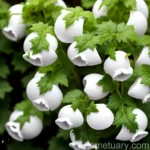
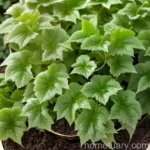
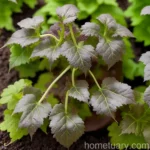
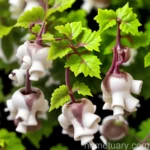
Plant lovers and gardening enthusiasts are always on the lookout for unique and visually captivating plants to add to their collection. One such plant that has been gaining attention in recent years is the Foamy Bells (Heucherella ‘Fire Frost’). This hybrid plant is a stunning combination of two distinct genera, Heuchera and Tiarella, resulting in an eye-catching foliage and an overall attractive appearance. In this comprehensive guide, we will delve into the various aspects of caring for and cultivating foamy bells, also known as Heucherella ‘Fire Frost’.
Key Takeaways – foamy bells (x Heucherella ‘Fire Frost’)
For quick reference, let’s summarize the key takeaways regarding the foamy bells plant:
- Scientific Name: Heucherella ‘Fire Frost’
- Common Name: Foamy Bells
- Plant Type: Perennial
- Watering Needs: Regular watering, well-drained soil
- Sunlight Requirements: Partial to full shade
- Soil Preferences: Moist, well-drained, slightly acidic soil
- Maintenance: Low maintenance
- Pruning: Periodic removal of spent foliage and flowers
- Propagation Methods: Division, stem cuttings
- Disease Resistance: Generally resistant to diseases
- Pest Control: Vigilant monitoring for pests, particularly snails and slugs
- Container Gardening: Suitable for containers
- Growth Habits: Compact, mounding growth
- Partial Shade Tolerance: Adaptable to partial shade conditions
Now let’s explore each of these aspects in more detail to understand how to care for and appreciate the beauty of foamy bells.
Culture
Cultivating and caring for the Heucherella ‘Fire Frost’ involves understanding its specific cultural requirements. This encompasses various elements such as water, sunlight, soil, and fertilizer needs. Let’s explore each of these cultural aspects in detail.
Uses
Before delving into the specific cultural requirements, it’s essential to understand the potential uses of foamy bells in horticulture and garden landscaping. These uses can range from its application in container gardening to its role in providing ground cover and accentuating landscape designs.
The uses of foamy bells (Heucherella ‘Fire Frost’) include:
-
Container Gardening: The compact growth habit and visually appealing foliage make foamy bells an excellent choice for container gardening. Whether placed on patios, balconies, or as part of larger garden ensembles, their presence in containers can add a captivating touch to outdoor spaces.
-
Border and Edging Plant: With its mounding growth and attractive foliage, foamy bells can be used to enhance borders and edges within garden beds. The contrasting colors and textures of the foliage can create visually striking delineations within the garden.
-
Ground Cover: The spreading nature of foamy bells makes it a suitable candidate for providing ground cover in shaded areas. Its ability to fill in empty spaces and create a lush carpet of foliage adds interest and texture to the landscape.
-
Accent Plant: Whether in flower beds, along walkways, or near water features, the unique foliage patterns and colors of Heucherella ‘Fire Frost’ make it an ideal choice for adding accents and focal points in the garden.
Water
Sufficient and appropriate watering is crucial for the health and growth of foamy bells. As with many plants, it is essential to find the right balance in meeting their moisture needs without subjecting them to waterlogging.
When considering the water requirements for Heucherella ‘Fire Frost,* it’s important to keep the following factors in mind:
-
Regular Watering: Foamy bells benefit from regular watering, particularly during dry spells and hot weather. This helps in maintaining optimal soil moisture levels and supporting healthy growth.
-
Well-Drained Soil: Ensuring that the soil has good drainage is essential to prevent waterlogging, which can be detrimental to the plant’s roots. A combination of organic matter and well-draining soil helps in achieving a balanced moisture environment.
-
Consistent Moisture: While regular watering is necessary, it’s also important to maintain consistent moisture levels without allowing the soil to dry out completely. This is especially crucial during the plant’s establishment phase and throughout the growing season.
Sunlight
Understanding the sunlight preferences of foamy bells is fundamental in determining the most suitable locations for planting and ensuring optimal growth and foliage coloration.
The sunlight requirements of Heucherella ‘Fire Frost’ include:
-
Partial to Full Shade: Foamy bells thrive in locations with partial to full shade, making them ideal for gardens with areas of dappled sunlight or filtered shade. This characteristic allows for versatile placement within the landscape, particularly in areas with limited direct sunlight.
-
Protection from Intense Sun: While the plant can tolerate some morning or late afternoon sun, providing protection from the harsh midday sun is beneficial to prevent leaf scorch and maintain the vibrant foliage colors.
-
Adaptability to Shaded Environments: The preference for partial shade makes foamy bells an excellent choice for shaded garden spots, woodland settings, and areas with limited sunlight exposure.
Fertilizer
Fertilizing plants is a common practice in maintaining their health and promoting robust growth. Understanding the appropriate fertilizer application for foamy bells contributes to their overall vitality and foliage quality.
Key points regarding the fertilizer requirements for Heucherella ‘Fire Frost’ include:
-
Moderate Fertilization: While generally low maintenance, foamy bells benefit from moderate fertilization during the growing season. This can be accomplished through the use of a balanced, slow-release fertilizer applied according to the manufacturer’s recommendations.
-
Avoid Excessive Nitrogen: It’s important to avoid overfeeding foamy bells with high-nitrogen fertilizers, as this can lead to excessive foliage growth at the expense of vibrant coloration.
-
Fertilizer Timing: Applying fertilizer in early spring as new growth emerges, and again in midsummer can provide the necessary nutrients to support healthy foliage and flowering.
-
Organic Fertilizer Option: Opting for organic fertilizers can be beneficial in enhancing soil structure and microbial activity, thus promoting the overall well-being of the plant.
Soil
The soil composition and quality play a significant role in ensuring the success of foamy bells in the garden. Understanding the soil preferences and making appropriate adjustments contribute to the plant’s vigor and visual appeal.
Key aspects pertaining to the soil preferences of foamy bells (Heucherella ‘Fire Frost’) include:
-
Moist, Well-Drained Soil: Foamy bells thrive in soil that maintains consistent moisture levels without becoming waterlogged. This necessitates a balance between moisture retention and proper drainage to support healthy root development.
-
Slightly Acidic pH: The ideal soil pH for foamy bells is slightly acidic, typically ranging between 6.0 and 6.5. Testing the soil pH and implementing adjustments as needed can create a favorable growing environment for the plant.
-
Organic Matter Content: Incorporating organic matter such as compost into the soil can improve its structure, nutrient content, and moisture retention capabilities. This aids in creating an optimal foundation for foamy bells to thrive.
-
Soil Amendment: If the existing soil is heavy or lacks adequate drainage, amending it with materials such as perlite or coarse sand can help in enhancing its drainage properties and preventing waterlogging.
Pruning
Pruning is an essential aspect of plant maintenance and care, contributing to the overall health and aesthetics of the garden. Understanding the pruning requirements and techniques for foamy bells is crucial in promoting ongoing growth and preventing the accumulation of spent foliage and flowers.
Pruning Techniques for Heucherella ‘Fire Frost’
The pruning techniques for foamy bells involve the removal of spent foliage and flowers to maintain the plant’s compact form and overall attractiveness. Key aspects of pruning Heucherella ‘Fire Frost’ include:
-
Removal of Spent Flowers: Periodically removing spent flower stalks not only enhances the appearance of the plant but also encourages additional blooms and minimizes the energy diverted to seed production.
-
Trimming of Foliage: Trimming back any damaged or unsightly foliage promotes new, healthy growth and prevents the plant from appearing unkempt. This can be done throughout the growing season as needed.
-
Renewal Pruning: Over time, certain parts of the plant may become woody or less vibrant. Engaging in renewal pruning by cutting back older stems to encourage new growth rejuvenates the plant and maintains its overall vigor.
-
Sterilizing Pruning Tools: Utilizing clean and sharp pruning tools is essential to prevent the spread of diseases and ensure precise cuts that promote the plant’s recovery and regrowth.
Pruning Timing
Determining the appropriate timing for pruning foamy bells contributes to their continued health and appearance throughout the growing season. Key considerations for the timing of pruning Heucherella ‘Fire Frost’ include:
-
Spring Pruning: In early spring, undertaking pruning activities such as the removal of winter-damaged foliage and the shaping of the plant sets the stage for robust growth during the upcoming season.
-
Deadheading Flowers: Consistent deadheading of spent flowers should be performed throughout the flowering period to prevent the plant from expending resources on seed production and to maintain its visual appeal.
-
Midsummer Tidying: During midsummer, a light pruning session can be beneficial in removing any additional spent flowers and tidying up the plant as it continues to flourish.
Understanding the nuances of pruning Heucherella ‘Fire Frost’ is essential to maintaining its growth and appearance, ultimately contributing to the overall charm and health of the plant.
Propagation
Propagating plants allows for the expansion of their presence in the garden and the creation of new, thriving specimens. Understanding the propagation methods suitable for foamy bells provides an opportunity to multiply these captivating plants and share them with fellow gardening enthusiasts.
Propagation Methods for Heucherella ‘Fire Frost’
The propagation of foamy bells can be achieved through various methods, offering flexibility in creating new plants that exhibit the desirable characteristics of the parent specimen. Key propagation methods for Heucherella ‘Fire Frost’ include:
-
Division: Propagation via division involves separating the plant’s root clumps into smaller sections, each with its own root system and foliage. This can be performed in early spring or early fall, when the plant is not actively flowering.
-
Stem Cuttings: Utilizing stem cuttings, particularly those taken from healthy, non-flowering shoots, enables the creation of new plants with genetic consistency to the parent Heucherella ‘Fire Frost.’ Rooting hormone can be used to enhance the success of the cuttings.
-
Seed Propagation: While foamy bells can produce seeds, propagation through seeds may result in variations in plant characteristics. Nevertheless, collecting and sowing seeds can be an intriguing method to experiment with new plant variations.
Ideal Propagation Timing
Selecting the appropriate timing for propagation activities ensures the success of creating new foamy bells plants. Timing considerations for the propagation of Heucherella ‘Fire Frost’ include:
-
Early Spring: Division and stem cutting propagation can be undertaken in early spring, allowing the newly propagated plants to establish themselves and develop during the entire growing season.
-
Early Fall: Embarking on propagation activities in early fall, particularly division, provides the newly propagated plants with an opportunity to establish their root systems in preparation for the following growing season.
By understanding the propagation methods and ideal timing for Heucherella ‘Fire Frost,’ plant enthusiasts can explore diverse avenues of expanding their foamy bells collection and sharing the beauty of these plants with others.
Container
The suitability of foamy bells for container gardening presents an array of possibilities for incorporating these plants into various outdoor settings. Understanding the considerations for container cultivation, including pot selection and maintenance, enables the successful growth and display of Heucherella ‘Fire Frost’ in containers.
Container Selection
When selecting containers for foamy bells, it’s important to consider factors such as size, material, and drainage to provide an optimal environment for the plants to thrive. Key points regarding container selection for Heucherella ‘Fire Frost’ include:
-
Adequate Size: Choose containers that provide sufficient space for the plant to grow and develop a healthy root system. This ensures that the plant is not constricted and has room for root expansion.
-
Drainage Holes: Opt for containers with adequate drainage holes to prevent waterlogging and promote healthy root conditions. If a favorite container lacks sufficient drainage, it can be modified with additional holes.
-
Material Considerations: Containers made of materials such as terracotta, fiberglass, or plastic can be suitable for growing foamy bells, with considerations for their insulative properties and overall aesthetic.
Container Placement
The strategic placement of foamy bells containers contributes to their visual impact and ensures that their environmental needs are met. Considerations regarding container placement for Heucherella ‘Fire Frost’ include:
-
Partial Shade Locations: As with planting in garden beds, positioning foamy bells containers in areas with partial shade allows the plants to thrive while adding visual interest to shaded spaces.
-
Protection from Extreme Temperature: Placing containers in locations that shield them from intense heat or cold helps in maintaining optimal growing conditions and preventing stress on the plants.
-
Visual Appeal: Considering the visual impact of the containers within the broader landscape and choosing placements that enhance the overall aesthetic of the outdoor space.
Container Maintenance
Regular maintenance of foamy bells containers contributes to the ongoing health and attractiveness of the plants. Key aspects of container maintenance for Heucherella ‘Fire Frost’ include:
-
Watering: Monitoring the moisture levels within the containers and watering as needed to maintain consistent soil moisture without waterlogging.
-
Fertilization: Providing appropriate fertilizer to support the growth and continued vigor of foamy bells in containers.
-
Inspection and Care: Periodically inspecting the plants for signs of pests, diseases, or any other issues, and addressing them promptly to prevent potential damage.
-
Repotting: Observing the growth of foamy bells in containers and repotting them as needed to accommodate their increasing size and root development.
The inclusion of foamy bells in container gardening opens up possibilities for adding these captivating plants to outdoor spaces, whether in small urban gardens, balconies, or larger landscape designs.
Common Diseases
Understanding the potential diseases that may affect foamy bells (Heucherella ‘Fire Frost’) allows for proactive measures to maintain the plants’ health and vitality. While generally resistant to diseases, being familiar with common ailments and their prevention is essential in preserving the beauty of these plants.
Disease Resistance
Foamy bells exhibit a notable resistance to many common plant diseases, owing to their genetic makeup and overall robustness. This natural resistance contributes to their low maintenance requirements and reliable performance in garden settings.
Key points regarding disease resistance and maintenance strategies for Heucherella ‘Fire Frost’ include:
-
Resistance to Powdery Mildew: Foamy bells demonstrate formidable resistance to powdery mildew, a common fungal disease that affects many other plant species. This resistance contributes to the overall vigor and hardiness of the plants.
-
Vigilant Monitoring: While the plants are generally resistant to diseases, it’s important to regularly monitor them for any signs of unusual discoloration, wilting, or other symptoms that could indicate potential issues.
-
Quarantine of Affected Plants: In the rare event of disease occurrence, promptly isolating affected plants can prevent the spread of the ailment to other specimens and enable focused treatment.
Disease Prevention
Preventive measures complement the natural disease resistance of foamy bells, contributing to their ongoing health and impeccable appearance in the garden. Key strategies for disease prevention in Heucherella ‘Fire Frost’ include:
-
Healthy Growing Conditions: Ensuring optimal cultural conditions, including proper watering, suitable soil, and appropriate sunlight exposure, establishes a foundation for the plants to thrive and resist potential diseases.
-
Adequate Air Circulation: Providing adequate spacing between plants and promoting air circulation minimizes the likelihood of fungal diseases and fosters overall plant vigor.
-
Minimal Plant Stress: Avoiding stress factors such as inadequate watering, extreme temperature fluctuations, or mechanical injury helps in maintaining the plants’ resilience and resistance to diseases.
Disease Management
Should the need arise to address disease issues affecting foamy bells, it is essential to implement effective management strategies. Key aspects of disease management for Heucherella ‘Fire Frost’ include:
-
Early Detection: Promptly identifying and addressing any signs of disease or distress in the plants enables targeted intervention before the condition worsens.
-
Cultural Adjustments: Modifying cultural practices such as watering, fertilization, or soil amendments, if needed, to create an environment that is less favorable to disease development.
-
Treatment as Needed: Utilizing targeted treatments such as fungicides or other suitable remedies, if recommended by local gardening experts or plant health professionals, to address specific diseases.
By proactively fostering healthy conditions and vigilantly monitoring for potential issues, the natural disease resistance of Heucherella ‘Fire Frost’ can be complemented, ensuring their enduring beauty and vitality in garden settings.
Common Pests
The presence of pests can pose challenges to the growth and appearance of plants, including foamy bells (Heucherella ‘Fire Frost’). Understanding common pests, their identification, and control methods is essential in preserving the health and visual appeal of these captivating plants.
Snails and Slugs
Snails and slugs are among the common pests that may target foamy bells, particularly in settings with high humidity and moisture levels. Understanding their presence and implementing control measures can prevent potential damage to the plants.
Key points regarding snails and slugs and their management in relation to Heucherella ‘Fire Frost’ include:
-
Identification: Monitoring for the presence of slime trails, chewed foliage, and the pests themselves during periods of high moisture aids in early detection of snail and slug activity.
-
Control Methods: Implementing control measures such as physical barriers, beer traps, copper tape, or diatomaceous earth around plants helps in deterring and reducing snail and slug populations.
-
Cultural Adjustments: Modifying cultural practices to reduce moisture levels, such as watering in the morning to allow foliage to dry by evening, minimizes the favorable conditions for snails and slugs.
Vigilance against Pests
Regular monitoring and inspection for signs of pest activity in foamy bells is essential in minimizing potential damage and maintaining plant health. Key aspects of pest vigilance for Heucherella ‘Fire Frost’ include:
-
Early Intervention: Identifying and addressing pest issues promptly prevents the pests from establishing substantial populations and inflicting significant damage to the plants.
-
Environmental Adjustments: Creating an environment that is less conducive to pest activity, such as removing potential hiding spots or focusing on enhancing plant health, supports pest prevention efforts.
-
Beneficial Predators: Advocating for the presence of beneficial insects and wildlife that naturally prey on pests can contribute to pest control in a balanced and eco-friendly manner.
Botanist’s Tips
In addition to the specific cultural, maintenance, and pest control aspects of caring for foamy bells (Heucherella ‘Fire Frost’), considering general gardening and botanical tips can further enhance the experience of cultivating and appreciating these captivating plants.
Site Selection
Choosing suitable sites for planting foamy bells contributes to their overall performance and visual impact. Essential considerations regarding site selection for Heucherella ‘Fire Frost’ include:
- Enriched Planting Bed: Creating a well-prepared planting bed with organic matter and suitable soil conditions