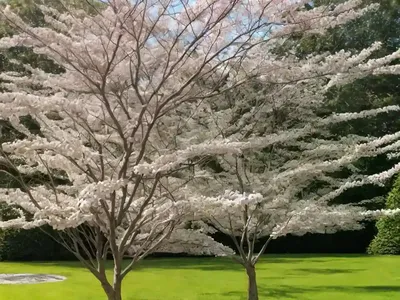
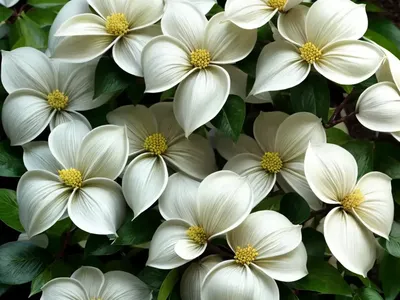
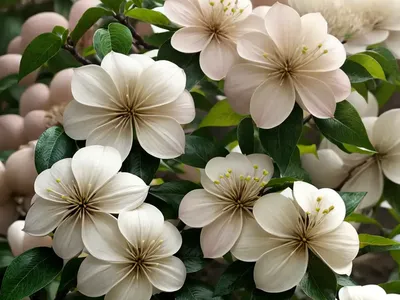
Flowering Dogwood (Cornus Florida)
Flowering dogwood (Cornus florida), a beloved native tree to the eastern United States, is renowned for its stunning appearance and ornamental value. This.
Introduction
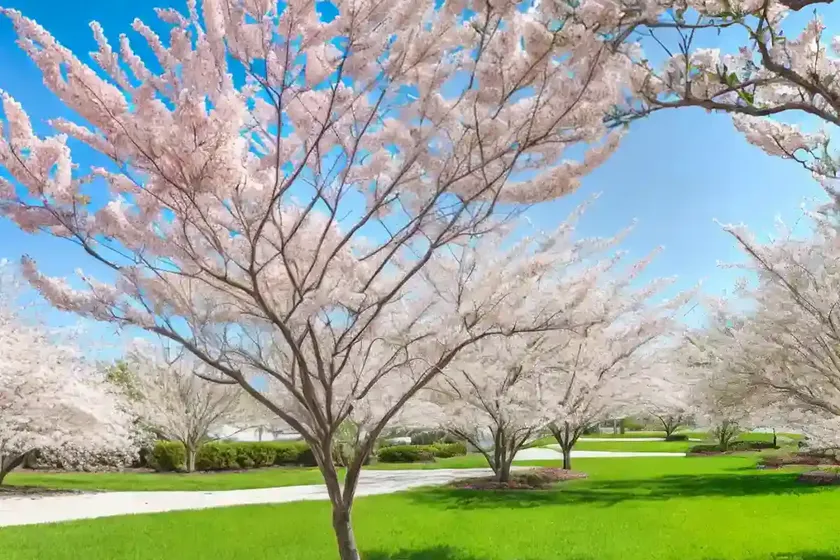
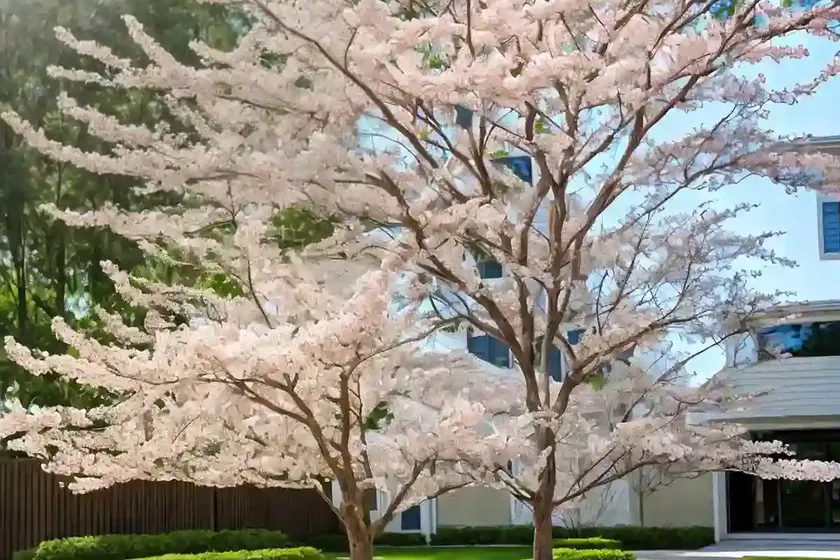
Flowering dogwood (Cornus florida), a beloved native tree to the eastern United States, is renowned for its stunning appearance and ornamental value. This species holds a special place in the hearts of plant enthusiasts, gardeners, and arborists due to its beautiful flowers, vibrant fall foliage, and ecological importance. In this comprehensive guide, we will delve into the myriad aspects of the flowering dogwood, from its cultural requirements to its uses, maintenance, and ecological significance.
What is Plant: Flowering Dogwood (Cornus florida)
The flowering dogwood, scientifically known as Cornus florida, is a deciduous tree belonging to the family Cornaceae. This iconic tree is native to the eastern United States, where it is cherished for its charming, showy flowers and striking red berries. Flowering dogwood typically reaches a height of 20-30 feet at maturity, with a spread of 25-30 feet, making it an ideal addition to landscapes, woodland gardens, and naturalized areas.
Key Takeaways – Flowering Dogwood (Cornus florida)
- Scientific Name: Cornus florida
- Common Names: Flowering dogwood, American dogwood, Eastern flowering dogwood
- Native Range: Eastern United States
- Lifespan: Approximately 80 years in optimal conditions
- Ecological Role: Provides food and shelter for wildlife, including birds and small mammals
Culture
Water
Flowering dogwood trees have moderate water needs, particularly during the establishment phase and in times of drought. It is crucial to ensure consistent moisture, especially in well-draining soils, as waterlogged conditions can lead to root rot and other ailments. When watering, it is advisable to apply water to the root zone, avoiding wetting the foliage, to reduce the risk of foliar diseases.
Sunlight
While flowering dogwoods prefer partial shade or filtered sunlight, they can tolerate full sun in cooler, moister climates. In regions with hot summers, providing afternoon shade can help prevent stress and leaf scorching. Finding a location with dappled sunlight and shelter from strong winds can contribute to the optimal growth and health of these trees.
Soil
Flowering dogwoods thrive in moist, well-drained, and slightly acidic soils with a pH range of 5.5 to 6.5. Amending the soil with organic matter such as compost or peat moss can enhance its fertility and structure, promoting healthy root development and overall vigor.
Uses
The flowering dogwood is valued for its versatility and numerous uses in horticulture, landscaping, and ecological restoration.
Ornamental Use
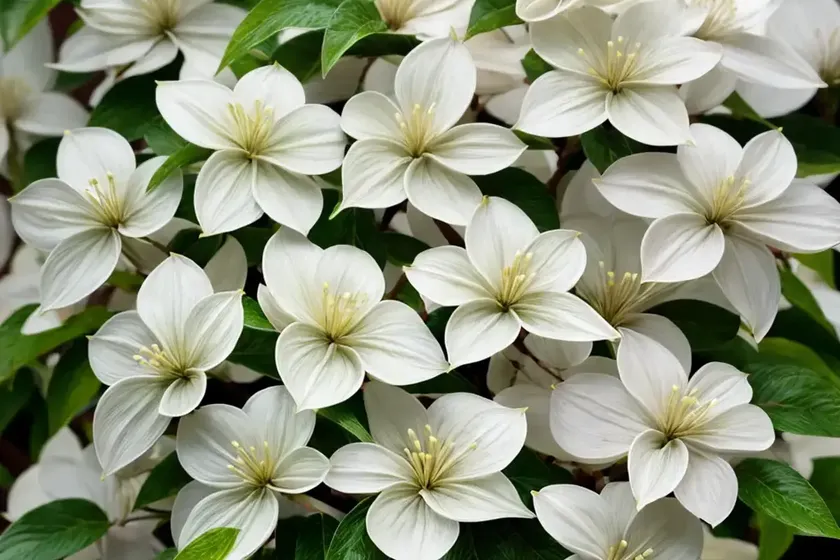
One of the primary uses of flowering dogwood is its ornamental value. The tree’s graceful, horizontal branching pattern, coupled with its showy flowers in spring and attractive foliage in fall, makes it a stunning focal point in residential and public landscapes.
Wildlife Habitat
Flowering dogwoods play a vital role in supporting wildlife populations. The tree’s flowers provide nectar for pollinators, while its berries are a significant food source for numerous bird species. Additionally, the dense foliage and branching structure offer shelter and nesting sites for birds and small mammals.
Naturalization and Reforestation
Due to its adaptability and ecological importance, flowering dogwoods are often utilized in reforestation efforts, particularly in areas with disturbed or degraded ecosystems. These trees contribute to the restoration of native habitats, fostering biodiversity and ecological resilience.
Fertilizer
When it comes to fertilizing flowering dogwoods, a cautious approach is recommended. Excessive fertilization can lead to lush, tender growth that is susceptible to diseases and insect damage. A slow-release, balanced fertilizer, specifically formulated for acid-loving plants, can be applied in early spring, following the manufacturer’s recommendations. Fertilizing should be done sparingly and avoided during hot, dry periods to prevent stress on the tree.
Pruning
Pruning is an essential aspect of flowering dogwood care, promoting a healthy structure, improving airflow, and enhancing the tree’s aesthetic appeal. Pruning tasks typically include the removal of dead, diseased, or crossing branches, shaping the canopy, and maintaining a strong central leader. It is crucial to undertake pruning during the tree’s dormant season to minimize stress and sap loss.
Propagation
The propagation of flowering dogwoods can be achieved through several methods, including seed propagation, softwood cuttings, and grafting. While seeds can be collected from mature berries and stratified for subsequent sowing, softwood cuttings taken in early summer can also be used to propagate desirable cultivars. Grafting onto suitable rootstock is another viable option, particularly for preserving the traits of specific varieties.
Container Popularity
Flowering dogwood trees are also cultivated in containers, allowing individuals with limited outdoor space to enjoy their beauty. When growing in containers, it is essential to select a spacious container with adequate drainage and a well-balanced potting mix. Additionally, regular watering and appropriate placement to meet the tree’s sunlight requirements are crucial for container-grown dogwoods.
Common Diseases
Flowering dogwoods are susceptible to several diseases, with anthracnose and powdery mildew being among the most prevalent. Anthracnose, caused by the fungus Discula destructiva, can result in defoliation, dieback, and overall decline of the tree. Moreover, powdery mildew, characterized by a white powdery coating on the leaves, can impact the tree’s vigor and aesthetic appeal if left unmanaged.
Disease Diagnosis
Timely diagnosis of these diseases is crucial in implementing effective management strategies. Symptoms such as irregular leaf spots, twig dieback, and powdery residue on the foliage can indicate the presence of anthracnose and powdery mildew. Seeking professional assistance from arborists and plant pathologists can aid in accurate diagnosis and tailored treatment plans.
Common Pests
While flowering dogwoods are relatively resistant to major pest infestations, they can occasionally be affected by borers, scales, and aphids. These pests, if left uncontrolled, can weaken the tree and make it susceptible to secondary infections and environmental stresses.
Botanist’s Tips
To ensure the long-term health and beauty of flowering dogwood trees, the following tips are recommended:
- Regular monitoring for signs of diseases and pests
- Implementing cultural practices to promote overall vigor, such as proper watering and mulching
- Selecting disease-resistant cultivars when planting new specimens
- Refraining from excessive pruning and fertilization
- Encouraging biodiversity and natural predators to manage pest populations
Fun Facts
- The flowering dogwood is the state tree of Virginia and Missouri, symbolizing its significance and cultural value in these regions.
- In addition to its ornamental appeal, the hard and dense wood of flowering dogwood has been historically used for making tools, mallets, and other small wooden objects.
- The stunning bracts of the flowering dogwood are often mistaken for petals, with the true flowers being clustered at the center of these modified leaves.
Links to External Resources
For further information about flowering dogwood, its cultivation, and ecological importance, the following resources are recommended:
- United States Department of Agriculture (USDA) – Plant Guide for Flowering Dogwood
- The Arbor Day Foundation – Flowering Dogwood
- North Carolina State University Extension – Dogwoods in the Landscape
- Lady Bird Johnson Wildflower Center – Cornus florida
In conclusion, the flowering dogwood (Cornus florida) stands as a symbol of natural beauty, ecological significance, and horticultural value. Whether adorning woodlands with its graceful blooms or adding charm to residential gardens, this iconic tree continues to captivate plant enthusiasts and contribute to the rich tapestry of North American flora. By understanding its cultural requirements, uses, and role in the environment, individuals can appreciate and steward this beloved native species for generations to come.