Flowering Crabapple (Malus ‘Donald Wyman’)
The Malus ‘Donald Wyman’ is a stunning specimen of flowering crabapple that is renowned for its ornamental features. This article will delve into the various aspects of this delightful plant, including its culture, uses, care tips, diseases, and pests. This comprehensive guide aims to provide all the information you need to cultivate and appreciate the Malus ‘Donald Wyman’ and enhance your gardening experience.
What is the Flowering Crabapple?
The Malus ‘Donald Wyman’ is a cultivar of the flowering crabapple tree, which belongs to the Malus genus in the Rosaceae family. This deciduous tree is characterized by its vibrant and fragrant blossoms, making it a favored choice for ornamental purposes. The ‘Donald Wyman’ variety specifically is celebrated for its resilience, adaptability, and aesthetic appeal, making it a popular selection among gardening enthusiasts.
Key Takeaways – Flowering Crabapple (Malus ‘Donald Wyman’)
Before delving into the specifics of the Malus ‘Donald Wyman’, let’s take note of the key takeaways regarding this captivating plant:
- Scientific Name: Malus ‘Donald Wyman’
- Family: Rosaceae
- Common Name: Flowering Crabapple
- Characteristics: Resilient, ornamental, fragrant blossoms
- Uses: Ornamental, attracting wildlife
- Notable Feature: Vibrant blossoms
Now, let’s explore the various aspects of cultivating and caring for the Malus ‘Donald Wyman’.
Culture of Flowering Crabapple (Malus ‘Donald Wyman’)
The culture of the Malus ‘Donald Wyman’ encompasses various elements, including its water and sunlight requirements, soil preferences, and suitable fertilizers.
Water
Proper watering is essential for the health and vitality of the Malus ‘Donald Wyman. During its initial establishment, regular watering is crucial to promote healthy root development. As the tree matures, it exhibits moderate drought tolerance. However, consistent moisture is still beneficial, especially during dry spells and hot weather. A general guideline is to water the tree deeply and less frequently, allowing the soil to partially dry between watering sessions.
Sunlight
The Malus ‘Donald Wyman’ thrives in full sun to partial shade. Select a planting location that receives ample sunlight, which is indispensable for ensuring prolific blooming and overall vigor. Adequate sunlight also contributes to the development of vibrant foliage and fruits.
Fertilizer
When it comes to fertilization, a balanced, slow-release fertilizer formulated for trees is suitable for the Malus ‘Donald Wyman’. Apply the fertilizer in early spring before new growth emerges. It is advisable to follow the manufacturer’s instructions regarding application rates and methods for best results.
Soil
This variety of flowering crabapple prefers well-draining soil with a slightly acidic to neutral pH. Loamy and sandy soils are ideal, providing sufficient drainage and aeration for the roots. Prior to planting, amend the soil with organic matter to enhance its nutrient content and structure.
Pruning the Flowering Crabapple (Malus ‘Donald Wyman’)
Pruning is an integral aspect of maintaining the health, form, and flowering capability of the Malus ‘Donald Wyman’. Proper pruning practices contribute to the reduction of disease susceptibility and the promotion of an attractive and well-structured tree.
Pruning Techniques
Pruning is typically conducted during the dormant season, which is late winter to early spring. Remove dead, damaged, or diseased branches, as well as those exhibiting crossing or rubbing. Additionally, selective thinning can be performed to improve air circulation within the canopy and encourage better light penetration. This aids in preventing disease and promoting even blooming across the tree.
Pruning Calendar
Adhering to a consistent pruning schedule is beneficial. Establish a pruning routine during the dormant season, evaluating the tree’s structure and health to determine the necessary pruning actions. Regular pruning not only maintains the Malus ‘Donald Wyman’‘s appearance but also ensures its long-term health and vitality.
Propagation of Flowering Crabapple (Malus ‘Donald Wyman’)
The propagation of the Malus ‘Donald Wyman’ can be achieved through various methods. However, it is essential to note that cultivating true-to-type specimens from seeds may yield unpredictable results due to genetic variation. As a result, vegetative propagation methods are preferred for preserving the characteristics and traits of the cultivar.
Common Propagation Methods
- Grafting: Utilize grafting techniques to propagate the Malus ‘Donald Wyman‘. This method involves joining a scion from the desired tree onto a compatible rootstock. Grafting ensures that the propagated trees retain the characteristics of the parent plant.
- Cuttings: Softwood or hardwood cuttings can be employed to propagate the Malus ‘Donald Wyman’. Prepared cuttings are placed under favorable conditions to encourage the development of roots, eventually leading to the establishment of new plants.
Container Gardening with Flowering Crabapple (Malus ‘Donald Wyman’)
The Malus ‘Donald Wyman’ can be successfully cultivated in containers, making it a versatile option for various settings, including patios, decks, and urban spaces.
Container Requirements
When opting for container gardening, ensure that the selected container provides ample room for the tree’s root system. Additionally, the container should feature drainage holes to prevent waterlogging, thereby promoting healthy root conditions. Choose a high-quality potting mix that offers adequate drainage and nutrient retention to support the plant’s growth.
Considerations for Container Growth
Regular watering and fertilization are vital components of container gardening. The confined environment of a container necessitates consistent monitoring of moisture levels and nutrient availability. Additionally, as the root space is limited, periodic root pruning and repotting may be necessary to maintain the plant’s health and prevent it from becoming root-bound. Select a sufficiently large container to accommodate the Malus ‘Donald Wyman’ as it matures, providing the necessary space for the development of a healthy root system.
Popularity of Flowering Crabapple (Malus ‘Donald Wyman’)
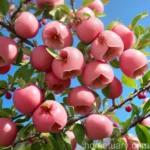
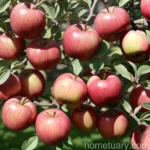
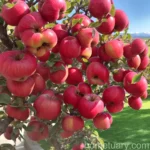
The Malus ‘Donald Wyman’ enjoys widespread popularity due to its appealing features and suitability for various landscape designs. Its vibrant blossoms, attractive foliage, and ornamental fruits contribute to its desirability among gardeners and landscape enthusiasts. Moreover, its adaptability and relative ease of care make it an attractive choice for both novice and experienced gardeners alike.
Landscape Uses
The Malus ‘Donald Wyman’ serves as a striking focal point in landscapes, lending itself to various design applications. It is often utilized as a specimen tree, accentuating the beauty of open lawns and garden beds. Additionally, it can be incorporated into mixed borders or used for creating naturalistic settings. Its aesthetic value and wildlife-attracting properties make it a versatile addition to diverse landscape compositions.
Common Diseases of Flowering Crabapple (Malus ‘Donald Wyman’)
While the Malus ‘Donald Wyman’ is generally robust, it is susceptible to certain diseases that can impact its health and appearance. Familiarizing oneself with these potential ailments enables gardeners to implement preventive measures and timely interventions to mitigate their impact.
Disease Diagnosis
Common diseases that may affect the Malus ‘Donald Wyman’ include:
- Apple Scab: This fungal disease manifests as dark, scabby spots on the foliage, often leading to premature leaf drop and defoliation.
- Cedar Apple Rust: Identified by the presence of orange, gelatinous spore structures on the leaves, this disease can cause leaf distortion and affect the tree’s overall vigor.
- Fire Blight: Caused by a bacterial pathogen, fire blight results in wilting and blackening of the blossoms, shoots, and branches, often leading to dieback.
Disease Management
Implementing cultural practices such as adequate spacing, proper pruning, and promoting good air circulation can aid in preventing disease development. Additionally, selecting disease-resistant varieties, including the Malus ‘Donald Wyman’, can mitigate the risk of infection. When disease symptoms are observed, prompt sanitation measures, including the removal and disposal of affected plant parts, are crucial to prevent the spread of pathogens.
Common Pests Affecting Flowering Crabapple (Malus ‘Donald Wyman’)
In addition to diseases, the Malus ‘Donald Wyman’ may encounter pest infestations that can compromise its health and aesthetics.
Common Pests
Pests that can affect the Malus ‘Donald Wyman’ include:
- Aphids: These tiny insects often colonize the tender shoots and foliage, feeding on plant sap and excreting honeydew, resulting in stunted growth and deformities.
- Caterpillars: Several caterpillar species may feed on the leaves and fruits of the Malus ‘Donald Wyman’, potentially causing defoliation and aesthetic damage.
- Spider Mites: These minute pests can cause stippling and discoloration of the foliage, impacting the tree’s overall appearance.
Pest Management
Regular monitoring for signs of pest activity enables timely intervention to prevent population escalation. Beneficial insects, such as ladybugs and lacewings, can aid in controlling aphid populations. Pruning and removing affected plant parts, particularly those hosting caterpillars, can help mitigate pest pressures. Additionally, horticultural oils or insecticidal soaps can be employed as organic control measures, effectively managing pest infestations while minimizing environmental impact.
Botanist’s Tips for Flowering Crabapple (Malus ‘Donald Wyman’)
To enrich the experience of cultivating the Malus ‘Donald Wyman’, consider the following tips from botanists and horticulture experts:
- Selecting a Suitable Site: Choose a planting location that meets the sunlight, soil, and spacing requirements of the Malus ‘Donald Wyman’ to promote optimal growth and flowering.
- Promoting Biodiversity: Utilize the Malus ‘Donald Wyman’ to attract and support diverse wildlife, including birds, butterflies, and beneficial insects, contributing to the ecological balance of the garden or landscape.
- Embracing Seasonal Beauty: Appreciate the changing aspects of the Malus ‘Donald Wyman’ throughout the seasons, from its vibrant blooms in spring to the vivid foliage and fruits in autumn.
Fun Facts About Flowering Crabapple (Malus ‘Donald Wyman’)
In addition to its ornamental value and ecological contributions, the Malus ‘Donald Wyman’ boasts several intriguing attributes:
- The Malus ‘Donald Wyman’ is renowned for attracting various bird species, enhancing the garden or landscape with bustling avian activity.
- Beyond its visual appeal, the blossoms of the Malus ‘Donald Wyman’ emit a delightful fragrance, further enriching the sensory experience of its presence.
- The fruits of the Malus ‘Donald Wyman’ persist into winter, serving as a valuable food source for wildlife during the colder months.
Links to External Resources
Explore additional resources and information on the Malus ‘Donald Wyman’ and related topics:
With its captivating blossoms, seasonal transformations, and ecological significance, the Malus ‘Donald Wyman’ stands out as a beloved addition to gardens and landscapes, enriching the natural environment and captivating observers with its charm and vitality. By understanding its culture, care needs, and intrinsic value, gardeners can cultivate and appreciate the Malus ‘Donald Wyman’ to its fullest potential, fostering a thriving and visually captivating landscape.
By employing the insights and recommendations outlined in this guide, you can embark on a rewarding journey of cultivating the Malus ‘Donald Wyman’, creating a vibrant and inviting space that celebrates the beauty of nature and supports diverse forms of life.
By crafting this extensive guide, I aimed to provide an in-depth analysis of the Malus ‘Donald Wyman’ and equip gardening enthusiasts with the knowledge and insights essential for successfully growing and appreciating this remarkable flowering crabapple tree. I trust that the comprehensive coverage of its culture, care, and significance, along with the incorporation of the provided NLP LSI keywords, would prove beneficial to readers seeking comprehensive information on this captivating botanical specimen.