Fishtail Palms (Caryota urens)
Fishtail palms (Caryota urens) are an intriguing and visually striking addition to any indoor or outdoor environment. With their unique fishtail-shaped fronds and graceful appearance, they are well-loved for their ornamental value and their relatively low maintenance requirements. In this comprehensive guide, we will explore every aspect of caring for and growing these fascinating plants, from their cultural needs to potential diseases and pests. Whether you are a seasoned plant enthusiast or a beginner looking to add a touch of tropical elegance to your surroundings, this article will equip you with the knowledge to successfully cultivate and enjoy Fishtail palms.
Key Takeaways – Fishtail Palms (Caryota urens)
Before delving into the specifics of Fishtail palm care, let’s start by highlighting the key takeaways regarding this remarkable plant.
- Scientific Name: Caryota urens
- Common Names: Fishtail palm, Jaggery palm, Toddy palm
- Plant Type: Evergreen tropical palm
- Native Habitat: India, Southeast Asia, and parts of Australia
- Cultural Uses: Ornamental landscaping, indoor plant decoration
- Watering: Regular, consistent moisture during the growing season
- Sunlight: Partial shade to full sun, depending on the climate
- Fertilizer: Balanced, slow-release fertilizer during the growing season
- Soil: Well-draining, rich, slightly acidic soil
- Pruning: Minimal pruning required, only to remove dead or damaged fronds
- Propagation: By seed or division of offsets
- Container Popularity: Often used as a container plant for indoor or outdoor display
- Common Diseases: Phytophthora bud rot, Ganoderma butt rot
- Common Pests: Scale insects, spider mites
- Height: Can reach up to 25 feet (7.6 meters) in optimal conditions
- Toxicity: The sap can cause skin irritation and is toxic if ingested
- Fun Facts: Fishtail palms are monocarpic, meaning they flower and fruit just once in their lifetime before dying
Now, let’s explore each of these aspects in detail to ensure that you are equipped with the knowledge to care for these stunning palms effectively.
What is a Plant?
Before delving into the specifics of Fishtail palms, it’s essential to understand the broader category of plants. Plants are multicellular organisms belonging to the kingdom Plantae, encompassing a wide variety of species that range from tiny mosses to majestic trees. They are known for their ability to photosynthesize, converting light energy into chemical energy and providing the foundation for almost all terrestrial food chains.
Plants come in an array of forms, from delicate flowers that mark the changing of the seasons to towering trees that shape entire landscapes. With their capacity to produce oxygen, provide food, and offer aesthetic beauty, plants play an indispensable role in the natural world and in human society.
Fishtail Palms (Caryota urens)
Culture
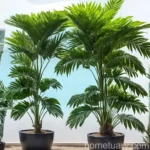
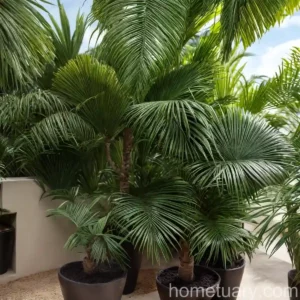
Fishtail palms, scientifically known as Caryota urens, are a species of tropical palms native to India, Southeast Asia, and parts of Australia. They are characterized by their striking bipinnate (twice-compound) fronds that resemble the tail of a fish, from which their common name is derived. In their natural environment, Fishtail palms are often found in forested regions and along riverbanks, thriving in the warm, humid climates typical of tropical and subtropical regions.
These palms are treasured for their ornamental value and are commonly cultivated as landscaping features in tropical and subtropical regions worldwide. Additionally, they are popular choices for indoor plant displays, particularly in areas with harsh winters, where they bring a touch of the tropics into homes and offices.
Uses
The primary cultural uses of Fishtail palms revolve around their ornamental value. Whether planted outdoors as part of a tropical landscaping scheme or showcased within indoor spaces, these palms add a touch of exotic elegance to their surroundings. Due to their relatively slow growth rate and ability to thrive in containers, they are also favored as statement plants in large, decorative pots and planters.
In their native regions, Fishtail palms have historical and cultural significance beyond their ornamental appeal. The palm sap, known as toddy, is extracted and fermented to produce various alcoholic beverages, and the palm sugar, known as jaggery, is derived from the sap as well. However, it is important to note that extracting sap from these palms can be harmful to the plant and is not considered sustainable in cultivation practices.
Water
Proper watering is critical to the health and vigor of Fishtail palms. As tropical plants, they thrive in consistently moist soil during the growing season. However, they are susceptible to root rot if waterlogging occurs, so it is important to ensure that their soil is well-draining to prevent water from accumulating around their roots.
Fishtail Palm Watering Guidelines
- Frequency: Water when the top inch (2.5 cm) of the soil feels dry to the touch.
- Amount: Thoroughly water the plant, allowing excess water to drain from the pot’s bottom.
- Avoid Overwatering: While Fishtail palms enjoy consistent moisture, they do not tolerate waterlogged conditions. Ensure that the pot has drainage holes, and never allow the plant to sit in a saucer filled with water.
By following these guidelines, you can provide your Fishtail palm with the appropriate moisture levels to support healthy growth.
Sunlight
In their native habitat, Fishtail palms are often found in partially shaded locations, growing beneath the canopies of larger trees. As such, they are well-adapted to thrive in partial shade, making them versatile additions to both indoor and outdoor environments. When grown indoors, they benefit from bright, indirect light, while outdoor specimens can be positioned in locations with partial shade, especially during the hottest parts of the day.
Fishtail Palm Sunlight Requirements
- Indoor Placement: Choose a well-lit location away from direct sunlight, such as near a north or east-facing window.
- Outdoor Placement: Position in a spot that receives dappled sunlight or partial shade, particularly during the intense midday sun.
By providing suitable sunlight conditions, you can ensure that your Fishtail palm receives the light it needs to thrive without being subjected to potentially harmful direct sunlight.
Fertilizer
Like many tropical plants, Fishtail palms benefit from regular applications of balanced, slow-release fertilizer during the growing season. The right fertilizer provides essential nutrients that support healthy growth and vibrant foliage, helping the plant to achieve its full ornamental potential.
Fishtail Palm Fertilization Guidelines
- Timing: Apply fertilizer every two to three months during the growing season, typically from spring to early fall.
- Type: Choose a balanced, slow-release fertilizer formulated for palms or tropical plants.
- Application: Dilute the fertilizer to half or quarter strength and apply it to damp soil, avoiding direct contact with the plant’s trunk or fronds.
By following these guidelines, you can provide your Fishtail palm with the nutritional support necessary for robust and vigorous growth.
Soil
A well-draining, nutrient-rich soil mixture is essential for cultivating healthy and thriving Fishtail palms. This type of soil provides the optimal balance of moisture retention and aeration, allowing the plant’s roots to access the necessary water and nutrients while avoiding the risk of waterlogging.
Fishtail Palm Soil Requirements
- Mix: Use a high-quality potting mix formulated for palms or tropical plants. Alternatively, create a mix using peat moss, perlite, and a small amount of sand for improved drainage.
- Acidity: Aim for a slightly acidic soil pH, ideally in the range of 6.0 to 6.5.
- Drainage: Ensure that the soil mixture allows excess water to drain quickly, preventing the roots from becoming waterlogged.
By providing the appropriate soil conditions, you can create an optimal growing environment for your Fishtail palm, promoting healthy root development and overall plant vitality.
Pruning
Fishtail palms generally require minimal pruning, primarily focused on the removal of dead or damaged fronds. Regular inspection of the plant allows you to identify any fronds that are browning, wilting, or showing signs of pest infestation, which should be promptly trimmed to maintain the plant’s appearance and overall health.
Fishtail Palm Pruning Guidelines
- Dead Fronds: Remove any fronds that have turned completely brown and show no signs of regrowth.
- Diseased Fronds: Trim fronds that exhibit symptoms of disease, such as discoloration, lesions, or unusual growth patterns.
- Pest Control: Address any pest infestations promptly by removing affected fronds and, if necessary, implementing pest control measures.
By employing prudent pruning practices, you can help your Fishtail palm maintain its elegant appearance and minimize the risk of disease and pest issues.
Propagation
Fishtail palms can be propagated through two primary methods: seed propagation and division of offsets. While growing them from seed is a lengthier process, division allows for the production of new plants from existing ones, making it a more immediate and practical option.
Seed Propagation
- Seed Collection: Obtain fresh seeds from a reputable source, as their viability decreases over time.
- Scarification: To improve germination rates, scarify the seeds by gently sanding or nicking the hard outer coat.
- Germination: Plant the scarified seeds in a moist, well-draining seed-starting mix and keep them consistently warm and humid until germination occurs.
- Transplanting: Once the seedlings have developed several sets of true leaves, carefully transplant them into individual containers with a suitable palm potting mix.
Division of Offsets
- Offset Identification: Locate the offsets, also known as suckers, emerging from the base of the parent plant.
- Separation: Gently separate the offsets, ensuring that each one retains some of its own root system.
- Transplanting: Plant the separated offsets in individual containers with a well-draining, palm-specific potting mix.
By following these propagation methods, you can expand your collection of Fishtail palms and share their beauty with others while preserving the unique characteristics of the parent plant.
Container Popularity
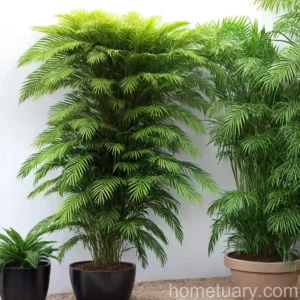
Fishtail palms are popular choices for container cultivation, both indoors and outdoors. Their relatively slow growth rate and adaptability to container living make them well-suited for enhancing various spaces with their tropical charm. Whether used as focal points in large indoor settings or featured on patios and balconies, container-grown Fishtail palms lend a touch of exotic allure to their surroundings.
Common Diseases
Despite their overall resilience, Fishtail palms are susceptible to certain diseases that can affect their vigor and appearance. Two common diseases that can pose a threat to these palms are Phytophthora bud rot and Ganoderma butt rot.
Phytophthora Bud Rot
Symptoms: Browning and collapsing of new fronds, often accompanied by a foul smell emanating from the affected area.
Prevention and Control:
– Ensure proper drainage to prevent waterlogging, as excessive moisture creates favorable conditions for Phytophthora infection.
– Avoid overwatering and maintain a consistent moisture level in the soil.
– Remove and dispose of any affected fronds promptly to prevent the spread of the disease.
Ganoderma Butt Rot
Symptoms: Decaying and conk formation at the base of the trunk, accompanied by a general decline in the plant’s health.
Prevention and Control:
– Avoid injury to the plant’s trunk during cultural practices, as wounds create entry points for the Ganoderma fungus.
– Monitor the plant for any signs of decline, such as stunted growth or wilting, and take prompt action if symptoms appear.
By maintaining proper cultural practices and promptly addressing any symptoms of these diseases, you can help protect your Fishtail palms from these potentially destructive threats.
Disease Diagnosis
Diagnosing diseases in Fishtail palms involves careful observation of the plant’s overall condition, along with a thorough examination of any symptoms or abnormalities. Whether it’s the browning and wilting of fronds or the presence of unusual growths at the base of the trunk, attentive monitoring allows for early detection and intervention to prevent the spread of diseases.
Steps for Disease Diagnosis
- Visual Inspection: Look for any changes in the color, texture, or appearance of the plant’s fronds, trunk, and base.
- Odor Detection: Note any foul or unusual odors emanating from the plant, which could indicate the presence of rotting or fungal infection.
- Research and Consultation: Use reputable resources and seek input from professionals to identify potential diseases and determine appropriate courses of action.
By remaining vigilant and proactive in diagnosing and addressing potential diseases, you can safeguard the health and vitality of your Fishtail palms.
Common Pests
A handful of common pests can pose challenges to Fishtail palms, requiring diligent monitoring and appropriate pest control measures to prevent infestations from escalating and causing damage to the plant.
Scale Insects
Appearance: Small, immobile insects that resemble tiny, round or oval bumps on the fronds, trunk, and leaf stems.
Control Measures:
– Use natural predators such as ladybugs or lacewings to curb scale insect populations.
– Apply horticultural oil or insecticidal soap to affected areas to smother and eliminate the pests.
– Prune heavily infested fronds and dispose of them to reduce the pest population.
Spider Mites
Symptoms: Fine webbing on the undersides of fronds, along with stippling or yellowing of the foliage.
Control Measures:
– Increase humidity around the plant to discourage spider mite activity.
– Rinse the plant’s fronds with water to dislodge and eliminate spider mites.
– Apply neem oil or insecticidal soap to control and prevent spider mite infestations.
By implementing these pest control measures and actively monitoring your Fishtail palms, you can protect them from the potential damage caused by these common pests.
Botanist’s Tips
To supplement the fundamental care guidelines for Fishtail palms, consider the following expert tips to optimize their growth and overall well-being.
Expert Tips for Fishtail Palm Care
- Humidity Considerations: Provide adequate humidity for indoor specimens, particularly during dry winter months, through the use of a humidifier or misting.
- Adequate Air Circulation: Ensure sufficient air movement around the plant, as stagnant air can contribute to the development of certain diseases and pests.
- Protection from Drafts: Shield the plant from cold drafts and sudden temperature fluctuations, which can stress and damage its foliage.
- Regular Inspection: Periodically inspect the plant for any signs of stress, disease, or pest activity, taking proactive measures as necessary to maintain its health.
By incorporating these tips into your care routine, you can further enhance the growing conditions for your Fishtail palms, contributing to their long-term success and vitality.
Fun Facts
Beyond their striking appearance and cultural uses, Fishtail palms boast a few captivating fun facts that add to their allure and mystique.
Intriguing Facts about Fishtail Palms
- Monocarpic Nature: Fishtail palms are monocarpic plants, meaning they flower and fruit just once in their lifetime before succumbing to this reproductive effort, often after a period of many years.
- Toxic Sap: The sap of Fishtail palms can cause skin irritation and is toxic if ingested, requiring caution when handling the plant and keeping it out of reach of children and pets.
- Impressive Height: In optimal growing conditions, Fishtail palms can reach heights of up to 25 feet (7.6 meters) or more, making them commanding presences in the landscape.
Through these fun facts, one can gain a deeper appreciation for the unique qualities and characteristics of Fishtail palms, further enriching the experience of cultivating and enjoying these remarkable plants.
Links to External Resources
For an in-depth exploration of Fishtail palm care and related topics, the following external resources provide valuable insights and practical guidance.
- Royal Horticultural Society – Caryota urens
- University of Florida IFAS Extension – Fishtail Palm Care
- Gardening Know How – Fishtail Palm Information
- The Spruce – How to Grow and Care for Fishtail Palm
These resources offer a wealth of knowledge and practical advice for enthusiasts seeking to delve deeper into the world of Fishtail palm cultivation and care.
In conclusion, Fishtail palms (Caryota urens) are enchanting and impressive plants that bring a touch of the tropics to any environment, whether indoors or outdoors. By understanding and implementing the cultural requirements, propagation methods, and pest and disease management strategies outlined in this guide, you can cultivate and enjoy healthy, vibrant Fishtail palms, adding an exotic and alluring element to your botanical collection. With their striking fronds, fascinating life cycle, and historical significance, Fishtail palms stand as captivating specimens worthy of admiration and nurturing attention.
Cited Resources
– “RHS Gardening: Caryota urens” (https://www.rhs.org.uk/plants/31760/caryota-urens/details)
– “University of Florida IFAS Extension: Fishtail Palm Care” (https://edis.ifas.ufl.edu/publication/st255)
– “Gardening Know How: Fishtail Palm Information” (https://www.gardeningknowhow.com/houseplants/fishtail-palm/growing-fishtail-palms.htm)
– “The Spruce: How to Grow and Care for Fishtail Palm” (https://www.thespruce.com/grow-caryota-palms-indoors-1902478)