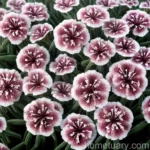
Fire Pink (Silene virginica): A Comprehensive Guide
In the world of plants, there are a vast array of species, each with their own unique characteristics and requirements. One such plant that captivates the eye with its vibrant and fiery appearance is the Fire Pink, scientifically known as Silene virginica. This stunning wildflower is not only visually striking but also holds cultural, ecological, and practical significance. In this extensive guide, we will delve into the intricacies of the Fire Pink, providing valuable insights into its cultivation, uses, habitat, and much more.
What is Fire Pink (Silene virginica)?
Fire Pink, or Silene virginica, is a perennial wildflower that is native to North America. It belongs to the Caryophyllaceae family and is characterized by its vibrant crimson-red flowers, which bloom in clusters atop slender stems. The plant typically reaches a height of 30-50 centimeters and is known for its ability to thrive in dry, rocky habitats.
Key Takeaways
Before delving into the detailed aspects of the Fire Pink, let’s outline some key takeaways about this fascinating plant:
- Plant Name: Fire Pink (Silene virginica)
- Common Name: Fire Pink
- Scientific Name: Silene virginica
- Family: Caryophyllaceae
- Native Range: North America
- Flower Color: Crimson-red
- Plant Type: Perennial wildflower
Now, let’s explore the essential aspects of growing and caring for the Fire Pink.
Culture
The culture of the Fire Pink encompasses various factors that contribute to its growth and overall well-being. This includes its habitat, growing conditions, and the cultural practices associated with its cultivation.
Habitat
Fire Pink is primarily found in dry, rocky woods, and open woods. It thrives in well-drained, acidic soils and is often spotted in disturbed areas such as roadsides and clearings. Its natural habitat also includes woodland edges and slopes, where it can receive ample sunlight while still being protected from intense heat.
Growing Conditions
When cultivating Fire Pink, it’s essential to consider the following growing conditions:
- Soil: Well-drained, acidic soil
- Water: Moderate to dry conditions
- Sunlight: Partial to full sun
- Climate: Thrives in temperate climates
The plant’s natural tendency to favor dry, rocky environments provides valuable insight into its preferred growing conditions. However, understanding the specific needs of the Fire Pink is crucial for successful cultivation.
Uses
The Fire Pink holds significance beyond its visual appeal, as it has several practical and cultural uses. Understanding the diverse applications of this wildflower can help us appreciate its value and ecological importance.
Cultural Significance
In some Native American cultures, the Fire Pink holds symbolic significance and is associated with various traditions and folklore. It has been used in traditional remedies and is revered for its natural beauty and vibrant blooms.
Ecological Importance
From an ecological perspective, Fire Pink serves as a valuable plant for wildlife, attracting pollinators such as butterflies and hummingbirds. Its bright flowers are an essential source of nectar and play a role in supporting biodiversity.
Aesthetic Value
In landscaping and garden design, Fire Pink can be used to add vibrant splashes of color to naturalistic settings. Its striking appearance makes it a popular choice for wildflower gardens and natural landscapes.
Water
Appropriate watering practices are essential for the health and vitality of the Fire Pink. As a plant that thrives in dry environments, it exhibits a level of drought tolerance, but still requires some level of moisture to flourish.
Watering Guidelines
- Establishment Period: During the initial establishment phase, regular watering is essential to help the plant develop a robust root system. This is particularly important when growing Fire Pink from seed or transplanting young seedlings.
- Mature Plants: Once established, Fire Pink can thrive in moderate to dry conditions. While occasional deep watering during prolonged dry spells may be beneficial, it’s important to avoid overwatering, as this can lead to root rot and other issues.
Understanding the water needs of the Fire Pink and adjusting watering practices based on its growth stage and environmental conditions is crucial for its long-term health.
Sunlight
As with many plants, sunlight plays a pivotal role in the growth and flowering of the Fire Pink. Understanding its sunlight requirements is essential for providing an optimal growing environment.
Sun Exposure
Fire Pink thrives in partial to full sun, making it well-suited for locations with ample sunlight. When grown in partial shade, it may exhibit slightly reduced flowering compared to plants receiving full sun. Therefore, selecting a site with sufficient sunlight is crucial for maximizing the plant’s ornamental value.
Sunlight Considerations
When choosing a planting location for Fire Pink, consider the following sunlight-related factors:
- Orientation: Select a site that receives sunlight for a significant portion of the day, especially in the morning and early afternoon.
- Shade: Avoid areas with dense, prolonged shade, as this can negatively impact the plant’s overall vigor and flowering capacity.
Providing the appropriate amount of sunlight is key to ensuring that the Fire Pink can thrive and produce its characteristic vibrant blooms.
Fertilizer
While Fire Pink is adapted to thrive in nutrient-poor soils, strategic fertilization can support its growth and flowering, especially in less-than-ideal soil conditions.
Fertilization Approach
When considering fertilization for Fire Pink, it’s crucial to adopt a conservative approach. Excessive nitrogen or phosphorus can lead to excessive foliage growth at the expense of flowering, which is contrary to the desired outcome.
Organic Amendments
Incorporating organic matter such as compost or well-rotted manure into the soil before planting can provide a gentle, slow-release source of nutrients. This supports the plant’s initial establishment without overwhelming it with high concentrations of synthetic fertilizers.
Controlled-release Fertilizers
If fertilization is deemed necessary, selecting a controlled-release, low-nitrogen fertilizer can help minimize the risk of excessive vegetative growth. A balanced fertilizer with a lower nitrogen content can be applied in moderation during the growing season to support the Fire Pink’s overall health.
Balancing the plant’s minimal nutrient requirements with judicious fertilization practices is essential for maintaining its natural growth habits and floral display.
Soil
The soil composition and structure play a crucial role in determining the performance of the Fire Pink. Understanding the plant’s soil preferences and making appropriate adjustments can significantly impact its growth and vitality.
Soil Type
Fire Pink thrives in well-drained, acidic soils, reflecting its affinity for dry, rocky environments. When selecting a planting site, it’s important to assess the soil’s drainage and pH to ensure it aligns with the plant’s requirements.
Soil Amendments
If the soil is not naturally acidic, amending it with organic materials such as peat moss or compost can help lower the pH and create a more suitable growing environment for Fire Pink. These amendments not only enhance soil acidity but also contribute to improved soil structure and moisture retention.
Mulching
Applying a layer of organic mulch around the base of Fire Pink plants can help moderate soil temperature, retain moisture, and suppress weed growth. Organic mulches such as pine straw or shredded bark also contribute to the gradual enrichment of the soil as they decompose.
By selecting an appropriate planting site and making targeted soil amendments, it is possible to create an optimal growing environment for Fire Pink that closely mimics its natural habitat.
Pruning
Pruning plays a role in maintaining the shape and overall health of the Fire Pink. While this plant generally requires minimal pruning, there are certain considerations to keep in mind to ensure its continued vigor and aesthetic appeal.
Deadheading
Removing spent flowers through deadheading not only encourages the formation of new blooms but also prevents the plant from expending energy on seed production. This supports the Fire Pink’s flowering capacity and helps prolong the blooming period.
Maintenance Pruning
While Fire Pink typically has a compact growth habit and does not require extensive pruning, occasional removal of dead or damaged foliage can help maintain its overall appearance and reduce the risk of disease development.
Timing
Pruning and deadheading activities are best carried out as needed throughout the growing season. Regular inspection of the plant allows for the timely removal of spent blooms and any non-vigorous growth.
By implementing minimal, targeted pruning practices, it is possible to enhance the aesthetic appeal and overall health of the Fire Pink without disrupting its natural growth habits.
Propagation
The propagation of Fire Pink involves methods such as seed sowing and division. Understanding these propagation techniques allows for the generation of new plants, whether for personal enjoyment or conservation efforts.
Seed Propagation
- Collection: Fire Pink seeds can be collected from mature seed capsules once they have ripened and turned brown. Ensure that the capsules are fully dry before removing the seeds to prevent premature germination.
- Sowing: Sow the seeds in a well-draining, acidic medium and lightly cover them with soil. Provide consistent moisture to support germination and early growth.
Division
- Established Plants: Fire Pink clumps can be carefully divided in early spring to create new plants. This process involves gently separating the root mass and replanting the divisions in suitable locations.
By employing these propagation methods, it is possible to expand the presence of Fire Pink in suitable habitats and garden settings while preserving the genetic diversity of the species.
Container Popularity
While Fire Pink is well-adapted to naturalistic settings and wildflower gardens, it can also be cultivated in containers for those seeking to appreciate its beauty in a confined space.
Container Selection
When growing Fire Pink in containers, select pots or planters with adequate drainage holes to prevent waterlogging. Additionally, choosing containers with a slightly acidic potting mix can help replicate the plant’s preferred soil conditions.
Placement
Position the containers in areas that receive sufficient sunlight, as Fire Pink thrives in partial to full sun. Regular monitoring of moisture levels is also essential when growing Fire Pink in containers to ensure that they do not dry out excessively.
Aesthetic Appeal
The compact growth habit and vivid flowers of Fire Pink make it an attractive choice for container gardening, adding vibrant pops of color to patios, balconies, and small garden spaces.
By embracing container cultivation, individuals with limited outdoor space can still enjoy the ornamental and ecological benefits of Fire Pink.
Common Diseases
While Fire Pink is relatively resistant to diseases, it is important to be aware of potential issues that can affect its health. Understanding common diseases and their management strategies is crucial for maintaining the vitality of Fire Pink plants.
Crown Rot
Excessive soil moisture or poor drainage can lead to crown rot in Fire Pink, causing the plant to exhibit wilting, yellowing foliage, and overall decline. Preventive measures such as improving soil drainage and avoiding overwatering can help mitigate this issue.
Powdery Mildew
Under conditions of high humidity and inadequate air circulation, Fire Pink plants may be susceptible to powdery mildew. Fungal infections can manifest as powdery, white patches on the foliage. To address this issue, ensure proper spacing between plants and promote good air circulation.
Leaf Spot
Various fungal pathogens can cause leaf spot diseases in Fire Pink, resulting in the development of dark, circular lesions on the foliage. To manage this issue, practice sanitation by removing and disposing of affected plant material and avoid overhead watering to reduce moisture on the leaves.
By familiarizing oneself with these potential diseases and implementing proactive measures, it is possible to safeguard the Fire Pink from common issues that can compromise its health and appearance.
Disease Diagnosis
Diagnosing diseases in Fire Pink involves careful observation and an understanding of common symptoms associated with specific pathogens. By recognizing the signs of disease, appropriate management strategies can be implemented to address the issue effectively.
Symptom Identification
- Visual Changes: Look for visual cues such as wilting, yellowing, or spots on the foliage.
- Inspect Foliage: Carefully examine the leaves for any abnormal discoloration, lesions, or powdery growth.
- Assess Stem and Root Health: Check the base of the stems and the root system for signs of rot or decay.
Pathogen Identification
In some cases, it may be necessary to consult with a plant pathologist or extension service for accurate pathogen identification. This can help tailor management strategies to the specific disease affecting the Fire Pink.
Management
Once the disease has been accurately diagnosed, appropriate management practices such as adjusting watering routines, improving air circulation, or applying targeted treatments can be implemented to mitigate the issue and prevent its recurrence.
By promptly diagnosing diseases and implementing proactive measures, it is possible to preserve the health and vitality of Fire Pink plants.
Common Pests
Although Fire Pink is not highly susceptible to pest infestations, there are certain insects and pests that may pose occasional challenges. Understanding these potential pests and their management is essential for safeguarding the plant’s well-being.
Aphids
Aphids can occasionally be found on Fire Pink, feeding on the plant’s sap and excreting honeydew. Regular inspection of the plant can help detect aphid infestations early, and natural predators such as lady beetles can contribute to controlling their populations.
Spider Mites
Under hot, dry conditions, spider mites may infest Fire Pink, causing stippling and webbing on the foliage. Boosting humidity levels and applying insecticidal soaps or horticultural oils can help manage spider mite populations.
Slugs and Snails
These mollusks may feed on the tender foliage and flowers of Fire Pink, causing conspicuous damage. Implementing cultural controls such as handpicking and using barriers can help protect the plant from slug and snail damage.
By remaining vigilant for signs of pest activity and implementing appropriate management practices, it is possible to minimize the impact of pests on Fire Pink plants.
Botanist’s Tips
As a botanist, embracing best practices can contribute to the successful cultivation and enjoyment of Fire Pink plants. Here are some valuable tips for those seeking to cultivate and appreciate this remarkable wildflower:
1. Selecting Suitable Locations
Choose planting sites that align with the Fire Pink’s natural habitat, providing well-drained, acidic soils and partial to full sun exposure.
2. Watering Wisely
Balance the plant’s natural drought tolerance with strategic watering to support its growth without promoting excessive soil moisture.
3. Cultural Appreciation
Explore the cultural and ecological significance of Fire Pink, gaining a deeper understanding of its uses and value in naturalistic settings.
4. Encouraging Wildlife
Promote biodiversity by cultivating Fire Pink to attract and nourish pollinators, contributing to the ecological balance in your garden or local habitat.
5. Disease Prevention
Implement preventive measures to minimize the risk of common diseases and pests, maintaining the health and vitality of Fire Pink plants.
By incorporating these tips into your approach to cultivating Fire Pink, you can enhance your experience with this captivating wildflower and contribute to its conservation.
Fun Facts
- Native Charm: Fire Pink is native to North America and holds significant cultural and ecological value in its natural habitat.
- Ecological Role: The vibrant blooms of Fire Pink serve as essential nectar sources for pollinators, adding to the biodiversity of its surroundings.
- Enduring Beauty: Despite its delicate appearance, Fire Pink exhibits resilience and thrives in challenging, rocky environments.
These fun facts provide a glimpse into the fascinating attributes and ecological importance of Fire Pink, further enriching the experience of cultivating and appreciating this stunning wildflower.
Links to External Resources
For further information about Fire Pink and related topics, explore these valuable external resources:
- Native Plant Database – Fire Pink (Silene virginica)
- United States Department of Agriculture – Silene virginica
- Lady Bird Johnson Wildflower Center – Fire Pink
- North Carolina State Extension – Fire Pink
These resources hold a wealth of information about Fire Pink, including its natural history, ecological significance, and cultivation guidelines.
In conclusion, the Fire Pink (Silene virginica) stands as a captivating and ecologically valuable wildflower, captivating observers with its vibrant blooms and cultural significance. By understanding its preferences, uses, and ecological role, enthusiasts can cultivate and appreciate this striking plant while contributing to the preservation of native flora and biodiversity.
In this extensive guide, we have explored the intricacies of Fire Pink (Silene virginica), providing valuable insights into its cultivation, uses, habitat, and much more. From cultural significance to practical tips for cultivation, this comprehensive resource seeks to equip enthusiasts and conservationists with the knowledge to appreciate and preserve this captivating wildflower. Whether you are a gardener, naturalist, or simply an admirer of native plants, the Fire Pink holds a place of significance in the rich tapestry of North American flora.