File Leafed Haworthia (Haworthia Limifolia Marloth)
Haworthia Limifolia Marloth, commonly known as File Leafed Haworthia, is a stunning succulent plant that belongs to the Asphodelaceae family. Native to.
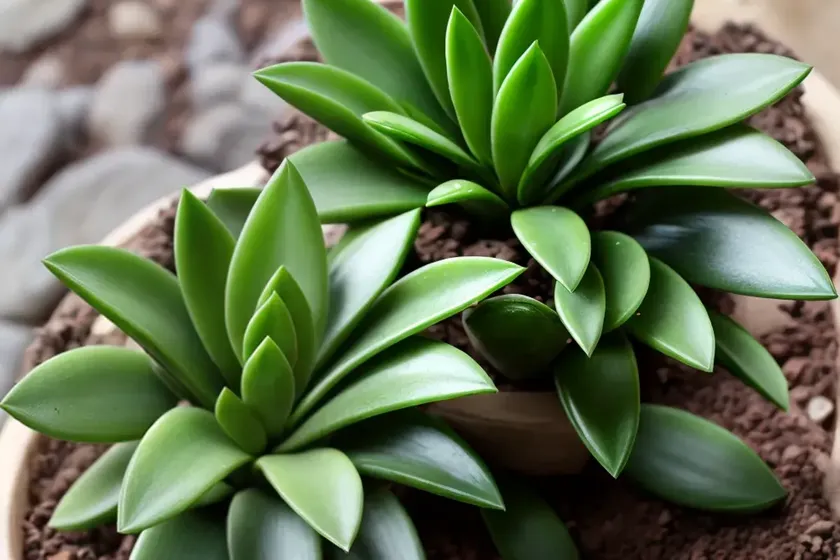
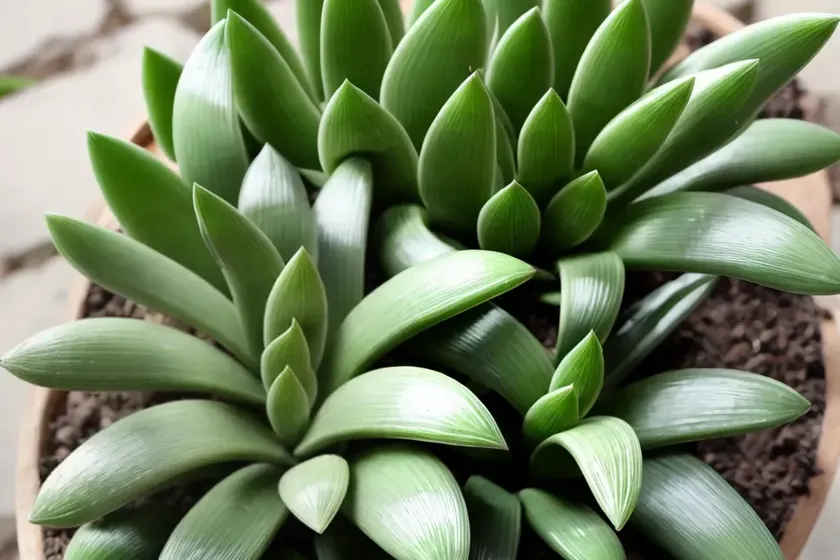
Haworthia Limifolia Marloth, commonly known as File Leafed Haworthia, is a stunning succulent plant that belongs to the Asphodelaceae family. Native to South Africa, this plant is favored for its distinctive appearance and low maintenance requirements, making it a popular choice for both indoor and outdoor cultivation. In this comprehensive care guide, we will explore the key characteristics of File Leafed Haworthia and provide valuable insights into its cultivation, propagation, and maintenance. Whether you are a seasoned plant enthusiast or a beginner looking to enhance your green thumb, this guide will equip you with the essential knowledge to nurture and appreciate the beauty of File Leafed Haworthia.
What is File Leafed Haworthia (Haworthia Limifolia Marloth)?
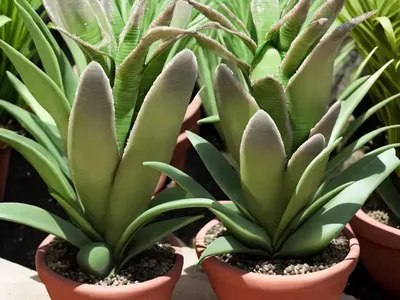
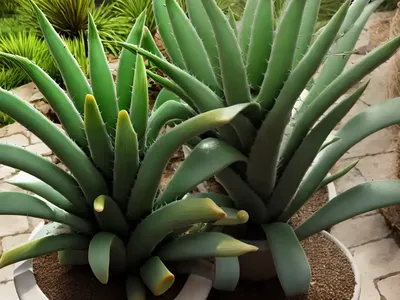
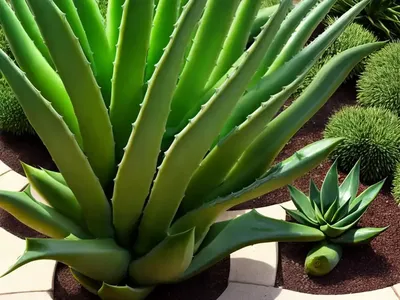
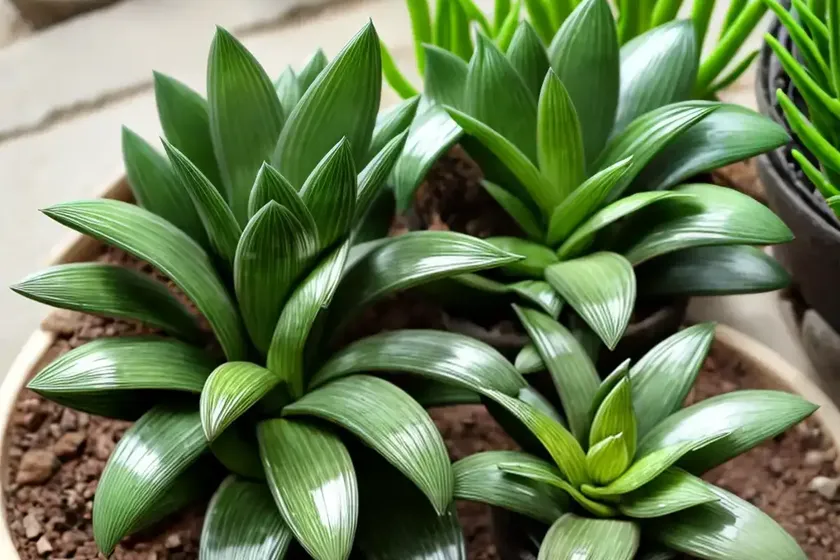
File Leafed Haworthia, scientifically known as Haworthia Limifolia Marloth, is a species of succulent plant renowned for its striking rosette of thick, triangular leaves adorned with pronounced ridges along the margins, resembling the serrated edge of a file. This distinctive feature lends the plant its common name, File Leafed Haworthia, and contributes to its visual allure. The succulent nature of the leaves enables the plant to thrive in arid environments by storing water within its fleshy tissues, making it well-suited for dry and low-maintenance settings.
Key Takeaways – File Leafed Haworthia (Haworthia Limifolia Marloth)
Before delving into the detailed care guidelines for File Leafed Haworthia, let’s summarize the essential aspects of cultivating and tending to this remarkable succulent:
-
File Leafed Haworthia Characteristics: The plant is characterized by its compact rosette of triangular leaves with distinctive ridges along the margins, giving it a file-like appearance. It belongs to the Asphodelaceae family and is native to South Africa.
-
Growing File Leafed Haworthia Indoors: File Leafed Haworthia thrives in indoor settings, making it an ideal choice for those seeking to introduce a touch of natural elegance to their homes or offices.
-
Haworthia Limifolia Marloth Propagation Tips: Propagating File Leafed Haworthia can be achieved through leaf cuttings and offsets, providing an opportunity to expand your collection or share the joy of growing this unique plant with others.
-
File Leafed Haworthia Sunlight Requirements: The plant prefers bright, indirect sunlight and can tolerate partial shade, making it adaptable to various light conditions.
-
Best Soil for Haworthia Limifolia Marloth: Well-draining, sandy soil with added perlite or coarse sand is ideal for File Leafed Haworthia, ensuring proper drainage and preventing waterlogging.
-
File Leafed Haworthia Watering Guide: Practicing a cautious approach to watering, allowing the soil to dry out between watering sessions, is crucial for maintaining the plant’s health and vitality.
-
Common Problems with Haworthia Limifolia Marloth: Awareness of potential issues such as overwatering, sunburn, and pest infestations is imperative for safeguarding the well-being of File Leafed Haworthia.
Now, let’s explore each of these aspects in greater detail to gain a comprehensive understanding of how to care for File Leafed Haworthia.
Cultivation and Care Guidelines
Cultivating File Leafed Haworthia requires attention to several key factors, encompassing the plant’s water, sunlight, soil, and overall maintenance. By adhering to the following guidelines, you can ensure that your File Leafed Haworthia thrives and flourishes in its environment.
Water
Proper watering is a critical aspect of File Leafed Haworthia care. Like many succulent plants, File Leafed Haworthia is susceptible to root rot if subjected to excessive moisture. To maintain the plant’s health, it is essential to follow a cautious approach to watering and prioritize the preservation of well-draining soil conditions.
File Leafed Haworthia Watering Guide:
-
Frequency: Water File Leafed Haworthia sparingly, allowing the soil to dry out almost entirely between waterings. Depending on environmental factors such as temperature and humidity, aim to water the plant approximately every 2-3 weeks during the growing season. In winter, when the plant experiences dormancy, reduce watering frequency to prevent waterlogged soil.
-
Watering Technique: When watering File Leafed Haworthia, apply water directly to the soil around the base of the plant, avoiding wetting the leaves excessively. This helps prevent moisture-related issues and minimizes the risk of fungal diseases.
-
Soil Moisture Evaluation: Before watering, assess the moisture level of the soil by inserting a finger into the growing medium. If the soil feels dry to the touch, it is an indication that the plant requires watering. Conversely, if the soil is still moist, postpone watering until the topsoil becomes dry.
By adhering to these watering guidelines, you can safeguard File Leafed Haworthia from the detrimental effects of overwatering while promoting its vigor and resilience.
Sunlight
Proper sunlight exposure is vital for the well-being of File Leafed Haworthia. As a succulent plant adapted to arid environments, File Leafed Haworthia thrives in bright, indirect sunlight and can also tolerate partial shade. Understanding the plant’s sunlight requirements enables you to create an optimal growing environment that supports its photosynthetic processes and overall growth.
File Leafed Haworthia Sunlight Requirements:
-
Indoor Placement: When cultivating File Leafed Haworthia indoors, position the plant near a bright, south-facing window to provide it with ample indirect sunlight. Alternatively, east or west-facing windows can also serve as suitable locations, ensuring that the plant receives sufficient brightness without being subjected to harsh, direct sunlight.
-
Outdoor Cultivation: In outdoor settings, select a spot for File Leafed Haworthia that offers partial shade, especially during the intense midday sun. A sheltered location with dappled sunlight or gentle exposure to morning and late afternoon sun is favorable for the plant’s growth and vitality.
-
Adjusting Light Conditions: During periods of intense heat or prolonged sunlight exposure, monitor the plant for signs of stress such as leaf discoloration or wilting. If necessary, provide temporary shade or relocate the plant to a more sheltered area to protect it from excess sun exposure.
By maintaining a balanced approach to sunlight provision, you can ensure that File Leafed Haworthia receives the light it needs to thrive while safeguarding it from the potential negative effects of excessive sun exposure.
Soil
Selecting the appropriate soil and ensuring proper drainage are crucial for fostering the health and resilience of File Leafed Haworthia. The plant thrives in well-draining, sandy soil that mimics its natural habitat, promoting optimal root health and preventing waterlogged conditions that can compromise its well-being.
Best Soil for Haworthia Limifolia Marloth:
-
Composition: The ideal growing medium for File Leafed Haworthia consists of a well-balanced mix that ensures both excellent drainage and sufficient aeration. A combination of cactus or succulent potting mix with added perlite or coarse sand helps create an optimal growing medium that supports the plant’s water retention abilities and minimizes the risk of soil compaction.
-
Drainage Considerations: Prioritize the use of containers with drainage holes to facilitate the expulsion of excess water, preventing the accumulation of moisture at the root level. Additionally, incorporating a layer of gravel or pebbles at the base of the pot enhances drainage and mitigates the risk of waterlogging.
-
Moisture Management: Balance the need for proper drainage with the plant’s moisture preferences, ensuring that the soil does not dry out excessively between waterings while avoiding prolonged soil saturation.
By selecting a well-draining, nutrient-rich growing medium and prioritizing proper soil moisture management, you can create an ideal foundation for File Leafed Haworthia’s growth and vitality.
Fertilizer
Fertilization plays a supplementary role in supporting the growth and overall health of File Leafed Haworthia. While the plant’s minimal nutrient requirements are typically met through its growing medium, the occasional application of diluted fertilizer can provide a boost during the growing season, promoting robust and vibrant growth.
File Leafed Haworthia Fertilizing Tips:
-
Frequency: Apply a diluted, balanced liquid fertilizer to File Leafed Haworthia once every 2-4 weeks during the active growing season, generally spanning from late spring to early fall. Refrain from fertilizing the plant during its dormant period in winter, as its nutrient uptake and growth rate diminish during this phase.
-
Dilution: When fertilizing File Leafed Haworthia, dilute the fertilizer to half or one-quarter of the recommended strength to avoid the risk of overfertilization, which can be detrimental to the plant’s well-being.
-
Application Technique: Apply the diluted fertilizer to the damp soil around the base of the plant, ensuring that it is thoroughly absorbed and distributed into the growing medium. This helps facilitate the plant’s uptake of essential nutrients while preventing potential fertilizer burn.
By incorporating a cautious and mindful approach to fertilization, you can provide File Leafed Haworthia with the supplemental nutrients it needs to thrive while minimizing the risk of nutrient excess and related complications.
Pruning
Pruning File Leafed Haworthia is a straightforward process that primarily involves the removal of dried or withered leaves and minimal maintenance to shape the plant’s appearance. By practicing occasional pruning, you can enhance the plant’s aesthetic appeal and promote a tidy and well-groomed appearance.
File Leafed Haworthia Pruning Techniques:
-
Removal of Withered Leaves: Regularly inspect File Leafed Haworthia for any dried or withered leaves, gently grasping them near the base and carefully detaching them from the plant. Use clean, sanitized pruning shears or scissors to trim any persistent or stubborn remnants, ensuring that the plant’s overall appearance remains neat and vibrant.
-
Shaping: As the plant grows, you may choose to adjust its shape or size by selectively removing offset clusters or excessively crowded leaves, creating a more balanced and visually appealing arrangement. Exercise caution and moderation when shaping File Leafed Haworthia, prioritizing the preservation of healthy growth points and avoiding excessive pruning that may compromise the plant’s vigor.
By incorporating regular pruning into your maintenance routine, you can contribute to the ongoing health and beauty of File Leafed Haworthia while promoting a well-kept and flourishing appearance.
Propagation
The propagation of File Leafed Haworthia offers an exciting opportunity to expand your succulent collection or share the joy of growing this unique plant with others. By utilizing simple and effective propagation techniques, you can multiply File Leafed Haworthia and nurture new generations of these captivating succulents.
Haworthia Limifolia Marloth Propagation Tips:
-
Leaf Cuttings: Propagate File Leafed Haworthia through leaf cuttings by carefully detaching healthy leaves from the parent plant, allowing the cut ends to callus for a day or two, and then placing them on a bed of well-draining, moist soil. Over time, the leaf cuttings will develop roots and initiate the growth of new plants.
-
Offsets: File Leafed Haworthia produces offsets or “pups” as part of its natural growth cycle. These offsets can be gently separated from the parent plant and transplanted into individual containers with suitable growing conditions. By nurturing these offsets, you can establish new File Leafed Haworthia plants and expand your collection.
By embracing the art of propagation and experimenting with these techniques, you can enjoy the rewarding process of nurturing File Leafed Haworthia from its early stages and witnessing the growth and development of new plants.
Container Gardening
File Leafed Haworthia is well-suited for container gardening, making it an excellent choice for those seeking to enhance their indoor or outdoor spaces with the natural elegance of succulent plants. By selecting suitable containers and providing optimal growing conditions, you can create a charming and distinctive display featuring File Leafed Haworthia.
File Leafed Haworthia Container Selection:
-
Material: Choose containers made of porous materials such as terracotta or ceramic, which facilitate air circulation and contribute to the maintenance of proper soil moisture levels. The breathable nature of these containers supports the well-being of File Leafed Haworthia and helps prevent waterlogged conditions.
-
Drainage: Prioritize containers equipped with drainage holes to promote the expulsion of excess water and prevent the accumulation of moisture at the root level. Additionally, incorporate a layer of gravel or pebbles at the base of the pot to further enhance drainage and safeguard the plant’s root system.
-
Size and Configuration: Select a container that accommodates the plant’s current size while allowing room for gradual growth. Avoid excessively large containers that may retain excessive moisture and compromise the plant’s well-being.
By thoughtfully selecting and arranging containers for File Leafed Haworthia, you can create captivating indoor and outdoor displays that showcase the plant’s unique beauty and contribute to the overall ambiance of your living spaces.
Common Diseases and Pests
Despite its resilience, File Leafed Haworthia is susceptible to certain diseases and pests that can hinder its growth and vitality if left unchecked. By familiarizing yourself with common issues and adopting preventive measures, you can safeguard the plant from potential health complications and sustain its long-term well-being.
Common Diseases
Disease Diagnosis:
-
Fungal Infections: File Leafed Haworthia may be vulnerable to fungal diseases such as root rot and leaf spot if exposed to excessive moisture or prolonged dampness. Symptoms include soft, discolored, or water-soaked roots, as well as blotchy or disfigured spots on the leaves. To prevent fungal infections, prioritize well-draining soil and cautious watering practices.
-
Bacterial Issues: Bacterial infections can manifest as soft, mushy lesions on the leaves or stems, accompanied by discoloration and deterioration of affected plant parts. Maintain cleanliness and sterile conditions when handling the plant to minimize the risk of bacterial spread.
-
Viral Concerns: Viral diseases can cause varied symptoms such as stunted growth, distorted leaves, and irregular patterns or streaks on the foliage. There are no specific treatments for viral infections, emphasizing the importance of preventing their occurrence through strong plant care practices.
Common Pests
Pest Infestations:
-
Mealybugs: These small, white insects have a waxy appearance and tend to cluster on the undersides of leaves or in leaf axils, feeding on the plant’s sap and potentially causing wilting or yellowing of foliage. Address mealybug infestations by gently removing the pests with a cotton swab dipped in alcohol and monitoring the plant for any recurring signs of infestation.
-
Spider Mites: These tiny arachnids can be detected by the fine webbing they produce around the leaf clusters, accompanied by stippled or discolored areas on the foliage. Mitigate spider mite populations through regular misting to increase humidity levels and the application of insecticidal soap as a control measure.
By remaining vigilant and attentive to the plant’s health, you can detect potential issues at an early stage and take proactive measures to mitigate diseases and address pest concerns effectively.
Botanist’s Tips
Drawing from the expertise of botanists and horticultural specialists, we can glean valuable insights and practical tips that contribute to the success of cultivating File Leafed Haworthia.
Haworthia Limifolia Marloth Growth Habits
Understanding the natural growth habits of File Leafed Haworthia provides valuable guidance for creating an environment that caters to the plant’s specific needs. By recognizing the plant’s growth patterns and adaptations, you can establish a nurturing space that enhances its well-being and promotes optimal growth.
Growth Habit Considerations:
-
Rosette Formation: File Leafed Haworthia exhibits a distinctive rosette growth habit, with thick, succulent leaves arranged in a compact and symmetrical manner. Emphasize the preservation of the rosette structure through moderate pruning and minimal disturbance to the plant’s central growth point.
-
Slow Growth Rate: File Leafed Haworthia maintains a relatively slow growth rate, particularly in indoor settings. Exercise patience and avoid overfertilization or excessive watering in anticipation of rapid growth, allowing the plant to develop at its natural pace.
-
Seasonal Dynamics: Acknowledge the impact of seasonal changes on the plant’s growth and adapt your care routine to accommodate shifts in light, temperature, and moisture requirements. By aligning your approach with the plant’s natural cycle, you can promote harmonious growth and minimize stress.
File Leafed Haworthia Dormancy Period
File Leafed Haworthia experiences a period of dormancy during winter, signaling a temporary slowdown in its growth and metabolic activity. Recognizing and respecting the plant’s dormancy period is essential for providing the necessary conditions that support its health and sustained vitality.
Winter Care Considerations:
-
Reduced Watering: During the plant’s dormancy, reduce watering frequency and volume to align with its diminished metabolic needs. By decreasing moisture input, you can prevent waterlogged conditions and minimize the risk of root rot during the dormant phase.
-
Moderated Light Exposure: While File Leafed Haworthia still benefits from bright, indirect light during dormancy, be mindful of exposure to intense sunlight and make adjustments as needed to prevent potential stress or sunburn.
-
Cautious Fertilization: Refrain from fertilizing File Leafed Haworthia during its dormant period, as the plant’s reduced nutrient uptake and growth rate render additional fertilization unnecessary. Resume fertilization in spring, as the plant transitions back to its active growth phase.
Understanding and accommodating File Leafed Haworthia’s dormancy period allows you to establish a supportive environment that promotes the plant’s well-being and provides for its unique seasonal requirements.
Fun Facts
Discover intriguing and captivating details about File Leafed Haworthia that deepen your appreciation for this remarkable succulent and enrich your understanding of its natural history and attributes.
Key Insights:
-
Air Purification Benefits: File Leafed Haworthia possesses air purification abilities, contributing to the removal of harmful toxins from indoor environments and enhancing air quality. The plant’s photosynthetic processes and transpiration assist in filtering airborne pollutants, creating a healthier living space.
-
Pet-Friendly Characteristics: File Leafed Haworthia exhibits pet-friendly traits, making it a suitable choice for homes with curious pets. However, it is advisable to place the plant out of reach to prevent accidental ingestion by pets.
-
Natural Habitat: In its native habitat of South Africa, File Leafed Haworthia thrives in arid and semi-arid regions, showcasing its adaptability to harsh environmental conditions and drought-prone landscapes.
By immersing yourself in these fun facts, you can gain a deeper connection to File Leafed Haworthia and appreciate the remarkable attributes that make this plant a captivating addition to curated indoor gardens and succulent collections.
External Resources
As you embark on your journey of cultivating and caring for File Leafed Haworthia, the following external resources offer valuable guidance, insights, and support to complement your knowledge and enhance your experience with this exceptional