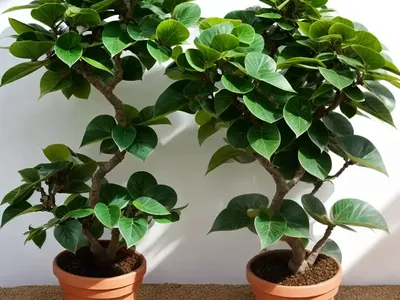
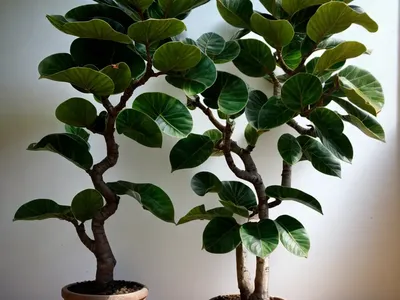
Ficus Everest (Ficus Sp ‘everest’)
Plants are an integral part of our environment and play a crucial role in our lives. They not only provide us with oxygen but also enhance the aesthetic.

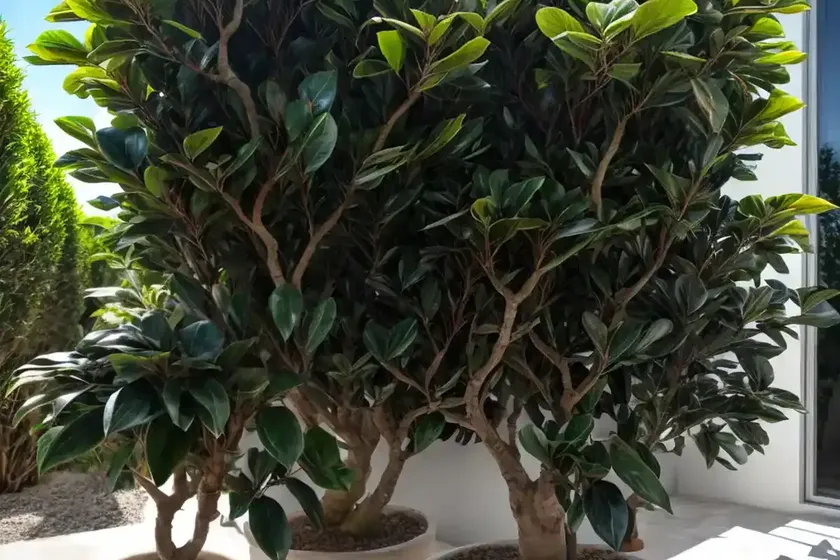
Plants are an integral part of our environment and play a crucial role in our lives. They not only provide us with oxygen but also enhance the aesthetic appeal of our surroundings. One such captivating plant is the Ficus Everest (Ficus sp ‘Everest’). In this comprehensive guide, we will delve into the intricacies of this plant, covering its culture, uses, care, diseases, and much more.
What is Ficus Everest (Ficus sp ‘Everest’)?
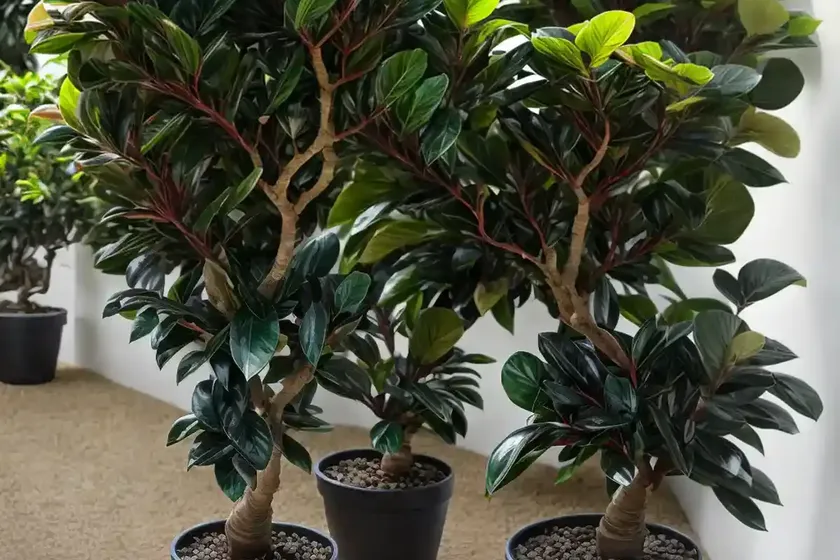
The Ficus Everest, scientifically known as Ficus sp ‘Everest’, is a stunning evergreen tree that belongs to the Moraceae family. This hybrid cultivar is a popular choice among plant enthusiasts due to its attractive, variegated foliage and relatively low maintenance requirements. Its leaves are adorned with a striking blend of dark green and creamy white, providing a beautiful contrast that brightens up any space.
Key Takeaways – Ficus Everest (Ficus sp ‘Everest’)
Before we delve into the nitty-gritty of Ficus Everest care, propagation, and more, let’s take a quick look at the key takeaways of this plant:
- Ficus Everest (Ficus sp ‘Everest’) boasts variegated, evergreen foliage, making it a visually appealing addition to indoor and outdoor spaces.
- This plant thrives in well-draining soil, necessitating moderate watering and indirect sunlight for optimal growth.
- Regular pruning helps maintain the Ficus Everest’s desired shape and size, ensuring a healthy and vibrant appearance.
- Propagation can be carried out through methods such as stem cuttings, providing an opportunity to expand your Ficus sp ‘Everest’ collection.
Now that we have a general understanding of this captivating plant, let’s explore its various aspects in greater detail.
Culture
Uses
The Ficus sp ‘Everest’ serves both aesthetic and functional purposes, making it a versatile addition to any setting. Some of its prominent uses include:
- Indoor Ornament: The variegated foliage adds an elegant touch to interior spaces, serving as a natural decor element.
- Air Purification: Like many other Ficus varieties, the Ficus Everest contributes to air purification, enhancing indoor air quality.
- Privacy Barrier: When grown outdoors, it can be trained as a privacy screen or hedge, offering both visual appeal and privacy.
Water
Establishing a well-balanced watering routine is crucial for the health and vitality of the Ficus Everest. Here are some essential considerations related to watering:
- Moderation: While the Ficus sp ‘Everest’ appreciates consistently moist soil, it is important to let the topsoil dry out slightly between waterings to prevent waterlogging.
- Seasonal Adjustment: During the growing season, typically spring and summer, the plant may require more frequent watering, while in the dormant phase, reduced watering is advisable.
Sunlight
Being mindful of the Ficus Everest’s sunlight requirements is pivotal for its overall well-being. Here’s what you need to know about providing adequate sunlight:
- Indoor Placement: Opt for a location with bright, indirect sunlight, as direct sun exposure can lead to leaf scorching.
- Outdoor Placement: When grown outdoors, select a spot that offers partial shade, protecting the plant from intense afternoon sun.
Fertilizer
Proper fertilization plays a significant role in sustaining the Ficus sp ‘Everest’s health and vigor. Consider the following guidelines for fertilizing this captivating plant:
- Frequency: Feed the Ficus Everest with a balanced liquid fertilizer every 4-6 weeks during the growing season to support steady growth and lush foliage.
- Avoid Overfeeding: Over-fertilization can lead to salt build-up and potential damage, so it’s essential to adhere to the recommended feeding schedule.
Soil
Choosing the right soil type is crucial for fostering optimal growth and vitality in the Ficus Everest. Here are some soil considerations to keep in mind:
- Well-Draining Medium: Opt for well-draining, porous soil to prevent water from accumulating around the roots, which can lead to rot and other issues.
- Potting Mix: A high-quality potting mix formulated for indoor plants provides the ideal foundation for the Ficus sp ‘Everest’ to thrive.
Pruning
Regular pruning is an integral part of Ficus Everest care, helping to maintain its shape, control its size, and encourage healthy growth. Here are some key points to keep in mind when it comes to pruning this captivating plant:
- Purpose: Pruning helps eliminate dead or overgrown branches, promotes air circulation, and shapes the Ficus sp ‘Everest’ to the desired form.
- Tools: Use clean, sharp pruning shears to make precise cuts, ensuring minimal stress and damage to the plant.
- Caution: The milky sap of the Ficus Everest can be a skin irritant, so wearing gloves during pruning is advisable.
Propagation
Expanding your collection of Ficus sp ‘Everest’ can be an exciting endeavor, and propagation offers a rewarding way to achieve this. Here are some propagation methods to consider:
- Stem Cuttings: Propagate the Ficus Everest by taking stem cuttings, ensuring they have at least two nodes. Place the cuttings in a well-draining rooting medium and provide adequate warmth and humidity to support the development of roots.
Container Popularity
The Ficus sp ‘Everest’ is a popular choice for container cultivation, whether indoors or on patios and balconies. Its compact size, attractive foliage, and relatively low maintenance needs make it an appealing option for container gardening enthusiasts.
Container Common Diseases
While the Ficus Everest is relatively resilient, it can still be susceptible to certain diseases and pests. Understanding these potential issues is crucial for effective plant care and maintenance.
Disease Diagnosis
Common diseases that may affect the Ficus sp ‘Everest’ include:
- Leaf Spot: Characterized by the appearance of dark spots on the leaves, often caused by fungal pathogens.
- Powdery Mildew: A fungal disease that manifests as a powdery white coating on the foliage, potentially hindering photosynthesis and overall plant health.
Common Pests
In addition to diseases, the Ficus Everest may encounter pests that can compromise its well-being. Some common pests to be aware of include:
- Aphids: These small insects can cluster on the undersides of leaves, sucking sap and causing leaf distortion.
- Mealybugs: Recognizable by their cotton-like appearance, mealybugs can infest the Ficus sp ‘Everest’ and weaken the plant if left unchecked.
Botanist’s Tips
Here are some tips from botanists and plant enthusiasts to help you ensure the health and vitality of your Ficus Everest:
- Consistent Care: Providing consistent moisture, appropriate sunlight, and occasional fertilization can foster robust growth and vibrant foliage.
- Observation: Regularly inspect the plant for any signs of pests, diseases, or stress, addressing issues promptly to prevent escalation.
Fun Facts
As we wrap up our exploration of the Ficus sp ‘Everest’, here are some intriguing and entertaining facts about this captivating plant:
- The Ficus Everest is revered for its air-purifying qualities, making it a valuable addition to indoor spaces.
- Its variegated foliage is a result of a naturally occurring genetic mutation, adding to its visual allure and charm.
Links to External Resources
To further expand your knowledge and expertise on the Ficus Everest, we recommend exploring the following external resources:
Conclusion
In the realm of ornamental plants, the Ficus Everest (Ficus sp ‘Everest’) stands out as an enchanting and versatile option for both indoor and outdoor settings. By acquainting yourself with its distinct requirements and characteristics, you can cultivate and enjoy the beauty of this captivating plant to its fullest potential. From understanding its water and sunlight needs to embracing the art of propagation, there’s much to explore and appreciate about the Ficus Everest. As you embark on your journey of Ficus Everest care and cultivation, may this comprehensive guide serve as your insightful companion, nurturing your passion for plants and enriching your botanical pursuits.
Remember, the Ficus Everest isn’t just a plant; it’s a living masterpiece that has the power to transform and elevate its surroundings, making it an enduring source of joy and inspiration. Happy gardening!