Festuca Ovina (Sheep Fescue)
Festuca ovina, commonly known as sheep fescue, is a versatile and resilient grass species that has gained importance in various landscaping, conservation.
Introduction
Festuca ovina, commonly known as sheep fescue, is a versatile and resilient grass species that has gained importance in various landscaping, conservation, and agricultural applications. Its adaptability to different ecological niches, drought tolerance, and low-maintenance nature make it a valuable asset for sustainable horticulture and environmental management. This comprehensive guide aims to provide a detailed overview of the cultivation, care, uses, and ecological significance of Festuca ovina, catering to both gardening enthusiasts and professionals in the field.
What is Plant: Festuca ovina (Sheep Fescue)
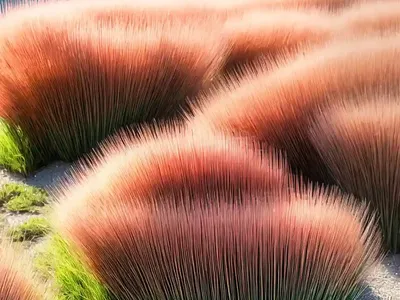
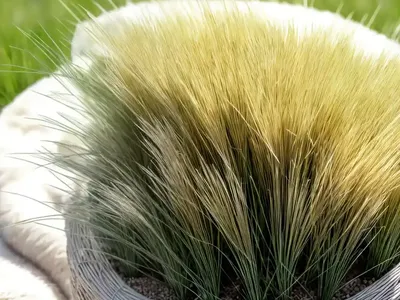
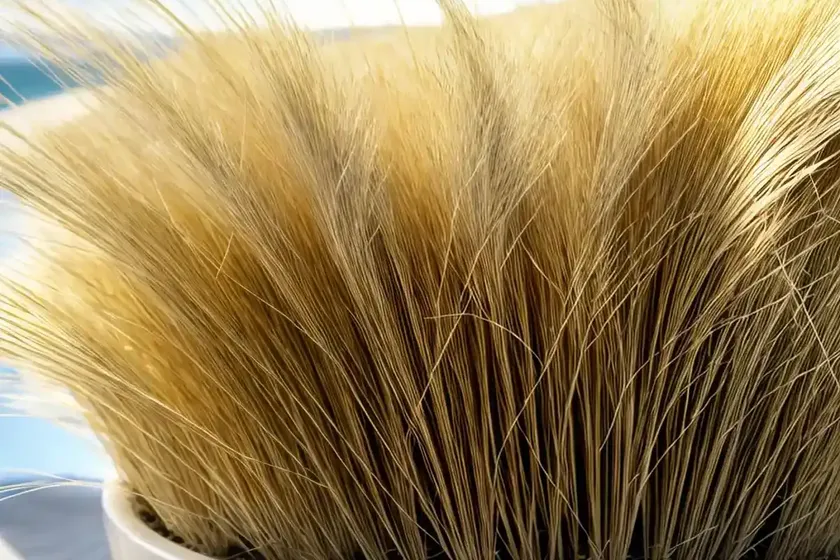
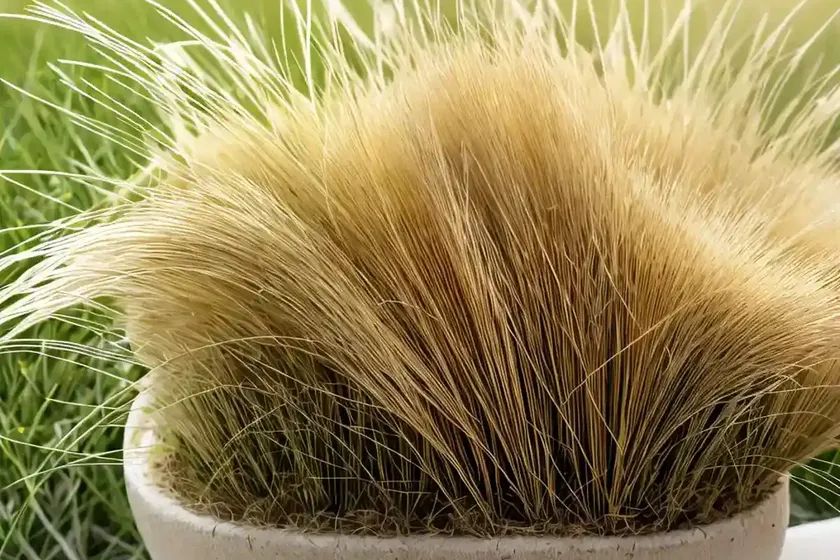
Festuca ovina belongs to the Poaceae family and is native to Europe, Asia, and North Africa. It is a cool-season grass with fine, wiry leaves and forms dense tufts, making it an ideal plant for ground cover and erosion control. As a perennial grass, it exhibits remarkable hardiness and can thrive in a wide range of climatic conditions. The plant’s ecological significance is underscored by its role in supporting wildlife habitats, soil conservation, and sustainable landscaping practices.
Key Takeaways – Festuca ovina (Sheep Fescue)
1. Culture
- Festuca ovina thrives in a range of soil types, including sandy, loamy, and rocky substrates. It is well-suited to areas with poor soil fertility and can establish itself in rocky terrain, making it an ideal candidate for xeriscaping and soil stabilization projects.
- The plant has a moderate growth rate and typically reaches a height of 6 to 12 inches, though some varieties may exhibit slight variations in size.
2. Uses
- Festuca ovina is widely used for landscaping purposes, including gardens, parks, and commercial landscapes. Its ability to create a lush, low-maintenance ground cover makes it a popular choice for sustainable and eco-friendly landscaping designs.
- Additionally, its resistance to browsing by deer and rabbits enhances its appeal in naturalistic gardens and wildlife-friendly landscapes.
3. Water
- Sheep fescue exhibits excellent drought tolerance once established, making it suitable for water-wise landscaping and areas with limited access to irrigation.
- However, during its initial establishment phase, regular watering is important to ensure healthy growth and establishment.
4. Sunlight
- Festuca ovina is adaptable to various light conditions, including full sun to partial shade. This flexibility makes it a versatile choice for a wide range of landscaping and gardening scenarios.
5. Fertilizer
- While Festuca ovina is not a heavy feeder and can tolerate nutrient-poor soils, supplementing with a balanced, slow-release fertilizer in the spring can support vigorous growth and overall plant health.
6. Soil
- The plant’s adaptability to different soil types, pH levels, and drainage conditions makes it an excellent candidate for various landscaping projects, including rain gardens, green infrastructure, and urban greening initiatives.
7. Pruning
- Minimal pruning is required for Festuca ovina. Periodic removal of dead or damaged foliage can help maintain its aesthetic appeal and health.
8. Propagation
- Propagation of Festuca ovina can be achieved through division or seed sowing. Both methods have their advantages, with division being a quicker way to establish new plants, whereas seed sowing allows for a larger number of plants to be grown from a single parent specimen.
9. Container Popularity
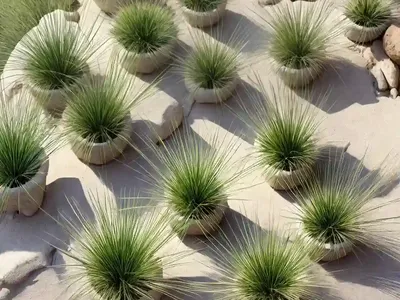
- Festuca ovina is commonly used in container gardening, where its low-maintenance and ornamental characteristics make it a popular choice for adding a touch of greenery to patios, balconies, and urban settings.
10. Common Diseases
- While Festuca ovina is relatively resistant to diseases, it can be susceptible to certain fungal infections under conditions of high humidity and poor air circulation. Proper spacing and good cultural practices can help mitigate disease risks.
11. Disease Diagnosis
- Visual inspection of the foliage, including the presence of abnormal spots, discoloration, or wilting, can provide initial clues to the presence of diseases. Additionally, fungal tests and professional diagnostics can help identify specific pathogens affecting the plant.
12. Common Pests
- The resilience of Festuca ovina makes it relatively resistant to pests; however, occasional issues with aphids and grasshoppers may arise. Regular monitoring and early intervention can effectively manage pest pressures.
Botanist’s Tips
- Companion Planting: Festuca ovina can be paired with a variety of flowering perennials, shrubs, and other ornamental grasses to create visually appealing and ecologically diverse landscapes.
- Naturalistic Landscaping: Incorporating Festuca ovina into designed naturalistic landscapes can help mimic the aesthetics of natural ecosystems while providing habitat value for wildlife.
Fun Facts
- Festuca ovina has historically been used for thatching roofs in rural areas due to its fine, dense foliage.
- The grass has been utilized in traditional medicine for its purported diuretic and wound-healing properties.
Links to External Resources
This comprehensive guide to Festuca ovina encompasses its cultivation, care tips, ecological significance, and uses in various landscaping scenarios. Whether you are an avid gardener, a landscape designer, or an environmental conservationist, understanding the nuances of this resilient grass can inspire innovative and sustainable horticultural practices.