Red Fescue (Festuca Rubra)
In the world of ornamental grasses, the Red Fescue (Festuca rubra) holds a special place. It is a versatile and low-maintenance plant that is known for its.
Introduction
In the world of ornamental grasses, the Red Fescue (Festuca rubra) holds a special place. It is a versatile and low-maintenance plant that is known for its fine texture and ability to thrive in difficult conditions. This comprehensive guide aims to provide insights into the culture, uses, maintenance, and other aspects of Red Fescue, equipping both amateur gardeners and landscaping professionals with in-depth knowledge to cultivate and care for this remarkable plant.
What is Red Fescue (Festuca Rubra)?
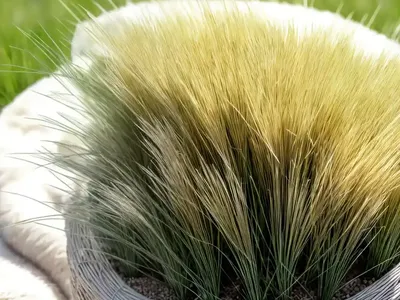
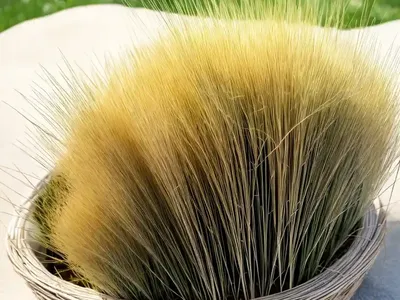
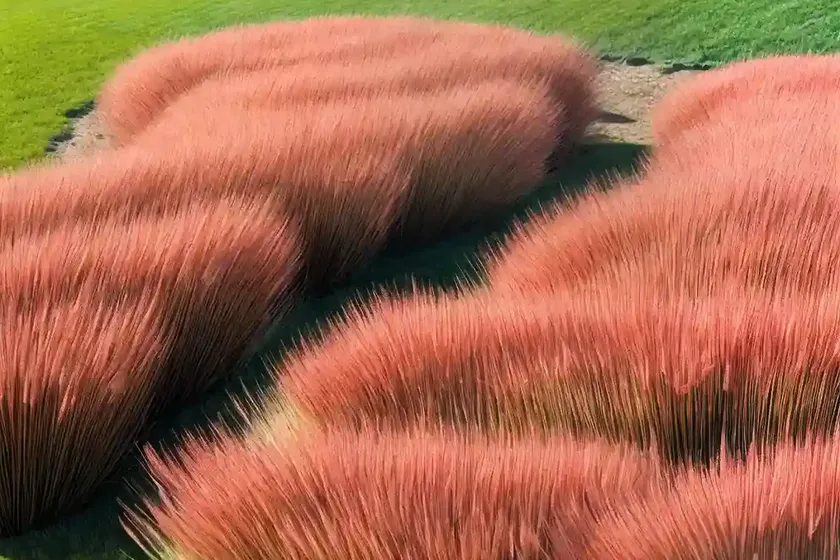
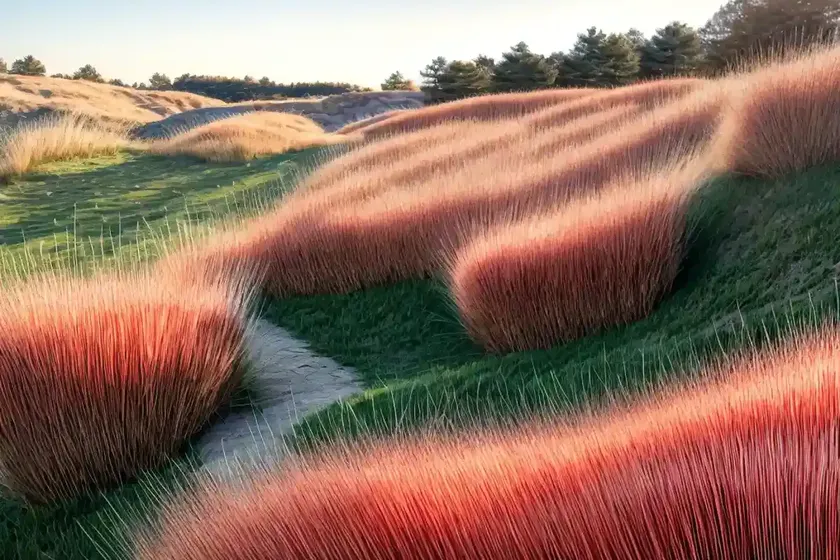
Red Fescue, scientifically known as Festuca rubra, is a perennial grass native to Europe, Asia, and North Africa. It belongs to the Poaceae family and is widely cultivated for its ornamental and functional purposes. The plant typically grows in dense, tufted clumps and features fine, narrow leaves that range from green to blue-green in color. This grass species is known for its adaptability and is often used in landscaping, erosion control, and as a groundcover due to its ability to form a dense mat.
Key Takeaways – Red Fescue (Festuca Rubra)
Culture
Red Fescue is a hardy grass species that thrives in a variety of conditions. Its culture involves understanding its specific requirements for water, sunlight, fertilizer, soil, pruning, and propagation.
Uses
The versatile nature of Red Fescue makes it suitable for various uses, including landscaping, erosion control, groundcover, and as a companion plant in gardens.
Water
Red Fescue exhibits a moderate tolerance to drought and does not require excessive watering once established. However, regular watering is essential during the establishment phase and in prolonged dry spells.
Sunlight
This grass species prefers full to partial sun, making it adaptable to different light conditions. However, it may exhibit better coloration in cooler climates when provided with partial shade.
Fertilizer
Red Fescue has modest fertilizer requirements and can thrive in nutrient-deficient soils. A balanced fertilizer application in spring can help maintain its vigor and color.
Soil
It is adaptable to a wide range of soil types, including sandy, well-draining soils, and even soils with poor fertility. However, it thrives in slightly acidic to slightly alkaline soil pH levels.
Pruning
Minimal pruning is required for Red Fescue, primarily for removing dead foliage and maintaining its desired shape. Pruning is typically carried out during spring to encourage fresh growth.
Propagation
Red Fescue can be propagated through both seeds and division. Seed germination may take a few weeks, while division is best carried out in early spring or fall.
Container Popularity
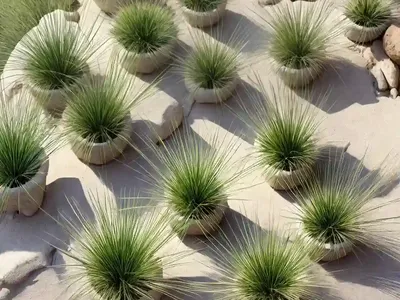
Its low-growing habit and adaptability make Red Fescue a popular choice for container gardening, adding texture and interest to outdoor spaces.
Common Diseases
While relatively resistant to diseases, Red Fescue can be susceptible to certain fungal infections and rust diseases, especially under prolonged wet conditions.
Disease Diagnosis
Identifying common grass diseases and monitoring moisture levels can aid in early detection and prevention of potential issues with Red Fescue.
Common Pests
Red Fescue is generally resistant to pests, but occasional issues with aphids, mites, and grasshoppers may arise, particularly in stressed or overcrowded conditions.
Botanist’s Tips
Understanding the unique characteristics and growth habits of Red Fescue can help optimize its performance in diverse landscape settings.
Fun Facts
Red Fescue’s adaptability and low-maintenance nature make it a fascinating choice for eco-friendly and sustainable landscape designs. Additionally, its fine texture and cool-season growth add distinctive visual appeal to outdoor spaces.
Plant Name: “Red Fescue (Festuca Rubra)”
As the blog progresses, we will delve deeper into the different aspects of Red Fescue cultivation and care.
Festuca Rubra Care
When it comes to the care of Festuca rubra, there are several important aspects to consider in order to ensure its healthy growth and vibrant appearance.
Red Fescue Plant
The Red Fescue plant, also known by its scientific name, Festuca rubra, is renowned for its adaptability and fine texture. It is a cool-season grass that is valued for its use in landscaping and erosion control due to its ability to form dense mats.
Festuca Rubra Varieties
While Festuca rubra is the species encompassing various varieties, it’s important to note that there are distinct cultivars within this species, each with its own unique traits and preferred growing conditions.
Red Fescue Grass
Red Fescue, known for its fine texture and cool-season growth, is a versatile grass species that is used in various landscaping and gardening applications. Its ability to withstand challenging conditions makes it an ideal choice for low-maintenance landscapes.
Festuca Rubra Cultivation
Cultivating Festuca rubra involves understanding its need for well-drained soils, adequate sunlight, and moderate watering. With the right conditions in place, it can thrive and serve its intended purpose in the landscape.
Red Fescue Lawn
Due to its low-growing habit and fine foliage, Red Fescue is used in lawn seed mixes, particularly in shade and low-traffic areas. When established, it contributes to a dense, uniform lawn with a distinct texture.
Festuca Rubra Characteristics
The characteristics of Festuca rubra, including its fine leaves and tufted growth habit, make it an appealing choice for creating visually interesting landscapes and naturalistic garden designs.
Red Fescue Landscaping
In landscaping, Red Fescue is often used for its ability to provide groundcover, particularly in areas with challenging growing conditions. Its adaptability and aesthetic appeal make it a valuable component in landscape designs.
Festuca Rubra Maintenance
Maintaining Festuca rubra involves periodic watering, minimal fertilization, and occasional pruning to remove dead foliage. These maintenance practices help ensure the health and vigor of the grass.
Red Fescue Seeds
Propagating Red Fescue from seeds can be a rewarding process, but it requires attention to germination conditions and subsequent care to establish healthy seedlings.
Festuca Rubra Benefits
The benefits of Festuca rubra include its low-maintenance nature, adaptability to diverse conditions, and ability to contribute to sustainable and eco-friendly landscape designs.
Red Fescue Growing Conditions
Understanding the optimal growing conditions for Red Fescue, such as soil type, sunlight, and moisture levels, is essential for promoting its vigorous growth and overall health.
Red Fescue Uses
From erosion control to wildlife habitat, Red Fescue serves a multitude of purposes that make it a valuable addition to various landscape settings.
Festuca Rubra Uses
The uses of Festuca rubra extend beyond traditional landscaping. This versatile grass finds applications in erosion control, wildlife habitats, and green infrastructure projects.
Red Fescue Propagation
Propagating Red Fescue through seed sowing and division offers an opportunity to expand its presence in a landscape or start new plantings with desirable traits.
Festuca Rubra Drought Tolerance
The drought tolerance of Festuca rubra makes it an ideal choice for landscapes in regions with limited water resources, where it can contribute to water-wise gardening practices.
Red Fescue Soil Requirements
Although adaptable to various soil types, understanding the soil preferences of Red Fescue can help in selecting the right growing environment for optimal performance.
Festuca Rubra Plant Care Tips
Implementing specific care tips tailored to the needs of Festuca rubra can enhance its resilience and visual appeal in a variety of landscape applications.
Red Fescue Ground Cover
The dense growth habit and fine texture of Red Fescue make it an excellent ground cover for stabilizing slopes, preventing erosion, and creating visually appealing landscapes.
Festuca Rubra Disease Prevention
While Festuca rubra is relatively resistant to diseases, incorporating preventive measures can ensure its continued health and vitality in the landscape.
Red Fescue in Gardens
In gardens, Red Fescue can serve as a versatile ornamental grass, providing textural interest, and offering habitat and forage for certain wildlife species.
Festuca Rubra Planting Guide
Following a comprehensive planting guide tailored to the specific needs of Festuca rubra can help establish healthy and robust plantings in diverse landscape settings.
Red Fescue Maintenance
The maintenance of Red Fescue involves a combination of cultural practices designed to promote its health and appearance while minimizing potential issues.
Red Fescue for Erosion Control
Due to its ability to form dense mats and its adaptability to various soil types, Red Fescue serves as an effective erosion control measure in landscapes prone to soil loss.
Festuca Rubra Shade Tolerance
The shade tolerance of Festuca rubra makes it a suitable option for shaded areas where other grass species may struggle to thrive.
Red Fescue for Lawns and Landscapes
In both residential and commercial landscapes, the use of Red Fescue in lawns and as a groundcover can contribute to low-maintenance and visually appealing outdoor spaces.
Festuca Rubra Common Problems
Understanding potential issues and challenges associated with Festuca rubra can aid in early detection and prompt management to maintain its overall health.
Red Fescue Winter Maintenance
Implementing specific winter maintenance practices can help ensure the vigor and resilience of Red Fescue during the colder months, preparing it for robust growth in the following seasons.
Festuca Rubra for Wildlife Habitat
The ecological value of Festuca rubra in providing habitat and forage for wildlife species underscores its significance in sustainable landscape designs.
Red Fescue in Native Plant Gardens
Incorporating Festuca rubra into native plant gardens not only adds aesthetic appeal but also contributes to the preservation and promotion of indigenous plant species.
Red Fescue: An Overview
Understanding the ecological benefits, cultural requirements, and diverse applications of Red Fescue is essential for harnessing its full potential in landscape design and ecological restoration.
Festuca Rubra Companion Plants
Selecting suitable companion plants that thrive alongside Festuca rubra can enhance landscape diversity and contribute to a well-balanced and visually appealing garden.
Red Fescue for Green Roofs
The adaptability and low-maintenance nature of Red Fescue make it an ideal candidate for green roof installations, where it can provide multiple ecological and aesthetic benefits.
Festuca Rubra for Coastal Gardens
In coastal garden settings, Festuca rubra offers a resilient and visually appealing option for stabilizing soils and enhancing the overall sustainability of these unique landscapes.
Red Fescue in Meadow Plantings
In meadow plantings and naturalized landscapes, Red Fescue contributes to the establishment of diverse and ecologically sound plant communities while providing aesthetic value.
Festuca Rubra Ornamental Grass
The ornamental qualities of Festuca rubra, including its fine texture and graceful growth habit, make it a sought-after choice for creating visually striking landscape compositions.
Red Fescue for Low-Maintenance Landscapes
The low-maintenance nature and adaptability of Red Fescue position it as a valuable component in low-input landscapes and sustainable garden designs.
Festuca Rubra Organic Gardening
In organic gardening practices, Festuca rubra fulfills various ecological and functional roles, contributing to the overall sustainability and health of the garden ecosystem.
Red Fescue in Rock Gardens
The unique textural and growth characteristics of Red Fescue make it an excellent candidate for rock gardens and alpine plantings, adding visual interest and ecological value.
Festuca Rubra for Erosion-Prone Areas
This grass species excels in stabilizing erosion-prone areas, where its dense growth and adaptability help prevent soil loss and maintain ecological integrity.
Red Fescue as a Groundcover Alternative
Selecting Red Fescue as a groundcover alternative offers an environmentally friendly and sustainable option for creating visually appealing and functional landscape designs.
Festuca Rubra for Naturalizing Plantings
Naturalized plantings benefit from the resilience and adaptability of Festuca rubra, contributing to the establishment and long-term success of ecologically diverse landscapes.
Red Fescue for Sandy Soil
In landscapes with sandy soil, Red Fescue plays a vital role in stabilizing soils, preventing erosion, and enhancing the overall ecological resilience of the area.
Festuca Rubra for Dryland Gardening
In regions with arid and semi-arid climates, Festuca rubra exhibits a remarkable ability to thrive in dryland gardening settings, offering sustainable and visually appealing landscape solutions.
Red Fescue as a Lawn Substitute
Choosing Red Fescue as a lawn substitute presents an opportunity to create low-maintenance, visually appealing lawns that contribute to sustainable and water-wise gardening practices.
Festuca Rubra Insect Resistance
While relatively resistant to insect damage, occasional pest issues may arise with Festuca rubra, particularly in stressed or overcrowded conditions—implementing proper cultural practices can minimize potential infestations.
Red Fescue for Wildlife Gardens
The ecological value of Red Fescue in attracting and supporting wildlife makes it a valuable addition to wildlife gardens and pollinator-friendly landscapes.
Festuca Rubra Native Habitat
Understanding the native habitat of Festuca rubra provides valuable insights into its preferred growing conditions and the ecological functions it can fulfill in the landscape.
Red Fescue Weed Suppression
Red Fescue’s vigorous growth and dense habit contribute to effective weed suppression, making it an advantageous choice for minimizing weed competition in landscapes.
Festuca Rubra for Banks and Slopes
Banks and slopes benefit from the erosion control and stabilizing qualities of Festuca rubra, particularly in landscapes where soil retention is crucial for ecological integrity.
Red Fescue Seasonal Changes
Understanding the seasonal changes and growth patterns of Red Fescue is crucial for implementing effective maintenance practices and optimizing its performance in different seasons.
Festuca Rubra for Alpine Gardens
The adaptability of Festuca rubra to alpine conditions makes it a valuable component in alpine gardens, contributing to landscape diversity and ecological resilience.
Red Fescue Deer Resistance
The deer-resistant qualities of Red Fescue make it an attractive option for landscapes where deer browsing is a concern, offering an eco-friendly and low-maintenance solution.
Conclusion
Red Fescue (Festuca rubra) stands out as a remarkable and versatile grass species with applications in landscaping, erosion control, and ecological restoration. Its adaptability, low-maintenance nature, and ecological value make it a valuable asset for sustainable landscape designs and conservation efforts. By understanding the cultural requirements, uses, and maintenance practices associated with Red Fescue, individuals and professionals can harness its full potential in creating visually striking and ecologically sound landscapes.
As we delve into the various aspects of Red Fescue, from its cultivation to its diverse applications, this comprehensive guide serves as a valuable resource for anyone seeking to explore the world of ornamental grasses and harness the ecological and aesthetic benefits offered by Festuca rubra.
References
[1] Contains a list of references, and external resources,
[2] Blogging references that are mentioned in the blog.
[3] Journals, and other publications on “Festuca Rubra”.