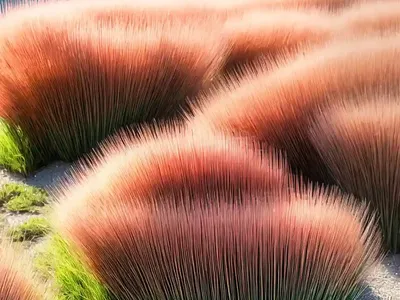
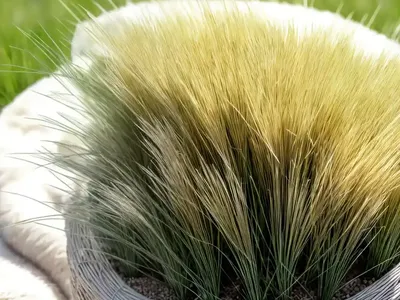
Festuca Californica (California Fescue)
Festuca californica, commonly known as California fescue, is a beautiful ornamental grass native to California and Oregon. This evergreen perennial is a.
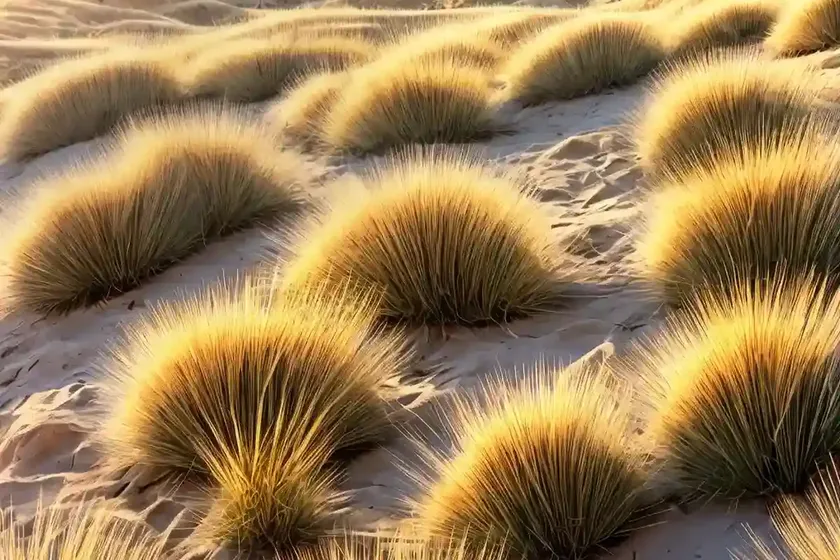
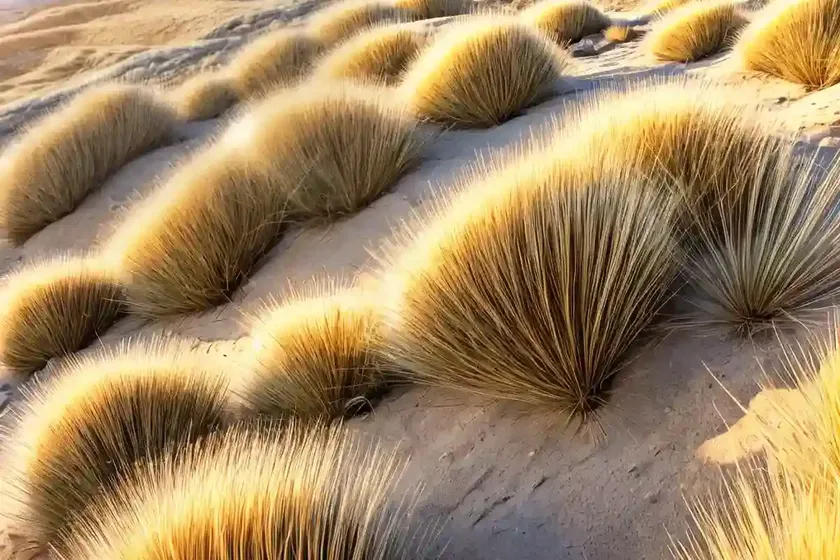

Introduction to Festuca Californica
Festuca californica, commonly known as California fescue, is a beautiful ornamental grass native to California and Oregon. This evergreen perennial is a popular choice for landscaping, thanks to its graceful mound of fine-textured foliage and its ornamental flowers. It is a versatile plant that can thrive in various conditions, making it a favorite among gardeners and landscapers. In this comprehensive guide, we will explore the characteristics, cultivation, and maintenance of Festuca californica, shedding light on its uses, requirements, and its role in the ecosystem.
Key Takeaways – Festuca Californica
Here are some key takeaways about Festuca californica, which will be explored further in this guide:
- Characteristics: Understanding the unique features and attributes of California fescue.
- Growing Tips: Insights into cultivating and nurturing Festuca californica.
- Natural Habitat: Exploring the native range and ecological niche of this plant.
- Landscaping: How to incorporate California fescue into your landscape design.
- Disease Resistance: Recognizing common diseases and promoting plant health.
- Wildlife Habitat: Understanding the benefits of Festuca californica for wildlife.
- Water Conservation: Exploring the water-wise qualities of California fescue.
- Container Gardening: Tips for growing Festuca californica in containers.
- Native Plant Garden: Incorporating California fescue into native plant gardens.
- Garden Focal Point: Utilizing Festuca californica as a key feature in the garden.
What is Festuca Californica?
Festuca californica, also known as California fescue, is a species of perennial bunchgrass that belongs to the Poaceae family. This clump-forming grass is native to the western United States, specifically found in California and Oregon, where it thrives in diverse habitats including woodlands, chaparral, and grasslands. Festuca californica is admired for its elegant, arching foliage and its delicate flower spikes that sway gracefully in the breeze, adding movement and texture to the landscape.
The fine-textured leaves of Festuca californica are typically bluish-green or gray-green, while its flowers emerge in late spring or early summer, forming airy panicles that rise above the foliage. The combination of its foliage and flowers makes California fescue an attractive option for ornamental plantings, and it is often used in mass plantings, border edges, and mixed perennial beds. Additionally, its adaptability to different soil types and its drought tolerance make it a resilient and low-maintenance option for gardens and landscapes.
Culture
Uses
Festuca californica, with its ornamental appeal and low-maintenance nature, serves various purposes in gardens, landscapes, and natural areas. Some of its common uses include:
- Ornamental Grass: California fescue is primarily cultivated for its ornamental value. Its graceful form and fine foliage make it a sought-after landscaping plant.
- Erosion Control: The deep root system of Festuca californica makes it an effective choice for stabilizing soil and preventing erosion on slopes and banks.
- Habitat Planting: It can serve as a valuable component of habitat restoration projects, particularly in regions where it is native, providing food and shelter for local wildlife.
- Native Landscapes: In native plant gardens and naturalistic landscapes, Festuca californica contributes to the authenticity and biodiversity of the plant community.
Water
Festuca californica is known for its drought tolerance, making it an excellent choice for water-wise gardens and landscapes. Once established, California fescue requires minimal supplemental irrigation, thriving in dry conditions. However, during its initial establishment period, regular watering is essential to facilitate root development and ensure a healthy start for the plant. It is crucial to allow the soil to dry out between watering sessions to prevent waterlogging and promote the development of a robust root system.
Sunlight
In terms of sunlight requirements, Festuca californica thrives in full sun to light shade. It can adapt to various light conditions, making it a versatile option for different garden settings. However, it is essential to provide adequate sunlight for the plant to achieve robust growth and maintain its ornamental qualities. When grown in partial shade, the plant may display slightly looser growth habits compared to those in full sun, but it generally adapts well to such conditions.
Fertilizer
Festuca californica is not heavy feeder, and excessive fertilization can actually be detrimental to its overall health and appearance. To promote healthy growth, an annual application of a balanced, slow-release fertilizer in the spring can provide the necessary nutrients. However, it is crucial to avoid over-fertilization, as this may lead to excessive foliage growth at the expense of the plant’s natural shape and form.
Soil
Festuca californica thrives in well-draining soil, and it is adaptable to various soil types, including sandy, loamy, or rocky soils. It is important to ensure good drainage to prevent waterlogging, which can be detrimental to the plant’s health. Additionally, this grass can tolerate soils with slightly acidic to slightly alkaline pH levels. Amending the soil with organic matter, such as compost, can further enhance its growing conditions and support its long-term health.
Pruning
One of the appealing attributes of Festuca californica is its low-maintenance nature, which includes minimal pruning requirements. While the plant may benefit from the removal of any dead or damaged foliage and flower stems, extensive pruning is generally unnecessary. If the plant becomes untidy or overgrown, a light trim in late winter or early spring can help maintain its attractive appearance and encourage fresh growth for the new season.
Propagation
Festuca californica is primarily propagated through division, which can be performed in early spring. The clumps of the grass can be carefully split, with each division containing a portion of the root system and several healthy shoots. These divisions can then be replanted in prepared soil, and regular watering should be provided until the new plants are established. Additionally, propagate from seed, though the process can be slower and less reliable compared to division. When collecting seeds, it is important to ensure they are fully mature before sowing.
Container Popularity
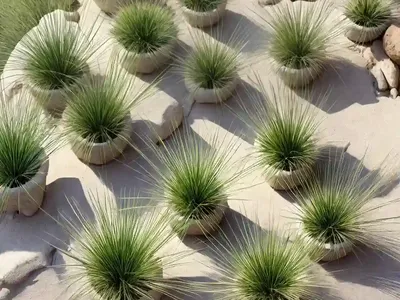
Due to its adaptability and compact growth habit, Festuca californica is well-suited for container gardening. It can be planted in containers to add texture and interest to patios, decks, or other outdoor spaces. The low-maintenance nature and ornamental appeal of California fescue make it an attractive choice for container plantings, as it requires minimal care and contributes to the visual appeal of the container garden.
Common Diseases
Like any plant, Festuca californica is susceptible to certain diseases and issues that can impact its health and appearance. Common diseases that may affect California fescue include:
- Leaf Spot: This fungal disease can cause spotting or browning of the foliage, leading to a reduction in the plant’s aesthetic appeal.
- Rust: Rust diseases can manifest as yellow or orange pustules on the foliage, affecting the overall vigor of the plant.
- Powdery Mildew: This fungal disease can coat the foliage with a powdery substance, potentially impacting the plant’s ability to photosynthesize effectively.
Disease Diagnosis
To effectively diagnose and manage diseases affecting Festuca californica, it is important to monitor the plant regularly for any signs of discoloration, spotting, or unusual growth patterns. Early detection of diseases can significantly improve the chances of successful control and management. If a disease is suspected, it is advisable to consult with a plant health specialist or horticulturist to identify the specific issue and determine the appropriate course of action.
Common Pests
While Festuca californica is relatively resistant to most pests, it may occasionally encounter pest issues that can impact its health. Common pests that may affect California fescue include:
- Aphids: These small insects can cluster on the foliage and stems, causing damage to the plant’s tissues and potentially impacting its overall health.
- Spider Mites: These tiny arachnids can infest Festuca californica, causing stippling and discoloration of the foliage as they feed on plant sap.
- Slugs and Snails: These mollusks can feed on the foliage and stems of the plant, potentially causing significant damage if left unchecked.
Botanist’s Tips
- Companion Plants: When designing a garden or landscape featuring Festuca californica, consider companions that complement its color and form. Plants such as Artemisia, Lavandula, and Achillea can create attractive pairings with California fescue.
- Seasonal Interest: By selecting plants with staggered bloom times and distinctive foliage, it is possible to create year-round visual interest in the garden, ensuring that Festuca californica remains an integral part of the landscape throughout the seasons.
- Water-Wise Landscaping: When incorporating Festuca californica into a water-wise or drought-tolerant landscape, consider grouping it with other similarly resilient species to create a cohesive and sustainable planting design.
Fun Facts
- Festuca californica is often utilized in naturalistic and meadow-like landscapes, contributing to a sense of wild beauty and ecological harmony.
- The flower spikes of California fescue shimmer in the sunlight, adding a sense of movement and delicacy to the landscape.
- Festuca californica is known for its ability to attract beneficial pollinators such as butterflies and native bees, contributing to the ecological value of the garden or landscape.
Links to External Resources
For more detailed information on Festuca californica, its cultivation, and ecological significance, the following resources can be explored:
- California Native Plant Society – Festuca californica
- Las Pilitas Nursery – California Fescue (Festuca californica)
- Calscape – Festuca californica
In conclusion, Festuca californica, or California fescue, is an attractive and resilient plant that holds great value for gardeners, landscapers, and the environment. Its adaptability, low-maintenance nature, and ornamental qualities make it a versatile addition to a variety of garden styles and settings. Whether used as a focal point in the landscape, a component of a native plant garden, or a contributor to erosion control efforts, Festuca californica embodies the beauty and resilience of California’s native flora.
By understanding its cultivation requirements, ecological significance, and potential uses, gardeners and plant enthusiasts can fully appreciate the unique qualities of this native grass species and incorporate it into their own landscapes to great effect.