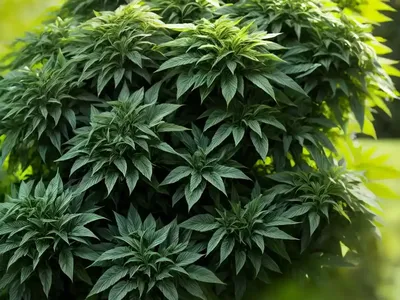
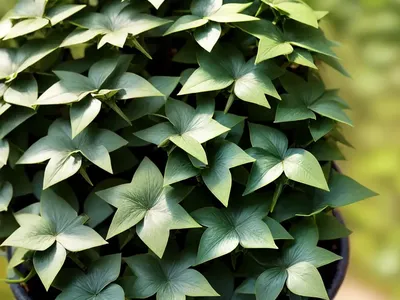
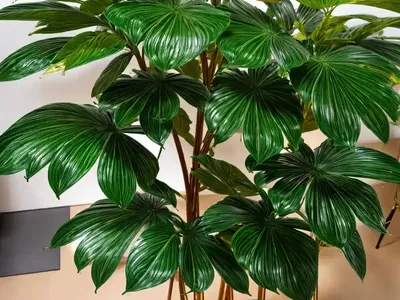
False Aralia (Schefflera Elegantissima)
The world of plants is incredibly vast and diverse, offering a plethora of species that vary in size, shape, and care requirements. Among these diverse.
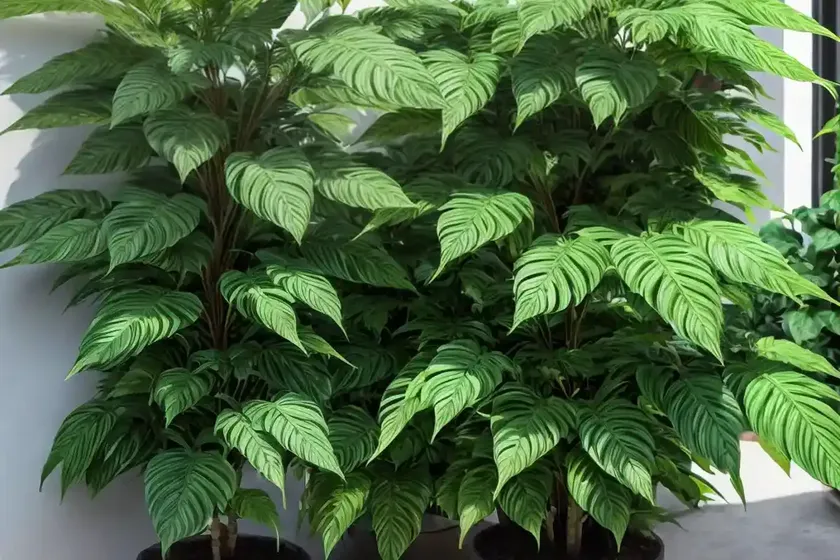
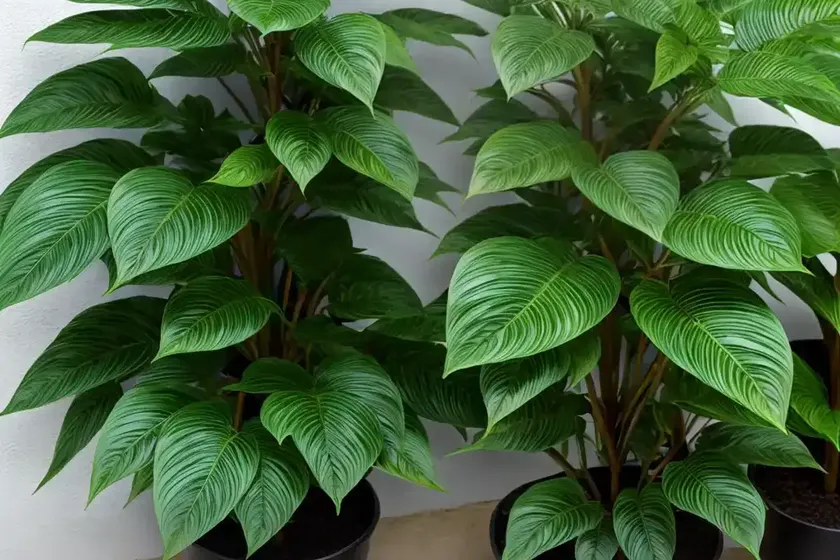
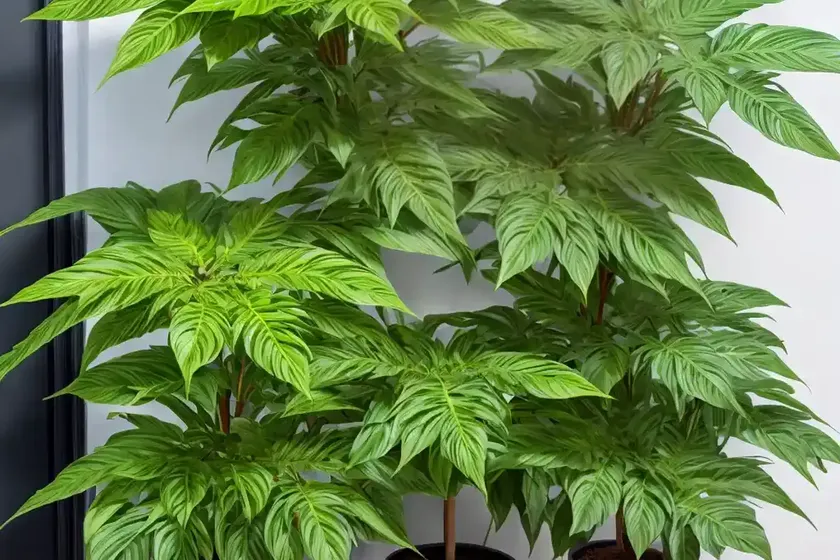
The world of plants is incredibly vast and diverse, offering a plethora of species that vary in size, shape, and care requirements. Among these diverse plants, the False Aralia (Schefflera elegantissima) stands out as a popular and captivating choice for both indoor and outdoor settings. This tropical plant, known for its striking appearance and relatively low maintenance, has captured the hearts of plant enthusiasts worldwide.
In this comprehensive guide, we will explore the captivating world of the False Aralia, shedding light on its origins, care requirements, benefits, and potential challenges. By the end of this exploration, you will be well-equipped to cultivate and nurture this exquisitely elegant plant, delving into its intricate details and gaining insights into its care needs.
What is the False Aralia (Schefflera elegantissima)?
The False Aralia, scientifically referred to as Schefflera elegantissima, is a species of flowering plant in the family Araliaceae. Originating from the tropical rainforests of Queensland, Australia, this evergreen shrub radiates beauty with its lush foliage and unique variegated leaves. While it thrives in its natural habitat, it has also found its way into households and gardens worldwide, enchanting plant enthusiasts with its captivating presence.
Key Takeaways
Before we embark on our journey to understand the False Aralia in depth, let’s lay the foundation with some key takeaways:
- Plant Name: False Aralia (Schefflera elegantissima)
- Natural Habitat: Tropical rainforests of Queensland, Australia
- Common Names: Threadleaf Aralia, Pianowire Plant
- Growth Habit: Evergreen shrub
- Distinct Feature: Variegated leaves
- Light Requirements: Thrives in bright, indirect light
Get ready to immerse yourself in the fascinating world of False Aralia as we delve into its culture, uses, care requirements, and beyond.
Culture of False Aralia
Understanding the culture or cultivation requirements of the False Aralia is crucial for ensuring its optimal growth and health. Let’s dive into its cultural preferences to provide an ideal environment for this exquisite plant to thrive.
Water
Proper watering is essential for the well-being of the False Aralia. Here are some key points to consider:
- Frequency: Water the plant when the top inch of the soil feels dry, ensuring that excess water can drain through the pot’s drainage holes.
- Avoid Overwatering: While it enjoys consistent moisture, overwatering can lead to root rot, so it’s vital to strike a balance.
Sunlight
The False Aralia has specific preferences when it comes to sunlight exposure:
- Light: Thrives in bright, indirect light, making it an ideal indoor plant for spaces with ample natural light.
- Avoid Direct Sun: Protect it from direct sunlight, especially during the intense midday sun, as it can scorch the delicate leaves.
Fertilizer
Proper fertilization contributes to the plant’s overall health and vigor. Consider the following:
- Frequency: Fertilize the False Aralia every two to four weeks during the growing season using a balanced liquid fertilizer.
- Dilution: Dilute the fertilizer to half the recommended strength to prevent potential damage to the plant’s roots.
Soil
Choosing the right soil composition is essential for providing an optimal growing medium for the False Aralia:
- Well-Draining Soil: Opt for a well-draining potting mix to prevent waterlogging and promote healthy root growth.
- Additional Amendments: Consider adding peat moss or perlite to improve the soil’s drainage and aeration.
Pruning
Pruning plays a vital role in maintaining the False Aralia’s shape and overall appearance:
- Remove Dead Growth: Regularly prune dead or yellowing leaves to promote new growth.
- Shape Management: Trim unruly or leggy branches to maintain a compact and balanced form.
Uses of False Aralia
The False Aralia serves a range of purposes, both aesthetic and functional, making it a versatile addition to indoor and outdoor spaces. Let’s explore its diverse uses:
- Indoor Ornamental Plant: Adds a touch of elegance and tropical allure to interior spaces, serving as a captivating focal point.
- Outdoor Landscaping: Enhances gardens and landscapes with its lush foliage, particularly in regions with a mild climate.
- Air Purification: Contributes to indoor air quality by removing toxins and impurities, promoting a healthier living environment.
- Focal Point: Creates a striking visual impact with its variegated leaves, drawing attention and admiration from onlookers.
Propagation of False Aralia
Propagating the False Aralia allows plant enthusiasts to expand their collection and share the beauty of this species with others. Here are the key methods of propagation:
Stem Cuttings
Propagating False Aralia through stem cuttings is a straightforward and effective method:
- Select Healthy Stem: Choose a healthy stem with several leaves and a mature growth tip.
- Prepare Cutting: Use a clean, sharp knife or shears to take a 4-6 inch cutting below a leaf node.
- Rooting Medium: Place the cutting in a well-draining rooting medium such as perlite or a mix of peat moss and perlite.
- Maintain Moisture: Keep the rooting medium consistently moist and provide warm, humid conditions to encourage root development.
Air Layering
Air layering is another viable method for propagating the False Aralia:
- Select Branch: Identify a healthy, semi-hardwood branch for air layering.
- Girdle the Branch: Make a shallow circular cut around the branch and remove a thin strip of bark to promote root development.
- Wrapping and Rooting Medium: Wrap the girdled portion with moist sphagnum moss and secure it with plastic wrap. Maintain moisture and wait for roots to develop.
- Separate and Pot: Once roots have formed, carefully separate the rooted portion and pot it in a suitable growing medium.
Growing False Aralia in Containers
Cultivating the False Aralia in containers presents a convenient and versatile option for plant enthusiasts. Here are some considerations for growing this exquisite plant in containers:
- Selecting the Right Pot: Choose a container with drainage holes to prevent water accumulation, and opt for a size that accommodates the plant’s current and future growth.
- Potting Mix: Use a well-draining potting mix that provides adequate aeration and moisture retention.
- Indoor Placement: Position the container in a location with bright, indirect light, such as near a north or east-facing window.
Popularity of False Aralia
The False Aralia’s popularity stems from its remarkable visual appeal and relatively manageable care requirements. Its growing popularity is evidenced by its presence in homes, offices, and public spaces across the globe. It has garnered attention from plant enthusiasts, interior designers, and landscapers alike, solidifying its position as a beloved plant species in the horticultural world.
Common Diseases of False Aralia
While the False Aralia is generally resilient, it is susceptible to certain diseases that can affect its health and vitality. Understanding these common diseases is crucial for early detection and effective management. Let’s explore some potential diseases and their diagnosis:
Foliar Diseases
- Leaf Spot: Identified by circular brown or black spots on the leaves, often caused by fungal infections.
- Powdery Mildew: Manifests as a powdery white coating on the leaves, typically due to humid conditions and poor air circulation.
Leaf Drop
Excessive leaf drop can be indicative of underlying issues, such as:
- Overwatering: When the soil remains consistently waterlogged, it can lead to root rot and subsequent leaf drop.
- Underwatering: Prolonged dryness can cause the plant to shed leaves as a survival mechanism.
Common Pests Affecting False Aralia
Pests can pose a threat to the False Aralia’s health and appearance, requiring vigilant monitoring and prompt intervention. Let’s examine some common pests that may target this exquisite plant:
Spider Mites
These tiny pests can cause extensive damage to the False Aralia by feeding on its foliage, leading to stippling and discoloration of the leaves.
Scale Insects
Scale insects can latch onto the stems and leaves of the False Aralia, sucking out plant fluids and causing yellowing or wilting of the affected areas.
Mealybugs
Mealybugs are notorious for infesting the False Aralia, appearing as small, cottony masses on the leaves and stems. Their feeding can weaken the plant and lead to stunted growth.
Botanist’s Tips for Caring for False Aralia
To ensure the optimal well-being of the False Aralia, here are some expert tips from botanists and plant care specialists:
- Temperature Considerations: Maintain a consistently warm environment for the False Aralia, avoiding exposure to chilly drafts or sudden temperature fluctuations.
- Humidity Enhancement: Given its tropical origins, the plant benefits from increased humidity levels, which can be achieved through regular misting or placement near a humidifier.
- Observation and Response: Regularly inspect the plant for any signs of stress, discoloration, or pest activity, and take prompt action to address any issues.
Fun Facts About False Aralia
Engage in the enchanting world of False Aralia with these intriguing fun facts:
- The species name elegantissima stems from its graceful and elegant appearance, reflecting its botanical allure.
- False Aralia’s variegated leaves exhibit stunning patterns and color contrasts, adding to its visual appeal.
- Schefflera elegantissima is a close relative of the Schefflera actinophylla, or Australian umbrella tree, sharing similarities in leaf structure and growth habits.
Links to External Resources
For further exploration and in-depth understanding of the False Aralia and its care requirements, consider delving into the following external resources:
With a robust foundation in the cultural preferences, care needs, and potential challenges associated with the False Aralia, you are well-equipped to embark on your journey of nurturing and appreciating this captivating plant. May your botanical endeavors be filled with joy, discovery, and the flourishing beauty of the Schefflera elegantissima!