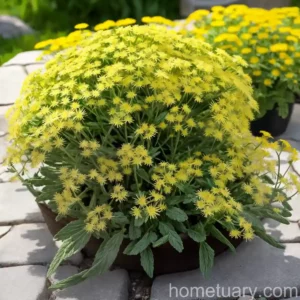
Everlasting Flower (Xerochrysum bracteatum): A Comprehensive Guide to Cultivation and Care
Introduction
As a plant scientist, I am thrilled to delve into the captivating world of the everlasting flower, scientifically known as Xerochrysum bracteatum. This mesmerizing Australian native plant, also called everlasting daisies or strawflowers, offers endless beauty and versatility. In this comprehensive guide, we will explore every aspect of the cultivation, uses, maintenance, and interesting facts about everlasting flowers. Whether you are a seasoned gardener, a flower enthusiast, or someone looking to bring a touch of nature into your surroundings, this guide will equip you with the knowledge to successfully grow and appreciate the alluring presence of Xerochrysum bracteatum.
What is an Everlasting Flower (Xerochrysum bracteatum)?
Everlasting flowers belong to the genus Xerochrysum in the family Asteraceae. The species name “bracteatum” refers to the papery bracts that protect the flower heads. This plant is renowned for its remarkable ability to retain its vibrant and vivid colors even after drying. The “everlasting” attribute of these flowers has contributed to their popularity in a wide array of decorative and ornamental applications.
Key Takeaways – Everlasting Flower (Xerochrysum bracteatum)
To lay down the foundation for our discussion, let’s take a look at the key takeaways related to everlasting flowers:
-
Xerochrysum bracteatum flowers: The flowers of Xerochrysum bracteatum, also known as everlasting daisies, exhibit captivating and long-lasting colors, making them a sought-after choice for decorative purposes.
-
Strawflowers: Everlasting flowers are often referred to as strawflowers due to the straw-like texture of their petals.
-
Perennial Flowers: Xerochrysum bracteatum is a perennial plant, offering the pleasure of its blooms year after year with the proper care and maintenance.
-
Xerochrysum bracteatum cultivation: Cultivating these flowers can be a rewarding experience, especially for those who appreciate resilient and visually appealing plants.
-
Xerochrysum bracteatum uses: Due to their longevity and beauty, everlasting flowers find diverse uses in floral arrangements, crafts, and even medicinal properties.
With these takeaways in mind, let’s embark on a journey exploring the culture, uses, and care for everlasting flowers.
Culture
Water
Everlasting flowers thrive in well-draining soil and are relatively drought-tolerant once established. When it comes to watering, it’s essential to strike a balance. Overwatering can lead to root rot, while underwatering may hinder the plant’s growth and blooming.
Key Points:
– Water the plants moderately, ensuring that the soil is neither waterlogged nor completely dry.
– During periods of intense heat or prolonged dry spells, provide supplemental watering to support the plants.
Sunlight
A crucial aspect of the culture of everlasting flowers is their sun exposure. These plants display a preference for full sun, which translates to around 6-8 hours of direct sunlight daily.
Key Points:
– Select a location for planting that receives ample sunlight throughout the day.
– In regions with scorching summers, some afternoon shade can benefit the plants, preventing them from experiencing heat stress.
Soil
Understanding the soil preferences of everlasting flowers is vital for their successful cultivation. These plants thrive in well-draining, loamy soil with a slightly acidic to neutral pH.
Key Points:
– Amend the soil with organic matter to enhance its drainage and fertility.
– Avoid waterlogged or compacted soil, as it can negatively impact the growth and overall health of the plants.
Uses
Everlasting flowers offer a plethora of uses, extending beyond their presence in garden landscapes. Let’s delve into the various ways in which these captivating blooms enhance our lives.
Cut Flowers
One of the primary uses of everlasting flowers is as cut flowers for floral arrangements and decorative displays. Their remarkable ability to retain their vibrant colors even after drying makes them a popular choice for both professional florists and enthusiasts.
Key Points:
– Harvest the flowers at their peak, and hang them upside down in a well-ventilated area to dry.
– Once dried, everlasting flowers can be used in an assortment of floral creations, including wreaths, bouquets, and dried flower arrangements.
Ornamental Plants
The ornamental value of everlasting flowers cannot be overstated. These plants contribute a unique and striking visual appeal to gardens, adding a touch of elegance and charm with their long-lasting blooms.
Key Points:
– Incorporate everlasting flowers into borders, rock gardens, or as a standalone feature to introduce captivating colors and textures into the landscape.
– Choose from a variety of Xerochrysum bracteatum cultivars to create visually captivating garden designs.
Medicinal Properties
In addition to their aesthetic allure, everlasting flowers have been associated with certain health benefits in traditional medicine. From herbal teas to essential oils, various parts of the plant have been utilized for their potential medicinal properties.
Key Points:
– Seek guidance from herbalists or healthcare professionals before utilizing everlasting flowers for medicinal purposes.
– Explore the potential benefits of everlasting flowers within the realm of holistic and traditional medicine.
Water
Everlasting flowers thrive in well-draining soil and are relatively drought-tolerant once established. When it comes to watering, it’s essential to strike a balance. Overwatering can lead to root rot, while underwatering may hinder the plant’s growth and blooming.
Key Points:
– Water the plants moderately, ensuring that the soil is neither waterlogged nor completely dry.
– During periods of intense heat or prolonged dry spells, provide supplemental watering to support the plants.
Sunlight
A crucial aspect of the culture of everlasting flowers is their sun exposure. These plants display a preference for full sun, which translates to around 6-8 hours of direct sunlight daily.
Key Points:
– Select a location for planting that receives ample sunlight throughout the day.
– In regions with scorching summers, some afternoon shade can benefit the plants, preventing them from experiencing heat stress.
Fertilizer
The application of fertilizer can play a significant role in promoting the healthy growth and abundant blooming of everlasting flowers. When selecting a fertilizer for these plants, opt for a balanced, water-soluble fertilizer with an NPK ratio tailored to flowering plants.
Key Points:
– Apply fertilizer sparingly, as these plants are not heavy feeders. Excessive fertilization can result in vegetative growth at the expense of blooming.
– Fertilize the plants in early spring as they enter their active growth phase, and consider a second application after the first blooming cycle to support continuous flowering.
Soil
Understanding the soil preferences of everlasting flowers is vital for their successful cultivation. These plants thrive in well-draining, loamy soil with a slightly acidic to neutral pH.
Key Points:
– Amend the soil with organic matter to enhance its drainage and fertility.
– Avoid waterlogged or compacted soil, as it can negatively impact the growth and overall health of the plants.
Pruning
Pruning plays a crucial role in shaping the growth and enhancing the blooming potential of everlasting flowers. Regular deadheading, in particular, can prolong the flowering period and maintain the plants’ vigor.
Key Points:
– Remove spent flowers regularly to encourage the plants to produce new blooms.
– Prune back leggy stems or overgrown foliage to maintain a compact and tidy growth habit.
Propagation
Propagating everlasting flowers allows you to expand your collection and share the beauty of these plants with others. From seeds to stem cuttings, several methods can be employed to propagate Xerochrysum bracteatum.
Key Points:
– Propagate everlasting flowers from seeds, which can be sown directly into the garden soil after the last frost date.
– For vegetative propagation, take stem cuttings from healthy, established plants and root them in a well-draining propagation medium.
Container Popularity
The versatile nature of everlasting flowers makes them popular choices for container gardening. Their compact growth habit and striking blooms make them well-suited for various container arrangements, from patio planters to window boxes.
Key Points:
– Select containers with adequate drainage holes, ensuring that the soil does not become waterlogged.
– Incorporate everlasting flowers into mixed container gardens, pairing them with complementary plants to create visually captivating displays.
Common Diseases
While Xerochrysum bracteatum is relatively resilient, certain diseases can pose a threat to the health of these plants. Recognizing the symptoms and understanding preventive measures is crucial for maintaining the vitality of everlasting flowers.
Disease Diagnosis
Understanding the signs of common diseases afflicting everlasting flowers can aid in timely intervention and management. Keep an eye out for symptoms such as wilting, discoloration, or abnormal growth patterns, which may indicate potential disease issues.
Key Points:
– Conduct regular inspections of the plants to identify any signs of disease or distress.
– Promptly address any suspected disease issues through appropriate treatments or preventive measures, such as improving air circulation and minimizing moisture on foliage.
Common Pests
While relatively resistant to pest infestations, everlasting flowers may still encounter certain pests that can disrupt their growth and flowering. Identifying and addressing pest issues promptly is essential for preserving the health and vitality of the plants.
Key Points:
– Keep an eye out for common pests such as aphids, spider mites, and thrips, which may affect the foliage and blooms of everlasting flowers.
– Employ natural pest control methods whenever possible, and consider the use of insecticidal soaps or horticultural oils for targeted pest management.
Botanist’s Tips
As a plant scientist with a profound appreciation for the beauty and resilience of everlasting flowers, I have gathered a selection of tips to aid you in cultivating and caring for Xerochrysum bracteatum.
Fun Facts
Let’s unravel some fascinating and lesser-known facts about everlasting flowers, shedding light on their unique attributes and cultural significance.
- Everlasting flowers have been traditionally associated with symbolism representing longevity, resilience, and everlasting love, making them popular choices for wedding decorations and bouquets.
- The floral crafts and decorative uses of everlasting flowers have a rich history, with dried arrangements dating back centuries in various cultures and traditions.
- The papery texture of everlasting flower petals adds an intriguing tactile element to floral designs and crafts, making them a favorite among artisans and creators.
Links to External Resources
For further exploration and in-depth information, consider delving into the following external resources:
- Royal Horticultural Society – Xerochrysum bracteatum
- University of Florida IFAS Extension – Everlasting Flowers for Central Florida
- Australian National Herbarium – Xerochrysum bracteatum
As we conclude our comprehensive guide to everlasting flowers, I encourage you to embark on your journey of cultivating and appreciating the enduring beauty of Xerochrysum bracteatum. Whether in gardens, containers, or floral arrangements, these captivating flowers exemplify nature’s remarkable artistry and resilience, enriching our lives with their everlasting presence.