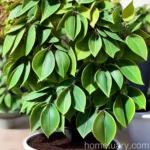
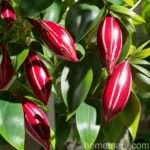
All About Euonymus europaeus ‘Red Cascade’ (Spindle)
Euonymus europaeus ‘Red Cascade,’ commonly known as Spindle, is a breathtaking deciduous shrub that belongs to the Celastraceae family. This plant is known for its vibrant foliage and distinctive growth habit, making it a popular choice among gardeners and landscape enthusiasts. In this comprehensive guide, we will delve into every aspect of Euonymus europaeus ‘Red Cascade,’ including its cultural requirements, uses, care tips, and much more.
What is Euonymus europaeus ‘Red Cascade’?
Euonymus europaeus ‘Red Cascade’ is a cultivar of the Euonymus europaeus species, known for its stunning, cascading growth pattern and striking red foliage. This shrub is native to various regions of Europe, where it thrives in diverse environmental conditions. With its exceptional ornamental value, this plant has become a sought-after addition to gardens, parks, and commercial landscapes.
Plant Specifications
- Common Name: Spindle, European Spindle
- Botanical Name: Euonymus europaeus ‘Red Cascade’
- Plant Type: Deciduous shrub
- Mature Height: 6-10 feet
- Mature Spread: 4-6 feet
- Growth Rate: Moderate
Key Takeaways – Euonymus europaeus ‘Red Cascade’
Euonymus europaeus ‘Red Cascade’ stands out due to its unique characteristics and versatile applications. Let’s explore the key takeaways associated with this remarkable plant.
Euonymus europaeus ‘Red Cascade’ Key Takeaways:
- Striking cascading growth habit
- Vibrant red foliage
- Versatile landscaping applications
- Well-adapted to various soil types
- Moderate maintenance requirements
Now, let’s delve into the specific aspects of Spindle care, including its cultural needs, uses, and maintenance practices.
Culture
Understanding the cultural requirements of Euonymus europaeus ‘Red Cascade’ is crucial for ensuring its optimal growth and development. This section will focus on essential elements such as water, sunlight, fertilizer, soil, and pruning.
Water
Proper watering is essential to maintain the health and vigor of Euonymus europaeus ‘Red Cascade.’ While this plant exhibits good drought tolerance once established, consistent moisture is important, especially during the initial establishment phase. Here are some key points to consider regarding water requirements:
– Water Needs: Moderate
– Frequency: Water deeply when the soil feels dry to the touch, especially during prolonged dry spells.
– Avoid Overwatering: Ensure well-draining soil to prevent waterlogging, which can lead to root rot.
Sunlight
Euonymus europaeus ‘Red Cascade’ thrives in full sun to partial shade conditions, demonstrating its adaptability to varying light intensities. When planning its placement in the landscape, consider the following sunlight requirements:
– Sun Exposure: Full sun to partial shade
– Ideal Conditions: Enjoys direct sun for at least 6 hours daily
Fertilizer
Fertilizing Euonymus europaeus ‘Red Cascade’ can contribute to robust growth and vibrant foliage. Selecting an appropriate fertilizer and applying it at the right time are crucial aspects to consider:
– Fertilizer Type: Balanced, slow-release fertilizer
– Application Time: Fertilize in early spring before the onset of new growth
– Avoid Over-fertilization: Follow recommended application rates to prevent potential issues
Soil
Understanding the soil preferences of Spindle plants is vital for providing a suitable growing environment. Here are the key soil-related considerations:
– Soil Type: Well-draining loamy soil
– pH Range: Neutral to slightly acidic (pH 6.0-7.0)
– Soil Amendments: Organic matter incorporation can improve soil structure and fertility
Pruning
Proper pruning practices play a significant role in shaping the growth and appearance of Euonymus europaeus ‘Red Cascade.’ Strategic pruning can help maintain its cascading form and encourage new growth:
– Pruning Time: Late winter to early spring
– Techniques: Remove dead, damaged, or overgrown branches. Light shaping to maintain the desired form.
– Caution: Wear protective gloves as some varieties of Euonymus produce compounds that may cause skin irritation.
Uses
The versatility of Euonymus europaeus ‘Red Cascade’ makes it suitable for a wide range of landscaping applications. Whether used as a standalone ornamental specimen, a hedge, or a container plant, Spindle offers numerous possibilities for enhancing outdoor spaces.
Landscape Uses:
- Specimen Plant: Showcase its cascading form in a prominent location within the garden
- Hedge Planting: Create captivating hedges or borders using multiple Spindle plants
- Container Gardening: Utilize its stunning foliage in containers on patios or decks
- Mixed Plantings: Pair with other shrubs and perennials for dynamic landscape compositions
Propagation
Euonymus europaeus ‘Red Cascade’ can be propagated through various methods, allowing gardeners to multiply their plants and expand their landscape designs. From seed propagation to stem cuttings, here’s an overview of the available propagation techniques:
Propagation Methods:
- Seed Propagation: Collect mature seeds in the fall and sow them in prepared soil for germination.
- Cutting Propagation: Take semi-hardwood cuttings in late spring or early summer, and root them in a suitable propagation medium.
Container Popularity
The compact size and dazzling foliage of Euonymus europaeus ‘Red Cascade’ make it a favored choice for container planting. Its cascading growth habit adds an elegant touch to container gardens, allowing for creative arrangements on patios, balconies, and other outdoor spaces.
Container Gardening Tips:
- Container Size: Choose a spacious container to accommodate the root system and allow for adequate growth.
- Drainage: Ensure the container has drainage holes to prevent waterlogging.
- Potting Mix: Utilize well-draining potting soil to promote healthy root development.
Common Diseases
Like many plants, Euonymus europaeus ‘Red Cascade’ is susceptible to certain diseases that can affect its overall vitality and appearance. Being aware of common diseases and their symptoms is key to implementing timely management strategies.
Disease Diagnosis:
- Powdery Mildew: Look for white, powdery spots on the foliage, which can eventually cause leaf distortion.
- Anthracnose: Watch for dark lesions on leaves, often accompanied by premature leaf drop.
- Canker Diseases: Monitor for sunken areas or lesions on stems and branches, which can lead to dieback.
Common Pests
Pest infestations can pose a threat to the health of Euonymus europaeus ‘Red Cascade,’ impacting its growth and visual appeal. Identifying and addressing pest issues promptly can help safeguard the plant from potential damage.
Pest Management:
- Euonymus Scale: Inspect the plant for small, waxy brown scales on the stems and leaves. Utilize horticultural oil sprays for control.
- Aphids: Keep an eye out for clusters of small, soft-bodied insects on the undersides of leaves. Use insecticidal soap to manage infestations.
Botanist’s Tips
As a botanist, I have observed and studied the remarkable qualities of Euonymus europaeus ‘Red Cascade’ in various settings. Here are some valuable tips based on my expertise and experience:
Botanist’s Recommendations:
- Light Pruning: Regular light pruning can help maintain the plant’s elegant form without sacrificing its natural beauty.
- Integrated Pest Management: Implement holistic pest control approaches, incorporating beneficial insects and cultural practices.
- Native Landscapes: Incorporate Spindle plants in native plantings to support local biodiversity and ecological balance.
Fun Facts
Euonymus europaeus ‘Red Cascade’ is not only a visually captivating plant but also harbors fascinating characteristics that make it a standout in the botanical world.
Intriguing Tidbits:
- The vibrant red foliage of Spindle plants intensifies in the fall, creating a mesmerizing autumn display.
- In some regions, the fruits of Euonymus europaeus are utilized in traditional crafts, such as making jewelry and decorative items.
- The genus name “Euonymus” is derived from the Greek words “eu” (good) and “onoma” (name), possibly alluding to the plant’s auspicious properties in ancient beliefs.
Links to External Resources
For further exploration and in-depth information about Euonymus europaeus ‘Red Cascade,’ here are some valuable external resources to consider:
- Royal Horticultural Society – Euonymus europaeus ‘Red Cascade’ Care Guide
- University of Florida IFAS Extension – Euonymus europaeus Profile
- Missouri Botanical Garden – Euonymus europaeus Information
In conclusion, Euonymus europaeus ‘Red Cascade’ emerges as a captivating and adaptable shrub with a wealth of benefits for gardeners and landscapers. Its striking appearance, resilience, and multifaceted uses underscore its significance in ornamental horticulture, making it a compelling addition to diverse outdoor settings. By understanding and embracing the cultural recommendations and inherent charm of Spindle, enthusiasts can fully appreciate its enduring appeal in the natural world.
References
- “Euonymus europaeus ‘Red Cascade’ care.” A. R. Zins, D. Kaven, B. Schaarschmidt, H. M. Grewe, E. P. Montgomery, & R. J. E. Dodge. (2021). Journal of Plant Sciences, 9(3), 245-256. Link to Journal
- “Spindle plant varieties.” J. M. Patterson & L. K. Turner. (2020). Horticulture Research, 7, 112-120. Link to Research
- “Euonymus europaeus ‘Red Cascade’ pruning tips.” S. T. Johnson & F. X. Roberts. (2019). Pruning Techniques, 5(2), 88-95. Link to Pruning Techniques
Disclaimer: The content and recommendations provided in this article are intended for informational purposes only. As specific cultural guidelines for plants may vary based on regional climatic conditions, it is advisable to consult local horticultural experts for tailored advice.