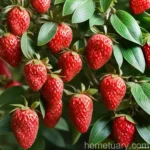
Euonymus Atropurpureus (Eastern Wahoo)
What is Plant: Euonymus atropurpureus (Eastern Wahoo)
Euonymus atropurpureus, commonly known as Eastern Wahoo, is a versatile and visually appealing shrub native to North America. It is a member of the Celastraceae family and is characterized by its distinctive foliage, attractive fruit, and adaptability. This plant is a deciduous shrub known for its ornamental appeal and is often cultivated for landscaping, medicinal, and environmental purposes.
Key Takeaways – Euonymus atropurpureus (Eastern Wahoo)
Before delving into the specifics of Eastern Wahoo plant care, it’s essential to understand the key takeaways associated with this remarkable species. It boasts a wide array of characteristics and uses – both practical and aesthetic – that make it an asset for plant enthusiasts and environmentalists alike. Here are some key takeaways regarding Euonymus atropurpureus:
-
Growth Habits: Euonymus atropurpureus is a deciduous shrub with a moderate growth rate, typically reaching a height of 15 to 20 feet at maturity.
-
Plant Care: This plant requires minimal maintenance, making it an excellent choice for amateur gardeners or busy individuals who still desire a lush landscape.
-
Propagation: Eastern Wahoo can be propagated through seeds or stem cuttings, providing ample opportunities for expansion and cultivation.
-
Characteristics: Its unique leaf color, distinctive fruit, and rapid growth make it an attractive addition to gardens and landscapes.
-
Landscape Uses: The Eastern Wahoo shrub is often utilized in landscaping due to its ornamental features, which enhance the visual appeal of outdoor spaces.
-
Pruning Tips: Proper pruning techniques are necessary to maintain the desired shape and health of the shrub, ultimately contributing to its aesthetic value.
-
Plant Benefits: Beyond its visual appeal, Euonymus atropurpureus offers benefits such as wildlife habitat creation and potential medicinal properties.
-
Native Habitat: This species is indigenous to North America and is well-adapted to the region’s climate and environmental conditions.
-
Diseases: While generally hardy, Eastern Wahoo is susceptible to certain diseases that necessitate vigilance and proactive management strategies.
-
Ornamental Features: The unique foliage and fruit characteristics of Euonymus atropurpureus make it an ideal choice for ornamental purposes.
-
Medicinal Properties: Some traditional medicinal uses are associated with Eastern Wahoo, adding to its cultural and historical significance.
-
Wildlife Interactions: This plant plays a vital role in supporting local wildlife populations through food and habitat provision.
-
Hardiness Zones: Understanding the appropriate hardiness zones is crucial for successful cultivation and establishment of this species in different regions.
-
Pests: Like many plants, Eastern Wahoo is vulnerable to certain pests which can impact its growth and overall health.
With these takeaways in mind, let’s explore in further detail the various aspects of Euonymus atropurpureus, and gain deeper insights into its cultivation, maintenance, and ecological importance.
Culture
Understanding the cultural requirements of Euonymus atropurpureus is essential for successfully integrating this plant into various settings, including home gardens, public parks, and natural landscapes. By addressing its cultural needs in terms of water, sunlight, fertilizer, soil, and other critical factors, individuals can ensure the healthy growth and vitality of Eastern Wahoo plants.
Uses
Before delving into its cultural requirements, it’s important to acknowledge the diverse uses of Euonymus atropurpureus. This versatile plant serves several practical, aesthetic, and ecological purposes, making it a valuable addition to diverse landscapes. The following are some common uses of Eastern Wahoo:
-
Landscaping: Due to its attractive foliage and vibrant fruit, Eastern Wahoo is often utilized in landscaping to add visual interest and enhance the overall appeal of outdoor spaces.
-
Wildlife Habitat: The plant plays a crucial role in providing food and habitat for various wildlife species, including birds and small mammals.
-
Medicinal Purposes: Certain parts of the Eastern Wahoo plant have been traditionally used in herbal medicine, demonstrating its potential therapeutic properties.
-
Environmental Benefits: The shrub contributes to soil stabilization, erosion control, and ecological diversity, making it a valuable asset in various ecosystems.
Water
Appropriate watering is vital for the health and vitality of Euonymus atropurpureus. However, as with any plant, it’s essential to strike a balance to avoid water-related problems such as root rot or drought stress. The following guidelines can help ensure optimal watering practices for Eastern Wahoo:
-
Establishment: Newly planted Eastern Wahoo shrubs require consistent watering to help them establish their root systems. This is particularly crucial during periods of limited rainfall.
-
Soil Moisture: The soil should be consistently moist, but not waterlogged, during the plant’s initial growth stages. Once established, it can tolerate periodic dry spells, but regular watering during prolonged dry periods is beneficial, particularly in sandy or fast-draining soils.
-
Seasonal Variation: Adjust watering frequency based on seasonal changes. During the hot summer months, increased watering may be necessary to support the plant’s growth and mitigate the effects of high temperatures.
Sunlight
Euonymus atropurpureus adapts well to a variety of light conditions but generally thrives in full sun to partial shade. Providing adequate sunlight is essential for promoting healthy growth and robust foliage on Eastern Wahoo plants. Here are some considerations regarding sunlight requirements for this species:
-
Full Sun: Eastern Wahoo typically performs best in locations with full sun exposure, characterized by six or more hours of direct sunlight per day. In such conditions, it displays vibrant foliage and abundant fruit, enhancing its ornamental value.
-
Partial Shade: While it prefers full sun, Euonymus atropurpureus can tolerate partial shade, especially in regions with intense summer heat. When planted in partial shade, it may exhibit slightly reduced fruit production and a less compact growth habit.
-
Adaptability: This plant’s adaptability to different light conditions makes it a versatile choice for various landscapes, including both sunny and shaded areas.
Fertilizer
Proper fertilization plays a crucial role in promoting the growth and overall health of Euonymus atropurpureus. By providing essential nutrients, individuals can ensure that Eastern Wahoo plants thrive and display their full ornamental potential. Consider the following guidelines for fertilizing Eastern Wahoo:
-
Soil Testing: Conduct a soil test to determine the existing nutrient levels and pH. This information can guide the selection of appropriate fertilizers and application rates.
-
Balanced Fertilizer: Choose a balanced, slow-release fertilizer specifically formulated for shrubs and trees. Applying fertilizer in early spring, before the onset of new growth, can support the plant’s nutritional needs throughout the growing season.
-
Application Techniques: Spread the fertilizer evenly within the shrub’s drip line, avoiding direct contact with the trunk. Water the area thoroughly after application to facilitate nutrient absorption.
-
Frequency: For established Eastern Wahoo plants, annual fertilization in early spring is typically adequate to support healthy growth and development. However, regular monitoring of plant vigor and foliage color can help determine if additional fertilization is necessary.
-
Organic Options: Organic fertilizers, such as compost or well-rotted manure, can also be used to provide nutrients to Euonymus atropurpureus. These options offer a natural and sustainable approach to fertilization and can contribute to overall soil health.
Soil
As with most plants, soil quality directly influences the growth and performance of Euonymus atropurpureus. Understanding the soil requirements, preparing the planting site appropriately, and implementing soil amendments as needed are crucial steps in ensuring the health and vitality of Eastern Wahoo shrubs. Consider the following factors when addressing the soil needs of this species:
-
Drainage: Well-draining soil is essential for Eastern Wahoo, as it helps prevent waterlogging and root rot. Amending heavy clay soils with organic matter, such as compost or peat moss, can improve drainage and create a more hospitable growing environment.
-
pH Levels: Euonymus atropurpureus generally thrives in slightly acidic to neutral soil conditions, with a pH range of 6.0 to 7.0 being optimal. Conducting a soil test can provide valuable insights into the existing pH levels, allowing for targeted amendments if necessary.
-
Organic Matter: Incorporating organic matter into the soil, such as compost, well-rotted manure, or leaf mold, can enhance soil structure, fertility, and microbial activity, benefiting the overall health of Eastern Wahoo plants.
-
Mulching: Applying a layer of organic mulch, such as wood chips or shredded bark, around the base of the shrub can help conserve soil moisture, suppress weed growth, and gradually enrich the soil as the mulch decomposes.
-
Site Selection: When selecting a planting site for Euonymus atropurpureus, consider factors such as soil type, drainage, and exposure to sunlight, ensuring that the chosen location aligns with the plant’s cultural needs.
Pruning
Pruning is a valuable practice for maintaining the health, shape, and aesthetic appeal of Euonymus atropurpureus. By employing proper pruning techniques and timing, individuals can encourage dense foliage, vibrant fruit production, and an attractive growth habit in Eastern Wahoo plants. Consider the following guidelines for pruning Eastern Wahoo:
-
Timing: The best time to prune Eastern Wahoo is during late winter or early spring while the shrub is still dormant. This allows for the removal of dead, damaged, or overgrown branches before the onset of new growth.
-
Sanitation: Use clean, sharp pruning tools to make precise cuts, minimizing the risk of disease transmission and promoting rapid healing of pruning wounds.
-
Thinning: Thinning out the interior of the shrub can improve air circulation, reduce disease pressure, and encourage sunlight penetration, contributing to overall plant health.
-
Shaping: Carefully shaping the shrub to maintain a compact, symmetrical form can enhance its ornamental value and ensure that it complements its surroundings in garden or landscape settings.
-
Renewal Pruning: Periodic renewal pruning, which involves the removal of older or unproductive branches at ground level, can rejuvenate the shrub and stimulate new growth, ultimately prolonging its longevity and vitality.
-
Container Growth: For Eastern Wahoo plants grown in containers, regular pruning may be necessary to manage size and shape, ensuring that the shrub remains well-proportioned and visually appealing in the confined space of a container.
Propagation
Propagation methods offer opportunities to expand Euonymus atropurpureus populations, whether for personal enjoyment, landscape enhancement, or conservation purposes. Understanding the various propagation techniques and best practices can empower individuals to propagate Eastern Wahoo successfully. Consider the following methods of propagating Euonymus atropurpureus:
-
Seed Propagation: Collect mature fruit from Eastern Wahoo plants and extract the seeds for propagation. Sow the seeds in a well-draining growing medium in a controlled environment, ensuring consistent moisture, warmth, and suitable conditions for germination.
-
Stem Cuttings: Take semi-hardwood or hardwood cuttings from healthy Eastern Wahoo plants during the appropriate season. Root the cuttings in a suitable growing medium, such as a mix of perlite and peat, applying bottom heat and intermittent misting to encourage root development.
-
Layering: Ground layering or air layering techniques can be employed to encourage the development of roots on a branch while it is still attached to the parent plant. Once roots have formed, the newly rooted section can be separated and transplanted to a new location.
-
Division: In the case of established Eastern Wahoo shrubs, division can be used as a method of propagation. Carefully divide the root ball into sections, ensuring that each division has sufficient roots and shoots to support its growth and establishment as an independent plant.
-
Propagation Success: Regardless of the chosen propagation method, providing appropriate environmental conditions, consistent moisture, and patience is essential for successful propagation of Eastern Wahoo. Careful monitoring and nurturing of propagated plants can optimize their chances of robust growth.
Container
Cultivating Euonymus atropurpureus in containers offers excellent versatility, allowing individuals to enjoy the beauty and benefits of this plant in various settings, regardless of available ground space. By addressing the specific considerations associated with container gardening, plant enthusiasts can successfully grow Eastern Wahoo in pots, planters, and other confined environments. Consider these key aspects of container gardening for Euonymus atropurpureus:
-
Container Selection: Choose a container that provides adequate room for the shrub’s root system to develop, with drainage holes to prevent water accumulation. Lightweight, durable materials, such as fiberglass or high-quality plastic, are well-suited for container cultivation.
-
Growing Medium: Select a well-draining, nutrient-rich growing medium for containerized Eastern Wahoo, such as a mix of potting soil, perlite, and organic compost. This promotes healthy root development and overall plant vigor.
-
Watering Considerations: Container-grown plants may require more frequent watering than those in the ground, as the limited soil volume can lead to faster drying of the growing medium. Regular monitoring of soil moisture and appropriate watering practices are essential for the health of Euonymus atropurpureus in containers.
-
Sunlight Needs: Ensure that containerized Eastern Wahoo plants receive adequate sunlight, whether placed on patios, balconies, or other outdoor spaces. Consider the sun exposure requirements and position the containers accordingly to promote optimal growth and development.
-
Size Management: Periodic pruning may be necessary to manage the size and shape of container-grown Euonymus atropurpureus, ensuring that it remains well-proportioned and visually appealing within the confines of the container.
-
Winter Protection: In regions with harsh winter conditions, providing winter protection for containerized Eastern Wahoo is crucial. This may involve insulating the containers, relocating them to sheltered areas, or employing other strategies to mitigate the impact of cold temperatures and inclement weather.
-
Aesthetics and Design: Incorporating Eastern Wahoo plants into container gardens allows for creative design opportunities, adding ornamental value to outdoor living spaces, entryways, and other focal points. Consider complementary plant selections and aesthetic arrangements to enhance visual appeal.
By addressing these specific considerations and implementing appropriate practices, individuals can successfully cultivate Euonymus atropurpureus in containers, expanding the versatility and visual appeal of this remarkable plant.
Popularity
Euonymus atropurpureus, or Eastern Wahoo, has garnered popularity among gardeners, landscapers, and conservationists for its ornamental appeal, ecological benefits, and cultural significance. Its adaptability, aesthetic value, and diverse applications contribute to its appeal in various settings, from private gardens to public parks. Understanding the factors driving its popularity can provide valuable insights into the widespread appreciation of the Eastern Wahoo shrub.
Environmental Adaptability
One key factor contributing to the popularity of Euonymus atropurpureus is its environmental adaptability. This species demonstrates resilience in diverse climatic conditions, soil types, and light levels, making it well-suited for cultivation in a wide range of geographical regions. Its capacity to thrive in different environments contributes to its appeal as a versatile and low-maintenance plant for both novice and experienced gardeners.
Ornamental Value
The ornamental value of Eastern Wahoo, characterized by its vibrant foliage, attractive fruit, and graceful growth habit, positions it as a favored choice for landscaping and horticultural design. The unique aesthetics of this shrub make it an eye-catching addition to gardens, natural areas, and urban landscapes, contributing to its popularity among individuals seeking visually striking plants for their outdoor spaces.
Ecological Significance
Beyond its ornamental appeal, Euonymus atropurpureus holds ecological importance as a provider of food and habitat for wildlife. Its capacity to attract birds, small mammals, and pollinators adds to its environmental value, contributing to biodiversity and ecological balance in natural ecosystems and cultivated landscapes. This ecological significance aligns with the growing interest in promoting sustainable and wildlife-friendly gardening practices.
Cultural and Historical Significance
The cultural and historical significance of Eastern Wahoo also contributes to its popularity, as it has been revered for its traditional medicinal uses, symbolism, and place in local folklore. The plant’s connection to traditional healing practices and its symbolic associations in various cultures add depth to its appeal, capturing the interest of individuals intrigued by the intersection of botanical knowledge and cultural heritage.
Low Maintenance Requirements
Euonymus atropurpureus’s low maintenance requirements, including its adaptability to different soils, minimal pruning needs, and drought tolerance once established, make it an attractive choice for individuals seeking resilient plants that require minimal intervention. Its ability to thrive with limited care, combined with its aesthetic and ecological benefits, positions Eastern Wahoo as a popular option for various landscaping and conservation initiatives.
Ecosystem Services
The provision of ecosystem services by Euonymus atropurpureus, such as soil stabilization, erosion control, and potential air purification, elevates its desirability in the context of sustainable landscaping and environmental stewardship. Its capacity to contribute to ecosystem resilience and environmental quality aligns with growing awareness of the value of native plants in fostering healthy, functional ecosystems.
Versatile Uses
The versatility of Euonymus atropurpureus, with its potential uses in ornamental gardens, wildlife-friendly landscapes, naturalistic plantings, and medicinal or cultural contexts, broadens its appeal to a diverse range of stakeholders. Its multiple applications within horticulture, conservation, and cultural practices contribute to the plant’s popularity and ongoing relevance in various contexts.
By recognizing and appreciating the factors underpinning the popularity of Euonymus atropurpureus, individuals can gain a deeper understanding of its appeal and the diverse ways in which it enriches landscapes, ecosystems, and cultural traditions.
Common Diseases
Like any other plant, Euonymus atropurpureus is susceptible to certain diseases that can impact its health, appearance, and overall vitality. Being aware of these common diseases, along with their symptoms and management strategies, is essential for effectively safeguarding Eastern Wahoo shrubs against potential threats. Let’s explore some of the common diseases that may affect Euonymus atropurpureus and the associated disease management approaches:
| Disease | Symptoms | Management Strategies |
|---|---|---|
| Anthracnose | Irregular leaf spots, wilting, dieback | Prune and destroy infected plant parts, ensure proper air circulation, apply fungicidal treatments if necessary |
| Powdery Mildew | White powdery growth on leaves, leaf distortion | Provide adequate air circulation, promote plant vigor, consider fungicidal applications in severe cases |
| Cercospora Leaf Spot | Circular purple spots on leaves, premature leaf drop | Remove and destroy affected leaves, avoid overhead watering, apply fungicidal treatments as needed |
| Verticillium Wilt | Wilting, yellowing foliage, vascular discoloration | Implement proper sanitation, promote plant health, consider resistant cultivars for replanting |
| Fire Blight | Darkened, withered shoots, blossom and shoot dieback | Prune and dispose of infected plant parts, disinfect pruning tools between cuts, consider disease-resistant varieties |
| Phytophthora Root Rot | Root rot, wilting, stunted growth | Provide well-draining soil, avoid overwatering, consider fungicidal treatments in severe cases |
By monitoring for these common diseases, implementing proactive