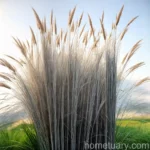
Eulalia Plant (Miscanthus sinensis ‘Gracillimus’): A Complete Guide
Ornamental grasses have gained immense popularity in landscaping due to their aesthetic appeal, low maintenance, and versatility in various environmental conditions. Among the wide array of ornamental grasses, eulalia (Miscanthus sinensis ‘Gracillimus’) stands out for its striking appearance and adaptive nature. In this comprehensive guide, we will delve into the various aspects of eulalia grass, from its cultural requirements and uses to common pests and diseases, leaving no stone unturned in understanding and appreciating this beautiful plant.
What is Eulalia Plant?
Eulalia, scientifically known as Miscanthus sinensis ‘Gracillimus’, is a perennial ornamental grass renowned for its graceful appearance and myriad landscaping applications. Commonly referred to as eulalia grass, Gracillimus maiden grass, Chinese silver grass, or Japanese silver grass, this plant belongs to the Poaceae family and is native to East Asia, including China, Japan, and Korea. The name eulalia is derived from the Greek word “eulalia,” which means sweet-speaking or well-spoken.
Often described as a clump-forming, warm-season grass, eulalia boasts feathery plumes, slender leaves, and an upright yet arching habit, adding texture, movement, and visual interest to gardens, naturalized landscapes, and urban spaces. Its adaptability to a diverse range of growing conditions, from full sun to partial shade and well-drained soil to moderately moist soil, makes it a favorite among gardeners and landscapers.
Key Takeaways
Before we delve deeper into the various aspects of eulalia (Miscanthus sinensis ‘Gracillimus’), let’s summarize the key takeaways that we will explore in detail throughout this guide:
- Culture: Understanding the cultural requirements for successfully cultivating eulalia.
- Uses: Exploring the landscaping and ornamental uses of eulalia in various settings.
- Water: Learning about the water needs of eulalia and best practices for irrigation.
- Sunlight: Identifying the ideal sunlight conditions for eulalia’s growth and development.
- Fertilizer: Exploring the role of fertilization in enhancing eulalia’s vigor and aesthetic appeal.
- Soil: Understanding the importance of soil quality and composition for eulalia’s optimal growth.
- Pruning: Discussing the best practices for pruning eulalia to maintain its attractive form.
- Propagation: Exploring different methods of propagating eulalia for expanding its presence in gardens and landscapes.
- Container Popularity: Understanding the suitability of eulalia for container gardening and its pervasive popularity in such settings.
- Common Diseases: Identifying the prevalent diseases that may affect eulalia and their management.
- Disease Diagnosis: Equipping gardeners with the knowledge to diagnose diseases in eulalia for timely intervention.
- Common Pests: Recognizing the common pests that may pose a threat to eulalia and effective pest control measures.
- Botanist’s Tips: Providing expert tips and recommendations for nurturing and maintaining eulalia.
- Fun Facts: Uncovering intriguing and lesser-known facts about eulalia that add to its allure.
- Links to External Resources: Accessing additional references and resources to further explore eulalia and its cultivation.
Now, let’s embark on a detailed journey through the world of eulalia, unveiling its cultural nuances, practical uses, and strategies for ensuring its vitality and resilience in diverse growing environments.
Culture
Cultivating eulalia successfully begins with a comprehensive understanding of its cultural requirements, encompassing factors such as water, sunlight, soil, and fertilization. By creating an environment that mimics its natural habitat and addresses its specific needs, gardeners and landscapers can ensure the health and vibrancy of the eulalia grass. Let’s delve into the various cultural aspects that play a pivotal role in shaping the growth and development of eulalia:
Water
- Water Needs: Eulalia exhibits moderate water needs, making it well-suited for various moisture conditions, from well-drained soil to moderately moist soil. It is essential to strike a balance in watering, avoiding both waterlogged conditions and prolonged periods of drought.
- Irrigation Practices: For established eulalia plants, a deep watering once a week during dry spells is generally sufficient. When newly planted, regular watering is crucial to aid in root establishment and ensure robust growth. Mulching around the base of the plant can help in moisture retention and reducing water loss through evaporation.
- Avoiding Waterlogging: Eulalia is susceptible to root rot when subjected to waterlogged conditions for an extended duration. Therefore, ensuring proper drainage in the soil and allowing excess water to escape effectively is paramount in preventing waterlogging and its associated detrimental effects.
Sunlight
- Sun Requirements: Eulalia thrives in full sun to partial shade, displaying its best growth and ornamental characteristics under adequate sunlight. While it can tolerate some shade, providing at least 6 hours of direct sunlight per day is ideal for promoting vigorous growth, leaf coloration, and the development of its signature plumes.
Fertilizer
- Nutrient Requirements: Eulalia is not overly demanding in terms of fertilization, and excessive fertilization can lead to overly lush foliage with reduced structural integrity. A balanced, slow-release fertilizer applied in spring can provide the necessary nutrients for healthy growth without inducing excessive vigor.
- Fertilization Frequency: A yearly application of fertilizer in early spring, as new growth emerges, can suffice for promoting eulalia’s health and vigor. It is advisable to follow the manufacturer’s recommendations for the specific fertilizer being used to avoid over-application.
Soil
- Soil Composition: Eulalia thrives in well-drained soil with a loamy texture, and it can adapt to a wide range of soil pH levels. While it can tolerate various soil types, providing a rich, fertile soil with good drainage is conducive to its optimal growth and overall health.
- Amending Soil: Incorporating organic matter, such as compost or well-rotted manure, into the planting area before establishing eulalia can enhance soil structure, improve nutrient retention, and foster a favorable environment for root development.
Pruning
- Pruning Timing: Eulalia typically benefits from a rejuvenation pruning in late winter or early spring before new growth emerges. This involves cutting back the entire plant to a height of 6-12 inches above the ground to encourage fresh growth and maintain its aesthetic appeal.
- Maintenance Pruning: Throughout the growing season, removing faded or damaged foliage and spent plumes can help in maintaining a tidy appearance and directing the plant’s energy towards new growth and plume production.
Uses
Eulalia grass finds extensive utilization in landscaping, horticulture, and urban gardening due to its versatility, adaptability, and aesthetic appeal. Whether employed as a standalone specimen, a mass planting, or an accent plant, eulalia offers a myriad of uses in various settings, adding visual interest, texture, and year-round appeal to outdoor spaces. Let’s explore the diverse applications of eulalia in different contexts:
-
Landscaping with Eulalia: Eulalia serves as an excellent landscape plant, contributing to both formal and informal garden designs. Its erect yet arching habit, coupled with its feathery plumes and fine-textured foliage, makes it an ideal candidate for borders, screens, and mixed perennial beds. Its ability to withstand adverse environmental conditions, such as wind and moderate drought, further enhances its suitability for landscaping.
-
Variegated Grasses: As a variegated grass, eulalia introduces interesting color contrasts and visual dynamism to landscapes, providing a striking focal point amidst greenery and flowering plants. The variegated forms of eulalia, characterized by creamy-white or golden stripes on the leaves, offer additional visual appeal and compatibility with diverse color schemes.
-
Drought-Tolerant Grasses: Eulalia’s tolerance to moderate drought makes it an attractive choice for landscapes and gardens with inconsistent or limited water availability. Its ability to retain its ornamental value even during dry periods adds to its allure as a resilient and low-maintenance plant suitable for water-wise gardening.
-
Low-Maintenance Grasses: The minimal care requirements of eulalia, combined with its adaptability to various soil types and environmental conditions, make it an ideal candidate for low-maintenance landscapes, naturalized areas, and roadside plantings.
-
Deer-Resistant Grasses: Eulalia is known for its deer-resistant properties, making it an invaluable asset in landscapes where deer browsing is a concern. Its resistance to browsing by deer and other wildlife contributes to its suitability for rural, suburban, and woodland settings.
-
Shade-Tolerant Grasses: While eulalia thrives in full sun, it can tolerate partial shade, expanding its potential applications in shaded gardens, woodland edges, and areas with dappled sunlight. Its ability to maintain its form and attractiveness in shaded conditions enhances its versatility as a landscape plant.
-
Sun-Loving Grasses: In settings where full sun prevails, such as open meadows, prairies, and coastal landscapes, eulalia excels in its growth and ornamental value, offering a dynamic presence characterized by its graceful foliage and striking plumes.
-
Grasses for Borders: Eulalia’s clumping growth habit and upright form make it a compelling choice for border plantings, where it imparts structure, movement, and seasonal interest. Whether employed as a living border or accentuating garden pathways, eulalia’s presence can significantly enhance the visual impact of the border landscape.
-
Grasses with Feathery Plumes: The feathery plumes produced by eulalia in late summer and fall add a dramatic touch to landscapes, particularly when backlit by the sunlight. Their swaying motion and ethereal appearance contribute to the dynamic character of eulalia grasses and evoke a sense of movement in the garden.
-
Grasses for Privacy Screens: Eulalia’s erect form and dense foliage make it well-suited for creating privacy screens, windbreaks, and visual barriers in outdoor spaces. When planted in clusters or rows, eulalia can form an effective living screen that provides privacy while adding natural beauty to the surroundings.
-
Grasses for Erosion Control: Due to its extensive root system and clumping growth habit, eulalia serves as an effective erosion control plant, anchoring soil on slopes, embankments, and areas prone to erosion. Its ability to stabilize soil and reduce runoff makes it an invaluable tool in preventing soil erosion and preserving the integrity of landscapes.
-
Indigenous Grasses: As a native of East Asia, eulalia represents an indigenous grass species with historical and ecological significance, making it a meaningful addition to native plant gardens, restoration projects, and conservation efforts.
-
Grasses for Naturalized Landscapes: Eulalia can contribute to the naturalistic beauty of landscapes designed to mimic natural habitats, such as meadows, prairies, and wetlands. Its adaptability to various growing conditions and its ability to blend seamlessly with native plants make it a valuable component in naturalized landscapes.
-
Grasses for Wildlife Habitats: Eulalia’s dense foliage and seed heads provide shelter, nesting sites, and food sources for a variety of wildlife, including birds, small mammals, and insects. By incorporating eulalia into wildlife gardens and habitat restoration initiatives, gardeners can support local biodiversity and ecosystem health.
-
Beautiful Grasses for Gardens: When integrated into ornamental gardens, eulalia adds a touch of elegance and grace, complementing flowering perennials, shrubs, and trees. Its year-round appeal, architectural form, and alluring plumes contribute to the visual and sensory richness of garden spaces.
-
Urban Gardening with Grasses: In urban and suburban settings, eulalia can play a pivotal role in softening hardscapes, adding greenery to streetscapes, and contributing to the urban greening movement. Its ability to thrive in confined spaces, such as roadside planters and median strips, makes it a valuable asset in urban gardening projects.
-
Grasses for Coastal Landscapes: Eulalia’s resilience to salt spray and coastal conditions makes it suitable for gardens and landscapes in coastal regions, where it can withstand the challenges posed by maritime winds and salt-laden air.
-
Grasses for Windy Areas: In wind-prone areas, eulalia’s compact growth and flexibility allow it to withstand windy conditions without suffering significant damage, making it an ideal choice for gardens and landscapes subject to coastal winds or open exposures.
-
Grasses that Attract Birds: Eulalia’s seed heads and dense foliage attract various bird species, offering food and shelter throughout the year. By incorporating eulalia into bird-friendly gardens and birdwatching areas, enthusiasts can observe and appreciate the avian activity it fosters.
-
Native Grasses for Pollinators: Eulalia, as a native grass species, contributes to the forage and habitat of pollinators, including native bees, butterflies, and other beneficial insects. Its inclusion in pollinator-friendly gardens and landscapes supports the conservation of indigenous pollinators and enhances the ecological balance of the environment.
-
Ornamental Grasses for Container Gardening: Eulalia’s adaptability to container gardening makes it a versatile choice for adding height, texture, and seasonal interest to outdoor containers, planters, and patio landscapes. Its striking appearance and low-maintenance nature render it an appealing option for ornamental container displays.
-
Grasses for Rock Gardens: Eulalia can be integrated into rock gardens, alpine gardens, and dryscapes, contributing to the visual appeal and textural diversity of these unique landscapes. Its compatibility with well-drained, rocky soils makes it well-suited for rock garden settings.
-
Colorful Grasses: Eulalia, particularly variegated cultivars, introduces splashes of color and visual contrast to landscapes, offering an array of green, gold, and creamy-white hues that add dynamism and vibrancy to garden compositions.
-
Grasses with Interesting Seed Heads: The prominent seed heads produced by eulalia in late summer and autumn are significant ornamental features, adding visual interest and lasting appeal to garden landscapes. Their unique shapes and textures make them valuable components in cut flower arrangements and floral crafts.
-
Grasses for Slopes: Eulalia’s erosion-controlling capabilities, coupled with its adaptability to sloped terrain, position it as an excellent choice for planting on slopes and hillsides, where it can contribute to soil stabilization and aesthetic enhancement.
-
Grasses for Rain Gardens: In rain gardens and stormwater management landscapes, eulalia serves as an effective tool for mitigating the impacts of excess water, absorbing runoff, and improving drainage while contributing to the visual and environmental value of these specialized gardens.
-
Grasses for Meadow-Like Landscapes: Eulalia’s naturalistic growth habit and graceful demeanor make it a suitable candidate for creating meadow-like landscapes, where it can blend harmoniously with wildflowers, native grasses, and other landscape elements, evoking a sense of natural beauty and nostalgia.
-
Grasses for Fire-Resistant Landscapes: Eulalia’s low flammability and non-resinous nature position it as a valuable component in landscapes designed for fire resistance and wildfire mitigation. By providing a resilient and fire-retardant vegetation cover, eulalia contributes to the safety and integrity of fire-prone areas.
-
Grasses for Wet Areas: Certain eulalia cultivars exhibit tolerance to wet, boggy conditions, making them suitable for rain gardens, riparian landscapes, and wetland restoration projects. Their adaptability to waterlogged soils and periodic inundation expands the range of habitats where eulalia can thrive.
-
Grasses with Arching Foliage: Eulalia’s gracefully arching foliage contributes to its visual elegance and softens the appearance of landscapes, offering a contrast to upright and stiff plant forms. Its cascading habit brings a touch of sophistication and movement to garden compositions.
-
Grasses for Xeriscaping: Eulalia’s moderate drought tolerance and adaptability to xeric conditions make it well-suited for xeriscaping, where it can contribute to water-wise landscapes, reducing the need for irrigation and promoting sustainable gardening practices.
-
Grasses for Prairie Gardens: In prairie restoration projects and gardens inspired by native grassland ecosystems, eulalia can play a role in recreating the spirit and beauty of prairies, where its presence contributes to the visual authenticity and ecological significance of the landscape.
-
Grasses for Drought-Prone Regions: The drought-tolerant nature of eulalia makes it an attractive choice for gardens and landscapes in regions characterized by intermittent or prolonged drought, where its ability to maintain its ornamental value under dry conditions is a valuable asset.
-
Grasses for Bog Gardens: Eulalia cultivars that exhibit tolerance to boggy soils and wet conditions contribute to the biodiversity and visual appeal of bog gardens, where they can thrive alongside other moisture-loving plants and create a dynamic and vibrant habitat.
-
Grasses with Variegated Foliage: The variegated forms of eulalia, distinguished by their multicolored foliage, introduce an additional dimension of visual interest, contrast, and sophistication to landscapes, offering diverse options for creating captivating garden compositions and plant combinations.
-
Grasses with Year-Round Appeal: Eulalia’s enduring appeal throughout the seasons, from its fresh spring foliage to its resplendent fall plumes and winter architecture, makes it a standout performer in landscapes, providing year-round visual interest and structural integrity.
-
Grasses for Water Conservation: By featuring eulalia in landscapes designed for water conservation and sustainable water management, gardeners can harness its moderate water needs and drought tolerance to create resilient and ecologically mindful gardens.
Common Diseases
While eulalia (Miscanthus sinensis ‘Gracillimus’) is generally a robust and resilient plant, it is susceptible to certain diseases that can affect its vigor and aesthetics. Familiarizing oneself with these common diseases and their management is essential for preserving and safeguarding the health of eulalia grass. Let’s explore some of the prevalent diseases that may affect eulalia and their associated symptoms:
Red Leaf Spot (Acetobacteraceae)
-
Symptoms: Red leaf spot, caused by a fungal pathogen in the Acetobacteraceae family, manifests as small, reddish-brown lesions on the leaves of eulalia. Over time, these lesions may enlarge, coalesce, and lead to extensive leaf discoloration, reduced leaf functionality, and aesthetic degradation.
-
Management: To manage red leaf spot, it is crucial to ensure proper air circulation and reduce excess moisture around the foliage. Avoiding overhead watering, providing adequate spacing between plants, and promptly removing and disposing of infected plant material can help in preventing the spread of the disease. Fungicidal treatments may be employed as a supplemental control measure, following manufacturer recommendations and guidelines.
Leaf Blight (Rhizoctonia solani)
-
Symptoms: Leaf blight, caused by the pathogen Rhizoctonia solani, results in the development of water-soaked lesions that appear initially as small brown spots on the leaves. As the disease progresses, the affected areas may expand, coalesce, and lead to widespread leaf damage, wilting, and decline.
-
Management: Maintaining proper sanitation by removing and destroying infected foliage, improving air circulation, and avoiding over-irrigation can help in managing leaf blight.