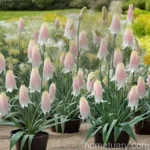
Eremurus robustus (Foxtail Lily): A Complete Plant Care Guide
Eremurus robustus, commonly known as the Foxtail Lily, is a striking perennial plant that boasts tall, majestic spikes of flowers. This plant is native to central and western Asia and belongs to the family Asphodelaceae. Its unique appearance and ease of cultivation make it a popular choice among gardeners. In this comprehensive guide, we will delve into the various aspects of caring for Eremurus robustus, from its cultural requirements to common pests and diseases.
What is Eremurus robustus (Foxtail Lily)?
Eremurus robustus, or the Foxtail Lily, is a herbaceous perennial plant characterized by its tall, erect flower spikes that bear numerous star-shaped flowers. The plant is known for its dramatic presence in the garden, with flower spikes reaching heights of up to 6 to 8 feet. The flowers come in a range of colors, including shades of white, pink, yellow, and orange, adding vibrancy to the landscape.
This plant is valued not only for its impressive floral display but also for its ability to attract pollinators such as bees and butterflies. The Foxtail Lily typically blooms in late spring to early summer, creating a stunning focal point in the garden during this period.
Key Takeaways – Eremurus robustus (Foxtail Lily)
Culture
- Eremurus robustus is a herbaceous perennial plant.
- It produces tall, erect flower spikes with star-shaped flowers.
- The plant blooms in late spring to early summer and attracts pollinators.
Uses
- The Foxtail Lily is commonly cultivated for its ornamental value in gardens and landscapes.
- It adds height, color, and visual interest to mixed perennial borders.
Now, let’s explore the specific care requirements for Eremurus robustus to ensure its successful cultivation and maintenance.
Eremurus robustus Care
Water
Proper watering is crucial for the health and vigor of Eremurus robustus. While this plant is drought tolerant once established, it thrives when provided with consistent moisture, especially during the growing season.
- Watering Tips:
- Water regularly, ensuring that the soil remains evenly moist but not waterlogged.
- During periods of extended dryness, increase watering frequency to support the plant’s growth and blooming.
Sunlight
Foxtail Lilies thrive in full sun, making them ideal candidates for bright and sunny garden spots. Adequate sunlight is essential for promoting robust growth and prolific flowering.
- Sunlight Needs:
- Plant Eremurus robustus in a location that receives full sunlight for the majority of the day.
- Provide at least 6 to 8 hours of direct sunlight to ensure optimal growth and flowering.
Fertilizer
Feeding Eremurus robustus with the appropriate fertilizer can enhance its overall performance and encourage abundant flowering. A balanced fertilizer formulated for flowering perennials can provide the necessary nutrients for healthy growth.
- Fertilizing Guidelines:
- Apply a slow-release, balanced fertilizer in early spring as new growth emerges.
- Avoid excessive nitrogen, as this can lead to lush foliage at the expense of flower production.
Soil
The soil composition plays a significant role in the successful cultivation of Eremurus robustus. Well-draining, moderately fertile soil is preferred to ensure the plant’s roots have access to adequate nutrients and moisture without the risk of waterlogging.
- Soil Requirements:
- Plant Eremurus robustus in sandy or loamy soil with good drainage.
- Incorporate organic matter, such as compost, into the soil to improve its structure and fertility.
Pruning
Pruning practices for Eremurus robustus are relatively straightforward and primarily focus on the removal of spent flower spikes and foliage. Pruning also helps maintain the plant’s neat appearance and prevents the formation of seed pods, which can divert energy away from the plant.
- Pruning Steps:
- Remove faded flower spikes promptly to encourage continuous blooming or prevent self-seeding.
- Cut back the foliage to ground level after it has turned yellow and started to wither in late summer or early fall.
Propagation
Propagating Eremurus robustus allows for the expansion of plantings and the rejuvenation of mature clumps. This can be achieved through division or seed propagation, each with its own set of considerations and requirements.
- Propagation Methods:
- Division: Divide mature clumps in early spring before new growth appears. Ensure each division has viable roots and growing points.
- Seed Propagation: Collect ripe seeds and sow them in well-draining seed-starting mix in late summer. Provide consistent moisture for germination.
Container Popularity
Eremurus robustus is increasingly sought after for container gardening due to its upright growth habit and stunning floral display. When grown in containers, it can serve as a focal point or vertical accent in outdoor spaces.
- Container Considerations:
- Select a large, sturdy container with adequate drainage holes to accommodate the plant’s height and root system.
- Use a well-draining potting mix and ensure the container receives ample sunlight for optimal growth and blooming.
Now that we’ve covered the fundamental aspects of caring for Eremurus robustus, let’s delve into additional factors such as common diseases, pests, and interesting botanist’s tips for this captivating plant.
Botanist’s Tips
Fun Facts
- Eremurus robustus is also known as the “desert candle” due to its tall, candle-like flower spikes and its ability to thrive in arid conditions.
- The plant’s nectar-rich flowers attract a variety of pollinators, contributing to biodiversity in the garden.
Disease Diagnosis
Eremurus robustus is relatively resistant to pests and diseases when provided with appropriate cultural conditions. However, it may be susceptible to certain issues such as:
- Fungal Diseases: Vigilance is essential to spot signs of fungal diseases such as powdery mildew and rust. Provide adequate air circulation and avoid overhead watering to mitigate these issues.
Common Pests
While Eremurus robustus is generally pest-resistant, occasional pest infestations may occur. Common pests that can affect this plant include:
- Aphids: These small, soft-bodied insects may feed on the plant’s sap, resulting in distorted growth and honeydew accumulation.
- Slugs and Snails: These pests can cause damage to the emerging foliage and flowers of Eremurus robustus, particularly in damp conditions.
Links to External Resources
For additional information on caring for Eremurus robustus (Foxtail Lily), refer to the following resources:
– Royal Horticultural Society – Eremurus robustus
– Missouri Botanical Garden – Foxtail Lily
Now, let’s explore the diverse uses and noteworthy aspects of Eremurus robustus, spanning from its ornamental value to its potential medicinal uses and ecological significance.
Plant Name: Eremurus robustus (Foxtail Lily)
From its vibrant floral display to its ability to thrive in diverse growing conditions, Eremurus robustus (Foxtail Lily) holds great appeal for gardeners and plant enthusiasts. By understanding its specific care requirements and characteristics, you can cultivate and enjoy this remarkable plant in your own garden, adding beauty and interest to your outdoor spaces. Whether used as a standalone specimen, a component of mixed borders, or a feature in container arrangements, Eremurus robustus offers a myriad of opportunities for creative and impactful garden designs.
Landscape Uses
- Eremurus robustus serves as a captivating focal point in perennial borders and mixed flower beds, adding vertical interest and vibrant color.
- Its towering flower spikes can be incorporated into naturalistic or cottage garden designs, contributing a wild, untamed aesthetic to the landscape.
Medicinal Uses
In certain cultures, parts of Eremurus species have been traditionally used for medicinal purposes. These uses include:
– Traditional Medicine: Some cultures have utilized Eremurus species for their potentially beneficial properties, such as anti-inflammatory or diuretic effects.
Wildlife Habitat
Eremurus robustus, with its nectar-rich flowers and robust presence, offers valuable resources for various pollinators and beneficial insects in the garden ecosystem. It contributes to the overall biodiversity of the landscape by providing a food source for bees, butterflies, and other pollinating insects during its blooming period.
Ornamental Plant
As an ornamental plant, Eremurus robustus holds widespread appeal due to its striking visual impact and adaptability to diverse garden settings. Its elegant flower spikes are prized by floral arrangers and garden enthusiasts alike, making it a desirable choice for those seeking to enhance their outdoor spaces with unique and visually arresting plants.
From its landscape uses to its potential medicinal properties, Eremurus robustus presents a multifaceted and enthralling subject for plant enthusiasts and horticulturalists. By incorporating this plant into your garden, you can experience the beauty, ecological benefits, and potential uses it offers to enrich your outdoor environment.
Conclusion
Eremurus robustus (Foxtail Lily) captivates the imagination with its stately presence, vibrant floral display, and diverse uses. By understanding its cultural requirements, ornamental value, and interactions within the garden ecosystem, you can cultivate and appreciate this captivating plant with confidence. Whether grown in garden borders, containers, or naturalistic landscapes, Eremurus robustus stands out as a remarkable and visually striking addition to any outdoor space.
Through thoughtful care and appreciation for its distinctive qualities, Eremurus robustus can enhance the beauty and ecological richness of your garden, offering an enduring and captivating presence year after year.
In this comprehensive guide, we’ve explored the fundamental aspects of caring for Eremurus robustus, including its water, sunlight, fertilizer, soil, pruning, and propagation requirements. Additionally, we’ve highlighted its landscape uses, potential medicinal uses, and wildlife habitat value, offering insights into the diverse and compelling nature of this splendid plant.
We hope this guide serves as a valuable resource for your journey in cultivating, appreciating, and understanding Eremurus robustus, the majestic Foxtail Lily.
By integrating this remarkable plant into your garden, you can experience the joy of its towering flower spikes, the allure of its vibrant blooms, and the ecological contributions it offers to your outdoor environment.
References
- The Royal Horticultural Society. (n.d.). Eremurus robustus. Link
- Missouri Botanical Garden. (n.d.). Foxtail Lily. Link
- Pests & Diseases. (n.d.). University of California Cooperative Extension. Retrieved from Link
The content of this blog post is for educational and informational purposes only and is not intended to be a substitute for professional advice, diagnosis, or treatment. Please seek the advice of a qualified professional for any questions you may have regarding the care or use of Eremurus robustus or any other plant.