Erect Dayflower (Commelina Erecta)
Plants are an essential and fascinating part of the natural world. From towering trees to delicate flowers, the diversity of plants never fails to.

Plants are an essential and fascinating part of the natural world. From towering trees to delicate flowers, the diversity of plants never fails to captivate and inspire. In this article, we’re going to dive deep into the world of the Erect Dayflower, scientifically known as Commelina Erecta. We’ll explore its characteristics, uses, growing requirements, and much more. Whether you’re a seasoned gardener, a botany enthusiast, or someone looking to enhance their landscaping, this article will provide valuable insights into this intriguing plant species.
What is Plant :Erect Dayflower (Commelina Erecta)?
Before we delve into the specifics of Commelina Erecta, let’s take a moment to understand what the Erect Dayflower is. The Erect Dayflower, or Commelina Erecta, is a flowering plant species belonging to the Commelina genus. It is known for its vibrant blue flowers and is native to the Americas. The plant’s distinctive appearance and various uses make it a valuable addition to gardens and landscapes.
Key Takeaways – Erect Dayflower (Commelina Erecta)
Before we begin our detailed exploration of this fascinating plant, let’s take a look at the key takeaways that we will cover:
- Plant Description: An overview of the physical characteristics of the Commelina Erecta.
- Facts: Interesting and essential facts about the Erect Dayflower.
- Growing: Guidelines for cultivating the Commelina Erecta.
- Care Tips: Tips for providing optimal care to ensure the health and vigor of the Erect Dayflower.
- Cultivation: Insights into the best practices for growing Commelina Erecta.
- Characteristics: A closer look at the defining traits of the Erect Dayflower.
- Habitat: The natural habitat and environmental preferences of Commelina Erecta.
- Uses: The different ways in which the Erect Dayflower can be utilized.
- Benefits: The benefits, whether aesthetic or practical, of including Commelina Erecta in your garden or landscape.
- Species: An exploration of the various species within the Commelina genus.
Now, let’s embark on our journey to uncover the intricacies of this captivating plant species.
Plant Description: Erect Dayflower (Commelina Erecta)
The Erect Dayflower, scientifically known as Commelina Erecta, is a herbaceous plant characterized by its striking blue flowers and elongated, lance-shaped leaves. As a part of the Commelina genus, it is closely related to other members of the Commelina family, sharing certain traits while also exhibiting distinct features that set it apart. Typically, the Erect Dayflower reaches a height of 1 to 2 feet (30 to 60 centimeters) and spreads out to form visually appealing clusters.
Key Physical Features of Commelina Erecta:
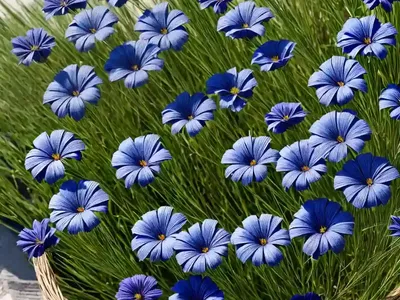
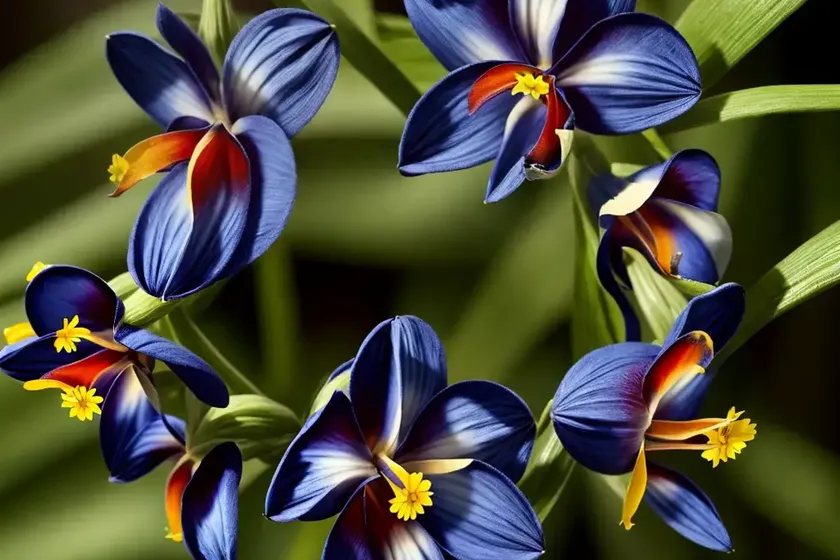
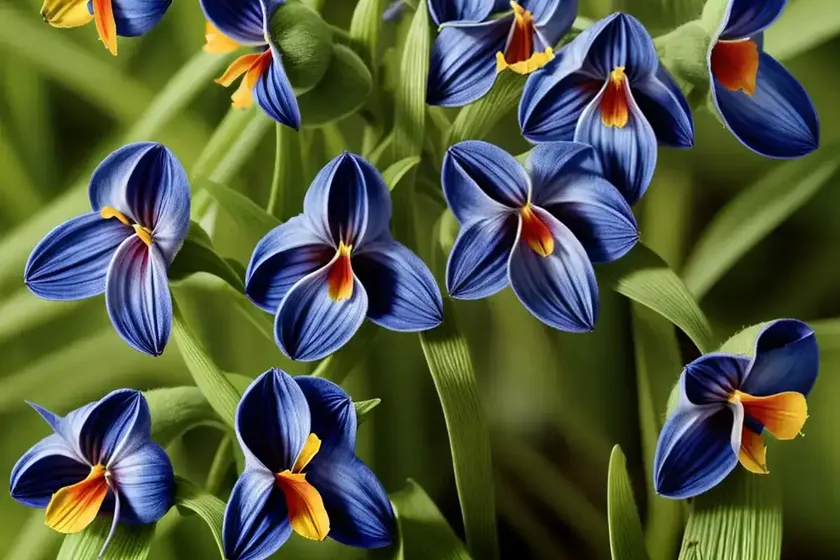
- Flowers: The flowers of Commelina Erecta are a vibrant shade of blue, with three petals that create a fan-like appearance. The flowers are relatively small and delicate, yet they contribute a pop of color to the plant’s overall aesthetic.
- Leaves: The leaves of the Erect Dayflower are long, narrow, and possess a deep green hue. They grow in an alternate pattern along the stem, creating a visually pleasing arrangement along the length of the plant.
- Stem: The stems of Commelina Erecta are slender and exhibit a characteristic tendency to arch, giving the plant an elegant and graceful demeanor.
- Roots: The roots of Commelina Erecta are fibrous and spread out to anchor the plant firmly in the soil, enabling it to withstand various environmental conditions.
Understanding the physical characteristics of the Erect Dayflower provides us with a foundation for appreciating its beauty and understanding its growth requirements. Now, let’s explore some intriguing and useful facts about this plant species.
Commelina Erecta Facts
Delving into the fascinating world of Commelina Erecta reveals a wealth of information that sheds light on its significance and allure. Here are some compelling facts about the Erect Dayflower:
- Diversity in Species: The Commelina genus encompasses a diverse range of species, each with its own unique attributes and ecological role. While Commelina Erecta is a notable member of this genus, it is just one piece of the broader tapestry of Commelina plants.
- Cultural Significance: In certain cultures, the Erect Dayflower holds symbolic value and is associated with specific traditions and beliefs. Its distinct appearance and vibrant coloration make it a symbol of beauty and resilience.
- Ecological Contribution: Commelina Erecta plays a role in various ecosystems, providing food and habitat for certain animal species and contributing to the overall biodiversity of its native range.
- Botanical Classification: From a taxonomical standpoint, Commelina Erecta is classified within the Commelina genus, which is further categorized within the broader family of Commelinaceae, encompassing a wide array of herbaceous plants.
- Historical Uses: Throughout history, the Erect Dayflower has been utilized for various purposes, including traditional medicine, culinary applications, and decorative uses in floral arrangements and landscaping.
These facts offer a glimpse into the multifaceted nature of Commelina Erecta and underscore its significance within the botanical world. Now, let’s shift our focus to the practical aspects of growing and caring for this captivating plant.
Growing Erect Dayflower
The process of growing Commelina Erecta involves several key considerations, including its preferred environmental conditions, maintenance requirements, and propagation techniques. By understanding these essential factors, we can create an optimal environment for the plant to thrive. Let’s explore the key aspects of growing the Erect Dayflower:
Culture
The culture of Commelina Erecta refers to the specific conditions and practices that are conducive to its growth and overall well-being. By nurturing the plant according to its cultural requirements, we can create an environment in which it can flourish.
Cultural Requirements for Commelina Erecta:
- Temperature: Commelina Erecta thrives in moderate to warm temperatures, preferring a range of 65 to 80°F (18 to 27°C). It is sensitive to extreme cold and frost, making it ideal for cultivation in temperate to tropical climates.
- Humidity: The Erect Dayflower appreciates moderate to high levels of humidity, mirroring its natural habitat in regions where moisture levels are relatively consistent.
- Watering: Adequate and consistent watering is crucial for the health of Commelina Erecta. It prefers moist, well-draining soil and benefits from regular watering to maintain optimal hydration levels.
- Soil Type: The Erect Dayflower favors fertile, loamy soil that provides essential nutrients and allows for proper drainage.
Understanding the cultural requirements of Commelina Erecta lays the foundation for creating an environment that supports its growth and development. Now, let’s turn our attention to the sunlight preferences of the Erect Dayflower.
Sunlight
Sunlight is a vital factor in the growth and vitality of plants, including Commelina Erecta. By understanding the sunlight requirements of the Erect Dayflower, we can ensure that it receives the necessary amount of light for photosynthesis and overall health.
Sunlight Preferences for Commelina Erecta:
- Light Exposure: Commelina Erecta thrives in partial to full sunlight, benefiting from at least 6 to 8 hours of direct sunlight per day. It is well-suited to environments with ample natural light, such as gardens, landscapes, and open areas.
- Light Intensity: The Erect Dayflower responds well to moderate to high light intensity, enabling robust growth and vibrant flower production.
- Shade Tolerance: While it requires substantial sunlight, Commelina Erecta can tolerate brief periods of shade, especially during the hottest part of the day.
By providing the appropriate amount of sunlight, we can ensure that Commelina Erecta receives the energy it needs to carry out essential biological processes and maintain its visual appeal. Now, let’s explore the role of fertilizer in promoting the health and vigor of this plant species.
Fertilizer
Fertilization plays a crucial role in supplying plants with essential nutrients, bolstering their growth, and enhancing their overall resilience. By understanding the fertilizer needs of Commelina Erecta, we can support its nutrient requirements and promote robust, vigorous growth.
Fertilizer Requirements for Commelina Erecta:
- Nutrient Profile: Commelina Erecta benefits from a balanced fertilizer with a formulation such as 10-10-10, providing a combination of nitrogen, phosphorus, and potassium along with trace minerals.
- Application Frequency: The Erect Dayflower can be fertilized every 4 to 6 weeks during the growing season, typically from spring to early fall. Applying fertilizer at the beginning of the growing season can help kickstart healthy growth and flowering.
- Application Method: Granular or liquid fertilizers can be applied around the base of the plant, ensuring that the nutrients are absorbed by the root system and utilized effectively.
By addressing the fertilizer needs of Commelina Erecta, we can fortify the plant with the essential nutrients it requires for robust growth, vibrant blooms, and overall well-being. Now, let’s examine the role of soil in providing a supportive foundation for the Erect Dayflower.
Soil
The soil in which a plant is grown serves as its foundation, providing essential nutrients, moisture, and a stable anchoring point for the root system. Understanding the soil preferences of Commelina Erecta is critical to promoting healthy growth and ensuring the plant’s overall vitality.
Soil Preferences for Commelina Erecta:
- Texture: The Erect Dayflower thrives in well-draining, moderately moist soil with a loamy texture. Loam provides a balance of sand, silt, and clay, offering both good drainage and water retention.
- pH Level: Commelina Erecta prefers a slightly acidic to neutral soil pH, ideally within the range of 6.0 to 7.0. This pH range supports optimal nutrient uptake and overall plant health.
- Organic Matter: Incorporating organic matter, such as compost or well-rotted manure, into the soil can enrich its fertility and provide a source of beneficial microorganisms for the root system.
By addressing the soil preferences of Commelina Erecta and ensuring that it is grown in a suitable substrate, we can create an environment that supports healthy root development and overall plant vigor. Now, let’s discuss the importance of pruning as a maintenance practice for the Erect Dayflower.
Pruning
Pruning plays a crucial role in maintaining the health, appearance, and structure of plants, and Commelina Erecta is no exception. By understanding the principles of pruning and how they apply to the Erect Dayflower, we can promote tidy growth and encourage prolific flowering.
Pruning Considerations for Commelina Erecta:
- Deadheading: Removing spent flowers, a practice known as deadheading, can stimulate continuous blooming and prevent the plant from expending energy on seed production.
- Trimming: Periodic trimming of wayward or overgrown stems can help maintain a compact and tidy appearance, promoting a balanced and aesthetically pleasing growth habit.
- Disease Management: Pruning can also involve the removal of diseased or damaged foliage, reducing the risk of pathogen spread and preserving the overall health of the plant.
By implementing mindful pruning practices, we can contribute to the overall well-being and visual appeal of Commelina Erecta, ensuring that it remains a vibrant and attractive addition to its surrounding environment. Now that we’ve explored the cultural, environmental, and maintenance aspects of growing the Erect Dayflower, let’s turn our attention to propagation, a key aspect of plant management and reproduction.
Propagation
The propagation of plants involves the reproduction and multiplication of new individuals, enabling gardeners and botanists to expand their plant collections and contribute to the preservation of valuable species. Understanding the propagation methods applicable to Commelina Erecta empowers us to propagate the plant effectively and sustainably.
Propagation Methods for Commelina Erecta:
- Division: Commelina Erecta can be propagated through division, which involves separating and replanting clumps of the plant to establish new individuals. This method is particularly effective for mature plants with well-established root systems.
- Seed Propagation: Collecting and sowing seeds is another viable propagation method for Commelina Erecta. This approach allows for the creation of new plants with genetic diversity and is well-suited to cultivating multiple individuals for larger-scale projects.
- Cuttings: The use of stem cuttings can also be employed to propagate Commelina Erecta, enabling the generation of new plants from healthy stem segments. This method is particularly useful for cloning specific traits or characteristics of the parent plant.
By incorporating effective propagation methods, we can contribute to the conservation and proliferation of Commelina Erecta, ensuring that this captivating species continues to thrive and enrich its surrounding environment. Now that we’ve covered the essential aspects of growing and propagating the Erect Dayflower, let’s explore its popularity and common uses in gardening and landscaping.
Popularity and Common Uses
The unique appeal and versatile nature of Commelina Erecta have contributed to its popularity and widespread use in gardening and landscaping. Understanding the common uses and aesthetic contributions of the Erect Dayflower can inspire us to incorporate it into our outdoor spaces and horticultural projects.
Container Gardening
Commelina Erecta is well-suited to container gardening, where it can thrive in pots, planters, and other confined spaces. Its compact growth habit and vibrant blooms make it a delightful addition to patios, balconies, and outdoor living areas.
- Commelina Erecta adds a vibrant splash of color to container arrangements, creating visual interest and enhancing the overall appeal of the space.
- Its ability to adapt to container conditions makes it an ideal choice for individuals with limited garden space or those seeking to cultivate plants in controlled environments.
Landscaping
In larger-scale landscaping projects, Commelina Erecta can be utilized in various capacities, contributing to the visual appeal and ecological sustainability of outdoor spaces.
- Mass Plantings: By grouping Commelina Erecta together in mass plantings, landscapers can create eye-catching displays of vibrant blue flowers, adding a dynamic touch to flower beds and borders.
- Mixed Borders: The Erect Dayflower can be integrated into mixed borders alongside other herbaceous plants, shrubs, and perennials, contributing to the diversity and seasonal interest of the landscape.
- Ground Cover: With its spreading growth habit, Commelina Erecta can serve as a low-growing ground cover, filling in bare areas and suppressing weed growth while adding a pop of color.
Houseplant Cultivation
While primarily known for its outdoor uses, Commelina Erecta can also be cultivated as a houseplant, bringing its captivating blooms and lush foliage into indoor spaces.
- Indoor Décor: The vibrant blue flowers of Commelina Erecta can brighten up interior spaces, adding a touch of natural beauty to living areas, offices, and other indoor environments.
- Container Growth: When grown in pots or hanging baskets, the Erect Dayflower offers a versatile and visually appealing option for indoor plant cultivation, providing a refreshing and vibrant presence.
By understanding the various uses of Commelina Erecta in gardening, landscaping, and indoor décor, we can appreciate its versatility and potential for enhancing diverse environments. Now, let’s address the potential challenges that Commelina Erecta may face in the form of common diseases and pests, along with effective management strategies.
Common Diseases
Disease diagnosis is a crucial aspect of plant health management, enabling us to identify and address potential issues that may impact the well-being of Commelina Erecta. By understanding the common diseases that affect the Erect Dayflower, we can implement preventive measures and targeted treatments to maintain its vigor and vitality.
Disease Diagnosis
Commelina Erecta may be susceptible to certain diseases and disorders that can affect its growth and appearance. Timely diagnosis and intervention are essential for preserving the health of the plant.
Common Diseases of Commelina Erecta:
-
Fungal Infections:
- Powdery Mildew: This fungal disease may manifest as a powdery white coating on the leaves, stems, and flowers of Commelina Erecta. It can hinder photosynthesis and weaken the plant if left unaddressed.
- Leaf Spot: Leaf spot diseases can cause the development of dark, irregular lesions on the foliage of Commelina Erecta, leading to defoliation and reduced plant vigor.
-
Bacterial Diseases:
- Bacterial Blight: Bacterial blight can result in the appearance of water-soaked lesions on the leaves and stems of Commelina Erecta, potentially causing tissue degradation and overall decline in plant health.
-
Viral Infections:
- Viral diseases affecting Commelina Erecta can lead to symptoms such as stunted growth, leaf mottling, and distorted foliage, potentially impacting the overall appearance and vitality of the plant.
By staying vigilant for signs of common diseases and promptly addressing any issues that arise, we can safeguard the health and appearance of *Commelina Erecta, ensuring that it remains a vibrant and resilient addition to its surroundings. Now, let’s consider the potential impact of pests on the Erect Dayflower and explore effective pest control measures.
Common Pests
Pest infestations can pose a threat to the health and vigor of Commelina Erecta, potentially causing damage to the foliage, flowers, and overall growth of the plant. By recognizing common pests and implementing targeted control strategies, we can protect the Erect Dayflower from potential infestations.
Pest Analysis
Commelina Erecta may be vulnerable to various pests that can affect its well-being and visual appeal. Understanding the common pests and their impact on the plant enables us to take proactive measures to mitigate potential damage.
Common Pests Affecting Commelina Erecta:
- Aphids:
-
These small, sap-sucking insects can colonize the new growth of Commelina Erecta, causing distorted foliage and weakening the plant’s overall vitality.
-
Spider Mites:
-
Spider mites are tiny arachnids that can infest the foliage of *Commelina Erecta, leading to stippled, discolored leaves and a decline in plant health.
-
Whiteflies:
-
Whiteflies are small, flying insects that may congregate on the undersides of Commelina Erecta leaves, leading to the development of sticky honeydew and the potential spread of sooty mold.
-
Caterpillars:
- Certain caterpillar species may feed on the foliage of Commelina Erecta, leading to the development of chewed or skeletonized leaves and potential defoliation.
By addressing potential pest issues through proactive monitoring and targeted control measures, we can safeguard the health and visual appeal of Commelina Erecta, ensuring that it remains a resilient and vibrant presence in its environment.