English Ivy (Hedera Helix)
English Ivy, scientifically known as Hedera helix, is a versatile and popular plant that comes with a range of benefits and uses, both indoors and.
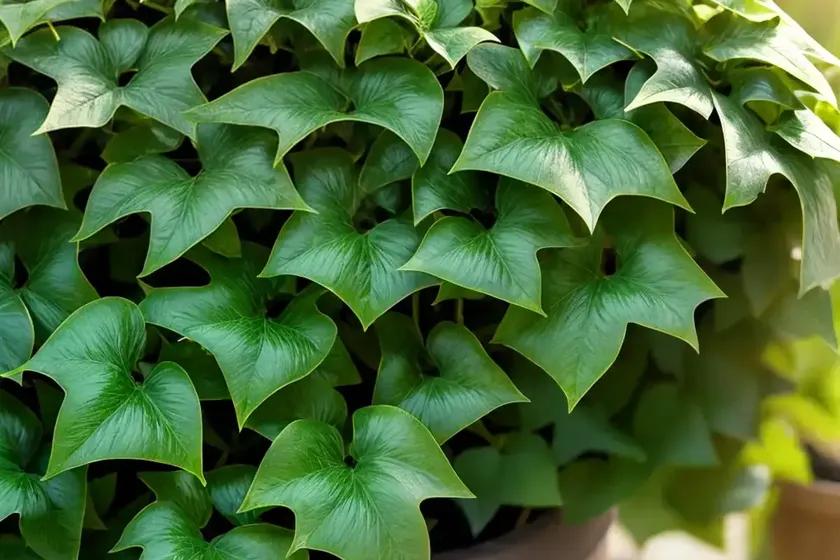
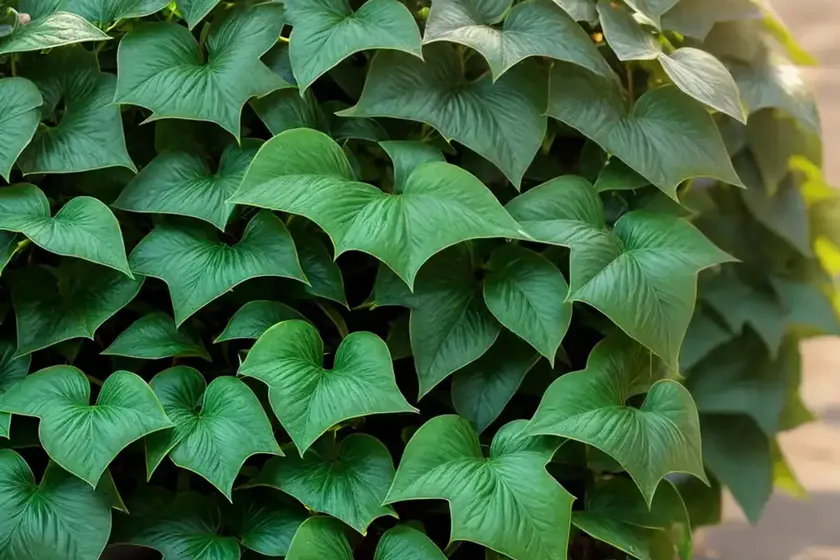
English Ivy, scientifically known as Hedera helix, is a versatile and popular plant that comes with a range of benefits and uses, both indoors and outdoors. This climbing plant is admired for its aesthetic appeal, air-purifying qualities, and diverse applications in landscaping and home decoration. In this comprehensive guide, we will delve into the various aspects of caring for English Ivy, including its culture, uses, water and sunlight requirements, fertilizer, soil, pruning, propagation, container planting, common diseases, pests, and much more.
What is English Ivy (Hedera helix)?
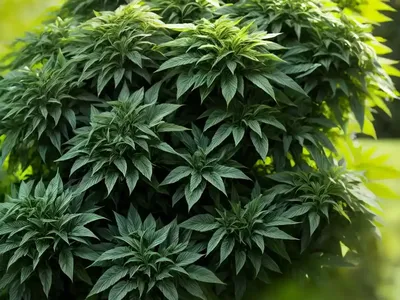
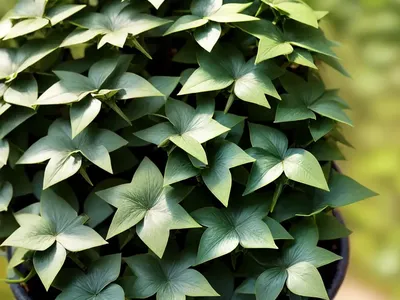
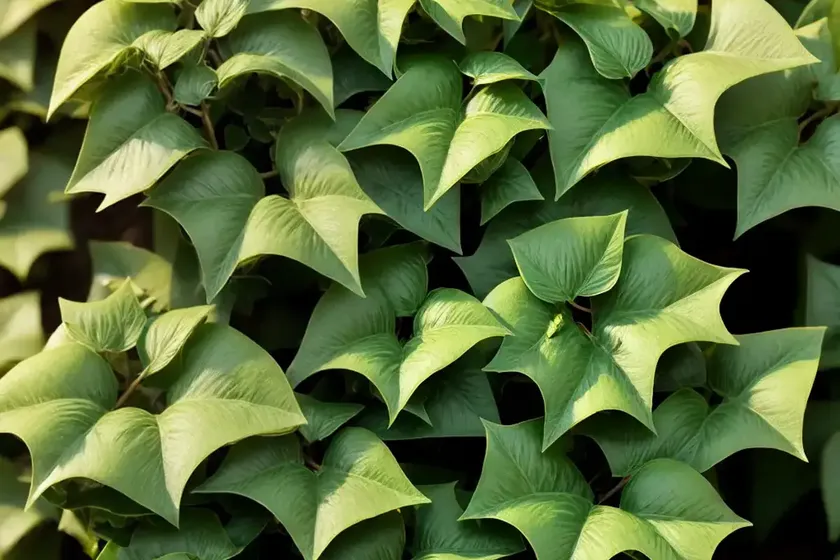
Hedera helix, commonly known as English Ivy, is a species of flowering plant in the family Araliaceae. It is native to most of Europe and western Asia and has been introduced to many other regions for its ornamental value. English Ivy is a clinging evergreen vine that can grow vigorously, covering vertical surfaces with ease. Its dark green, glossy foliage and its ability to thrive in shaded areas make it a popular choice for both indoor and outdoor settings.
Key Takeaways – English Ivy (Hedera helix)
Before delving into the specifics of caring for English Ivy, let’s overview some key points that you should keep in mind:
- English Ivy is a versatile and popular plant known for its climbing nature and aesthetic appeal.
- It is widely used for indoor and outdoor decoration, landscaping, and even air purification.
- Proper culture, including appropriate watering, sunlight exposure, and soil conditions, is crucial for the healthy growth of English Ivy.
- Regular pruning and propagation should be considered to maintain the desired shape and ensure continuous growth.
- English Ivy is susceptible to certain diseases and pests, which should be monitored and managed effectively to prevent damage.
Now, let’s delve into the detailed aspects of caring for English Ivy, from its culture and uses to specific maintenance tips and common problems.
Culture of English Ivy
Water
Proper watering is essential for the healthy growth of English Ivy. Here are some important pointers to consider in relation to watering:
-
Moderation: English Ivy prefers moderate watering, which allows the soil to partially dry out between watering sessions. Overwatering can lead to root rot, while underwatering can cause the leaves to wilt and dry out.
-
Consistency: Maintain consistent moisture levels, particularly during the growing season. This can be achieved by watering the plant when the top inch of the soil feels dry to the touch.
-
Avoid Waterlogging: Ensure that the plant is not sitting in water, as stagnant water can lead to root rot and other issues.
Sunlight
The sunlight requirements of English Ivy vary based on its environment, and the following factors should be considered:
-
Light Conditions: English Ivy thrives in bright, indirect light and can tolerate partial shade. Avoid exposing it to direct sunlight for extended periods, particularly during the hottest parts of the day.
-
Indoor Placement: When grown indoors, it is best to place English Ivy near windows where it can receive adequate natural light without being exposed to intense, direct sun.
Fertilizer
Applying the right type and amount of fertilizer is essential for the healthy growth of English Ivy. Consider the following regarding fertilization:
-
Frequency: During the growing season, which typically spans from spring to early autumn, fertilize the plant every two to four weeks using a balanced, water-soluble fertilizer.
-
Avoid Overfeeding: Be cautious not to overfeed English Ivy, as excessive fertilizer can lead to salt buildup in the soil and subsequent damage to the plant.
Soil
The soil requirements of English Ivy are significant for maintaining its vigor and health. Consider the following when selecting or preparing the soil:
-
Well-Draining: English Ivy thrives in well-draining soil that retains moisture without becoming waterlogged. A mix of peat moss, perlite, and loam can provide the ideal conditions.
-
Acidity: Slightly acidic to neutral soil pH is preferred for English Ivy. Aim for a pH level between 6.0 and 7.8 for optimal growth.
Pruning
Regular pruning is essential to control the growth of English Ivy and maintain its desired shape. Here are some key points regarding pruning:
-
Encouraging Bushy Growth: Prune the growing tips and encourage branching to promote a bushier, fuller appearance.
-
Removing Dead or Yellow Leaves: Regularly remove dead or yellow leaves to maintain the plant’s vitality and aesthetics.
-
Trimming Long Vines: To prevent English Ivy from becoming too leggy, trim long vines periodically to maintain a compact growth habit.
Propagation
Propagating English Ivy can be an enjoyable and rewarding process, and the following methods can be employed for successful propagation:
-
Cuttings: Propagate English Ivy using stem cuttings taken from a healthy, mature plant. Place the cuttings in water or directly into soil, and ensure adequate moisture and warmth for successful rooting.
-
Division: Divide mature plants carefully to create new specimens, ensuring that each division has a sufficient root system to support its growth.
Container Planting
English Ivy can be grown successfully in containers, and here are some key considerations for container planting:
-
Size and Drainage: Select a well-draining container of appropriate size, considering the mature size of the English Ivy plant. Ensure that the container has drainage holes to prevent waterlogging.
-
Soil Mix: Use a well-balanced potting mix with adequate drainage to provide the ideal growing medium for English Ivy in containers.
Uses of English Ivy
The versatile nature of English Ivy makes it suitable for a variety of uses, including:
-
Indoor Decoration: English Ivy is commonly used as an indoor decorative plant, enhancing the aesthetic appeal of homes, offices, and other indoor settings.
-
Outdoor Landscaping: It serves as an excellent ground cover, particularly in shaded or problem areas where other plants may struggle to thrive.
-
Air Purification: English Ivy is recognized for its ability to remove indoor air pollutants, making it a valuable addition to interior spaces.
-
Vertical Gardens: Its climbing nature makes it ideal for creating vertical gardens, where it can add a lush, green backdrop to outdoor spaces.
-
Topiaries and Decorative Displays: English Ivy can be trained to create beautiful topiaries and used in various decorative displays for events and celebrations.
Common Diseases and Pests
Common Diseases
English Ivy is susceptible to certain diseases, and monitoring for the following common issues is essential for its health:
-
Anthracnose: This fungal disease can cause leaf spots and blights, leading to the defoliation of English Ivy if left untreated.
-
Leaf Spot: Several types of fungi can cause leaf spot on English Ivy, leading to the appearance of lesions and eventual leaf drop.
-
Root Rot: Excessive moisture or poor drainage can lead to root rot in English Ivy, presenting as wilting and browning of the leaves.
Disease Diagnosis
Diagnosing and addressing diseases promptly is crucial for the health of English Ivy. Here’s how to approach disease diagnosis:
-
Visual Symptoms: Regularly inspect the plant for any signs of discoloration, spotting, or wilting, which could indicate a potential disease issue.
-
Consultation: If you suspect disease problems, consult with a local extension service, plant nursery, or horticultural expert for accurate diagnosis and treatment recommendations.
Common Pests
Pests can also affect English Ivy, and monitoring for the following common pests is crucial for early intervention:
-
Spider Mites: These tiny pests can cause stippling and webbing on the leaves, leading to reduced vigor and overall health of the plant.
-
Aphids: Aphids can colonize the newer growth of English Ivy, leading to distorted leaves and a decline in plant health if left unchecked.
-
Mealybugs: These pests can infest English Ivy, particularly in indoor settings, leading to the appearance of white, cottony masses on the foliage.
Botanist’s Tips for English Ivy
To ensure the successful cultivation of English Ivy, it is essential to keep the following tips in mind:
-
Adequate Support: Provide a suitable support structure for English Ivy when growing it as a climbing plant, allowing it to cling and grow vertically with ease.
-
Regular Inspection: Regularly inspect the plant for signs of pests, diseases, or other issues, and take prompt action to address any problems.
-
Supportive Environment: Create an environment that is conducive to the specific needs of English Ivy, including the right light, moisture, and soil conditions.
Fun Facts about English Ivy
To further appreciate the unique qualities of English Ivy, consider the following fun facts:
-
English Ivy has been associated with various mythological and symbolic meanings throughout history, often representing fidelity, friendship, and eternity.
-
It is featured in various folklore and traditions across different cultures and is often linked to themes of protection and good luck.
-
English Ivy is known for its ability to climb efficiently, using specialized aerial rootlets to adhere to various surfaces and structures.
As a botanist and plant enthusiast, it’s truly fascinating to explore the intricate and captivating world of English Ivy. From its versatile uses to the specific care it requires, this species offers a wealth of benefits to gardeners, decorators, and nature enthusiasts alike. By following the guidelines outlined in this comprehensive guide, you can cultivate and enjoy the beauty of English Ivy while ensuring its continued health and vitality.
For further information on English Ivy and related topics, feel free to explore the following external resources:
- The American Ivy Society
- Royal Horticultural Society – English Ivy
- University of Florida – English Ivy
By delving deeper into the world of English Ivy, you can expand your knowledge and appreciation for this remarkable plant while enriching your gardening and decorative endeavors.
Remember to savor every moment spent with your English Ivy, whether you’re caring for it indoors, beautifying your outdoor spaces, or simply admiring its timeless elegance.
Happy gardening!