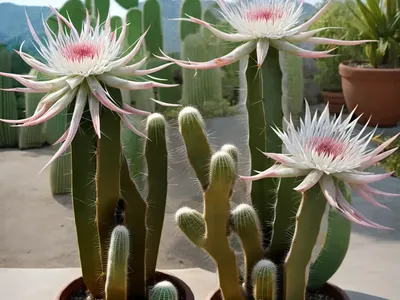
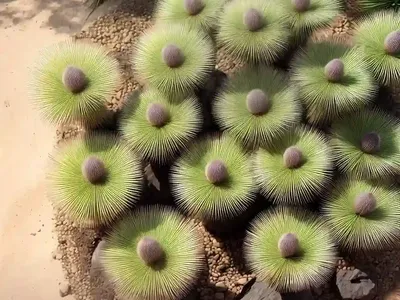
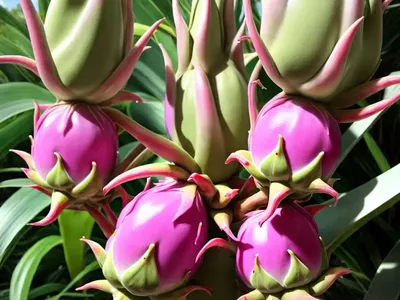
Elephant Cactus (Pachycereus Pringlei)
When one thinks of the desert, images of cacti often come to mind. These unique and fascinating plants are adapted to withstand the harsh conditions of.
Introduction
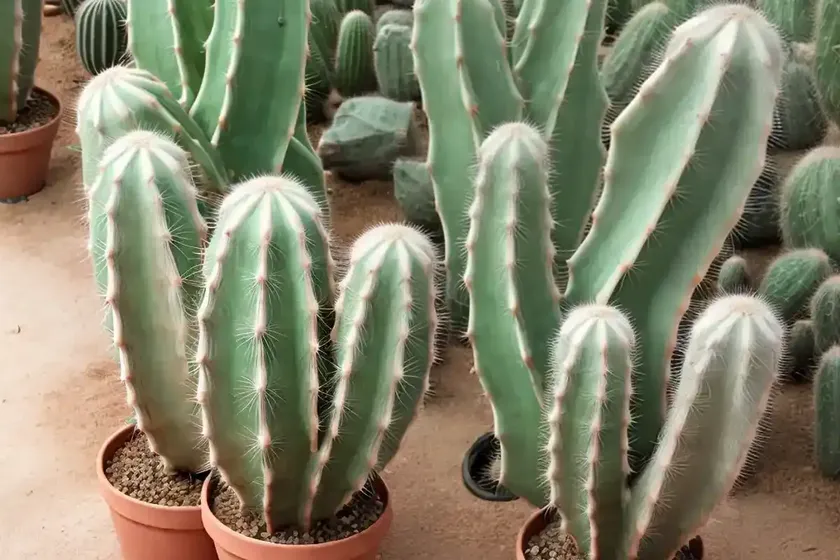
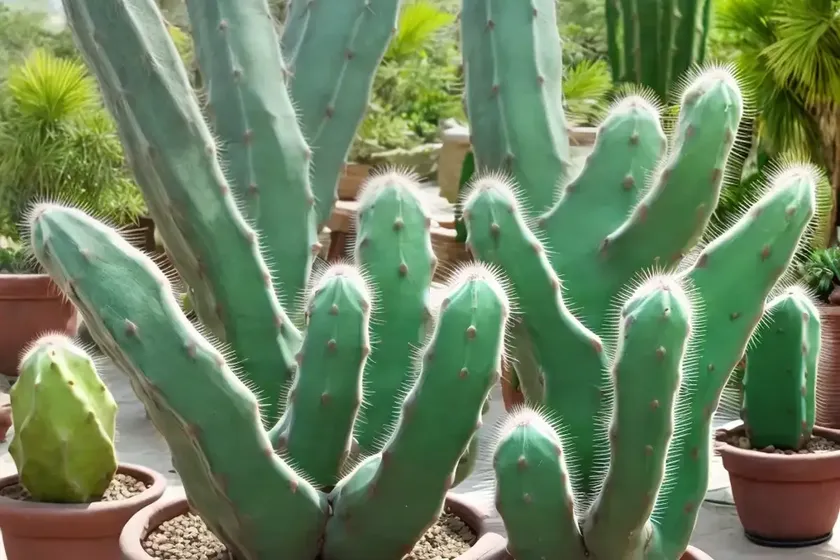
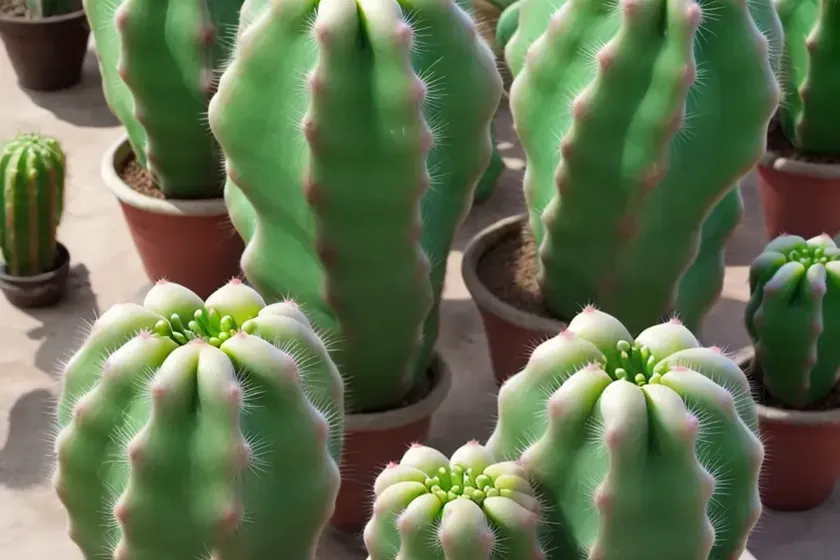
When one thinks of the desert, images of cacti often come to mind. These unique and fascinating plants are adapted to withstand the harsh conditions of arid environments, making them an integral part of desert ecosystems. Among these remarkable succulents is the Elephant Cactus (Pachycereus pringlei), a species known for its impressive size and striking appearance.
In this comprehensive guide, we will delve into the world of the Elephant Cactus, exploring its characteristics, care requirements, cultural significance, and much more. Whether you are a seasoned plant enthusiast or a novice gardener, there is much to learn and appreciate about this iconic cactus species.
What is the Elephant Cactus (Pachycereus pringlei)?
The Elephant Cactus, scientifically known as Pachycereus pringlei, is a colossal columnar cactus that belongs to the Cactaceae family. This magnificent species is native to the deserts of northwestern Mexico, where it thrives in the harsh, dry landscapes of the region. Renowned for its towering stature, the Elephant Cactus is considered one of the largest cactus species in the world, often reaching heights of over 60 feet (18 meters).
Key Takeaways – Elephant Cactus (Pachycereus pringlei)
Before we delve into the specifics of caring for the Elephant Cactus, let’s take a moment to highlight some key points about this remarkable plant:
– Pachycereus pringlei is a colossal columnar cactus native to the deserts of northwestern Mexico.
– It is one of the largest cactus species, known to reach heights of over 60 feet (18 meters).
– The Elephant Cactus is a drought-tolerant plant adapted to survive in arid environments.
– Its impressive size and distinct appearance make it a popular choice for landscape design and ornamental use.
Now that we have an overview of the Elephant Cactus, let’s explore in detail the various aspects of caring for this iconic plant.
Culture
Uses
The Elephant Cactus serves various practical and ornamental purposes, making it a valuable plant in different contexts. Some common uses of Pachycereus pringlei include:
– Landscape Design: Due to its imposing size and striking silhouette, the Elephant Cactus is often used in landscape design to create focal points and add a dramatic touch to arid gardens and desert-themed landscapes.
– Wildlife Habitat: In its native range, the Elephant Cactus provides essential habitat and food for a variety of desert-dwelling wildlife, including birds, insects, and small mammals.
– Ornamental Purposes: Many horticultural enthusiasts appreciate the unique beauty of the Elephant Cactus and cultivate it as a striking ornamental specimen in gardens, parks, and botanical collections.
Water
As a desert-adapted plant, the Elephant Cactus is highly drought-tolerant and requires minimal watering. When cultivating Pachycereus pringlei, it is crucial to follow these guidelines for watering:
– Establishment Phase: Newly planted Elephant Cactus specimens should be watered sparingly to encourage root establishment. Once the plant has developed a robust root system, it can withstand extended periods of drought.
– Watering Frequency: During the growing season, occasional deep watering is sufficient to sustain the Elephant Cactus. However, it is crucial to avoid overwatering, as excessive moisture can lead to root rot and other complications.
– Winter Dormancy: In the winter months, when the Elephant Cactus experiences a period of dormancy, water should be withheld almost entirely. This mimics the natural precipitation patterns of its native habitat and helps maintain the plant’s health.
Sunlight
Unsurprisingly, sunlight is a crucial factor in the successful cultivation of the Elephant Cactus. Here are some important considerations regarding sunlight requirements for Pachycereus pringlei:
– Full Sun Exposure: The Elephant Cactus thrives in full sunlight and should be positioned in a location where it receives ample direct sunlight throughout the day. Insufficient light can lead to weakened growth and an overall less vigorous appearance.
– Shade Avoidance: In its native habitat, Pachycereus pringlei is adapted to bright, sunny conditions and should be protected from excessive shade. When grown in regions with milder climates, it is essential to ensure that the plant receives the intense sunlight it requires for optimal growth.
Fertilizer
While the Elephant Cactus is capable of thriving in nutrient-poor soils, occasional fertilization can benefit its overall health and growth. When considering fertilization for Pachycereus pringlei, the following guidelines should be observed:
– Minimal Fertilization: Due to its adaptation to nutrient-poor environments, the Elephant Cactus does not require frequent or heavy fertilization. A balanced, low-nitrogen fertilizer formulated for cacti and succulents can be applied sparingly during the active growing season.
– Frequency: Fertilization can be performed once or twice a year, typically in the spring and early summer, when the plant is actively growing. It is essential to follow the manufacturer’s recommendations regarding application rates and methods.
Soil
The choice of soil is critical in ensuring the health and vitality of the Elephant Cactus. The following considerations are essential when selecting and preparing the ideal soil for Pachycereus pringlei:
– Well-Draining Medium: The Elephant Cactus thrives in well-draining soil that mimics the gritty, sandy compositions of its native desert habitat. A specialized cactus mix or a custom blend of sand, perlite, and coarse soil can provide the proper drainage necessary for the plant’s roots.
– Avoid Waterlogged Conditions: To prevent waterlogging, which can lead to root rot and other complications, it is crucial to select a soil mix that promotes rapid water percolation and prevents the accumulation of excess moisture around the roots.
Pruning
While the Elephant Cactus does not require extensive pruning, occasional maintenance may be necessary to remove damaged or diseased portions of the plant, as well as to shape its growth. When pruning Pachycereus pringlei, the following guidelines should be observed:
– Sanitize Tools: Before pruning the Elephant Cactus, it is essential to use clean, sharp tools to minimize the risk of introducing pathogens to the plant.
– Minimal Intervention: Pruning should be carried out sparingly, focusing primarily on the removal of dead or damaged sections. Excessive pruning can disrupt the natural form and beauty of the plant.
Propagation
Propagating the Elephant Cactus is a rewarding endeavor that allows for the expansion of its presence in gardens and horticultural collections. There are several methods of propagating Pachycereus pringlei, including:
– Seeds: Growing Elephant Cactus from seeds is a common propagation method. Sow seeds in a well-draining cactus mix and provide the appropriate environmental conditions for germination.
– Cuttings: Stem cuttings from healthy, established plants can be rooted to produce new Elephant Cactus specimens. It is essential to allow the cut ends to callus before planting to prevent rotting.
Container Popularity
The Elephant Cactus’s impressive size and distinct appearance make it a popular choice for container cultivation, especially in regions with non-desert climates. When grown in containers, Pachycereus pringlei can serve as a striking focal point in gardens, patios, and indoor spaces, allowing plant enthusiasts to appreciate its beauty in a more controlled environment.
Container
When selecting a container for the Elephant Cactus, consider the following guidelines to ensure the plant’s well-being:
– Size: Choose a container that provides ample space for the plant’s roots to establish and grow. While younger specimens can be potted in smaller containers, mature Elephant Cactus plants require larger, sturdy containers to accommodate their substantial size.
– Drainage Holes: Ensure that the container has sufficient drainage holes to prevent water from accumulating around the roots. Proper drainage is critical for the overall health of Pachycereus pringlei when grown in a container.
Common Diseases
Like all plants, the Elephant Cactus is susceptible to certain diseases and health issues that can impact its growth and vitality. By understanding these common ailments, gardeners can take proactive measures to protect and preserve the health of Pachycereus pringlei.
Disease Diagnosis
Several diseases may affect the Elephant Cactus, including fungal infections, rot, and bacterial diseases. Common signs of disease in Pachycereus pringlei include:
– Discoloration: Unusual discoloration or dark spots on the stems and branches of the cactus may indicate the presence of a fungal or bacterial infection.
– Soft, Mushy Areas: The development of soft, mushy areas on the plant’s surface can be a sign of rot caused by excessive moisture or poor drainage.
– Stunted Growth: If the Elephant Cactus exhibits stunted growth or a decline in overall vigor, it may be indicative of an underlying health issue that requires attention.
Common Pests
While the Elephant Cactus is relatively resistant to pests due to its defensive spines and adaptations, there are a few common pests to watch out for when cultivating Pachycereus pringlei:
– Scale Insects: These small, immobile pests can attach themselves to the surface of the cactus and feed on its sap, potentially leading to weakened growth and vitality.
– Spider Mites: Infestations of spider mites can cause discoloration and stippling on the cactus’s surface, impacting its overall appearance and health.
– Mealybugs: Mealybugs are another potential pest that can affect the Elephant Cactus, particularly in indoor or greenhouse settings.
Botanist’s Tips
Learning from experienced botanists and horticulturists can provide valuable insights into the successful cultivation of the Elephant Cactus. Here are some tips and recommendations from experts in the field:
– Sunlight: Ensure that the Elephant Cactus receives ample sunlight, as this is essential for maintaining the plant’s health and promoting vigorous growth.
– Pruning: When pruning Pachycereus pringlei, prioritize the removal of dead or damaged sections while preserving the natural form and beauty of the plant.
– Watering: Practice minimal and strategic watering to mimic the plant’s natural habitat and prevent issues related to overwatering.
Fun Facts
As we conclude our exploration of the Elephant Cactus, here are some intriguing and fun facts about Pachycereus pringlei that highlight its unique qualities and significance:
– The Elephant Cactus is often referred to as the “Giant Cardón” in its native Mexico, emphasizing its colossal size and commanding presence in the desert landscape.
– Ancient indigenous cultures in the region where the Elephant Cactus grows traditionally used its stems and fruits for various practical and medicinal purposes, highlighting its cultural significance.
– Despite its imposing size, the Elephant Cactus is remarkably resilient and can survive extended periods of drought, making it a symbol of endurance in arid ecosystems.
Links to External Resources
For additional information on the Elephant Cactus and related topics, the following external resources can provide valuable insights and guidance:
– Cactus and Succulent Society of America: The Cactus and Succulent Society of America offers a wealth of resources on cacti and succulent plants, including information on cultivation, conservation, and horticultural practices.
– Royal Botanic Gardens, Kew: The Royal Botanic Gardens, Kew, is a renowned institution that provides extensive botanical knowledge and expertise, with resources on plant diversity, conservation, and horticultural research.
In conclusion, the Elephant Cactus (Pachycereus pringlei) stands as a testament to the remarkable adaptations and resilience of desert plants. Its imposing size, striking appearance, and cultural significance make it a captivating subject for plant enthusiasts and researchers alike. By understanding the care requirements and ecological importance of this iconic cactus species, we can cultivate a deeper appreciation for the intricate wonders of the natural world.
We hope this guide has provided valuable insights into the captivating world of the Elephant Cactus and inspired a newfound appreciation for the magnificent plants that thrive in some of the harshest environments on Earth.
Keywords: Pachycereus pringlei, Elephant cactus facts, Types of cactus plants, Largest cactus species, Desert plants, Pachycereus pringlei care, Giant cactus, Pringle’s cactus, Cactaceae family, Cactus species in Mexico, Elephant cactus growth habits, Tall cactus plants, Cactus plant adaptations, Succulent plants, Desert gardening, Rare cactus species, Cacti in North America, Drought-tolerant plants, Pencil cactus, Cactus spines and thorns, Cactus plant anatomy, Cactus plant propagation, Wildlife habitat in desert ecosystems, Medicinal uses of cacti, Ornamental cactus varieties, Cactus plant symbolism, Cactus plant exploration, Endangered cactus species, Cactus plant natural habitats, Pachycereus pringlei characteristics, Cactus plant diseases, Cactus plant pests, Cactus garden design, Cactus plant photography, Cactus plant climate requirements, Cactus plant water requirements, Cactus plant bloom time, Cactus plant seasonal changes, Cactus plant potting soil, Cactus plant nutrition, Cactus plant container gardening, Cactus plant landscape design, Cactus plant outdoor cultivation, Cactus plant indoor care, Cactus plant sunlight needs, Cactus plant temperature tolerance, Cactus plant root systems, Cactus plant pollination, Cactus plant natural enemies, Cactus plant habitat destruction