Edelweiss (Leontopodium Nivale)
Alpine flowers have an undeniable allure, with their delicate blooms and their ability to thrive in extreme environments. Among these enchanting species.
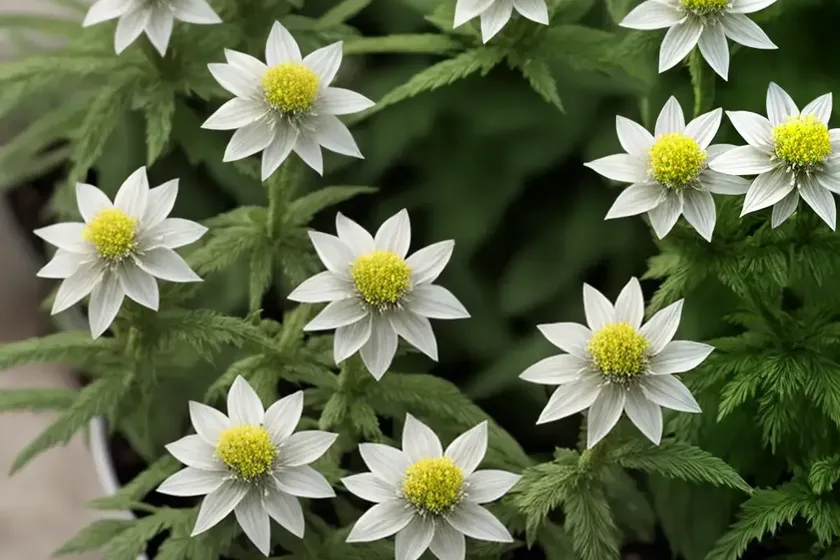
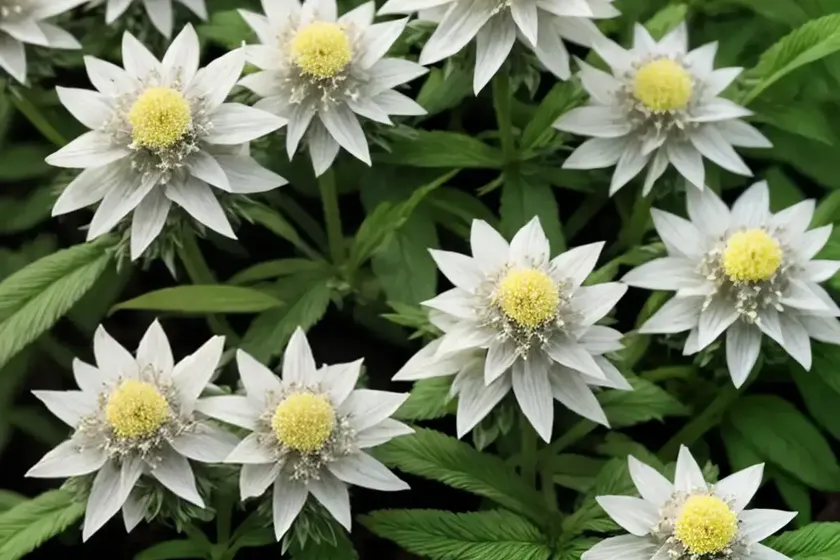
Alpine flowers have an undeniable allure, with their delicate blooms and their ability to thrive in extreme environments. Among these enchanting species, the Edelweiss (Leontopodium nivale) stands out as a symbol of rugged beauty, adaptability, and cultural significance. In this comprehensive guide, we will delve into the captivating world of Edelweiss, exploring its unique characteristics, cultivation, and ecological importance.
What is Edelweiss (Leontopodium nivale)?
Edelweiss, scientifically known as Leontopodium nivale, is a perennial flowering plant that belongs to the daisy or sunflower family, Asteraceae. Originating from the high-altitude regions of the Alps and other mountain ranges in Europe, Edelweiss is renowned for its exceptional ability to thrive in harsh, rocky environments characterized by low temperatures and high UV radiation.
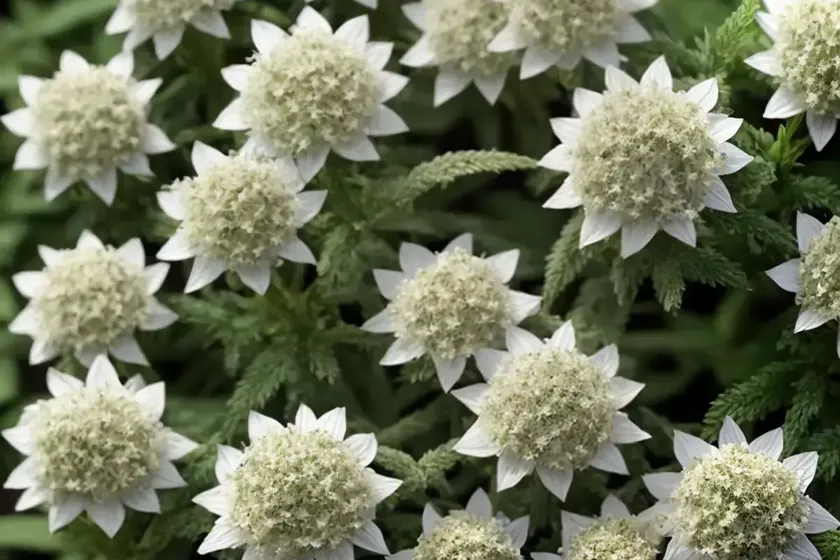
The name “Edelweiss” is derived from German and is composed of the words “edel” (noble) and “weiß” (white), referring to the plant’s distinctive woolly, star-shaped white flowers. These velvety blooms emerge from a cluster of narrow, grey-green leaves, creating a striking contrast against the rocky landscape where the plant usually grows.
Key Takeaways – Edelweiss (Leontopodium nivale)
Before we embark on our journey to uncover the intricacies of Edelweiss cultivation and care, let’s explore some key takeaways about this iconic alpine plant:
- Scientific Name: Leontopodium nivale
- Common Name: Edelweiss
- Family: Asteraceae
- Native Habitat: Alpine regions of Europe
- Flower Color: White
- Distinctive Feature: Woolly, star-shaped flowers
- Cultural Significance: Symbol of alpine beauty and resilience
- Ecological Importance: Indicator species for habitat conservation
Now, let’s delve deeper into the various aspects of nurturing and appreciating these rare and beautiful flowers.
Culture
Cultivating Edelweiss requires a nuanced understanding of its natural habitat and an appreciation for its unique ecological adaptations. By mimicking its native conditions, enthusiasts can successfully grow and enjoy the ethereal beauty of this alpine treasure. Let’s explore the essential cultural requirements for nurturing Edelweiss:
Uses
Edelweiss holds multifaceted significance, encompassing cultural, medicinal, and ornamental uses. Here are some of the notable uses of Edelweiss:
- Cultural Symbolism: Edelweiss is revered as a symbol of rugged beauty, purity, and resilience, often featured in folklore, art, and literature as an emblem of the alpine world.
- Medicinal Properties: Traditionally, Edelweiss has been used in herbal remedies due to its perceived anti-inflammatory and antioxidant properties, although scientific evidence supporting its medicinal uses is scarce.
- Ornamental Value: The striking appearance of the Edelweiss flower makes it a desirable addition to alpine-themed gardens and rockeries, adding a touch of wild elegance to the landscape.
Water
Given its mountainous origins, Edelweiss thrives in well-draining soils and is adapted to survive in relatively dry conditions. When cultivating Edelweiss, it’s crucial to provide adequate moisture while avoiding waterlogged conditions. Frequent, shallow watering is recommended, especially during hot and dry periods, to maintain optimal soil moisture without saturating the roots.
Sunlight
Edelweiss is a sun-loving plant that flourishes in full sun or partial shade. In its natural habitat, it is accustomed to enduring intense UV radiation at high altitudes. When grown in cultivation, providing at least 6 hours of direct sunlight per day is essential for promoting healthy growth and prolific flowering.
Fertilizer
Unlike many garden plants, Edelweiss is adapted to thrive in nutrient-poor, rocky soils, making it relatively low-maintenance in terms of fertilization requirements. In most cases, incorporating organic matter into the soil during planting should provide adequate nutrients for the plant’s needs. However, if soil quality is poor, a light application of a balanced, slow-release fertilizer in early spring can support the plant’s growth.
Soil
The ideal soil for Edelweiss cultivation replicates its native rocky, well-draining environment. Sandy or gravelly soils with a slightly acidic to neutral pH (around 6.0 to 7.0) are well-suited for growing Edelweiss. Ensuring excellent drainage is critical, as the plant is susceptible to root rot in waterlogged conditions.
Pruning
Pruning requirements for Edelweiss are minimal, as the plant naturally forms low mounds of foliage adorned with its iconic flowers. Deadheading spent blooms can prolong the flowering period and promote the production of new flowers. However, minimal pruning is generally recommended to maintain the plant’s natural, compact form.
Propagation
The propagation of Edelweiss can be achieved through several methods, including seed sowing, division, and stem cuttings. Each method offers its own set of advantages and challenges, allowing enthusiasts to choose the most suitable approach based on the resources and expertise available.
- Seed Sowing: Propagating Edelweiss from seeds requires patience and careful attention to environmental conditions to achieve successful germination. Sowing seeds in a well-draining medium and providing consistent moisture and cool temperatures can yield viable seedlings.
- Division: Dividing established clumps of Edelweiss allows for the creation of new plants while rejuvenating older specimens. Divisions can be carried out in early spring, with each division containing viable roots and shoots for transplanting.
- Stem Cuttings: Propagating Edelweiss from stem cuttings can be a viable option for enthusiasts aiming to accelerate the growth of new plants. Selecting healthy, non-flowering stems and providing them with the appropriate rooting conditions can lead to successful propagation.
Container Popularity
Edelweiss is well-suited for container cultivation, adding a touch of alpine charm to patios, balconies, and rock gardens. Its compact growth habit and low watering needs make it an attractive choice for container gardening enthusiasts seeking to showcase this iconic mountain plant.
Container Common Diseases
When grown in containers, Edelweiss is susceptible to a few common diseases that may impact its health and vitality. Understanding these potential threats and implementing preventive measures can ensure the successful cultivation of Edelweiss in containers.
Disease Diagnosis
Some of the common diseases that can affect Edelweiss in containers include:
- Root Rot: Excessive moisture and poor drainage can lead to root rot, causing the plant to exhibit wilting, yellowing foliage, and overall decline in health.
- Powdery Mildew: Humid conditions and poor air circulation can promote the development of powdery mildew, characterized by white, powdery patches on the leaves and stems.
- Fungal Leaf Spots: Fungal pathogens can cause unsightly leaf spots, often appearing as discolored lesions on the foliage.
Common Pests
While Edelweiss is relatively resistant to many pests due to the rugged nature of its foliage, certain insects may still pose a threat to the plant, particularly when grown in containers or garden settings.
- Aphids: These tiny, sap-sucking insects may infest the tender shoots and buds of Edelweiss, distorting new growth and potentially transmitting viral diseases.
- Spider Mites: In hot, dry conditions, spider mites can become a nuisance, causing stippling and discoloration of the leaves as they feed on the plant’s juices.
- Slugs and Snails: These voracious pests can target the tender foliage of Edelweiss, leaving behind characteristic feeding damage and slime trails.
Botanist’s Tips
Drawing from insights gathered from botanists and horticultural experts, here are some valuable tips for successfully cultivating and appreciating Edelweiss:
- Emulate Natural Conditions: When cultivating Edelweiss, strive to recreate the rocky, well-draining soils and ample sunlight that the plant thrives in, mimicking the rugged beauty of its native habitat.
- Moderate Watering: Avoid overwatering Edelweiss, as it is adapted to endure dry conditions. Providing moderate moisture while ensuring excellent drainage is key to promoting healthy growth.
- Selective Pruning: Adopt a selective approach to pruning, focusing on removing spent blooms and maintaining the overall form of the plant without excessive intervention.
Fun Facts
- Edelweiss has been a subject of fascination and folklore for centuries, inspiring tales of bravery and resilience in the face of extreme conditions.
- The celebrated song “Edelweiss” from the renowned musical “The Sound of Music” has helped elevate the plant to international fame, capturing the imagination of audiences around the world.
- In some cultures, presenting a bouquet of Edelweiss is seen as a gesture of love and devotion, symbolizing purity and enduring beauty.
Links to External Resources
For further exploration of Edelweiss and its captivating attributes, consider visiting the following resources:
- The Alpine Garden Society
- Royal Horticultural Society: Edelweiss Cultivation
- Botanical Society of America: Leontopodium nivale
From these curated resources, enthusiasts can gather additional insights into the world of Edelweiss, from its ecological significance to its diverse cultural representations.
In the second part of this comprehensive guide, we will delve deeper into the ecological significance of Edelweiss, its conservation status, and the multifaceted symbolism it holds in different cultures. Furthermore, we will explore the challenges and rewards of cultivating this rare alpine treasure, shedding light on its enchanting allure and its role in biodiversity conservation and sustainable gardening practices.
By gaining a deeper understanding of Edelweiss, we can celebrate its natural beauty and contribute to the preservation of this emblematic mountain plant.
Continue to Part 2 – Edelweiss: Ecological Significance and Conservation