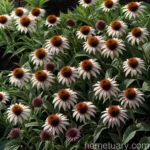
Plant Profile: Echinacea purpurea ‘Kim’s Knee High’ (Coneflower)
Echinacea purpurea ‘Kim’s Knee High’, commonly known as coneflower, is a delightful perennial plant that belongs to the Asteraceae family. This stunning plant has gained popularity among gardeners due to its compact habit and attractive deep pink to purple flowers. In this detailed plant profile, we will explore the culture, uses, care requirements, propagation, and interesting facts about Echinacea purpurea ‘Kim’s Knee High’. Let’s dive into the world of this charming coneflower variety.
What is Echinacea purpurea ‘Kim’s Knee High’?
Echinacea purpurea ‘Kim’s Knee High’, also known as Purple Coneflower, is a cultivar of the Echinacea purpurea species. It is celebrated for its dwarf stature, making it an ideal choice for small gardens, borders, and containers. This coneflower variety is native to North America and is valued for its medicinal properties, wildlife attraction, and ornamental appeal.
Key Takeaways – Echinacea purpurea ‘Kim’s Knee High’ (Coneflower)
Before delving into the specifics of Echinacea purpurea ‘Kim’s Knee High’, let’s summarize the key takeaways:
- Echinacea purpurea ‘Kim’s Knee High’ is a dwarf coneflower variety with a compact habit, making it suitable for small gardens and containers.
- This coneflower cultivar is known for its deep pink to purple flowers, which attract pollinators such as bees and butterflies.
- It is valued for its medicinal properties and is used in traditional herbal remedies.
- Echinacea purpurea ‘Kim’s Knee High’ requires well-drained soil, ample sunlight, and moderate watering for optimal growth.
- This coneflower variety can be propagated through division and is relatively low-maintenance, making it an excellent choice for beginner gardeners.
Now that we have an overview of Echinacea purpurea ‘Kim’s Knee High’, let’s delve into the specific aspects of its culture, uses, care requirements, and more.
Culture
Uses
Echinacea purpurea ‘Kim’s Knee High’ is a versatile plant with various uses, including:
- Ornamental Beauty: The vibrant, daisy-like flowers of Echinacea purpurea ‘Kim’s Knee High’ add a pop of color to garden beds, borders, and containers. The compact habit of this coneflower variety makes it an excellent choice for small spaces and urban gardens.
- Wildlife Attraction: The nectar-rich flowers of Echinacea purpurea ‘Kim’s Knee High’ attract pollinators, including bees and butterflies, making it a valuable addition to wildlife-friendly gardens.
- Medicinal Purposes: Echinacea purpurea, including the ‘Kim’s Knee High’ variety, is renowned for its potential health benefits. It is commonly used in herbal remedies and supplements for immune support and overall wellness.
Water
When it comes to watering Echinacea purpurea ‘Kim’s Knee High’, it is essential to strike a balance. While these coneflowers are drought-tolerant once established, consistent moisture is crucial during their initial growth phase and flowering period. A general guideline is to water deeply when the soil is dry to the touch, allowing the top few inches to dry out between watering sessions to prevent waterlogged conditions.
Sunlight
Echinacea purpurea ‘Kim’s Knee High’ thrives in full sun to partial shade, requiring a minimum of 6 hours of direct sunlight for optimal growth and prolific flowering. In regions with hot summers, providing some afternoon shade can help protect the plant from intense heat and reduce the risk of sunburn on the foliage.
Fertilizer
These coneflowers are relatively low-maintenance when it comes to fertilization. Incorporating a balanced, slow-release fertilizer into the soil in early spring as new growth emerges can support healthy blooms and overall plant vigor. Avoid over-fertilizing, as excessive nitrogen can lead to leggy growth and fewer flowers.
Soil
Echinacea purpurea ‘Kim’s Knee High’ flourishes in well-drained, loamy soil with a slightly acidic to slightly alkaline pH level (pH 6.0-7.0). Amending the soil with organic matter, such as compost or well-rotted manure, can improve its structure, drainage, and nutrient content, creating an ideal growing environment for these coneflowers.
Pruning
Pruning Echinacea purpurea ‘Kim’s Knee High’ is relatively simple and largely focused on deadheading spent flowers to promote continuous blooming and prevent self-seeding. In late winter or early spring, it can also be beneficial to cut back the previous year’s growth to encourage fresh, vigorous growth and maintain a tidy appearance.
Propagation
Echinacea purpurea ‘Kim’s Knee High’ can be propagated through division, which involves carefully dividing the plant’s clumps into smaller sections and replanting them in suitable locations. Spring or early fall is an ideal time for division, and the newly established divisions can quickly establish themselves with proper care and maintenance.
Container Popularity
Due to its compact habit and ornamental appeal, Echinacea purpurea ‘Kim’s Knee High’ is a popular choice for container gardening. Whether grown individually in decorative pots or combined with other compatible perennials and annuals, this coneflower variety adds a touch of charm to patios, balconies, and small outdoor spaces.
Common Diseases
Echinacea purpurea ‘Kim’s Knee High’ is generally resistant to most common plant diseases when grown in optimal conditions. However, it is essential to monitor the plants for signs of potential issues, including:
- Powdery Mildew: This fungal disease can affect the foliage of coneflowers, causing a powdery white coating and potential leaf distortion. Adequate air circulation, proper spacing, and avoiding overhead watering can help prevent powdery mildew.
- Septoria Leaf Spot: Characterized by dark spots with a lighter center on the leaves, this fungal disease can be controlled by removing and disposing of affected foliage, improving air circulation, and practicing good garden hygiene.
Disease Diagnosis
Early diagnosis of plant diseases is crucial for effective management and control. If you notice any unusual symptoms on your Echinacea purpurea ‘Kim’s Knee High’, such as abnormal leaf spots, discoloration, or stunted growth, it is important to promptly investigate the underlying cause. Consulting with local gardening experts, extension services, or plant pathology resources can help in accurate disease diagnosis and appropriate treatment recommendations.
Common Pests
Echinacea purpurea ‘Kim’s Knee High’ is relatively resistant to pest infestations, but it may occasionally face challenges from common garden pests, including:
- Aphids: These small insects can cluster on the undersides of leaves, sucking sap and causing stunted growth. Rinsing the plant with a strong stream of water or using insecticidal soap can help manage aphid populations.
- Japanese Beetles: These voracious feeders can skeletonize the foliage of coneflowers. Hand-picking the beetles and using protective covers during peak activity can aid in beetle control.
Botanist’s Tips
For optimal success with Echinacea purpurea ‘Kim’s Knee High’, consider the following botanist’s tips:
- Soil Preparation: Prior to planting, ensure the soil is well-drained and rich in organic matter. Amending heavy or compacted soil with compost can enhance its structure and fertility, promoting healthy root development.
- Regular Monitoring: Keep an eye on the plant for any signs of stress, disease, or pest activity. Early intervention can prevent minor issues from escalating into significant problems.
Fun Facts
- Echinacea purpurea ‘Kim’s Knee High’ is a favorite among pollinators, including bees and butterflies, due to its nectar-rich flowers and vibrant color.
- The coneflower’s name is derived from the distinctive shape of its central cone, which adds an intriguing focal point to the flowers.
- Echinacea purpurea has a long history of use in traditional herbal medicine, with its roots, flowers, and other plant parts believed to have immune-boosting properties.
Now that we have explored the culture, care, and interesting attributes of Echinacea purpurea ‘Kim’s Knee High’, let’s delve into some valuable external resources for further information and inspiration.
Links to External Resources
- The Royal Horticultural Society (RHS) – Echinacea purpurea
- University of Maryland Medical Center – Echinacea
- Missouri Botanical Garden – Plant Finder: Echinacea purpurea ‘Kim’s Knee High’
- American Society for the Prevention of Cruelty to Animals (ASPCA) – Plants Toxic to Animals: Echinacea
- North Carolina State University Extension – Managing Powdery Mildew in Landscapes
Overall, Echinacea purpurea ‘Kim’s Knee High’ is a captivating and versatile plant that adds beauty, wildlife attraction, and potential health benefits to gardens and landscapes. Whether you are a seasoned gardener or a beginner plant enthusiast, integrating this delightful coneflower variety into your outdoor spaces can bring joy and color for years to come. With proper care, attention to its specific needs, and a touch of creativity, Echinacea purpurea ‘Kim’s Knee High’ can thrive and enchant with its charming blooms.