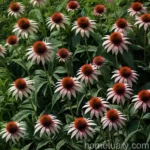
Echinacea Angustifolia (Narrow-leaf Coneflower): A Comprehensive Guide
Echinacea angustifolia, commonly known as Narrow-leaf Coneflower, is a beautiful and beneficial plant that has been a staple in traditional medicine and gardens for centuries. This species is renowned for its stunning flowers and medicinal properties, making it a popular choice for herbal enthusiasts and gardeners alike.
In this comprehensive guide, we will delve into the various aspects of Echinacea angustifolia, including its culture, uses, growing conditions, maintenance, and much more. Whether you are looking to cultivate this remarkable plant in your garden or are interested in its medicinal benefits, this guide will provide you with an in-depth understanding of Echinacea angustifolia and how to care for it effectively.
What is Echinacea Angustifolia (Narrow-leaf Coneflower)?
Echinacea angustifolia, a member of the Asteraceae family, is a perennial herbaceous plant native to North America. It is characterized by its distinctive narrow leaves and vibrant, daisy-like flowers that boast shades of purple and pink. The plant is commonly found in prairies, open woodlands, and dry, rocky slopes, thriving in well-drained soil and ample sunlight.
Key Takeaways – Echinacea Angustifolia (Narrow-leaf Coneflower)
Before we delve into the specifics of Echinacea angustifolia, let’s take a look at the key takeaways for this remarkable plant:
- Echinacea angustifolia is a perennial herbaceous plant native to North America, known for its narrow leaves and vibrant, daisy-like flowers.
- This species boasts several medicinal properties and is widely used in traditional herbal medicine for its immune-boosting and anti-inflammatory benefits.
- When it comes to cultivation, Echinacea angustifolia requires well-drained soil, ample sunlight, and minimal water to thrive successfully.
- The plant is relatively low-maintenance, making it an excellent addition to gardens and landscapes, providing both aesthetic beauty and medicinal value.
Now that we have an overview of Echinacea angustifolia, let’s explore the various facets of this plant in detail.
Culture
When it comes to cultivating Echinacea angustifolia, understanding its cultural requirements is essential for ensuring its optimal growth and development. From its preferred growing conditions to propagation techniques, the cultural aspects of this plant play a crucial role in its overall health and vitality.
Uses
Echinacea angustifolia is a versatile plant that encompasses a wide range of uses, from traditional medicine to ornamental gardening. Let’s take a look at some of the primary uses of this remarkable species:
-
Medicinal Purposes: Echinacea angustifolia has long been used in traditional medicine for its immune-boosting and anti-inflammatory properties. It is commonly utilized in the form of teas, tinctures, and supplements to support overall health and well-being.
-
Ornamental Value: With its striking flowers and foliage, Echinacea angustifolia is a popular choice for ornamental gardens, adding visual interest and vibrant color to landscapes.
-
Wildlife Attraction: The nectar-rich flowers of Echinacea angustifolia attract pollinators such as bees and butterflies, making it a valuable addition to wildlife gardens.
Water
Understanding the water requirements of Echinacea angustifolia is crucial for promoting its healthy growth and preventing water-related issues such as root rot. While the plant is relatively drought-tolerant once established, it is essential to provide adequate moisture during its initial establishment phase.
- Watering Guidelines:
- Establishment Phase: Water newly planted Echinacea angustifolia regularly, ensuring that the soil remains consistently moist but not waterlogged. Once the plant becomes established, reduce watering frequency, allowing the soil to dry out between waterings.
- Natural Precipitation: In most cases, natural precipitation is sufficient to meet the water needs of established Echinacea angustifolia plants. However, during prolonged dry spells, supplemental watering may be necessary.
Sunlight
Echinacea angustifolia thrives in bright, full sunlight, making it well-suited for gardens and landscapes that receive ample sunlight throughout the day. Adequate sunlight is essential for promoting robust flower production and overall plant vigor.
- Sunlight Requirements:
- Full Sun: Plant Echinacea angustifolia in an area that receives at least 6-8 hours of direct sunlight per day. Ensure that the chosen location is not shaded by nearby structures or trees to maximize sunlight exposure.
Fertilizer
While Echinacea angustifolia is relatively low-maintenance, providing the plant with an appropriate fertilizer can support its overall health and flowering potential. However, it is important to approach fertilization with moderation, as excessive nutrients can lead to adverse effects on the plant.
- Fertilization Guidelines:
- Organic Matter: Incorporate organic matter such as compost or well-rotted manure into the soil before planting Echinacea angustifolia. This enriches the soil and provides essential nutrients for the plant’s growth.
- Moderate Fertilization: Once established, Echinacea angustifolia typically does not require frequent fertilization. If necessary, apply a balanced, slow-release fertilizer in early spring, following the manufacturer’s recommendations for application rates.
Soil
The soil composition and structure play a significant role in the overall health and vitality of Echinacea angustifolia. Understanding the optimal soil requirements for this plant is essential for promoting successful growth and flowering.
- Soil Requirements:
- Well-drained Soil: Echinacea angustifolia thrives in well-drained soil with good aeration. Avoid heavy or waterlogged soils, as they can lead to root rot and other moisture-related issues.
- pH Level: The plant prefers slightly acidic to neutral soil with a pH range of 6.0-7.0. Conduct a soil test to determine the existing pH level and make amendments as necessary to achieve the ideal range.
Pruning
Pruning Echinacea angustifolia is a relatively simple task that can help maintain the plant’s shape, remove spent flowers, and promote continuous blooming. Proper pruning techniques contribute to the overall health and aesthetic appeal of the plant.
- Pruning Guidelines:
- Deadheading: Remove faded or spent flowers promptly to encourage the production of new blooms. This not only prolongs the flowering period but also prevents the plant from expending energy on seed production.
- Division: Periodically divide mature clumps of Echinacea angustifolia to rejuvenate the plant and prevent overcrowding. Dividing the plant every 3-4 years helps maintain its vigor and promotes healthy growth.
Propagation
Propagation allows for the expansion of Echinacea angustifolia populations and the acquisition of additional plants for garden or medicinal use. Understanding the various propagation methods is essential for successfully growing new plants from existing ones.
- Propagation Methods:
- Seed Propagation: Echinacea angustifolia can be propagated from seeds, which are typically sown in well-drained soil in the spring or fall. The seeds require a period of cold stratification to germinate successfully.
- Division: Divide mature clumps of Echinacea angustifolia in the spring or fall to create new plants. This method also helps rejuvenate crowded or overgrown specimens.
Container Popularity
Echinacea angustifolia’s ornamental value, low-maintenance nature, and medicinal properties make it a popular choice for container gardening. Growing this plant in containers offers versatility and the opportunity to enjoy its beauty and benefits in various settings.
- Container Considerations:
- Container Size: Select a spacious container that provides ample room for the plant’s root system to spread and grow. Ensure that the container has drainage holes to prevent waterlogging.
- Potting Mix: Use a well-draining potting mix designed for perennial plants when growing Echinacea angustifolia in containers. This helps maintain appropriate soil moisture levels and prevents water-related issues.
Common Diseases
While Echinacea angustifolia is relatively resistant to diseases, certain environmental conditions and cultural practices can predispose the plant to specific ailments. Recognizing and addressing common diseases promptly can help safeguard the plant’s health and vitality.
- Disease Identification:
- Powdery Mildew: This fungal disease presents as a powdery white coating on the leaves and stems of Echinacea angustifolia. It thrives in humid conditions and can be mitigated through proper spacing, adequate airflow, and fungicidal treatments if necessary.
- Botrytis Blight: Also known as gray mold, botrytis blight can affect the flowers and foliage of Echinacea angustifolia, causing browning and decay. Avoid overhead watering and provide proper ventilation to minimize the risk of infection.
Common Pests
Echinacea angustifolia is relatively resistant to pest infestations, but certain insects may still pose a threat to the plant’s overall health. Understanding common pests and implementing control measures when necessary can help protect the plant from damage.
- Pest Control:
- Aphids: These small, sap-feeding insects can infest the tender growth of Echinacea angustifolia, causing distortion and stunted development. Insecticidal soaps or horticultural oils can help manage aphid populations effectively.
- Japanese Beetles: These voracious pests may feed on the foliage and flowers of Echinacea angustifolia, leading to extensive damage. Handpick adult beetles and employ physical barriers or traps to control their population.
Botanist’s Tips
As a plant scientist, I have gathered invaluable insights and tips for cultivating Echinacea angustifolia successfully. These botanical tips encompass various aspects of plant care, maintenance, and ecological significance.
Fun Facts
Let’s explore some fascinating and lesser-known facts about Echinacea angustifolia:
- Historical Significance: Echinacea angustifolia has a rich history of use among Native American tribes, who valued the plant for its medicinal properties and considered it a sacred herb.
- Butterfly Magnet: The nectar-rich flowers of Echinacea angustifolia attract an array of butterflies, adding a delightful and colorful presence to gardens and landscapes.
- Perennial Persistence: Echinacea angustifolia is a resilient perennial plant, capable of enduring harsh environmental conditions and blooming year after year with minimal care.
Now, let’s explore some external resources that provide comprehensive information about the cultivation, medicinal uses, and ecological importance of Echinacea angustifolia.
Links to External Resources
Here are some valuable external resources that offer in-depth insights into Echinacea angustifolia:
- Echinacea angustifolia: Growing Conditions and Care
- Medicinal Uses of Echinacea angustifolia
- Echinacea angustifolia: Wildlife and Ecological Importance
In conclusion, Echinacea angustifolia, or Narrow-leaf Coneflower, is a remarkable plant that encompasses both ornamental beauty and medicinal value. Its cultural significance, low-maintenance nature, and ecological contributions make it a valuable addition to gardens, landscapes, and natural habitats. By understanding the various aspects of Echinacea angustifolia, from its growing conditions to medicinal applications, we can appreciate and cultivate this extraordinary species in a meaningful and sustainable manner.