Echeveria Setosa (Mexican Firecracker)
Echeveria setosa, commonly known as Mexican Firecracker, is a stunning succulent known for its charming rosettes and tiny, fuzzy leaves. This hardy plant.
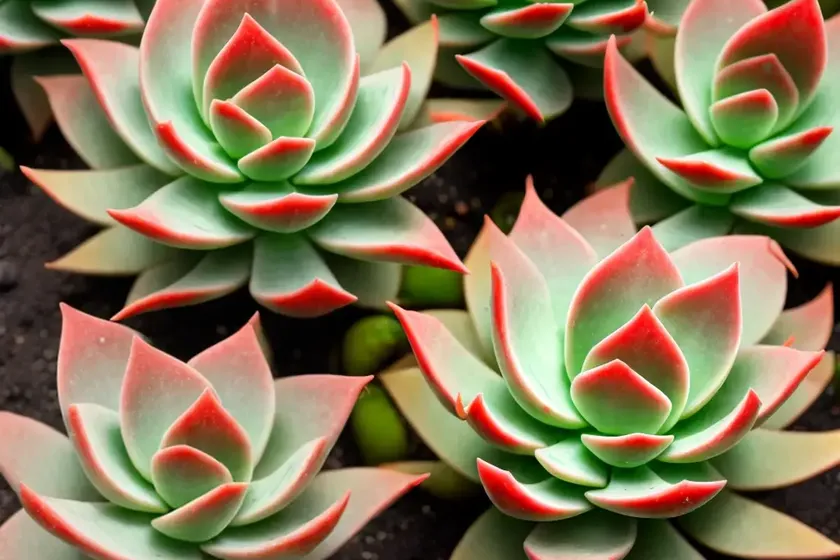
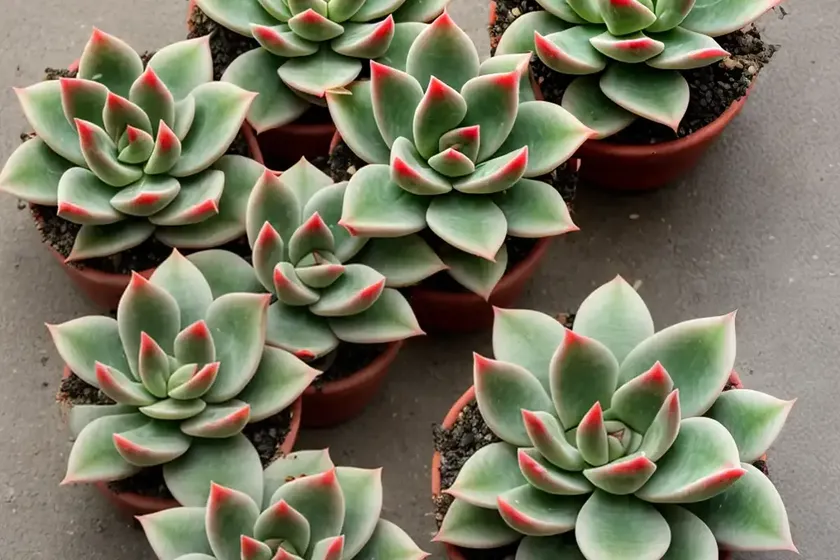
Echeveria setosa, commonly known as Mexican Firecracker, is a stunning succulent known for its charming rosettes and tiny, fuzzy leaves. This hardy plant is a favorite among gardeners and succulent enthusiasts due to its low maintenance requirements and unique appearance. In this comprehensive care guide, we will explore everything you need to know about Echeveria setosa, from its cultural needs to propagation, common diseases and pests, and more. Whether you’re a seasoned succulent grower or a beginner looking to add a touch of elegance to your garden, this guide will equip you with the knowledge to help your Echeveria setosa thrive.
What is Echeveria setosa (Mexican Firecracker)?
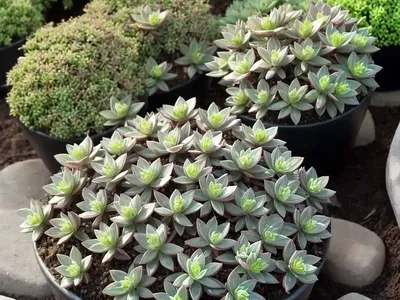
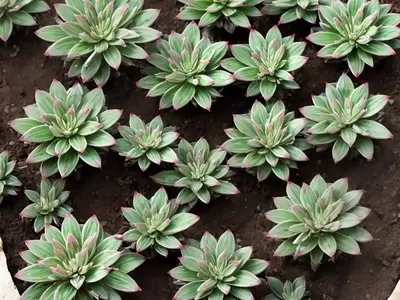
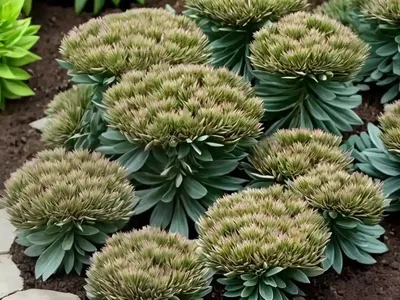
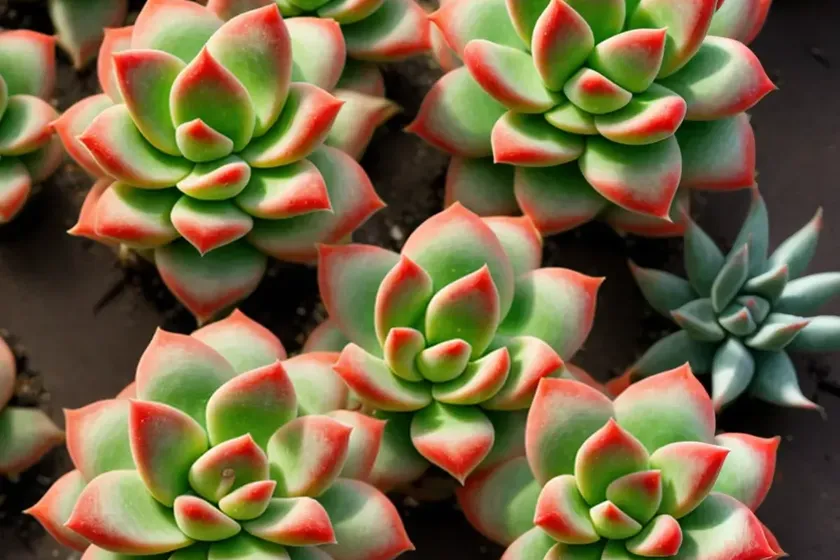
Echeveria setosa is a species of flowering plants in the Crassulaceae family, which is native to Mexico. It is a perennial succulent that forms attractive, compact rosettes of fleshy, spoon-shaped leaves. The plant’s leaves are covered in fine, silvery-white hairs, giving it a unique, velvety appearance. During the warmer months, Echeveria setosa produces slender, arching stems bearing bright orange, bell-shaped flowers, which add a pop of color to its already picturesque form.
As with many succulents, Echeveria setosa is well-adapted to dry, arid environments and has developed water storage capabilities in its leaves, making it a resilient and drought-tolerant plant. Its compact growth habit and stunning aesthetic make it a popular choice for rock gardens, container arrangements, and indoor succulent displays.
Now, let’s delve into the key takeaways and detailed care requirements for cultivating and maintaining healthy Echeveria setosa plants.
Key Takeaways – Echeveria setosa (Mexican Firecracker)
Before we dive into the specifics of caring for Echeveria setosa, let’s summarize some key points about this alluring succulent:
- Echeveria setosa, also known as Mexican Firecracker, is a perennial succulent native to Mexico, recognized for its compact rosettes of fuzzy, spoon-shaped leaves and vibrant orange flowers.
- This succulent is well-suited for arid climates and exhibits drought tolerance, making it a low-maintenance choice for gardens, containers, and indoor settings.
- Echeveria setosa thrives in bright sunlight and requires well-draining soil to prevent root rot and other moisture-related issues.
- When properly cared for, Echeveria setosa can be easily propagated through leaf or stem cuttings, allowing you to expand your collection or share its beauty with others.
Now that we’ve covered the fundamental attributes of Echeveria setosa, let’s explore the specific cultural needs and care guidelines for cultivating this striking succulent.
Culture
Cultivating Echeveria setosa successfully involves understanding its specific requirements for water, sunlight, fertilizer, soil, and more. Let’s take a closer look at each of these aspects to provide your Mexican Firecracker with an optimal environment for growth and vitality.
Uses
Echeveria setosa serves various practical and aesthetic purposes, making it a versatile addition to any garden or indoor space. Here are some common uses for Mexican Firecracker plants:
- Ornamental Display: The attractive rosettes and vibrant flowers of Echeveria setosa make it a popular choice for ornamental planting in rock gardens, succulent beds, and container arrangements.
- Indoor Décor: Due to its compact size and low maintenance requirements, Echeveria setosa is well-suited for adorning windowsills, shelves, and other indoor spaces, bringing a touch of natural elegance to interior décor.
- Xeriscaping: Given its drought-tolerant nature, Echeveria setosa is a valuable addition to xeriscape landscapes, where water conservation and sustainable gardening practices are emphasized.
Whether utilized for its visual appeal, ecological benefits, or low-maintenance qualities, Echeveria setosa offers an array of uses that cater to both functional and aesthetic needs.
Water
Proper watering is crucial for the health and vigor of Echeveria setosa. As a succulent adapted to arid conditions, it is essential to strike a balance in providing adequate moisture without overwatering, which can lead to root rot and other issues. Here are some essential water-related guidelines for caring for Echeveria setosa:
- Watering Frequency: During the active growing season in spring and summer, water Echeveria setosa thoroughly but allow the top inch of the soil to dry out between waterings. This encourages healthy root development and prevents waterlogged conditions.
- Winter Watering: Reduce the frequency of watering in the winter months, as Echeveria setosa experiences a period of dormancy. Proper drainage is particularly important during this time to prevent water accumulation around the roots.
By adhering to a mindful watering regimen and prioritizing well-draining soil, you can maintain optimal soil moisture levels for your Mexican Firecracker plant, promoting robust growth and preventing water-related complications.
Sunlight
Echeveria setosa thrives in bright, indirect sunlight and requires ample light exposure to flourish. When providing sunlight for your Mexican Firecracker plant, consider the following recommendations:
- Ideal Light Conditions: Place Echeveria setosa in a location that receives at least 6 hours of bright, indirect sunlight per day. South- or west-facing windows are typically excellent choices for indoor cultivation, while outdoor plants benefit from partial shade in extremely hot climates.
- Outdoor Sun Exposure: When growing Echeveria setosa outdoors, monitor its sun exposure to prevent sunburn. Gradually acclimate the plant to direct sunlight if it has been predominantly grown in shaded conditions.
By ensuring that Echeveria setosa receives sufficient sunlight within the appropriate intensity range, you can support its photosynthetic processes and the development of its characteristic compact rosettes.
Fertilizer
Though relatively low-maintenance, Echeveria setosa benefits from occasional fertilization to supplement its nutrient intake and promote robust growth. Consider these fertilizer-related recommendations when caring for your Mexican Firecracker plant:
- Fertilization Frequency: Apply a balanced, water-soluble fertilizer diluted to half-strength every 2-3 weeks during the active growing season in spring and summer. Refrain from fertilizing during the winter dormancy period.
- Fertilizer Composition: Use a fertilizer formulated for succulents and cacti, as these products provide the specific nutrients and micronutrients that Echeveria setosa needs for optimal health.
By incorporating a suitable fertilizer regimen into your care routine, you can provide your Echeveria setosa with essential nutrients while minimizing the risk of fertilizer burn or overfeeding.
Soil
The choice of soil is paramount when cultivating Echeveria setosa, as it directly influences the plant’s root health, moisture retention, and overall well-being. To ensure an optimal growth environment, follow these soil-related considerations:
- Well-Draining Soil: Use a well-draining cactus or succulent mix with added perlite or coarse sand to promote rapid water drainage and prevent waterlogged conditions. Proper soil drainage is essential for safeguarding against root rot and other moisture-related issues.
- Soil Composition: Consider adding organic matter, such as compost or peat moss, to enhance soil structure and nutrient retention. However, prioritize soil porosity and aeration to prevent compaction.
By selecting a well-draining, nutrient-rich soil medium and adhering to proper watering practices, you can create an ideal foundation for the healthy development of your Echeveria setosa.
Pruning
Pruning plays a minimal role in the care of Echeveria setosa, as the plant maintains a naturally compact and charming growth habit without necessitating extensive trimming. Nonetheless, occasional pruning may be beneficial for the appearance and health of your Mexican Firecracker plant. Here are some pruning-related tips to consider:
- Remove Dead Leaves: Periodically remove any dead or wilted leaves from the base of the plant to maintain cleanliness and prevent the risk of fungal infections.
- Trimming Flowers: After the blooming period, you can trim back spent flower stalks to promote the plant’s energy allocation to new growth and rosette development.
By implementing minor pruning measures as needed, you can contribute to the tidiness and aesthetic appeal of your Echeveria setosa without disrupting its natural growth patterns.
Propagation
The ability to propagate Echeveria setosa through various methods allows you to expand your succulent collection and share its beauty with others. Here are some popular propagation techniques for Mexican Firecracker plants:
- Leaf Cuttings: Harvest healthy leaves from the base of the plant, allow the cut ends to callous for a few days, and then place them on well-draining soil to root and form new plants.
- Stem Cuttings: Carefully remove stem sections from mature Echeveria setosa, allow them to air dry and callous, then insert them into a succulent propagation mix to encourage rooting and establishment.
By embracing the rewarding process of propagating Echeveria setosa, you can multiply the presence of this captivating succulent in your garden or share its splendor with fellow plant enthusiasts.
Container Popularity
Echeveria setosa’s compact growth habit and striking appearance make it a popular choice for container cultivation, both indoors and outdoors. When selecting a container for your Mexican Firecracker plant, prioritize the following attributes:
- Drainage Holes: Choose a container with drainage holes to facilitate excess water removal and prevent waterlogged soil conditions.
- Aesthetic Appeal: Opt for containers that complement the plant’s visual charm, such as decorative ceramic pots or rustic terracotta vessels.
- Size Consideration: Select a container that provides ample space for the plant’s root system to develop and expand, allowing for healthy growth without becoming excessively constricted.
Whether adorning your indoor living space or enhancing your outdoor patio, Echeveria setosa excels as a container plant, adding a touch of natural beauty and sophistication to any setting.
Common Diseases
While generally resilient, Echeveria setosa may be susceptible to certain diseases and health issues, particularly those induced by excess moisture or poor ventilation. Some common diseases that may affect Mexican Firecracker plants include:
- Fungal Infections: Prolonged dampness or overwatering can lead to fungal problems, such as powdery mildew or root rot. Implement proper watering practices and ensure good airflow to minimize the risk of fungal diseases.
- Bacterial Blight: Excessive moisture and poor sanitation can contribute to bacterial blight, resulting in dark, water-soaked lesions on the leaves. Preventative measures include promoting good air circulation and promptly removing affected plant parts.
By remaining vigilant and proactive in managing potential disease risks, you can safeguard the health and vitality of your Echeveria setosa, fostering an environment conducive to long-term flourishing.
Disease Diagnosis
When assessing the health of your Echeveria setosa, be attentive to visual cues and symptoms that may indicate disease presence. Common signs of disease in Mexican Firecracker plants include:
- Leaf Discoloration: Observe changes in leaf color or texture, such as dark spots, wilting, or unusual powdery coatings, which may signal fungal or bacterial infections.
- Stunted Growth: If your Echeveria setosa displays a lack of vigor or halted growth despite favorable growing conditions, investigate potential disease causes, such as root rot or pathogen-related issues.
By proactively monitoring your succulent’s overall appearance and responding promptly to any signs of decline, you can intervene early and mitigate the impact of potential diseases.
Common Pests
In addition to diseases, Echeveria setosa may face challenges from various pests that can compromise its health and aesthetics. Understanding the common pests that afflict Mexican Firecracker plants is essential for implementing effective pest management strategies. Some prevalent pests to monitor include:
- Aphids: These small, soft-bodied insects feed on plant sap and excrete honeydew, potentially causing leaf distortion and weakening the plant’s defenses against diseases.
- Mealybugs: Mealybugs are notorious for their cottony, waxy appearance and their tendency to infest leaf axils and other protected plant parts, leading to stunted growth and leaf yellowing.
By staying vigilant for signs of pest activity and promptly addressing pest infestations, you can maintain a healthy, pest-free environment for your Echeveria setosa to thrive.
Botanist’s Tips
To conclude our exploration of Echeveria setosa care, let’s consider some expert insights and tips from botanists and seasoned succulent enthusiasts. These practical recommendations can further enhance your understanding and care of Mexican Firecracker plants:
- Adequate Drainage: Prioritize planting your Echeveria setosa in containers or soil that ensure proper drainage, as waterlogged conditions can be detrimental to the plant’s health and vitality.
- Minimal Handling: Limit handling and touching of the plant’s leaves, as the delicate hairs on Echeveria setosa can be easily damaged, affecting the plant’s aesthetic appeal and potentially making it more susceptible to pests and diseases.
- Winter Protection: Provide adequate protection and insulation for outdoor Echeveria setosa plants during the colder months, particularly in regions with frost or freezing temperatures.
By incorporating these expert tips into your care routine, you can bolster the overall well-being and resilience of your Echeveria setosa, fostering an environment that supports its natural beauty and longevity.
Fun Facts
Before we wrap up, let’s unwind and delve into some delightful fun facts about Echeveria setosa, offering a glimpse into the captivating allure and distinctive traits of this beloved succulent:
- Firecracker Moniker: The common name “Mexican Firecracker” is inspired by the vibrant, fiery orange flowers that Echeveria setosa produces, reminiscent of the explosion of colors seen in a firecracker display.
- Fuzzy Leaf Adaptations: The fuzzy, silvery-white hairs coating Echeveria setosa’s leaves serve as a protective mechanism against intense sunlight and moisture loss, reflecting light and insulating the plant from harsh environmental conditions.
- Pollinator Magnet: The bell-shaped flowers of Echeveria setosa attract pollinators such as bees and butterflies, contributing to the ecological value of this charming succulent.
By uncovering these intriguing and lighthearted facts, you can gain a deeper appreciation for the inherent charm and ecological significance of Echeveria setosa, further enriching your connection with this remarkable plant.
Links to External Resources
For those seeking more in-depth information, inspiration, or visual references related to Echeveria setosa and its cultivation, the following external resources are valuable references:
- Echeveria Setosa Care Guide – Succulent Alley
- Echeveria Setosa: The Mexican Firecracker – World of Succulents
- Growing and Caring for Echeveria Setosa – Sublime Succulents
In wrapping up this comprehensive care guide for Echeveria setosa (Mexican Firecracker), we’ve covered the essential aspects of cultivating and maintaining this enchanting succulent, from its cultural requirements to propagation, potential diseases and pests, and more. Armed with this knowledge, you can confidently nurture your Echeveria setosa, fostering its natural beauty and resilience while enjoying the therapeutic benefits of succulent gardening. May your journey with Mexican Firecracker plants be filled with vibrancy, growth, and an enduring appreciation for the wonders of nature.