Echeveria Hookeril (Pachyphytum Hookeri)
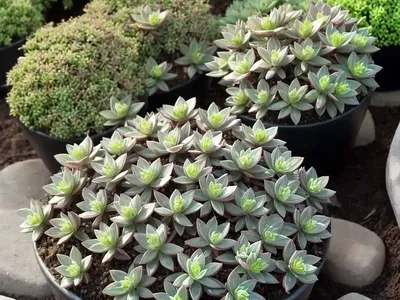
Echeveria Hookeril, also known as Pachyphytum Hookeri, is a stunning succulent plant renowned for its lovely rosette-shaped leaves. Native to Mexico.
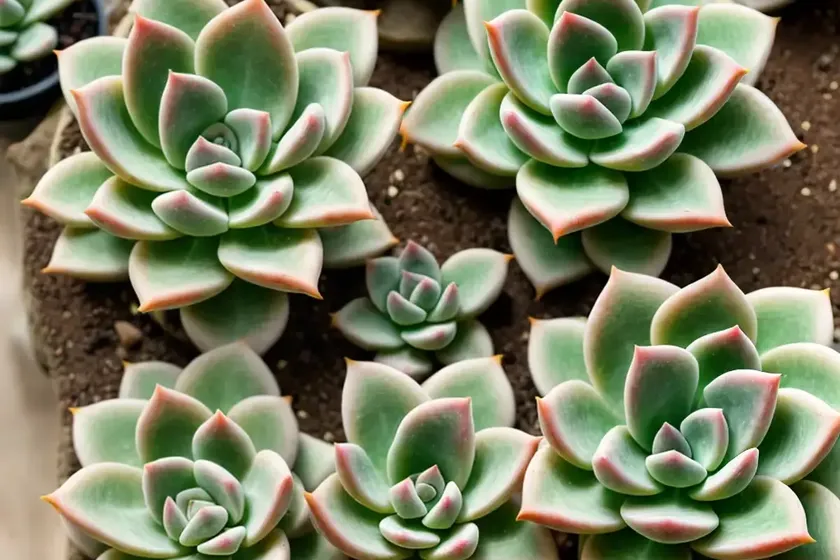
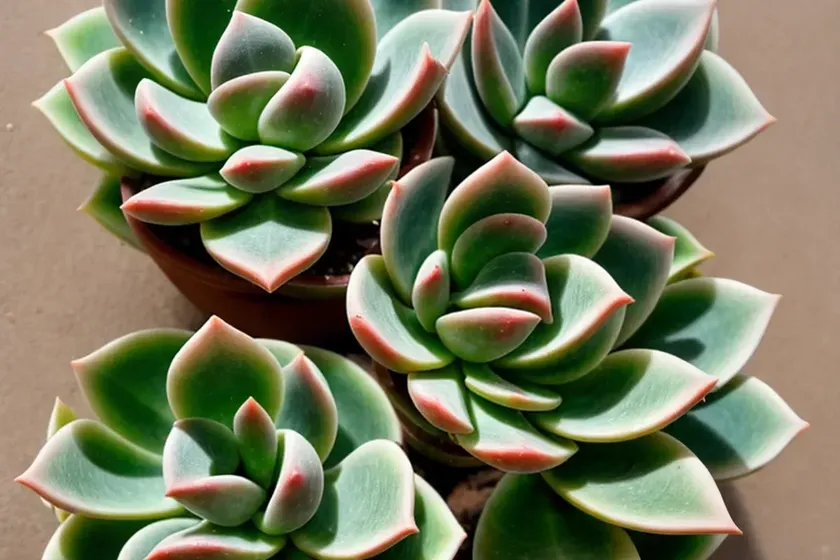
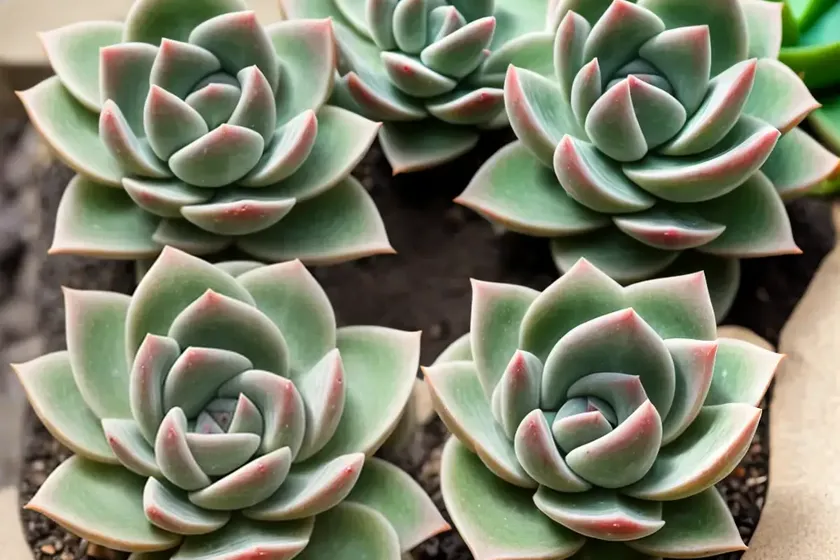
Echeveria Hookeril, also known as Pachyphytum Hookeri, is a stunning succulent plant renowned for its lovely rosette-shaped leaves. Native to Mexico, Echeveria Hookeril is a popular choice among plant enthusiasts due to its low maintenance and unique appearance. In this comprehensive plant care guide, we will explore the characteristics, growing conditions, care tips, and propagation methods for Echeveria Hookeril, providing you with all the information you need to cultivate and enjoy this beautiful succulent.
What is Echeveria Hookeril (Pachyphytum Hookeri)?
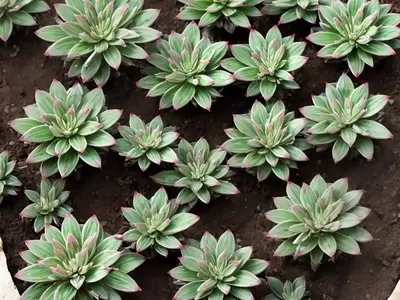
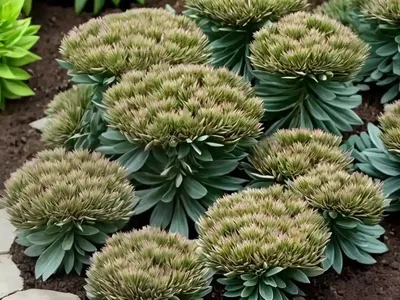
Echeveria Hookeril, scientifically named Pachyphytum Hookeri, belongs to the family Crassulaceae, which includes a diverse array of succulent plants. This particular species is a small, slow-growing succulent with thick, pale green leaves that form a tight rosette shape. The leaves have a powdery coating known as farina, which lends them a slightly silvery appearance. Echeveria Hookeril produces tall, slender flower stalks that bear bell-shaped, pale yellow flowers in the spring or summer, adding to its ornamental value.
Key Takeaways – Echeveria Hookeril (Pachyphytum Hookeri)
Before we delve into the specifics of caring for Echeveria Hookeril, let’s cover some key takeaways about this unique succulent:
- Scientific Name: Echeveria Hookeril (Pachyphytum Hookeri)
- Common Names: Pachyphytum Hookeri, Hooker’s Pachyphytum
- Family: Crassulaceae
- Native Habitat: Mexico
- Characteristics: Rosette-shaped, pale green leaves with farina coating; tall flower stalks with bell-shaped, pale yellow flowers
- Growing Conditions: Warm and dry climate, well-draining soil, ample sunlight
- Care Tips: Minimal watering, protection from frost, occasional fertilization
- Propagation: Leaf and stem cuttings, offsets
- Popularity: Widely cultivated as a houseplant and for outdoor landscaping
- Common Diseases: Root rot, fungal infections
- Common Pests: Aphids, mealybugs
Now that we’ve covered the basics let’s dive into the details of how to care for Echeveria Hookeril.
Culture
Echeveria Hookeril is particularly well-suited for cultivation as a houseplant or in outdoor succulent gardens due to its low maintenance requirements and ornamental value. When provided with the proper growing conditions, this succulent can thrive and make a stunning addition to any plant collection.
Uses
Echeveria Hookeril is popularly grown for its ornamental value, adding a touch of elegance to indoor spaces, succulent gardens, rockeries, and xeriscapes. Its compact size and attractive rosette form make it a versatile choice for various planting arrangements. Additionally, as a drought-tolerant plant, Echeveria Hookeril is ideal for individuals seeking low-maintenance greenery.
Water
One of the essential aspects of caring for Echeveria Hookeril is proper watering. As a succulent, Echeveria Hookeril is adapted to survive periods of drought and prefers to dry out between waterings. Overwatering can lead to rot and fungal problems, so it’s crucial to allow the soil to dry before watering thoroughly.
-
Watering Tips for Echeveria Hookeril:
- Water the plant when the top inch of soil is dry.
- Use a watering can with a narrow spout to direct water to the base of the plant and avoid wetting the leaves excessively.
- In the winter months, reduce watering frequency to prevent waterlogged soil.
Sunlight
Echeveria Hookeril flourishes in bright, direct sunlight, making it an excellent choice for sunny windowsills or outdoor spots with ample sun exposure. Inadequate light can cause the plant to become elongated and leggy. When grown outdoors, it’s essential to position Echeveria Hookeril in a location where it receives at least 6 hours of direct sunlight per day for optimal growth and coloration.
-
Sunlight Needs:
- Position the plant in a south-facing window or in a spot with ample natural light.
- Outdoors, choose a sunny, well-drained area for planting to ensure the plant receives sufficient sunlight.
Fertilizer
Feeding Echeveria Hookeril with a balanced fertilizer can promote healthy growth and ensure that the plant receives essential nutrients. However, it’s crucial to apply fertilizer sparingly, as over-fertilization can lead to adverse effects and damage the plant.
-
Fertilizing Tips:
- Use a diluted, balanced fertilizer formulated for succulents or cacti during the growing season.
- Apply the fertilizer at half-strength every 2-3 months to avoid excess buildup of salts in the soil.
Soil
The choice of soil is critical for the successful cultivation of Echeveria Hookeril. Well-draining, porous soil is essential to prevent waterlogging and root rot, as succulents are highly susceptible to these issues in heavy, compacted soil.
-
Soil Requirements:
- Use a specialized succulent or cactus mix, or create a custom blend by incorporating coarse sand, perlite, or pumice to enhance drainage.
- Ensure that the soil is airy and fast-draining to prevent water from accumulating around the roots.
Pruning
While Echeveria Hookeril does not require frequent pruning, removing dead or damaged leaves can enhance the plant’s appearance and prevent the spread of disease. Additionally, pruning spent flower stalks can redirect the plant’s energy back into vegetative growth.
-
Pruning Techniques:
- Use sharp, clean scissors or pruning shears to trim away dead or withered leaves.
- Remove dried flower stalks from the base to encourage new growth from the center of the rosette.
Propagation
Propagation of Echeveria Hookeril can be achieved through various methods, including leaf and stem cuttings, offsets, and seeds. This allows plant enthusiasts to expand their collection or share the beauty of Echeveria Hookeril with fellow gardeners.
-
Propagation Methods:
- Leaf Cuttings: Gently remove healthy leaves and allow them to callus for a few days before placing them on a well-draining propagation medium.
- Stem Cuttings: Take stem cuttings and allow them to dry before planting in a suitable growing medium.
- Offsets: Division of offsets, also known as pups, from the mother plant can yield new individual plants.
- Seeds: Sow fresh seeds in a well-draining, moist medium and provide appropriate conditions for germination.
Container Popularity
Echeveria Hookeril is a popular choice for container gardening due to its compact size and striking appearance. When grown in containers, it is essential to select a pot with adequate drainage to prevent water accumulation, as excess moisture can lead to root rot.
-
Container Tips:
- Choose a well-draining potting mix designed for succulents and cacti.
- Select a container with drainage holes to ensure proper water management.
Common Diseases
Like all plants, Echeveria Hookeril is susceptible to certain diseases, particularly those related to overwatering and poor growing conditions. Understanding common diseases and their symptoms can help in early diagnosis and treatment.
Disease Diagnosis
- Root Rot: Symptoms include wilting, yellowing, or blackening of leaves, accompanied by a foul odor from the soil. In severe cases, root rot can cause the plant to become mushy and collapse.
- Fungal Infections: Manifest as powdery mildew or black spots on the leaves, often resulting from excessive humidity or poor air circulation.
Common Pests
Pest infestations can pose a threat to the health and appearance of Echeveria Hookeril. Keeping an eye out for common pests and taking proactive measures can help in preventing and managing pest issues.
-
Common Pests:
- Aphids: Small, soft-bodied insects that feed on plant sap and can cause distortion of new growth and the presence of honeydew.
- Mealybugs: White, cottony insects that cluster on the undersides of leaves and along the stems, draining the plant’s juices.
Botanist’s Tips
As a plant scientist and botanist with extensive experience in studying and cultivating succulents, I have a few additional tips to share for the successful care of Echeveria Hookeril:
- Protect from Frost: Echeveria Hookeril is not frost-tolerant and should be brought indoors or provided with protection during cold spells.
- Monitor Watering Closely: Overwatering is one of the most common issues with Echeveria Hookeril, so it’s crucial to be mindful of watering frequency and allow the soil to dry out appropriately.
- Provide Adequate Air Circulation: Good air movement can help prevent fungal diseases and maintain the overall health of the plant.
Fun Facts
- Echeveria Hookeril is named after Sir William Jackson Hooker, a prominent 19th-century British botanist who made significant contributions to the field of botany.
- The bell-shaped flowers of Echeveria Hookeril often attract pollinators such as bees and butterflies, contributing to the biodiversity of the surrounding ecosystem.
Now that we’ve explored the essential aspects of caring for Echeveria Hookeril, let’s delve deeper into specific aspects and provide detailed information to address the various care needs of this beautiful succulent.
Links to External Resources
To further expand your knowledge and understanding of Echeveria Hookeril and succulent care in general, consider exploring the following external resources:
- Succulent Plant Care Guide – The Spruce
- Understanding Soil Drainage for Container Gardens – University of Minnesota Extension
- Recognizing and Treating Common Houseplant Diseases – University of Minnesota Extension
In the next sections, we will cover the specific care requirements and detailed recommendations for each aspect of cultivating Echeveria Hookeril, from watering and sunlight needs to soil requirements, propagation methods, and common problems faced by growers. Additionally, we will address the unique traits and aesthetic value of Echeveria Hookeril, equipping you with comprehensive knowledge that will empower you to care for this captivating succulent successfully.