Echeveria Haagai ‘tolimanensis’ (Echeveria Haagai ‘tolimanensis’)
Echeveria Haagai ‘tolimanensis’, also known as simply Echeveria Haagai, is a stunning succulent plant valued for its rosette of thick, powdery leaves and.
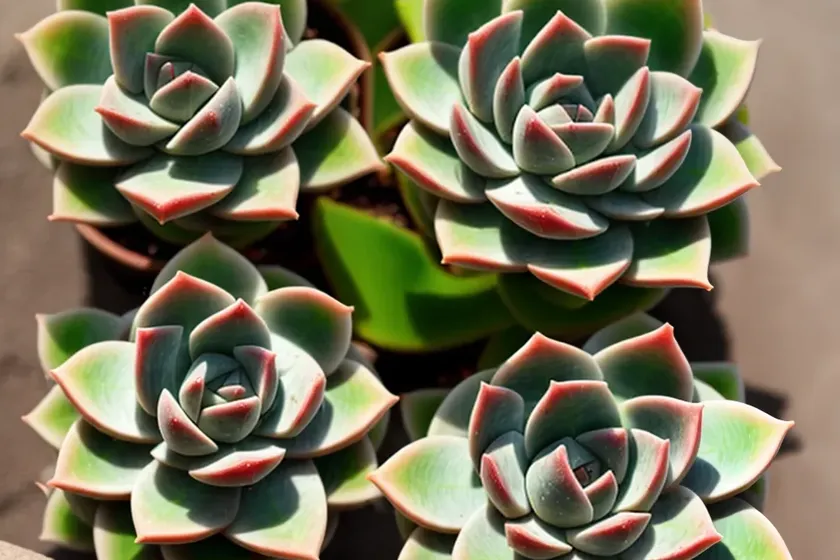
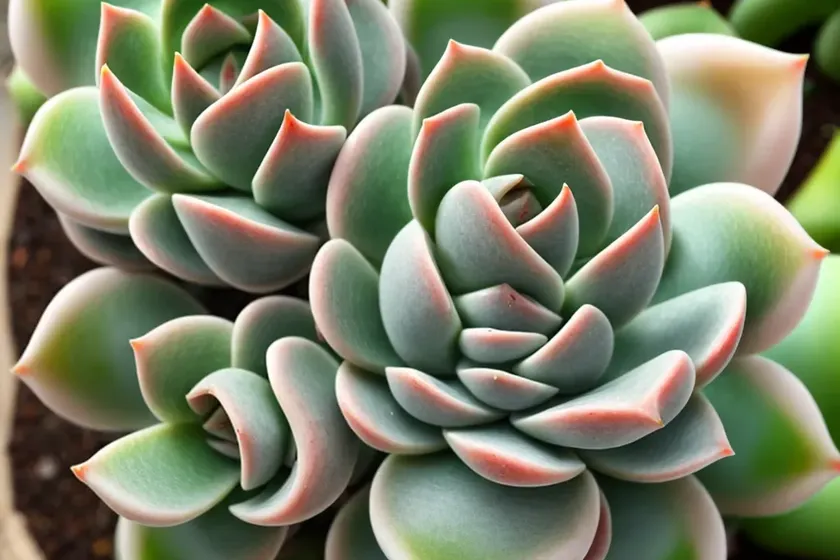
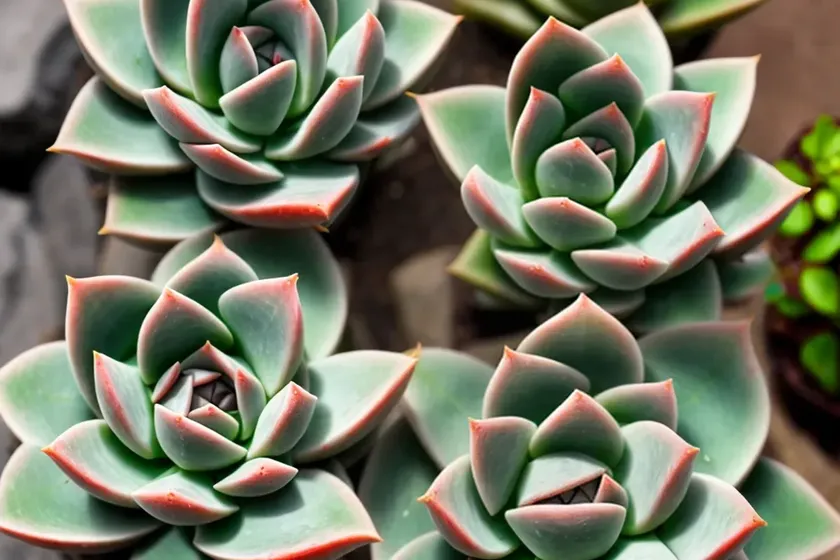
Echeveria Haagai ‘tolimanensis’, also known as simply Echeveria Haagai, is a stunning succulent plant valued for its rosette of thick, powdery leaves and eye-catching flowers. This care guide will provide all the necessary information for cultivating and maintaining the Echeveria Haagai ‘tolimanensis’ in both indoor and outdoor settings. From its origins and habitat to its watering requirements and pest control, this comprehensive guide aims to help plant enthusiasts successfully grow and care for this beautiful succulent.
What is Echeveria Haagai ‘tolimanensis’?
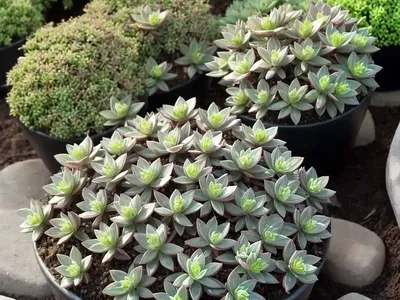
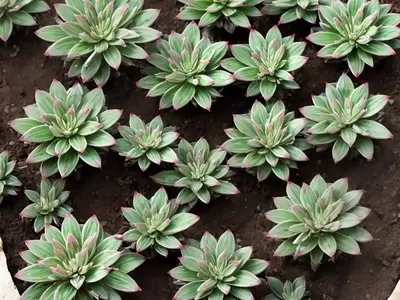
Echeveria Haagai ‘tolimanensis’ is a species of succulent plant belonging to the Crassulaceae family. It is native to Mexico and is characterized by its compact rosettes of powdery, blue-green leaves and lovely, bell-shaped flowers that bloom in shades of pink and orange. This species is a popular choice for rock gardens, containers, and desert-themed landscapes, adding a touch of elegance and color to any setting.
Key Takeaways – Echeveria Haagai ‘tolimanensis’
Before diving into the specific care requirements, it’s essential to highlight the key takeaways for Echeveria Haagai ‘tolimanensis’:
- Echeveria Haagai ‘tolimanensis’ is a succulent plant known for its compact rosettes and colorful flowers.
- It is native to Mexico and thrives in arid or semiarid environments.
- Proper watering, sunlight exposure, and well-draining soil are crucial for its successful cultivation.
- Echeveria Haagai ‘tolimanensis’ is suitable for both indoor and outdoor settings, making it a versatile choice for plant enthusiasts.
Now, let’s explore the detailed care guidelines for Echeveria Haagai ‘tolimanensis’ to ensure its optimal growth and health.
Culture
Cultivating Echeveria Haagai ‘tolimanensis’ requires an understanding of its natural habitat and growth habits. By replicating its preferred conditions, such as well-draining soil and ample sunlight, enthusiasts can promote healthy and vibrant growth in this succulent species.
Habitat and Origins
Echeveria Haagai ‘tolimanensis’ originates from the mountainous regions of Mexico, where it thrives in the arid and semiarid conditions typical of its natural habitat. This species is adapted to receive high levels of sunlight and low to moderate rainfall, making it well-suited for dry and warm environments.
Growth Habits
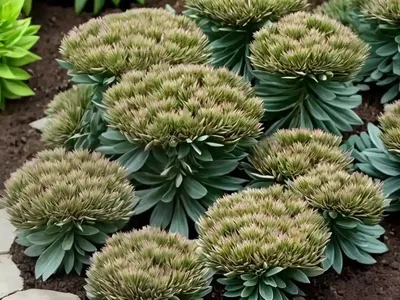
As a rosette-forming succulent, Echeveria Haagai ‘tolimanensis’ grows in compact clusters of leaves, creating visually pleasing arrangements. Its growth habits involve the gradual expansion of the rosettes and occasional flowering, adding to the overall aesthetic appeal of the plant.
Uses
Echeveria Haagai ‘tolimanensis’ serves various purposes in both ornamental and landscaping settings due to its striking appearance and adaptability. Understanding its potential uses can inspire creative applications in garden designs and interior décor.
Ornamental Value
The visual appeal of Echeveria Haagai ‘tolimanensis’ makes it a sought-after ornamental plant, ideal for adding charm to succulent gardens, rockeries, and container arrangements. Its compact growth habit and colorful foliage contribute to its decorative significance.
Landscaping Applications
In landscaping, Echeveria Haagai ‘tolimanensis’ can be incorporated into xeriscapes and drought-tolerant gardens, enhancing the overall texture and color scheme. Its adaptability to various climates and soil conditions makes it a versatile choice for outdoor landscaping projects.
Water
Proper watering is crucial for the health and vitality of Echeveria Haagai ‘tolimanensis’. Since it is a succulent species adapted to arid environments, understanding its watering requirements is essential to prevent issues such as root rot and dehydration.
Watering Requirements
Echeveria Haagai ‘tolimanensis’ thrives in well-draining soil and prefers a watering schedule that allows the soil to dry out between waterings. During the growing season, typically in spring and summer, it is recommended to water the plant when the top inch of the soil becomes dry.
Watering Techniques
To avoid waterlogged soil and potential damage to the roots, it is advisable to water Echeveria Haagai ‘tolimanensis’ at the base of the plant, allowing the water to reach the roots directly. Additionally, using a spray bottle or gentle watering can help prevent excessive moisture on the leaves, reducing the risk of fungal diseases.
Sunlight
Sunlight is a fundamental aspect of Echeveria Haagai ‘tolimanensis’ care, as it directly impacts the plant’s growth, coloration, and flowering. Understanding its sunlight preferences enables enthusiasts to provide the ideal conditions for robust and vibrant foliage.
Sunlight Preferences
Echeveria Haagai ‘tolimanensis’ thrives in bright, indirect sunlight and can tolerate periods of direct sunlight, especially in the mornings and late afternoons. Providing adequate light is essential for promoting compact growth and maintaining the characteristic blue-green hue of the leaves.
Indoor Light Conditions
When grown indoors, Echeveria Haagai ‘tolimanensis’ benefits from placement near south- or west-facing windows to ensure it receives sufficient natural light. Alternatively, supplemental grow lights can be used to supplement indoor lighting, especially during the winter months with limited daylight hours.
Fertilizer
Although Echeveria Haagai ‘tolimanensis’ is relatively low-maintenance, occasional fertilization can enhance its growth and overall appearance. Choosing the right fertilizer and applying it at the appropriate times are essential aspects of succulent care.
Fertilizer Recommendations
For optimal results, use a balanced, water-soluble fertilizer formulated specifically for succulent plants. During the active growing season, which typically spans from spring to summer, dilute the fertilizer to half or quarter strength and apply it to the soil once a month to provide essential nutrients to the plant.
Avoiding Fertilizer Buildup
To prevent fertilizer buildup and potential root damage, it is crucial to water the plant thoroughly after applying the fertilizer, allowing excess nutrients to leach out of the soil. Additionally, refrain from fertilizing Echeveria Haagai ‘tolimanensis’ during its dormancy period in fall and winter.
Soil
The choice of soil directly affects the overall health and well-being of Echeveria Haagai ‘tolimanensis’, as it influences drainage, aeration, and nutrient availability. Using a well-suited soil mix that replicates its natural habitat is essential for successful cultivation.
Soil Requirements
Echeveria Haagai ‘tolimanensis’ thrives in well-draining soil with a slightly acidic to neutral pH. A recommended soil mix consists of a combination of sandy loam, perlite, and coarse sand to promote optimal drainage and prevent waterlogged conditions, which can be detrimental to the plant’s roots.
Container Growing
When growing Echeveria Haagai ‘tolimanensis’ in containers, ensure that the pots have drainage holes to allow excess water to escape, reducing the risk of root rot. Selecting a well-draining potting mix specifically designed for succulents and cacti further enhances the plant’s growth and vitality.
Pruning
Pruning Echeveria Haagai ‘tolimanensis’ is primarily focused on removing dead or decaying leaves and spent flower stalks, promoting a tidy and healthy appearance. By practicing proper pruning techniques, enthusiasts can maintain the plant’s compact shape and prevent disease or pest issues.
Dead Leaf Removal
Regularly check the rosette for dead or drying leaves, as these can create an entry point for pathogens and detract from the plant’s aesthetic appeal. Gently remove any dead leaves by carefully twisting them off at the base, taking care not to damage the surrounding healthy foliage.
Spent Flower Removal
After the blooming period, it is advisable to trim the spent flower stalks to redirect the plant’s energy towards foliage growth. Using clean and sharp scissors or pruning shears, snip the flower stalks near the base without causing any damage to the surrounding leaves.
Propagation
The propagation of Echeveria Haagai ‘tolimanensis’ offers an exciting opportunity to expand its presence in a garden or share its beauty with fellow enthusiasts. By utilizing various propagation methods, such as leaf cuttings and offsets, individuals can create new plants from established ones.
Leaf Propagation
Leaf propagation is a popular technique for Echeveria Haagai ‘tolimanensis’, involving carefully removing healthy leaves from the mother plant and allowing them to callus before placing them on well-draining soil. With time and proper care, new rosettes will develop from the leaf cuttings, producing independent plants.
Offset Propagation
Offsets, also known as chicks or pups, are miniature rosettes that emerge from the base of the mother plant. These offsets can be carefully detached and propagated independently, with the potential to mature into full-grown Echeveria Haagai ‘tolimanensis’ plants. Provide appropriate growing conditions to encourage their establishment and growth.
Water Propagation
Water propagation can also be employed for propagating Echeveria Haagai ‘tolimanensis’. Simply place leaf cuttings or offsets in a shallow dish of water, ensuring that only the base of the cutting is submerged. After roots develop, transfer the propagated plants to well-draining soil for continued growth.
Container Popularity
The compact and visually appealing nature of Echeveria Haagai ‘tolimanensis’ makes it a popular choice for container gardening, enabling individuals to showcase its beauty in various indoor and outdoor settings. When selecting containers for this succulent, consider factors such as size, material, and drainage.
Container Selection
Choose containers that provide ample room for the succulent to grow and expand its rosettes. Additionally, opt for pots with drainage holes to prevent water accumulation, promoting healthy root development and preventing water-related issues.
Container Material
Materials such as terracotta, ceramic, or plastic can be suitable for Echeveria Haagai ‘tolimanensis’. Terracotta pots allow for better air circulation and moisture evaporation, while plastic containers retain moisture to a greater extent. Select a material that aligns with the plant’s specific needs and environmental conditions.
Common Diseases
Though Echeveria Haagai ‘tolimanensis’ is relatively resilient, it can be susceptible to certain diseases and issues under unfavorable growing conditions. Recognizing and addressing common diseases promptly is essential for safeguarding the plant’s health and vitality.
Disease Diagnosis
Some common diseases that can affect Echeveria Haagai ‘tolimanensis’ include:
- Rot Diseases: Prolonged exposure to excess moisture can lead to root rot and stem rot, marked by wilting, browning, and softening of the affected areas.
- Fungal Infections: Powdery mildew and other fungal infections may develop in humid or poorly ventilated conditions, presenting as white or gray powdery patches on the leaves.
- Bacterial Issues: Bacterial soft rot can manifest as water-soaked lesions on the leaves, followed by a foul odor and a mushy texture.
Disease Prevention
To prevent diseases, ensure proper watering practices, well-draining soil, and adequate ventilation to minimize excess moisture and humidity. Furthermore, promptly remove and dispose of any diseased or decaying plant material to prevent the spread of pathogens.
Common Pests
In addition to diseases, Echeveria Haagai ‘tolimanensis’ may encounter pest infestations, potentially leading to damage and stress for the plant. Monitoring and proactive pest control measures can effectively manage common pests that target succulent plants.
Pest Control
Some common pests that may affect Echeveria Haagai ‘tolimanensis include:
- Aphids: Small, soft-bodied insects that cluster on the undersides of leaves, draining the plant’s sap and causing distortion or yellowing of the foliage.
- Mealybugs: White, cottony pests that infest the leaf axils and undersides, leading to weakened growth and honeydew secretion.
- Spider Mites: Minute pests that spin fine webs and feed on the plant’s juices, resulting in stippled or discolored leaves and diminished plant vigor.
Integrated Pest Management
Implementing integrated pest management strategies, such as introducing beneficial insects, using insecticidal soaps, or physically removing pests, can help control infestations without relying solely on chemical pesticides. Regularly inspect the plant for early signs of pest activity to address issues promptly.
Botanist’s Tips
For optimal growth and care of Echeveria Haagai ‘tolimanensis’, consider the following botanist’s tips:
- Provide ample sunlight: Ensure the succulent receives at least six hours of indirect sunlight daily for robust growth and vibrant leaf coloration.
- Minimize humidity: Avoid high humidity levels and excessive moisture around the plant to prevent fungal and bacterial issues.
- Use well-draining soil: Select a fast-draining soil mix to create an environment conducive to the plant’s root health and vitality.
- Monitor watering: Aim for a balanced approach to watering, allowing the soil to dry out between waterings to prevent root rot.
Fun Facts
- Echeveria Haagai ‘tolimanensis’ is named after the renowned Mexican botanical artist Atanasio Echeverría y Godoy.
- The distinctive powdery coating on the leaves, known as farina, acts as a protective layer against excessive sunlight and water loss.
Links to External Resources
For further information and resources on Echeveria Haagai ‘tolimanensis’ care, propagation, and cultivation, consider exploring the following external sources:
- Succulent Plant Care Guide
- Crassulaceae Family Profile
- Container Gardening Tips for Succulents
- Identifying and Treating Common Succulent Diseases
- Managing Succulent Pests Without Chemicals
Conclusion
Echeveria Haagai ‘tolimanensis’ captivates with its charming rosettes, vibrant foliage, and enduring resilience, making it a delightful addition to succulent collections and garden landscapes. By attending to its specific care requirements related to water, sunlight, soil, and pest control, enthusiasts can cultivate thriving and visually stunning specimens of this Mexican native succulent.
Remember to enjoy the process of caring for Echeveria Haagai ‘tolimanensis’ and take pleasure in the natural beauty it brings to its surroundings. Whether displayed in a decorative container, incorporated into a xeriscape design, or featured in a succulent arrangement, this species continues to inspire and delight with its elegance and allure.
By writing this Echeveria Haagai ‘tolimanensis’ care guide, I aimed to provide a comprehensive resource for plant enthusiasts looking to cultivate and maintain this remarkable succulent. I covered key aspects such as watering, sunlight, fertilizer, soil, and propagation, offering practical tips and insights throughout. If there are any additional topics or questions you’d like to explore further, feel free to reach out!
Keywords: Echeveria Haagai ‘tolimanensis’ care guide, Echeveria Haagai ‘tolimanensis’ cultivation tips, Echeveria Haagai ‘tolimanensis’ plant profile, Echeveria Haagai ‘tolimanensis’ propagation methods, Echeveria Haagai ‘tolimanensis’ watering requirements, Echeveria Haagai ‘tolimanensis’ sunlight preferences, Echeveria Haagai ‘tolimanensis’ soil requirements, Echeveria Haagai ‘tolimanensis’ indoor growing tips, Echeveria Haagai ‘tolimanensis’ outdoor cultivation, Echeveria Haagai ‘tolimanensis’ potting suggestions, Echeveria Haagai ‘tolimanensis’ seasonality, Echeveria Haagai ‘tolimanensis’ common issues, Echeveria Haagai ‘tolimanensis’ pest control, Echeveria Haagai ‘tolimanensis’ disease prevention, Echeveria Haagai ‘tolimanensis’ companion plants, Echeveria Haagai ‘tolimanensis’ landscaping ideas, Echeveria Haagai ‘tolimanensis’ container gardening, Echeveria Haagai ‘tolimanensis’ botanical classification, Echeveria Haagai ‘tolimanensis’ origins and habitat, Echeveria Haagai ‘tolimanensis’ growth habits, Echeveria Haagai ‘tolimanensis’ leaf characteristics, Echeveria Haagai ‘tolimanensis’ flower description, Echeveria Haagai ‘tolimanensis’ unique features, Echeveria Haagai ‘tolimanensis’ landscaping trends, Echeveria Haagai ‘tolimanensis’ planting guide, Echeveria Haagai ‘tolimanensis’ natural habitat, Echeveria Haagai ‘tolimanensis’ hardiness zones, Echeveria Haagai ‘tolimanensis’ drought tolerance, Echeveria Haagai ‘tolimanensis’ soil acidity preferences, Echeveria Haagai ‘tolimanensis’ fertilizer recommendations, Echeveria Haagai ‘tolimanensis’ foliage colors, Echeveria Haagai ‘tolimanensis’ leaf patterns, Echeveria Haagai ‘tolimanensis’ indoor decor ideas, Echeveria Haagai ‘tolimanensis’ outdoor landscaping ideas, Echeveria Haagai ‘tolimanensis’ companion succulents, Echeveria Haagai ‘tolimanensis’ repotting guide, Echeveria Haagai ‘tolimanensis’ arrangement ideas, Echeveria Haagai ‘tolimanensis’ in rock gardens, Echeveria Haagai ‘tolimanensis’ in succulent arrangements, Echeveria Haagai ‘tolimanensis’ in terrariums, Echeveria Haagai ‘tolimanensis’ in hanging baskets, Echeveria Haagai ‘tolimanensis’ in mixed succulent gardens, Echeveria Haagai ‘tolimanensis’ winter care tips, Echeveria Haagai ‘tolimanensis’ summer care tips, Echeveria Haagai ‘tolimanensis’ spring maintenance, Echeveria Haagai ‘tolimanensis’ autumn care guide, Echeveria Haagai ‘tolimanensis’ water propagation, Echeveria Haagai ‘tolimanensis’ leaf propagation, Echeveria Haagai ‘tolimanensis’ offsets propagation
Disclaimer: The content provided in this Echeveria Haagai ‘tolimanensis’ care guide is for informational purposes only. It does not replace professional advice. Always consult with a horticulture expert or botanist for specific plant care recommendations and guidance.