Echeveria Cubic Frost (Echeveria ‘Cubic Frost’)
Echeveria Cubic Frost, also known as Echeveria ‘Cubic Frost,’ is a stunning succulent that belongs to the Crassulaceae family. Originating from the rocky.
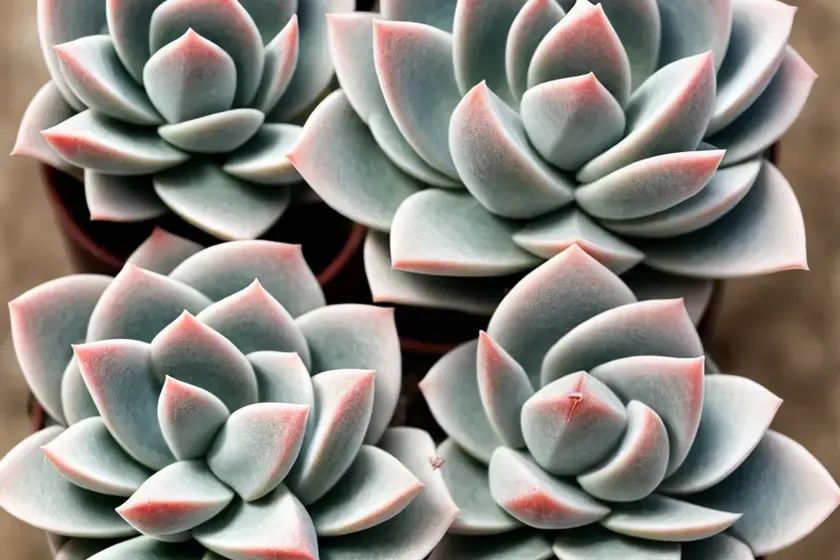
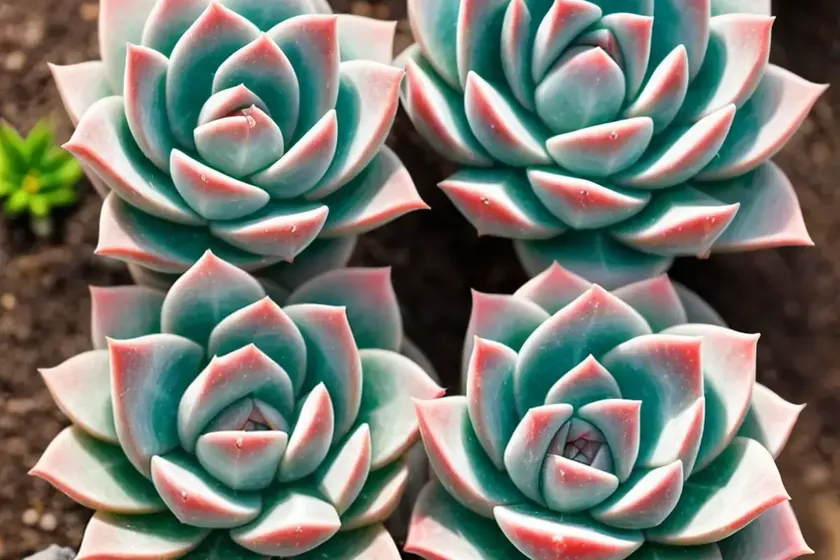
Echeveria Cubic Frost, also known as Echeveria ‘Cubic Frost,’ is a stunning succulent that belongs to the Crassulaceae family. Originating from the rocky hillsides of Mexico, Echeveria species are widely appreciated for their attractive rosette-shaped foliage and resilience in various environmental conditions. Echeveria ‘Cubic Frost’ is no exception, showcasing distinct characteristics that make it a beloved addition to gardens, containers, and indoor spaces.
In this comprehensive guide, we will delve into the various aspects of the Echeveria Cubic Frost, including its culture, uses, care requirements, propagation, and common diseases and pests. Whether you’re a seasoned succulent enthusiast or a beginner looking to enhance your plant collection, this article will equip you with the essential knowledge to nurture and appreciate the beauty of Echeveria ‘Cubic Frost.’
Table of Contents
- What is Echeveria Cubic Frost?
- Culture and Uses
- Care Requirements
- Water
- Sunlight
- Fertilizer
- Soil
- Pruning
- Propagation
- Container
- Popularity and Common Diseases
- Disease Diagnosis
- Common Pests
- Botanist’s Tips
- Fun Facts
- Links to External Resources
Let’s embark on an exploration of the captivating Echeveria Cubic Frost and unlock the secrets to successfully nurturing this enchanting succulent.
What is Echeveria Cubic Frost?
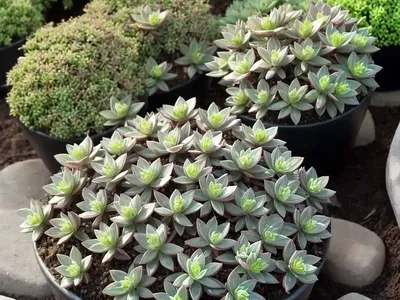
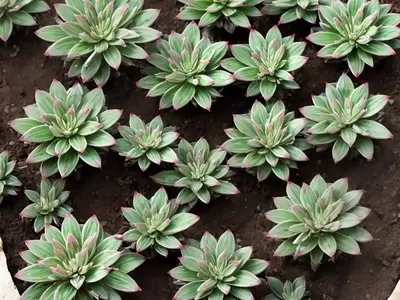
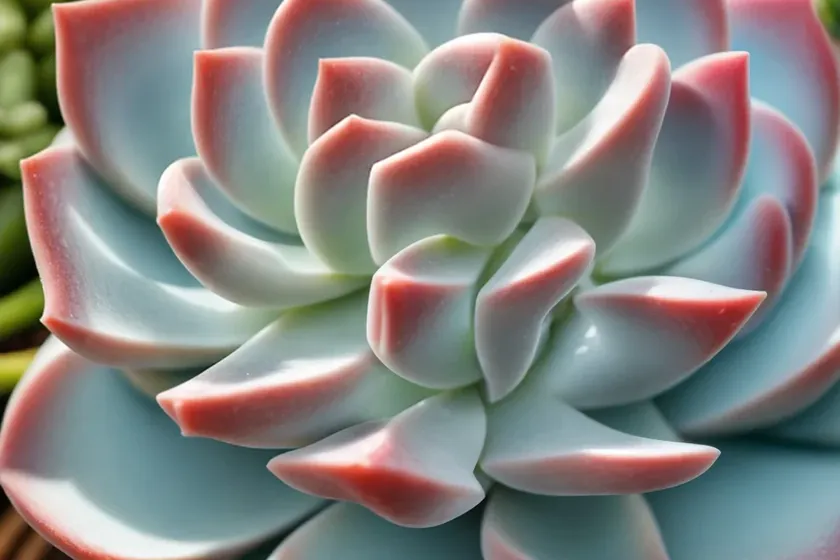
Echeveria Cubic Frost is a visually striking succulent characterized by its compact rosette of fleshy, triangular leaves. Its leaves display a remarkable icy bluish-green hue, adorned with delicate white edges that give the plant a frosted appearance, from which its name, ‘Cubic Frost,’ is derived.
The rosettes of Echeveria ‘Cubic Frost’ are known to reach diameters of up to 6 to 12 inches (15 to 30 cm), making it an eye-catching centerpiece in any arrangement. When the plant matures, it produces tall, arching stems adorned with vibrant coral-colored bell-shaped flowers, further enhancing its ornamental value.
Key Takeaways – Echeveria Cubic Frost (Echeveria ‘Cubic Frost’)
- Striking icy bluish-green leaves with delicate white edges
- Compact rosette form, reaching diameters of 6 to 12 inches (15 to 30 cm)
- Tall, arching stems bear coral-colored bell-shaped flowers
- Native to Mexico, where it thrives on rocky hillsides
Now that we’ve familiarized ourselves with the aesthetic allure of Echeveria Cubic Frost, let’s delve into its culture, uses, and specific care requirements to ensure its optimal growth and vibrancy.
Culture and Uses
Echeveria ‘Cubic Frost’ is valued for both its ornamental appeal and its versatility in various landscaping and decorative applications. Here are some of the common uses and cultural insights surrounding this captivating succulent:
Uses:
- Garden Ornament: Echeveria Cubic Frost is often utilized to create visually stunning succulent gardens and xeriscapes due to its striking appearance and minimal water requirements.
- Container Plant: Its compact, rosette-shaped growth habit makes it an ideal choice for container arrangements, adding a touch of elegance to patios, balconies, and indoor spaces.
- Rock Gardens: Given its native habitat on rocky hillsides, Echeveria ‘Cubic Frost’ thrives in rock gardens, contributing to drought-tolerant and low-maintenance landscapes.
- Green Roofs: Its shallow root system and drought tolerance make Echeveria ‘Cubic Frost’ suitable for green roof installations, where it adds visual interest and helps with water retention.
Culture:
- Hardiness: Echeveria ‘Cubic Frost’ is a cold-hardy succulent, capable of withstanding temperatures down to 20°F (-6°C) when provided with proper drainage and protection from excess moisture.
- Low Water Needs: Like many succulents, Echeveria Cubic Frost prefers infrequent watering, making it an excellent choice for drought-prone regions and water-wise gardening.
- Container Gardening: Its adaptability to container growth makes it an appealing choice for urban and small-space gardening, adding a touch of nature to confined areas.
Echeveria ‘Cubic Frost’ embodies the harmonious fusion of visual appeal and adaptability, making it a prized addition to diverse horticultural settings. Now, let’s unravel the specific care requirements for nurturing this captivating succulent, from sunlight and watering to soil and propagation.
Care Requirements
Successfully cultivating Echeveria Cubic Frost entails mastering its essential care requirements. Here’s an in-depth exploration of the vital elements to consider when nurturing this mesmerizing succulent.
Water
The water needs of Echeveria ‘Cubic Frost’ are integral to its overall health and vigor. Implementing proper watering practices is essential for preventing problems related to root rot and ensuring the plant’s vitality.
Echeveria Cubic Frost Watering Guide:
- Frequency: Allow the soil to dry out completely between waterings. This typically translates to a watering schedule of once every 10 to 14 days, but may vary based on environmental conditions.
- Watering Technique: When watering, apply water directly to the soil around the base of the plant, avoiding wetting the foliage to minimize the risk of fungal diseases and sunburn.
By adopting a mindful approach to watering, you can provide Echeveria ‘Cubic Frost’ with the moisture it requires without exposing it to the perils of overwatering.
Sunlight
Echeveria ‘Cubic Frost’ thrives in bright, indirect light, making it an excellent candidate for both indoor and outdoor cultivation.
Echeveria Cubic Frost Sunlight Requirements:
- Indoor Placement: Position the plant near a south or west-facing window to ensure it receives adequate sunlight. Alternatively, outdoor shade cloth can be used to filter intense sunlight during peak hours.
- Outdoor Growth: When grown outdoors, provide Echeveria Cubic Frost with partial to full sunlight, varying based on regional climate conditions. In hot climates, partial shade during the hottest part of the day can prevent leaf scorch.
Balancing the sunlight exposure for Echeveria ‘Cubic Frost’ is crucial for promoting healthy growth and vibrant foliage coloring.
Fertilizer
While Echeveria ‘Cubic Frost’ typically requires minimal fertilization, providing it with essential nutrients can enhance its overall vitality and aesthetic appeal.
Echeveria Cubic Frost Fertilizing Recommendations:
- Fertilization Schedule: Apply a balanced, diluted liquid fertilizer specifically formulated for succulents once every 2 to 3 months during the growing season (spring through early autumn).
- Moderation: Avoid over-fertilizing, as excessive nutrients can lead to an imbalance and potentially harm the plant. Stick to the recommended dosage and frequency to achieve optimal results.
By incorporating a tailored fertilization regimen into your care routine, you can bolster the resilience and allure of Echeveria ‘Cubic Frost.’
Soil
The choice of soil for Echeveria ‘Cubic Frost’ plays a pivotal role in providing the necessary drainage and aeration for its root system.
Echeveria Cubic Frost Soil Preferences:
- Well-Draining Mix: Utilize a well-draining succulent or cactus potting mix, or create a custom blend by combining standard potting soil with coarse sand or perlite to enhance drainage.
- Porosity: The soil should have a porous texture to ensure excess water can readily escape, preventing the risk of root rot and waterlogged conditions.
- Consider pH: Aim for a slightly acidic to neutral pH range (6.0 to 7.0) to facilitate nutrient absorption and root health.
By addressing the soil requirements of Echeveria ‘Cubic Frost,’ you can establish an environment conducive to its growth and longevity.
Pruning
Pruning Echeveria ‘Cubic Frost’ is primarily focused on the removal of spent blooms, damaged leaves, or leggy growth to maintain its aesthetic appeal and overall vigor.
Echeveria Cubic Frost Pruning Guidelines:
- Sanitization: Prior to pruning, ensure your cutting tools are sanitized to prevent the introduction of pathogens to the plant.
- Gentle Trimming: Remove any dead or decaying leaves and spent flower stalks by gently snipping them close to the base using clean, sharp scissors or pruning shears.
- Leggy Growth: If the plant exhibits elongated or etiolated growth, consider beheading to encourage new, compact rosette formation.
Regular pruning practices contribute to the tidiness and vitality of Echeveria ‘Cubic Frost,’ promoting its overall beauty and well-being.
Propagation
Expanding your collection of Echeveria ‘Cubic Frost’ or gifting new plants to fellow enthusiasts is facilitated through mastering the art of propagation.
Echeveria Cubic Frost Propagation Methods:
- Leaf Cuttings: Select healthy, mature leaves and allow them to callus for a few days before placing them on well-draining soil. Over time, new rosettes will emerge from the leaf bases, initiating the establishment of new plants.
- Offsets: Offsets, also known as “chicks” or “pups,” can be gently separated from the mother plant and transplanted into their individual containers, supporting independent growth.
By leveraging these propagation techniques, you can multiply the allure of Echeveria ‘Cubic Frost’ and share its captivating presence with others.
Container
As a versatile succulent, Echeveria ‘Cubic Frost’ thrives in various container sizes and compositions, adding visual charm to indoor and outdoor settings.
Echeveria Cubic Frost Container Gardening Tips:
- Drainage: Select containers equipped with drainage holes to promote excess water escape and prevent soggy root conditions. Alternatively, create drainage layers at the bottom of non-draining pots to enhance aeration.
- Size Consideration: Choose a container that accommodates the current size of the plant, with sufficient room for future growth without being excessively oversized.
- Aesthetics: Container selection offers an opportunity for artistic expression, allowing you to complement the plant’s colors and form with appropriate pot designs and materials.
Echeveria ‘Cubic Frost’ is a delightful addition to container gardens, enhancing the ambiance of interior decor and outdoor landscapes alike.
Popularity and Common Diseases
Echeveria ‘Cubic Frost’ has garnered widespread popularity among succulent aficionados and horticultural enthusiasts, owing to its captivating appearance and straightforward care requirements. However, like any plant, it is susceptible to certain diseases and pests that necessitate vigilance and prompt intervention.
Disease Diagnosis
Keeping a watchful eye on the foliage and overall vigor of Echeveria ‘Cubic Frost’ is crucial for promptly identifying and addressing any potential disease concerns.
Common Echeveria Cubic Frost Diseases:
- Powdery Mildew: On the leaves, powdery mildew presents as a white, powdery substance, potentially caused by excessive humidity or poor air circulation. Fungal treatments can help mitigate its impact.
- Root Rot: Manifesting as blackened, mushy roots, root rot is often a consequence of overwatering or poorly-draining soil. Adjustments to watering frequency and soil composition can aid in preventing and treating this issue.
- Sooty Mold: A black, powdery mold that often appears on the foliage due to the presence of honeydew-secreting insects such as aphids or scales. Addressing the underlying pest problem is crucial for eliminating sooty mold.
Early detection and proactive measures are essential for managing these common diseases and preserving the vibrancy of Echeveria ‘Cubic Frost.’
Common Pests
Pests are another factor that can impact the health and appearance of Echeveria ‘Cubic Frost,’ requiring preventative measures and targeted treatments when encountered.
Echeveria Cubic Frost Pest Control:
- Aphids: These small, soft-bodied insects feed on plant sap, leading to distorted growth and the potential for sooty mold. Insecticidal soap or neem oil applications can help control aphid populations.
- Mealybugs: Mealybugs are characterized by their white, cottony appearance and can cause stunted growth and leaf yellowing. Manual removal and insecticidal treatments are effective approaches for combatting mealybug infestations.
By implementing integrated pest management strategies and maintaining a vigilant stance, you can safeguard Echeveria ‘Cubic Frost’ from the detrimental impact of common pests.
Now that we’ve explored the care essentials and potential challenges associated with Echeveria ‘Cubic Frost,’ let’s unveil some invaluable tips from a botanist’s perspective to illuminate the path to successful cultivation.
Botanist’s Tips
As a plant scientist with a profound appreciation for succulents, I’ve gathered firsthand insights and practical wisdom aimed at optimizing the care and cultivation of Echeveria ‘Cubic Frost.’ Here are some invaluable tips to assist you in nurturing this remarkable succulent:
Botanist’s Echeveria Cubic Frost Care Tips:
- Observation is Key: Regularly observe the foliage, stems, and overall appearance of Echeveria ‘Cubic Frost’ to detect any signs of stress, disease, or pest infestation at an early stage.
- Mind the Watering: Prioritize establishing a consistent watering routine aligned with the plant’s specific needs, factoring in environmental conditions and seasonal fluctuations.
- Seasonal Considerations: Adapt your care practices in response to seasonal changes, such as decreased watering during winter and providing shade in hot summer months.
- Patience with Propagation: When propagating Echeveria ‘Cubic Frost,’ exercise patience and allow the newly established plants time to acclimate to their growing environment.
By integrating these botanist-endorsed tips into your plant care approach, you can cultivate a flourishing and visually resplendent Echeveria ‘Cubic Frost’ collection.
Fun Facts
Uncover some intriguing and delightful facts about Echeveria ‘Cubic Frost’ that showcase its remarkable attributes and endearing nature:
Echeveria Cubic Frost Fun Facts:
- Desert Adaptation: Echeveria ‘Cubic Frost’ boasts inherent drought tolerance, a testament to its adaption to arid environments and ability to thrive with minimal water availability.
- Fascinating Leaf Structure: The leaves of Echeveria ‘Cubic Frost’ possess a distinctive geometric arrangement, contributing to its architectural beauty and photogenic allure.
- Pollinator Magnet: When in bloom, the coral-colored flowers of Echeveria ‘Cubic Frost’ serve as a magnet for various pollinators, contributing to the ecological harmony of its surroundings.
These fascinating tidbits offer a glimpse into the captivating world of Echeveria ‘Cubic Frost’ and further underscore its allure as an ornamental and resilient succulent.
Links to External Resources
Expand your knowledge and appreciation of Echeveria ‘Cubic Frost’ by exploring additional resources and expert guidance from prominent horticultural entities and botanical authorities:
- The Echeveria Society of America: An esteemed organization dedicated to advancing the understanding and cultivation of Echeveria species, offering valuable insights and resources.
- University Extension Services: Explore university extension websites for region-specific guidance on succulent care, including Echeveria ‘Cubic Frost.’
- Botanical Gardens and Arboreta: Connect with local botanical gardens and arboreta to attend workshops, lectures, and events focusing on succulent cultivation and ecology.
By tapping into these external resources, you can enrich your Echeveria ‘Cubic Frost’ journey and broaden your horticultural horizons.
In conclusion, the enchanting Echeveria Cubic Frost (Echeveria ‘Cubic Frost’) encapsulates the harmonious blend of aesthetic allure, resilience, and adaptability, making it a cherished addition to gardens, containers, and interior spaces. Through a conscientious embrace of its culture, care requirements, and botanist-endorsed tips, you can foster the thriving splendor of Echeveria ‘Cubic Frost’ and partake in the timeless allure of succulent appreciation.
Remember, the journey of Echeveria ‘Cubic Frost’ cultivation is not just about tending to a plant, but about nurturing a living work of art that enriches and inspires our everyday lives.
Now, let the enchantment of Echeveria ‘Cubic Frost’ grace your botanical endeavors, infusing them with the timeless allure of succulent beauty and resilience.