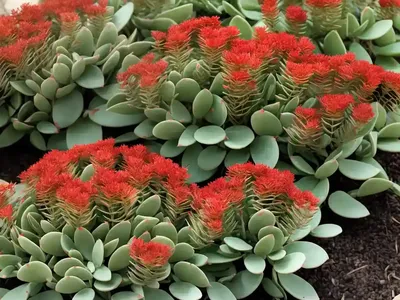
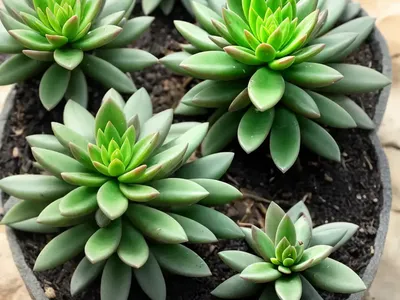
Echeveria ‘Blue Heron’ (Echeveria ‘Blue Heron’)
Echeveria ‘Blue Heron’ is a stunning succulent plant known for its striking blue-gray foliage and rosette shape. This visually appealing plant, with its.
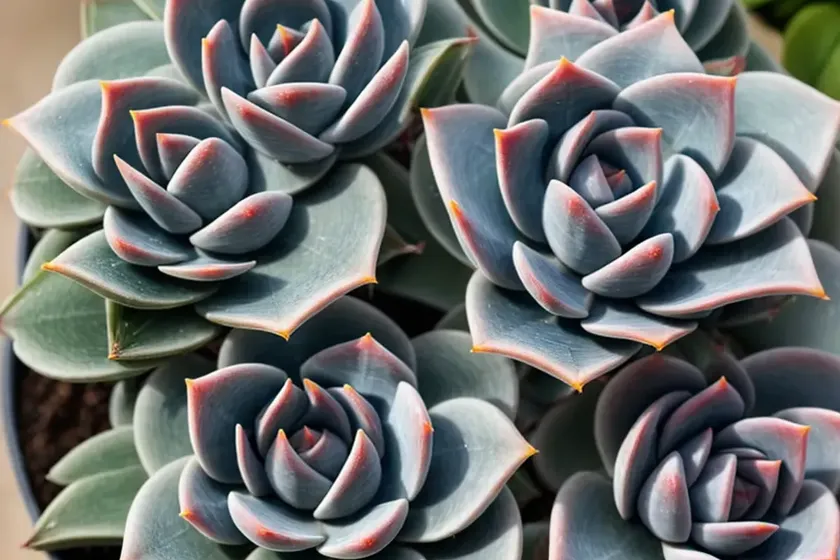
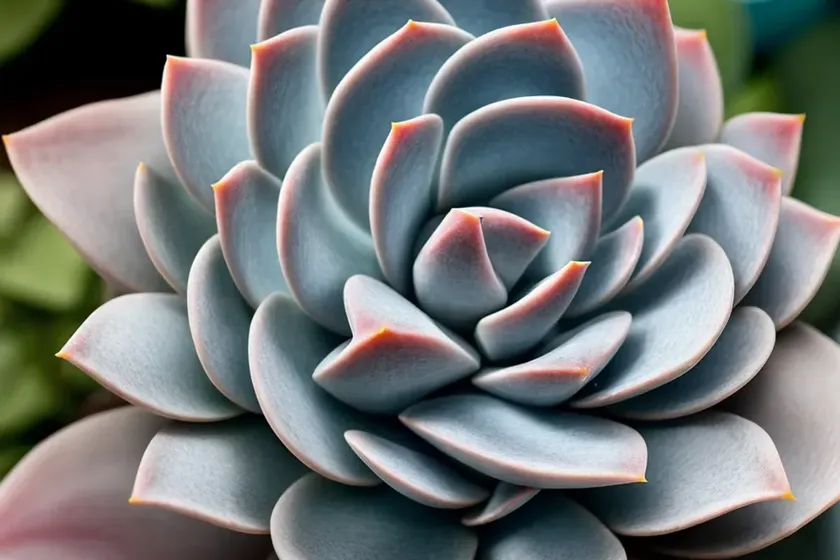
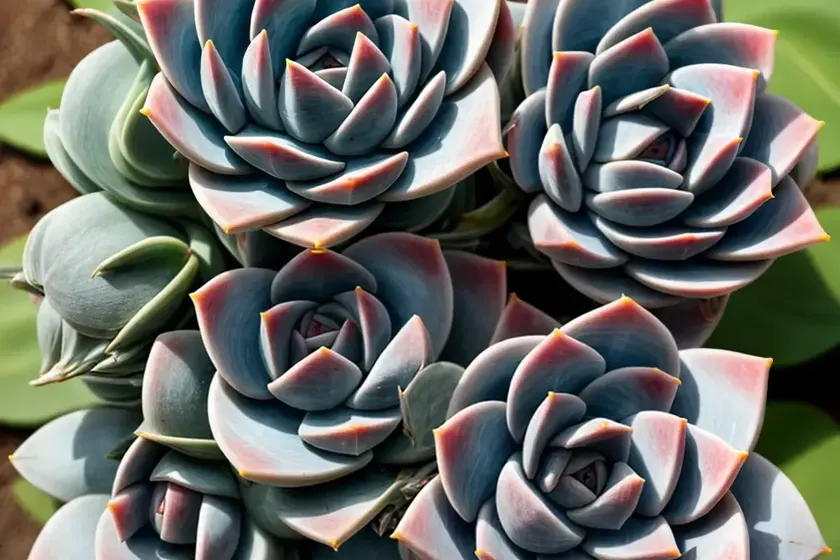
Echeveria ‘Blue Heron’ is a stunning succulent plant known for its striking blue-gray foliage and rosette shape. This visually appealing plant, with its unique characteristics and interesting growth habits, has captured the hearts of many plant enthusiasts and gardeners. In this comprehensive guide, we will delve into the nuances of caring for Echeveria ‘Blue Heron’, along with its culture, uses, and much more. Whether you are a novice gardener or a seasoned plant aficionado, this article will provide valuable insights and tips for cultivating and enjoying this beautiful succulent.
What is Echeveria ‘Blue Heron’?
Echeveria ‘Blue Heron’ is a cultivar of the Echeveria genus, which is part of the Crassulaceae family. Native to semi-desert regions in Central America, Echeverias are known for their rosette-forming growth habit and their ability to store water in their fleshy leaves, making them well-suited to arid environments. The ‘Blue Heron’ variety specifically stands out for its striking blue-gray leaves that form tight, symmetrical rosettes.
Key Takeaways – Echeveria ‘Blue Heron’
Before we delve into the specifics of caring for Echeveria ‘Blue Heron’, let’s summarize some key points about this captivating plant:
- Water: Echeveria ‘Blue Heron’ requires well-draining soil and periodic watering.
- Sunlight: Thrives in bright, indirect sunlight or partial shade.
- Soil: Well-draining and slightly acidic soil mix is ideal for this succulent.
- Propagation: Can be propagated from offsets, leaves, or seeds.
- Container: Well-draining containers are recommended for growing Echeveria ‘Blue Heron’.
- Common Pests: Watch out for mealybugs and aphids, common pests that can affect Echeverias.
- Disease Resistance: Known for its resilience, but watch for signs of root rot in overly wet conditions.
- Foliage: The blue-gray leaves of ‘Blue Heron’ make it a popular choice for succulent collectors.
- Native Habitat: Originates from semi-desert regions in Central America.
Now, let’s explore each of these aspects in detail to gain a comprehensive understanding of how to best care for Echeveria ‘Blue Heron’.
Culture
Cultivating Echeveria ‘Blue Heron’ successfully involves understanding its native habitat and replicating those conditions to the best of our ability. By mimicking its natural environment, we can ensure that the plant not only survives but thrives.
Water
Echeveria ‘Blue Heron’ is a drought-tolerant plant, and like most succulents, it’s important not to overwater it. A well-draining soil mix is crucial to prevent standing water around the roots, which can lead to rot. In general, it’s best to water ‘Blue Heron’ when the soil is completely dry.
Here are some practical watering tips for Echeveria ‘Blue Heron’:
- Frequency: Water the plant when the top 1-2 inches of the soil are completely dry. Depending on the climate and season, this may range from once a week in the summer to once a month in the winter.
- Watering Technique: Water the soil directly at the base of the plant, and avoid getting water on the leaves to prevent rot and fungal issues.
- Avoid Overwatering: Ensure that excess water can freely drain out of the pot to prevent waterlogging, which can be detrimental to the plant’s health.
It’s important to remember that the frequency of watering will depend on various factors such as climate, temperature, and humidity levels. Observing the plant and its soil moisture level is crucial in determining the appropriate watering schedule.
Sunlight
Proper sunlight is crucial for the healthy growth and vibrant coloration of Echeveria ‘Blue Heron’. In their natural habitat, Echeverias typically receive abundant sunlight, and replicating these conditions is essential for their well-being.
Here’s what you need to know about sunlight requirements for Echeveria ‘Blue Heron’:
- Light Intensity: Place ‘Blue Heron’ in a location that receives bright, indirect sunlight. If grown indoors, choose a south or east-facing window to provide ample light.
- Outdoor Cultivation: When grown outdoors, ensure that it receives partial shade during the hottest part of the day, especially in regions with intense sun exposure.
- Leaf Coloration: Ample sunlight helps intensify the blue-gray color of the leaves, making it an important factor in maintaining the plant’s visual appeal.
Inadequate sunlight can lead to stretched, etiolated growth and loss of vibrant color in the leaves. On the other hand, excessive sun exposure, particularly during hot afternoons, can cause sunburn and leaf damage. Balancing the light requirements is key to promoting the overall health and appearance of Echeveria ‘Blue Heron’.
Fertilizer
While Echeverias are not heavy feeders, a balanced approach to fertilizing can promote healthy growth and enhance their resilience. During the active growing season, providing a diluted succulent fertilizer can bolster the plant’s nutrient uptake and support its overall well-being.
Consider the following fertilizer guidelines for Echeveria ‘Blue Heron’:
- Frequency: Fertilize ‘Blue Heron’ sparingly, approximately once a month during the growing season (spring and summer). Avoid fertilizing during the winter months when the plant is in a semi-dormant state.
- Dilution: Use a well-balanced, water-soluble fertilizer diluted to half or quarter strength to prevent over-fertilization, which can be detrimental to succulents.
- Application: Apply the diluted fertilizer solution to the soil around the base of the plant, taking care to avoid direct contact with the leaves to prevent potential burning.
Using a specialized succulent or cacti fertilizer can provide the necessary nutrients without causing an imbalance in the soil. Additionally, incorporating organic matter into the soil mix during potting can contribute to the long-term nutritional needs of Echeveria ‘Blue Heron’.
Soil
The right soil mixture is a critical component of Echeveria ‘Blue Heron’s thriving environment. It should provide adequate drainage and aeration while offering essential support for the plant’s roots. A well-draining, slightly acidic soil mix is ideal for this succulent.
Consider the following factors when preparing the soil for Echeveria ‘Blue Heron’:
- Drainage: Choose a well-draining potting mix that allows excess water to escape freely. Sandy or gritty soil blends designed for succulents and cacti are typically suitable for Echeverias.
- Aeration: Incorporate materials such as perlite or pumice into the soil mix to enhance aeration and prevent compaction.
- pH Level: Aim for a slightly acidic to neutral pH range (6.0-6.5) to create an optimal growing medium for ‘Blue Heron’.
Pre-packaged succulent or cacti potting mixes are readily available and are often formulated to meet the specific requirements of these plants. While these pre-mixed options can be convenient, some gardening enthusiasts prefer to create custom soil blends tailored to the needs of their Echeverias.
Uses
Echeveria ‘Blue Heron’ is a versatile plant that can be enjoyed in various settings, from indoor arrangements to outdoor landscapes. Its unique characteristics and striking appearance make it a popular choice for a range of uses. Let’s explore some common applications of this captivating succulent.
Indoor Gardening
In indoor settings, Echeveria ‘Blue Heron’ can serve as a captivating focal point in succulent arrangements, dish gardens, and terrariums. Its compact growth habit and visually appealing foliage make it a sought-after addition to indoor plant collections.
Consider the following tips for incorporating Echeveria ‘Blue Heron’ into indoor spaces:
- Container Planting: Display ‘Blue Heron’ in well-draining containers to ensure proper moisture management and root health.
- Natural Décor: Complement modern or minimalist interior design styles with the architectural beauty of Echeverias, including ‘Blue Heron’.
- Light Requirements: Position the plant in a bright, sunny location indoors, such as a south-facing window, to maintain its vibrant coloration and overall health.
Whether used as a standalone centerpiece or as part of a diverse succulent arrangement, Echeveria ‘Blue Heron’ brings a touch of natural elegance to indoor living spaces.
Outdoor Planting
In outdoor garden settings, Echeveria ‘Blue Heron’ contributes to various landscaping themes and styles, ranging from xeriscapes to rock gardens. Its hardy nature and striking appearance make it a versatile choice for outdoor cultivation.
Explore the following outdoor uses for Echeveria ‘Blue Heron’:
- Xeriscaping: As a drought-tolerant succulent, ‘Blue Heron’ is well-suited for water-wise landscaping and xeriscape designs.
- Rock Gardens: Create visually dynamic rock gardens by incorporating ‘Blue Heron’ along with other succulents and low-water plants.
- Container Gardening: Enhance patios, balconies, and outdoor living spaces with potted arrangements featuring Echeveria ‘Blue Heron’ as a centerpiece.
The adaptability of Echeveria ‘Blue Heron’ to diverse outdoor environments makes it a valuable addition to garden beds, borders, and container gardens.
Decorative Plant
Beyond its horticultural benefits, Echeveria ‘Blue Heron’ also serves as a decorative element in various contexts. Its unique foliage and low-maintenance requirements make it an attractive choice for enhancing visual appeal in different settings.
Consider the following decorative uses for Echeveria ‘Blue Heron’:
- Events and Celebrations: Incorporate ‘Blue Heron’ into floral arrangements and centerpieces for weddings, parties, and special occasions.
- Indoor Décor: Use succulent arrangements featuring ‘Blue Heron’ to add a touch of greenery and sophistication to interior spaces.
- Gifts and Souvenirs: Share the beauty of Echeveria ‘Blue Heron’ by gifting potted plants or succulent arrangements to friends and family.
The ornamental value of Echeveria ‘Blue Heron’ extends beyond its role as a living plant, as it can be integrated into creative design concepts and aesthetic displays.
Pruning
Proper pruning and maintenance play a crucial role in shaping the growth habit of Echeveria ‘Blue Heron’ and promoting its overall health. While Echeverias are generally low-maintenance plants, occasional pruning is beneficial for removing dead leaves, promoting new growth, and maintaining an attractive appearance.
Consider the following guidelines for pruning Echeveria ‘Blue Heron’:
- Dead Leaf Removal: Gently remove dried or wilted leaves from the base of the plant to maintain cleanliness and prevent potential disease.
- Offset Removal: If the plant produces offsets (small, new rosettes), they can be carefully removed and propagated to create new plants.
- Leggy Growth: Trim excessively elongated or leggy stems to encourage the plant to branch out and maintain a compact shape.
When conducting pruning activities, it’s essential to use clean, sharp tools to minimize damage to the plant. Additionally, practicing caution and precision during pruning can preserve the health and visual appeal of Echeveria ‘Blue Heron’.
Propagation
The ability to propagate Echeveria ‘Blue Heron’ through various methods allows plant enthusiasts to expand their collections and share the beauty of this succulent with others. Understanding the propagation techniques specific to Echeverias is valuable for maintaining and multiplying these plants.
Explore the following propagation methods for Echeveria ‘Blue Heron’:
- Offsets: Many Echeverias, including ‘Blue Heron’, produce offsets or “pups” around the base of the parent plant. These offsets can be carefully detached and replanted to establish new plants.
- Leaf Cuttings: Healthy leaves from ‘Blue Heron’ can be carefully removed and propagated by allowing them to callus over before placing them on a suitable growing medium to root and develop into new plants.
- Seed Propagation: While less common, Echeveria ‘Blue Heron’ can be grown from seeds, which requires careful attention to temperature, moisture, and environmental conditions to ensure successful germination and growth.
Each propagation method has its own set of considerations, and the success of propagation efforts often depends on factors such as timing, environmental conditions, and proper care of the propagules.
Container Popularity
Echeveria ‘Blue Heron’ is a popular choice for container gardening due to its compact size, striking appearance, and low-maintenance requirements. Whether grown individually or as part of diverse succulent arrangements, ‘Blue Heron’ thrives in well-draining containers and adds visual interest to indoor and outdoor spaces.
Considering Echeveria ‘Blue Heron’s popularity in container gardening:
- Container Selection: Choose containers with adequate drainage holes to prevent waterlogging and maintain optimal soil moisture levels for the plant.
- Indoor Display: ‘Blue Heron’ adds a touch of natural elegance to indoor settings when grown in decorative pots, planters, or terrariums.
- Outdoor Arrangements: Create visually dynamic outdoor displays by combining ‘Blue Heron’ with other succulents and low-water plants in container gardens and patio arrangements.
The versatility of ‘Blue Heron’ makes it a sought-after choice for container gardening enthusiasts, allowing for creative arrangements and space-enhancing designs.
Common Diseases
While Echeveria ‘Blue Heron’ is known for its resilience and disease resistance, it is not impervious to certain health issues, particularly in conditions that are not conducive to its growth. Recognizing the symptoms of common diseases and promptly addressing them is crucial for maintaining the health of ‘Blue Heron’ and preventing the spread of any underlying issues.
Disease Diagnosis
Be on the lookout for the following common diseases that can affect Echeveria ‘Blue Heron’:
- Root Rot: Excessive moisture and poor drainage can lead to root rot, characterized by wilting, discoloration, and softening of the roots. If left unaddressed, it can lead to plant decline and eventual death.
- Powdery Mildew: Humid conditions and inadequate air circulation may result in the development of powdery mildew on the leaves, presenting as white, powdery patches.
- Leaf Spotting: Fungal infections and environmental stressors can lead to spotting on the leaves, indicated by discoloration, browning, or irregular markings.
Promptly identifying and addressing these issues is crucial for mitigating their impact on the overall health and appearance of Echeveria ‘Blue Heron’. Implementing preventive measures, such as proper watering practices and maintaining adequate air circulation, can go a long way in reducing the risk of these diseases.
Common Pests
Echeveria ‘Blue Heron’ may also face challenges from common pests that can affect its growth and vitality. Keeping an eye out for signs of pest infestations and implementing appropriate pest control measures is essential for preserving the health of the plant.
Be vigilant for the following common pests that can impact Echeveria ‘Blue Heron’:
- Mealybugs: Small, cottony white insects that may gather in the leaf axils and along the stems, feeding on the plant’s sap and potentially causing damage.
- Aphids: Tiny, soft-bodied insects that feed on the sap of the plant, often congregating on new growth and the underside of leaves.
Implementing natural or targeted pest control methods, such as the use of insecticidal soaps or neem oil, can effectively manage pest populations without harming the plant or the surrounding environment.
Botanist’s Tips
As a plant scientist, I have had the privilege of studying and cultivating various plant species, including Echeveria ‘Blue Heron’. Through my experience and observations, I have gathered some valuable tips for fellow enthusiasts and gardeners seeking to nurture and appreciate this captivating succulent.
Fun Facts
Before diving into the tips, here are some intriguing fun facts about Echeveria ‘Blue Heron’ that showcase its remarkable characteristics:
- Water-Storing Adaptation: Like other succulents, ‘Blue Heron’ has adapted to store water in its fleshy leaves, allowing it to survive in arid environments.
- Rosette Formation: The rosette growth habit of ‘Blue Heron’ serves as a natural water-collection mechanism, directing moisture toward the center of the plant.
- Hybrid Origins: ‘Blue Heron’ is a cultivated hybrid variety, resulting from deliberate crossbreeding for specific traits such as color and form.
The unique adaptations and growth patterns of Echeveria ‘Blue Heron’ contribute to its allure and desirability as a plant specimen.
Essential Tips
Drawing from my expertise and observations, here are some essential tips for caring for Echeveria ‘Blue Heron’:
- Balanced Watering: Establish a balanced watering routine, allowing the soil to dry out between waterings to prevent excessive moisture and potential root issues.
- Optimal Light Exposure: Provide the plant with bright, indirect sunlight to maintain its vibrant coloration and support healthy growth.
- Well-Draining Soil: Use a well-draining soil mix to ensure proper moisture management and root health.
- Pruning Awareness: Regularly inspect the plant for dead or damaged leaves and trim them as needed to maintain its visual appeal and overall health.
- Pest Vigilance: Keep a watchful eye for signs of pests and promptly address any infestations to prevent damage to the plant.
By adhering to these tips and remaining attentive to the needs of Echeveria ‘Blue Heron’, enthusiasts can cultivate vibrant, thriving specimens and gain a deeper appreciation for the beauty of this succulent.
Links to External Resources
For further information and insights on Echeveria ‘Blue Heron’, as well as additional resources for succulent enthusiasts, consider exploring the following links:
- Succulent Plant Care Guide
- Understanding Echeveria Varieties
- Tips for Succulent Container Gardening
- Identifying and Treating Common Plant Pests and Diseases
- Using Fertilizers for Succulents
These resources offer a wealth of knowledge on succulent care, disease management, and cultivation techniques, providing valuable support for plant enthusiasts at various stages of their gardening journey.
In conclusion, Echeveria ‘Blue Heron’ stands out as a remarkable succulent with distinctive traits and captivating aesthetics. By understanding its specific care requirements, propagation techniques, and potential challenges, enthusiasts can cultivate and appreciate the beauty of this plant with greater confidence and success. Whether adorning indoor spaces or enhancing outdoor landscapes, ‘Blue Heron’ serves as a testament to the resilience and allure of succulent plants.
Through ongoing observation, care, and exploration of plant science,