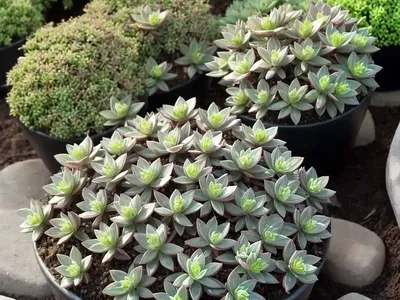
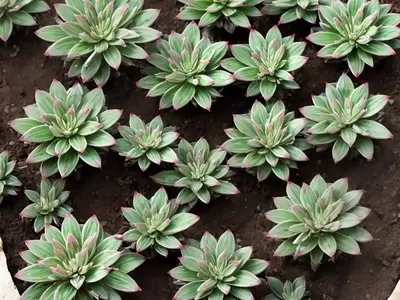
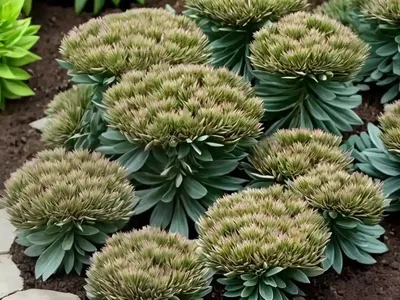
Echeveria Blue Atoll’ (Echeveria ‘blue Atoll’)
Echeveria ‘Blue Atoll’ is a stunning succulent plant known for its striking blue-gray rosettes and beautiful architecture. This plant, with its compact.
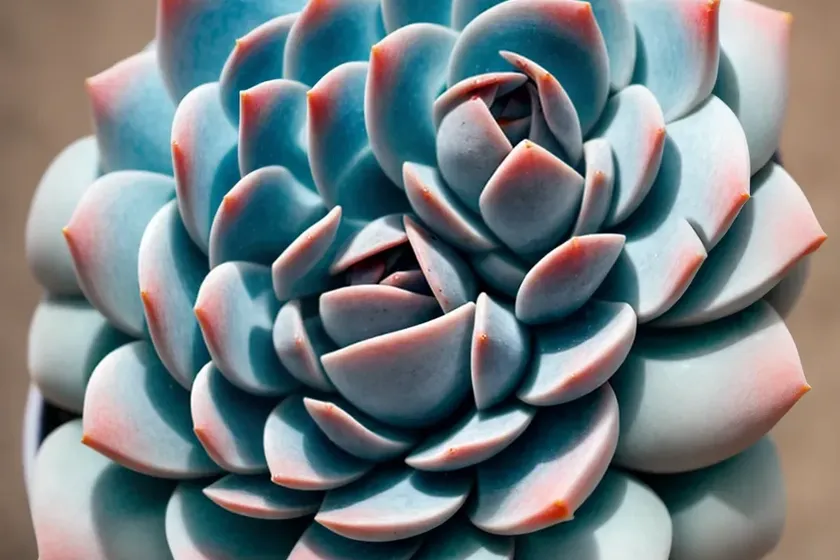
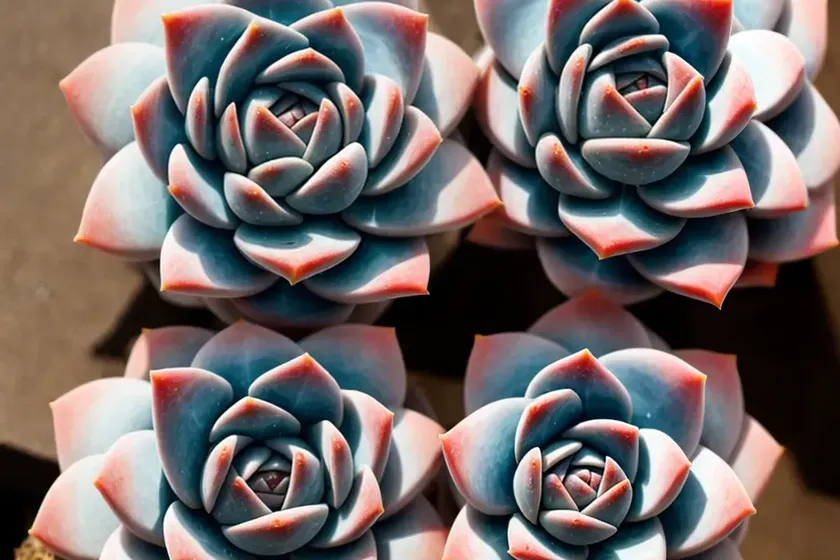
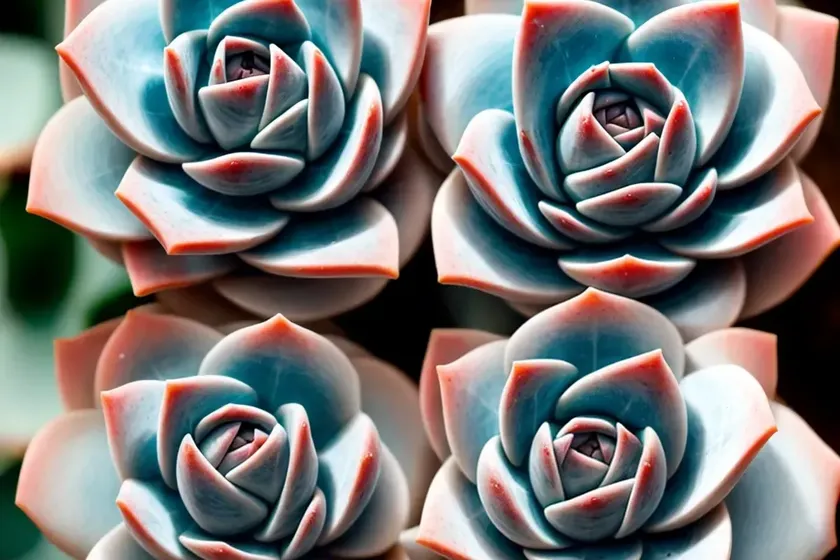
Echeveria ‘Blue Atoll’ is a stunning succulent plant known for its striking blue-gray rosettes and beautiful architecture. This plant, with its compact growth habit and mesmerizing hues, is a popular choice for both indoor and outdoor gardens. As a plant scientist, I am excited to delve into the intricacies of this exquisite species, from its cultural requirements to its propagation and care tips.
Key Takeaways
Before we embark on our exploration of Echeveria ‘Blue Atoll’, let’s summarize the key takeaways of this blog post:
- Echeveria ‘Blue Atoll’ is a captivating succulent plant known for its blue-gray rosettes.
- This plant is versatile and can thrive both indoors and outdoors with the appropriate care.
- It requires well-draining soil, adequate sunlight, and careful watering to flourish.
- Echeveria ‘Blue Atoll’ can be propagated from leaves and cuttings, making it a great choice for plant enthusiasts.
- Understanding its cultural requirements, common diseases, and pests is essential for successful cultivation.
Now, let’s dive into the details of Echeveria ‘Blue Atoll’ and unravel the secrets of caring for this remarkable succulent.
Culture
The cultural requirements of Echeveria ‘Blue Atoll’ are vital to understand to ensure its optimal growth and health. Let’s examine the various aspects of its culture, including its uses, preferred water and sunlight conditions, fertilizer needs, suitable soil, pruning, propagation, and container preferences.
Uses
Echeveria ‘Blue Atoll’ is sought after for its ornamental value and is commonly used in succulent gardens, rock gardens, and as a container plant. Its compact size and striking appearance make it an excellent choice for various landscaping and decorative arrangements. Additionally, it can be featured in indoor succulent displays, making it a versatile plant for both indoor and outdoor settings.
Water
Proper watering is crucial for the well-being of Echeveria ‘Blue Atoll’. As with most succulents, it is essential to avoid overwatering, which can lead to root rot and other issues. The watering schedule should align with the plant’s growth cycle and environmental conditions. During the active growing season, the soil should be allowed to dry out partially between waterings. In contrast, the frequency of watering should be reduced during the plant’s dormant period to prevent waterlogged soil and related problems.
Sunlight
Echeveria ‘Blue Atoll’ thrives in bright sunlight and prefers full sun to partial shade. When grown indoors, it should be placed in a location with ample natural light, such as a south-facing window. Outdoors, it can be positioned in areas that receive direct sunlight for a substantial portion of the day. However, in regions with intense afternoon sun and high temperatures, providing some protection from the harsh midday sun may be beneficial.
Fertilizer
While Echeveria ‘Blue Atoll’ is relatively low-maintenance, it can benefit from occasional fertilization during its active growing period. A balanced, water-soluble fertilizer formulated for succulents and cacti can be applied at half-strength every 2-4 weeks. It is important to refrain from overfertilizing, as succulents are sensitive to excess nutrients, which can lead to salt buildup in the soil and potential damage to the plant.
Soil
The success of Echeveria ‘Blue Atoll’ largely depends on the quality of the soil in which it is planted. Well-draining soil is essential to prevent water retention around the roots, which can be detrimental to the plant’s health. A mixture that includes components such as perlite, coarse sand, and a well-balanced potting mix formulated for succulents and cacti is ideal for promoting optimal growth. Additionally, ensuring adequate drainage in the planting container or garden bed is crucial for preventing waterlogged soil.
Pruning
Due to its compact growth habit and rosette structure, Echeveria ‘Blue Atoll’ typically requires minimal pruning. Any dead or decaying leaves can be gently removed to maintain the plant’s appearance and prevent the spread of diseases. Additionally, spent flower stalks can be trimmed back to promote a tidy and attractive display. It is important to use clean, sharp tools when pruning to minimize the risk of damage and infection.
Propagation
Echeveria ‘Blue Atoll’ can be propagated through several methods, including leaf cuttings and offsets. The propagation process allows plant enthusiasts to expand their collection or share this beautiful succulent with others. When propagating from leaf cuttings, selecting healthy leaves and allowing them to callus before planting them in well-draining soil can yield successful results. Offsets, also known as pups, can be carefully separated from the parent plant and propagated independently.
Container Preference
For indoor cultivation, Echeveria ‘Blue Atoll’ thrives in containers that provide proper drainage and sufficient space for root development. Choosing a pot with drainage holes is vital to prevent excess moisture accumulation, which can be detrimental to the plant. Additionally, selecting a container with a diameter that accommodates the plant’s size and growth habit allows for a healthy and visually appealing arrangement. When planting in outdoor containers, similar considerations for drainage and adequate space should be taken into account.
Popularity
Echeveria ‘Blue Atoll’ has gained considerable popularity among plant enthusiasts, succulent collectors, and landscapers due to its captivating visual appeal and versatility in various design schemes. Its striking blue-gray rosettes, combined with its relatively low-maintenance nature, make it an attractive choice for both beginners and experienced gardeners. The plant’s resilient nature and ability to thrive in diverse environmental conditions further contribute to its widespread popularity.
Common Diseases
While Echeveria ‘Blue Atoll’ is relatively resistant to many common plant diseases, certain issues may arise, particularly in conditions that do not align with its cultural requirements. Understanding the potential diseases and their symptoms is essential for timely intervention and effective management.
Disease Diagnosis
Recognizing the signs of common succulent diseases can help identify and address issues before they escalate. Some of the common diseases that may affect Echeveria ‘Blue Atoll’ include:
-
Root Rot: Excessive moisture in the soil can lead to root rot, characterized by mushy, discolored roots and wilting of the plant. Preventing overwatering and ensuring proper soil drainage are crucial for avoiding this disease.
-
Powdery Mildew: This fungal disease manifests as a white powdery coating on the leaves and stems. It can hinder photosynthesis and overall plant health if left unchecked. Adequate air circulation and maintaining appropriate humidity levels can help mitigate powdery mildew.
-
Leaf Spot: Leaf spot diseases are characterized by the appearance of dark or discolored spots on the leaves. They are often caused by fungal or bacterial pathogens and can be exacerbated by excessive moisture on the foliage. Proper watering practices and avoiding overhead watering can aid in disease prevention.
-
Mealybugs and Scale Insects: While not diseases in the traditional sense, infestations by these pests can severely impact the health of Echeveria ‘Blue Atoll’. Mealybugs appear as white, cottony masses on the plant, while scale insects often resemble small, raised bumps. Regular inspection and prompt treatment are essential for managing these pests.
Common Pests
In addition to diseases, Echeveria ‘Blue Atoll’ may be susceptible to infestations by various pests, which can compromise its vitality and appearance if left unchecked. Understanding the characteristics and control measures for common pests is crucial for maintaining the plant’s health.
Botanist’s Tips
As a plant scientist specializing in succulents, I offer the following tips for successfully growing and caring for Echeveria ‘Blue Atoll’:
-
Well-Draining Soil: Always ensure that the soil used for planting Echeveria ‘Blue Atoll’ provides excellent drainage to prevent waterlogging and related issues.
-
Careful Watering: Avoid overwatering, especially during the plant’s dormant period, to prevent root rot and other moisture-related problems. Allow the soil to dry out partially between waterings.
-
Adequate Sunlight: Providing ample sunlight is essential for the plant’s overall health and vibrant appearance. Position it in a location that receives direct sun or bright indirect light, depending on its environmental preferences.
-
Container Selection: When planting Echeveria ‘Blue Atoll’ in containers, choose pots with drainage holes and an appropriate size to promote healthy growth.
-
Regular Monitoring: Stay vigilant for signs of pests or diseases, and take prompt action to address any issues that may arise.
Fun Facts
To complement the detailed insights into Echeveria ‘Blue Atoll’, here are some fun and fascinating facts about this striking succulent:
- Echeveria ‘Blue Atoll’ is a hybrid Echeveria cultivar that exhibits unique blue-gray foliage, making it a sought-after choice for succulent enthusiasts.
- Its rosette structure and compact growth habit create a visually appealing display, whether grown individually or as part of a succulent arrangement.
- The plant’s resilience and adaptability make it well-suited for various climates, from arid regions to temperate environments.
Links to External Resources
For further exploration of Echeveria ‘Blue Atoll’ and related topics, the following links to external resources provide valuable information and insights:
Now that we’ve covered the comprehensive aspects of Echeveria ‘Blue Atoll’, including its culture, popularity, diseases, and botanist’s tips, I hope this blog post serves as a valuable resource for succulent enthusiasts and individuals seeking to enhance their understanding of this remarkable plant. Whether you’re a novice gardener or an experienced horticulturist, the allure of Echeveria ‘Blue Atoll’ and the captivating world of succulents continue to inspire appreciation for the natural wonders of the plant kingdom.