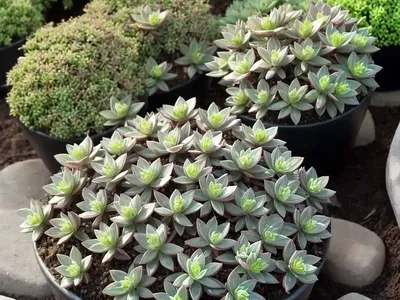
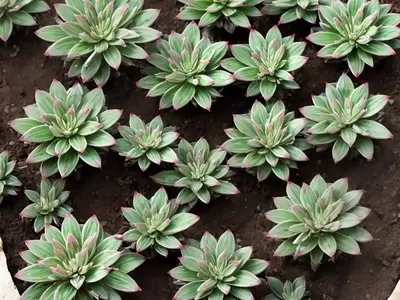
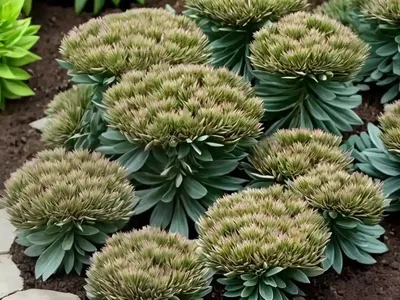
Echeveria Agavoides (Echeveria Agavoides)
Echeveria agavoides, commonly known as the lipstick echeveria, is a stunning succulent species that has gained popularity among plant enthusiasts due to.
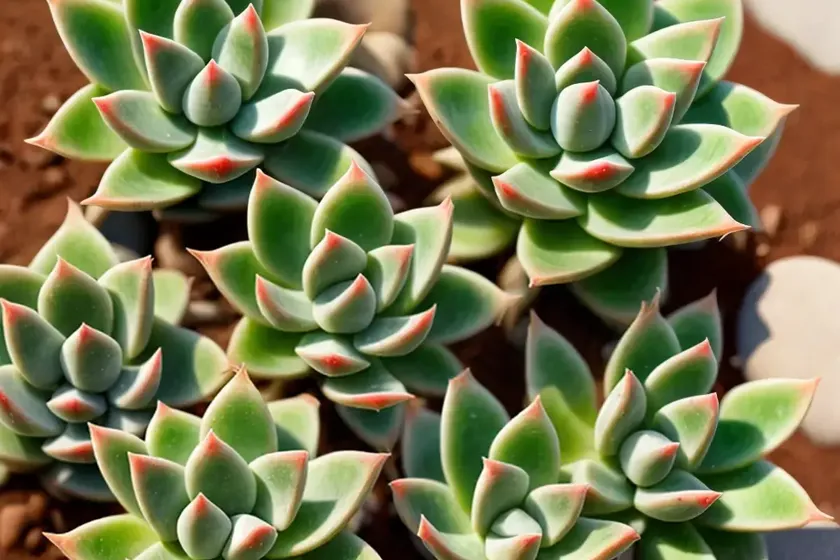
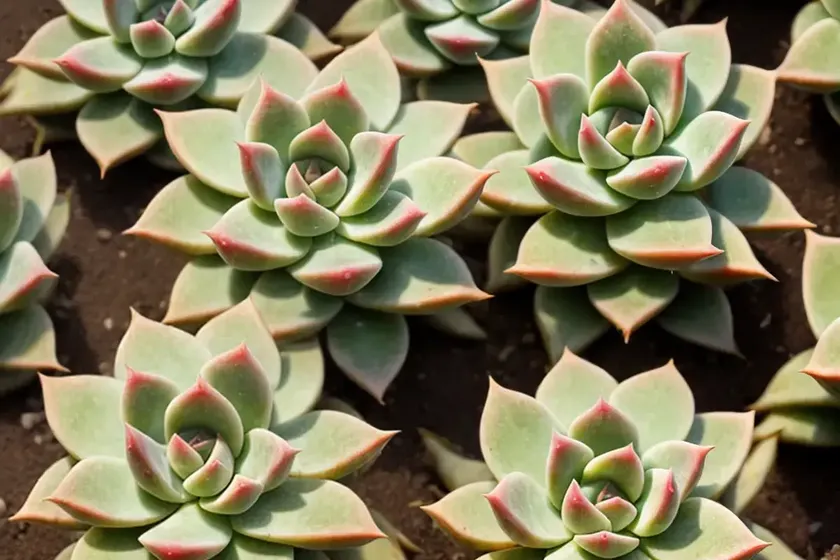
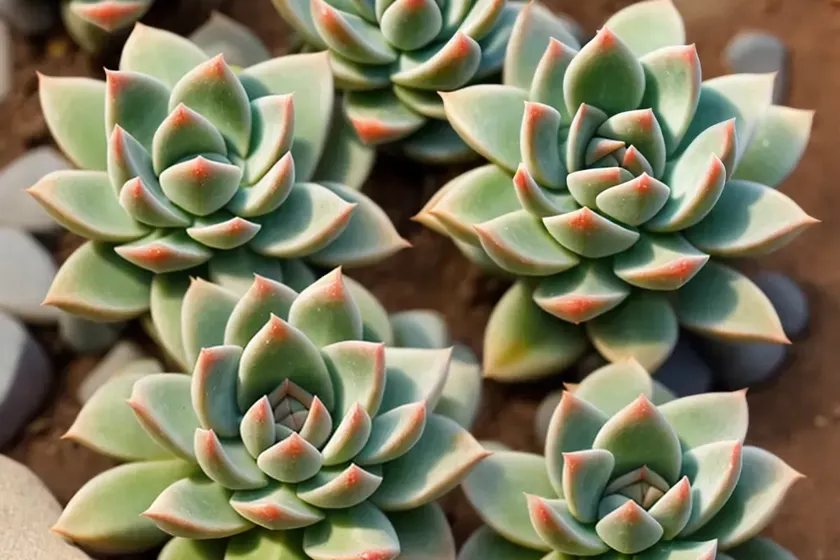
Echeveria agavoides, commonly known as the lipstick echeveria, is a stunning succulent species that has gained popularity among plant enthusiasts due to its striking appearance and low-maintenance requirements. This comprehensive guide will delve into the various aspects of Echeveria agavoides care and cultivation, providing valuable insights for both novice and experienced plant lovers.
What is Echeveria Agavoides?
Echeveria agavoides is a species of flowering succulent plant native to Mexico. It belongs to the family Crassulaceae, which encompasses a diverse range of succulent and drought-resistant plants. This particular species is revered for its rosette of fleshy, triangular leaves with vibrant hues of green and red along the edges. When in bloom, Echeveria agavoides produces lovely coral-pink flowers atop tall, slender stalks, adding an extra element of beauty to its overall appearance.
Key Takeaways
Echeveria Agavoides
- Botanical Name: Echeveria agavoides
- Common Name: Lipstick Echeveria
- Family: Crassulaceae
- Native Habitat: Mexico
- Sunlight Requirement: Full sun to partial shade
- Watering Needs: Low to moderate
- Soil Type: Well-draining, sandy soil
- Growth Habit: Rosette-forming succulent
- Flowering Season: Spring to summer
- USDA Hardiness Zones: 9-11
- Special Features: Attractive foliage, drought tolerance
Culture
Uses
Echeveria agavoides is a versatile succulent that can be utilized in various horticultural and landscaping applications. Some of its common uses include:
- Container Gardening: Echeveria agavoides thrives in containers and is often featured in succulent arrangements and indoor plant displays.
- Rock Gardens: Due to its low water requirements and attractive appearance, this echeveria species is an excellent addition to rock gardens and xeriscapes.
- Ground Cover: When planted en masse, Echeveria agavoides can create a visually appealing ground cover in arid landscapes.
Water
Echeveria agavoides, like many succulents, has low to moderate water requirements. Overwatering can lead to root rot and other moisture-related issues, so it is essential to allow the soil to dry out between waterings. During the growing season, typically spring to fall, water the plant when the soil is completely dry. In winter, reduce watering to prevent waterlogged soil.
Sunlight
This succulent thrives in full sun to partial shade. In warmer climates, providing some protection from intense afternoon sun can prevent sunburn on the leaves. Adequate sunlight exposure is crucial for healthy growth and vibrant leaf colors.
Fertilizer
Echeveria agavoides benefits from occasional fertilization during the growing season. Apply a balanced, water-soluble fertilizer diluted to half strength every 2-3 months to provide essential nutrients for robust growth and blooming.
Soil
The ideal soil mix for Echeveria agavoides is one that provides excellent drainage and aeration. A combination of well-draining cactus mix and perlite or coarse sand is well-suited for this succulent. Avoid compacted or moisture-retentive soils that can lead to root rot.
Pruning
Minimal pruning is necessary for Echeveria agavoides. Remove any dead or dried leaves as needed to maintain the plant’s aesthetic appeal. Additionally, spent flower stalks can be cut back to encourage further blooming.
Propagation
Echeveria agavoides can be propagated through leaf cuttings or offsets. Leaf cuttings should be allowed to callus for a few days before being placed on well-draining soil to root. Offsets, also known as pups, can be carefully removed and replanted to establish new plants.
Container Popularity
Due to its compact growth habit and visually striking foliage, Echeveria agavoides is a popular choice for container gardening. The plant’s adaptability to different container sizes makes it an ideal candidate for succulent arrangements, individual potted specimens, and indoor displays.
Common Diseases
Echeveria agavoides is relatively resistant to pests and diseases, particularly when provided with proper growing conditions. However, it is important to be vigilant for signs of common succulent ailments, such as:
- Root Rot: Caused by overwatering and poorly-draining soil.
- Powdery Mildew: Fungal disease that thrives in humid conditions.
Disease Diagnosis
Diagnosing and addressing potential diseases in Echeveria agavoides involves carefully examining the plant for symptoms such as wilting, yellowing leaves, or unusual spots. Prompt action, such as adjusting watering practices or applying appropriate fungicides, can help prevent the spread of diseases.
Common Pests
While echeverias are generally resistant to many pests, they can occasionally fall victim to common succulent pests such as:
- Aphids
- Mealybugs
- Scale Insects
Regular monitoring and the application of horticultural oils or insecticidal soaps can effectively control these pests.
Botanist’s Tips
- Optimal Drainage: Ensure that the soil mix and containers used for Echeveria agavoides provide excellent drainage to prevent waterlogged conditions.
- Adequate Sunlight: Place the plant in a location that receives ample sunlight, especially in regions with shorter daylight hours during certain seasons.
- Careful Watering: Practice moderation when it comes to watering, allowing the soil to dry out partially between waterings to discourage root rot.
Fun Facts
- Echeveria agavoides is named after Atanasio Echeverría, a botanical illustrator from Mexico.
- Its rosette form and coloration provide a striking contrast in arrangements and landscape designs.
Links to External Resources
Explore additional resources and details on Echeveria agavoides care, propagation, and landscaping ideas:
In conclusion, Echeveria agavoides is a captivating succulent species that offers a myriad of possibilities for both indoor and outdoor cultivation. Its resilience, low-maintenance nature, and striking visual appeal make it a cherished addition to succulent collections, garden landscapes, and container gardens. By understanding and implementing the recommended care practices outlined in this guide, plant enthusiasts can enjoy the beauty of Echeveria agavoides while fostering its health and vitality for years to come.
Remember, each plant is unique, so closely observe and respond to the specific needs of your Echeveria agavoides to ensure its ongoing well-being and beauty.