The Marvelous Eastern Redbud (Cercis canadensis ‘Covey’): A Comprehensive Guide
The Eastern Redbud, scientifically known as Cercis canadensis and commonly referred to as ‘Covey’, is a captivating flowering tree that belongs to the Fabaceae family. Renowned for its vibrant and delicate blossoms, the Eastern Redbud is a popular choice among gardeners and landscapers. Throughout this comprehensive guide, we will delve into the intricacies of this enchanting tree, covering various aspects including its culture, uses, appropriate conditions for its growth, common diseases and pests, as well as propagation and maintenance techniques.
What is the Eastern Redbud (Cercis canadensis ‘Covey’)?
The Eastern Redbud, also known as the ‘Covey Redbud’, is a deciduous tree that typically reaches a height of 20 to 30 feet and spreads 15 to 35 feet. It is native to eastern and central North America, ranging from southern Canada to Florida, and as far west as eastern Kansas and into Texas. The Eastern Redbud is lauded for its widespread adaptability, flourishing in diverse habitats including rocky slopes, open woodlands, and along the edges of forests.
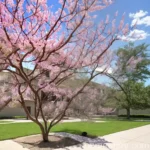
This treasured species is recognized for its breathtaking display of flowers, which emerge in early spring before any leaves develop, creating a stunning contrast against the subdued backdrop of the remaining landscape. The flowers, which can vary in color from deep magenta to light pink, densely envelop the entire framework of the tree, producing a spectacular sight that captures the attention of all who behold it. Following the floral exhibition, heart-shaped leaves unfurl and transition from a rich shade of green to an exquisite golden yellow during the fall season.
As a resilient and fast-growing tree, the Eastern Redbud boasts an extensive lifespan, often exceeding 40 years. With a wide, rounded crown and a relatively short trunk, it presents a graceful silhouette that adds an elegant touch to any garden or natural setting.
Key Takeaways – Eastern Redbud (Cercis canadensis ‘Covey’)
Culture
The Eastern Redbud thrives in a variety of cultural conditions, making it a versatile addition to diverse landscapes. Its adaptability extends to different soil types, ranging from clay to loamy to sandy, and it exhibits a remarkable tolerance to both acidic and alkaline soils. Furthermore, this species prospers in well-drained soil and can withstand periodic droughts, making it a suitable choice for regions with less consistent water availability.
Uses
The Eastern Redbud serves as an exceptional ornamental tree, adding charm and visual appeal to gardens, parks, and urban landscapes. Its striking appearance during the flowering season makes it an ideal candidate for focal points and as a centerpiece in small to medium-sized gardens. Additionally, due to its non-invasive root system, the Eastern Redbud is also suitable for planting near buildings, patios, and walkways.
Water
The Eastern Redbud displays moderate drought tolerance once established, and it generally prefers consistently moist soil during its initial stages of growth. Adequate watering is especially crucial during hot and dry weather conditions. However, it is vital to ensure that the soil does not become waterlogged to prevent potential root rot.
Sunlight
This species flourishes in full to partial sunlight, displaying its optimal growth and floral display in locations that receive at least six hours of direct sunlight daily. While it can tolerate partial shade, reduced sunlight exposure may result in diminished flowering and an overall decrease in vigor.
Fertilizer
When considering fertilizer application for the Eastern Redbud, it is essential to approach with caution. Excessive fertilization can lead to an unbalanced growth pattern and an overabundance of foliage at the expense of floral development. It is generally recommended to incorporate organic matter into the soil during planting and to supplement with a balanced slow-release fertilizer in the early spring, ensuring that it does not come into direct contact with the tree’s trunk.
Soil
As previously mentioned, the Eastern Redbud exhibits adaptability to various soil types, provided that they are well-drained. An ideal soil pH for the Eastern Redbud falls within the slightly acidic to slightly alkaline range, typically between 6.0 and 7.5. Amending the soil with organic matter can aid in improving its structure and fertility, contributing to the overall health and vitality of the tree.
Pruning
Pruning is an essential aspect of maintaining the Eastern Redbud’s form and promoting abundant flowering. It is advisable to engage in pruning during the late winter or early spring, before the onset of new growth. This practice entails the removal of dead or crossing branches, in addition to any unwanted suckers that may emerge from the base of the tree.
Propagation
The Eastern Redbud can be propagated through various methods, including seed propagation and vegetative propagation using softwood or hardwood cuttings. Propagation from seeds requires stratification, a process that involves subjecting the seeds to a period of cold and moist conditions to break their dormancy. Once stratified, the seeds can be sown in a well-prepared seedbed or container and typically germinate within 2 to 3 weeks.
On the other hand, vegetative propagation involves taking cuttings from healthy and vigorous parent plants, treating them with rooting hormone, and placing them in a suitable rooting medium. Once rooted, the new plants can be transplanted into individual containers or directly into the ground.
Container Popularity
The Eastern Redbud is well-suited for cultivation in containers, especially for individuals with limited space or those aiming to create mobile ornamental displays. Its size, graceful form, and exquisite flowers make it an appealing choice for container gardening, imparting a touch of sophistication to outdoor living spaces and patios.
Container Common Diseases
While the Eastern Redbud is relatively resistant to many common diseases, it may be susceptible to certain ailments under unfavorable growing conditions. Anthracnose, caused by various fungal pathogens, can manifest as leaf spots, dieback, and twig cankers. To mitigate this condition, it is advisable to ensure proper air circulation, avoid overhead watering, and promptly remove and destroy affected plant material.
Disease Diagnosis
Accurately diagnosing diseases affecting the Eastern Redbud is pivotal in implementing effective control measures. Common symptoms of anthracnose include irregularly-shaped brown lesions on the leaves, which may lead to defoliation if left unaddressed. Consulting with a knowledgeable plant health specialist or local agricultural extension service can provide valuable insights and guidance in disease identification and management.
Common Pests
The Eastern Redbud is generally resistant to pest infestations; however, it may occasionally encounter challenges from pests such as caterpillars, scale insects, and mites. Regular monitoring of the tree’s foliage and timely intervention can help prevent pest populations from reaching damaging levels.
Botanist’s Tips
-
Selecting the Ideal Location: When choosing a site for planting an Eastern Redbud, opt for a location with well-drained soil and ample sunlight, ensuring that it offers sufficient space for the tree to reach its full spread without encountering obstacles.
-
Maintenance of Moisture Levels: While the Eastern Redbud displays moderate drought tolerance, it is advisable to maintain consistent soil moisture, especially during the initial establishment phase. Applying a layer of organic mulch around the base of the tree can aid in retaining soil moisture and regulating soil temperature.
-
Pruning Practices: Engage in annual or biennial pruning to maintain a well-shaped canopy and promote consistent flowering. Exercise caution to avoid drastic or excessive pruning, as this may hinder the tree’s overall vigor and floral production.
-
Winter Protection: In regions characterized by harsh winters, consider implementing protective measures such as applying a layer of mulch around the base of the tree and wrapping the trunk with a protective cover to shield it from temperature extremes and potential frost damage.
Fun Facts
- The Eastern Redbud is a notable host plant for the larvae of the Henry’s elfin butterfly (Callophrys henrici), a species that contributes to the biodiversity of various ecosystems.
- The flowers of the Eastern Redbud are not only visually captivating but also edible, with their slightly tangy flavor making them a delightful addition to salads and other culinary creations.
With its remarkable adaptability, captivating floral display, and ornamental value, the Eastern Redbud (Cercis canadensis ‘Covey’) emerges as a prized addition to landscapes and natural settings, captivating the senses and infusing beauty into its surroundings.
Links to External Resources
- The Spruce – Eastern Redbud Trees
- Missouri Botanical Garden – Cercis canadensis
- Rutgers University – Eastern Redbud
- University of Florida IFAS Extension – Cercis canadensis: Eastern Redbud
In conclusion, the Eastern Redbud (Cercis canadensis ‘Covey’) stands as a testament to the inherent beauty and resilience of nature, captivating enthusiasts and admirers with its abundant blossoms and graceful demeanor. Through a thorough understanding of its cultural requirements, maintenance practices, and overall significance, we can continue to appreciate and nurture this enchanting species, ensuring its enduring presence in the splendor of natural and cultivated landscapes.