Earth Star (Cryptanthus Bivittatus)
Plants bring beauty and life to any space they inhabit. The Earth star (Cryptanthus bivittatus) is no exception, with its stunning foliage and relatively.
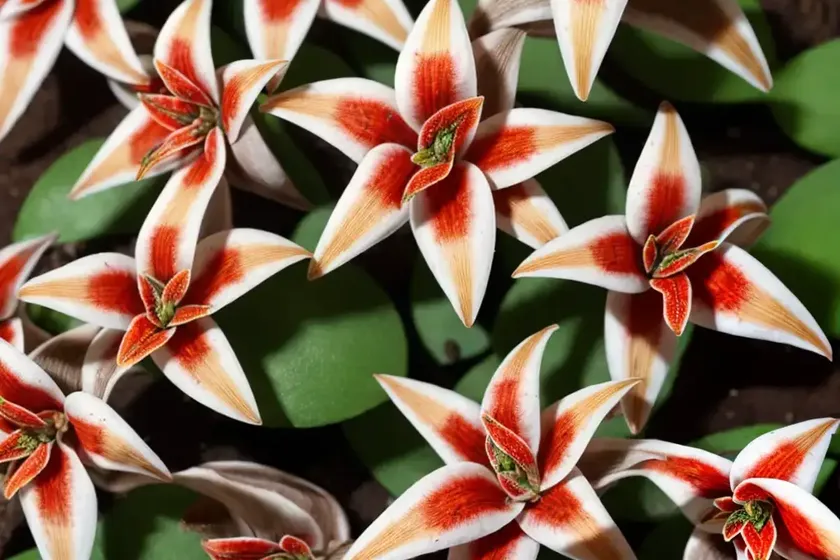
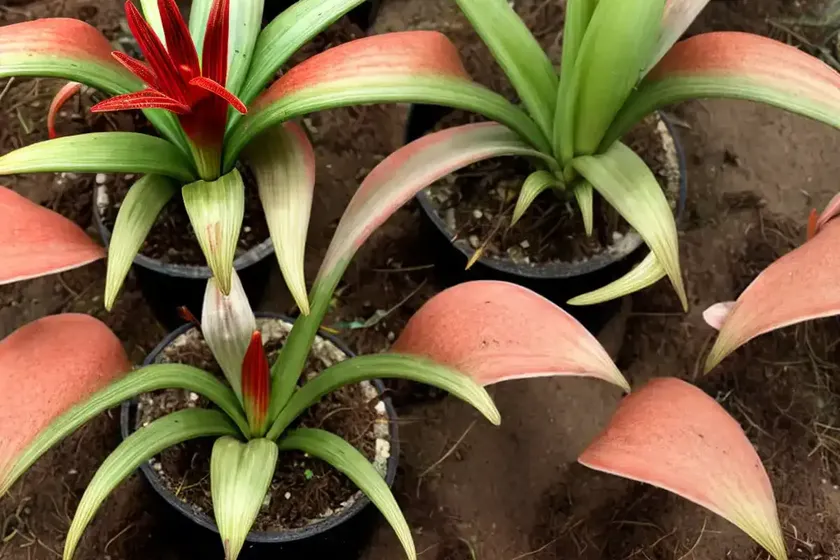
Plants bring beauty and life to any space they inhabit. The Earth star (Cryptanthus bivittatus) is no exception, with its stunning foliage and relatively low maintenance needs making it a popular choice for both indoor and outdoor settings. In this comprehensive guide, we will explore everything you need to know about caring for the Earth star plant, from its cultural significance to its propagation methods and common pests. Whether you’re a seasoned plant enthusiast or a beginner looking to introduce more greenery into your life, this article offers valuable insights into the world of Cryptanthus bivittatus care.
What is the Earth Star (Cryptanthus bivittatus)?
The Earth star, scientifically known as Cryptanthus bivittatus, is a species of flowering plant in the family Bromeliaceae. It is native to Brazil and is known for its rosette-shaped foliage, featuring striking patterns and vibrant colors. Often referred to as a “ground star” due to its low-growing nature, the Earth star makes an excellent choice for terrariums, dish gardens, and as a ground cover in tropical landscapes. Its compact size and adaptability also make it well-suited for indoor cultivation, adding a touch of exotic elegance to any space.
Key Takeaways – Earth Star (Cryptanthus bivittatus)
Before delving into the specifics of caring for the Earth star, here are the key takeaways that you can expect from this guide:
- Culture: Understanding the cultural significance and traditional uses of the Earth star plant.
- Uses: Exploring the versatile uses of Cryptanthus bivittatus, from decorative purposes to potential health benefits.
- Water: Learning about the watering requirements and best practices for maintaining optimal soil moisture.
- Sunlight: Identifying the ideal light conditions for promoting healthy growth and vibrant foliage.
- Fertilizer: Nurturing the Earth star with appropriate fertilization and understanding its nutritional needs.
- Soil: Selecting the right soil type and composition to support the plant’s overall well-being.
- Pruning: Mastering the art of pruning to maintain the Earth star’s compact shape and remove dead foliage.
- Propagation: Exploring various methods for propagating Cryptanthus bivittatus and expanding your plant collection.
- Container Popularity: Assessing the suitability of different container types for housing the Earth star.
- Common Diseases: Identifying potential diseases that may affect the Earth star and implementing effective diagnosis and treatment strategies.
- Common Pests: Recognizing common pests that pose a threat to the Earth star and implementing pest control measures.
- Botanist’s Tips: Benefiting from expert tips and actionable advice for successful Earth star care.
- Fun Facts: Discovering intriguing and lesser-known facts about Cryptanthus bivittatus.
Now, let’s dive into each of these aspects in detail to equip you with the knowledge and skills necessary for nurturing a thriving Earth star plant.
Culture
Traditional and Cultural Significance
In its native habitat of Brazil, the Earth star plant holds cultural significance and is often utilized in traditional practices and ceremonies. Its striking appearance and ability to thrive in tropical environments have led to its symbolic association with vitality, resilience, and natural beauty. In certain cultures, the Earth star is revered for its unique foliage patterns, believed to bring good fortune and positive energy into the spaces it inhabits.
Decorative Uses
Beyond its cultural significance, the Earth star has gained widespread popularity for its decorative uses. Its visually captivating rosettes, featuring intricate patterns and vibrant hues, make it a sought-after choice for terrariums, miniature landscapes, and as an ornamental addition to indoor and outdoor gardens. Whether displayed as a standalone centerpiece or integrated into a diverse plant arrangement, the Earth star adds an exotic and visually intriguing dimension to any setting.
Potential Health Benefits
While primarily valued for its aesthetic appeal, some plant enthusiasts believe that the Earth star may offer certain health benefits. Like many indoor plants, Cryptanthus bivittatus is thought to contribute to improved air quality by removing toxins and impurities from the surrounding environment. Its presence in indoor spaces may also help to enhance overall well-being by promoting a sense of tranquility and connection with nature.
Uses
The Earth star plant offers a myriad of uses, making it a versatile and valuable addition to any plant collection or garden. Here are some of the common uses of Cryptanthus bivittatus:
- Ornamental Plant: As mentioned earlier, the Earth star is primarily sought after for its ornamental value, serving as a visually captivating addition to terrariums, dish gardens, and mixed plant arrangements.
- Ground Cover: In outdoor landscapes, especially in tropical and subtropical regions, the Earth star can be utilized as a low-growing ground cover, creating lush, decorative mats of foliage.
- Indoor Decoration: Due to its compact size and striking appearance, the Earth star is well-suited for indoor decoration, adding a touch of elegance to living spaces, offices, and other indoor environments.
- Air Purification: As a potential air-purifying plant, Cryptanthus bivittatus may contribute to creating a healthier indoor environment by removing harmful toxins and impurities from the air.
By understanding the diverse uses of the Earth star, plant enthusiasts can fully appreciate the value that Cryptanthus bivittatus brings to both ornamental and practical settings.
Water
Watering Requirements
Proper watering is essential for maintaining the health and vitality of the Earth star plant. While it is important to provide adequate moisture, it is equally crucial to avoid overwatering, which can lead to root rot and other issues. Here are some key points to consider regarding the watering needs of Cryptanthus bivittatus:
-
Moisture Balance: Cryptanthus bivittatus thrives in a moderately moist but well-draining growing medium. It is important to achieve a balance, ensuring that the soil does not become waterlogged while preventing it from drying out completely.
-
Watering Frequency: The watering frequency for the Earth star plant can vary based on factors such as environmental conditions, season, and the type of growing medium. As a general guideline, aim to water the plant when the top inch of the soil feels slightly dry to the touch.
-
Water Quality: High-quality water, free from excessive mineral content and chemical additives, is ideal for watering Cryptanthus bivittatus. If using tap water, allow it to sit for a period to allow any chlorine to dissipate before application.
Watering Techniques
When watering the Earth star, consider employing the following techniques to ensure that the plant receives adequate moisture without the risk of waterlogging:
-
Bottom Watering: This method involves placing the plant container in a shallow tray of water and allowing the soil to absorb moisture from the bottom. After a sufficient period, remove the container and allow any excess water to drain out.
-
Avoid Overhead Watering: When watering the Earth star, avoid pouring water directly onto the leaves, as this can lead to prolonged moisture on the foliage, potentially promoting fungal issues and rot.
By mastering the art of watering, plant caregivers can create optimal conditions for the Earth star to thrive and display its stunning foliage.
Sunlight
Light Requirements
Proper light exposure is crucial for promoting healthy growth and vibrant foliage in the Earth star plant. Understanding the light requirements of Cryptanthus bivittatus is essential for creating an environment where the plant can thrive. Here are some key considerations regarding the light needs of the Earth star:
-
Indirect Light: Cryptanthus bivittatus thrives in bright, indirect light. Exposing the plant to direct sunlight for prolonged periods can result in leaf scorching and damage, particularly in hot, arid environments.
-
Filtered Light: Providing the Earth star with filtered sunlight, such as through sheer curtains or by situating it near a north or east-facing window, helps to replicate its natural habitat conditions.
-
Low-Light Tolerance: While the Earth star benefits from bright light, it also exhibits a degree of tolerance for lower light conditions. However, prolonged exposure to low light can lead to diminished growth and less vibrant foliage.
Light Monitoring
To best accommodate the light requirements of the Earth star, consider the following tips for monitoring and adjusting light exposure:
-
Observation: Regularly observe the plant to assess its response to the available light. Signs of inadequate light may include elongation of the leaves and decreased vibrancy in foliage coloration.
-
Rotation: If situating the Earth star indoors, periodically rotate the plant to ensure even light exposure on all sides, promoting balanced growth and uniform foliage development.
-
Outdoor Placement: In outdoor settings, position the Earth star in an area that receives bright, indirect light, sheltered from harsh midday sun and extreme temperature fluctuations.
By optimizing light conditions, plant enthusiasts can encourage the Earth star to flourish and display its stunning natural beauty to the fullest extent.
Fertilizer
Nutritional Requirements
Proper fertilization is essential for supporting the growth and vitality of the Earth star plant. Understanding the nutritional needs of Cryptanthus bivittatus, as well as the appropriate timing and application of fertilizer, is crucial for promoting robust foliage and overall plant health. Here are some key points to consider regarding the fertilization of the Earth star:
-
Balanced Formula: When selecting a fertilizer for the Earth star, opt for a balanced, water-soluble formula designed for use with ornamental foliage plants. A fertilizer with a balanced NPK ratio (nitrogen, phosphorus, and potassium) can help support healthy growth without promoting excessive leaf expansion at the expense of foliage coloration.
-
Application Frequency: During the active growing season, typically in spring and summer, apply a diluted fertilizer solution to the Earth star approximately once a month. Reduce or suspend fertilization during the plant’s dormancy period in fall and winter.
-
Avoid Excesses: Refrain from over-fertilizing the Earth star, as excessive nutrient accumulation in the growing medium can lead to salt buildup and potential damage to the plant’s root system.
Fertilizer Application
When applying fertilizer to the Earth star, consider the following best practices to ensure effective and safe nutrient supplementation:
-
Dilution: Dilute the fertilizer to half or quarter of the recommended strength to minimize the risk of overfeeding and to accommodate the Earth star’s relatively low nutritional requirements.
-
Even Distribution: Apply the diluted fertilizer solution evenly to the soil around the base of the plant, avoiding direct contact with the foliage to prevent potential leaf burn.
-
Watering after Fertilizing: Following the application of fertilizer, water the Earth star lightly to help distribute the nutrients throughout the root zone and prevent the risk of fertilizer salts accumulating on the soil surface.
By providing appropriate fertilization, plant caregivers can enhance the Earth star’s natural beauty and promote healthy, vibrant growth.
Soil
Soil Requirements
Selecting the right type of soil is essential for creating an environment where the Earth star plant can thrive. A well-draining, nutrient-rich growing medium supports healthy root development and overall plant vitality. Here are some key considerations regarding the soil requirements for Cryptanthus bivittatus:
-
Well-Draining Composition: Cryptanthus bivittatus thrives in a well-draining, porous soil mix that prevents water from pooling around the roots. A blend that incorporates components such as peat moss, perlite, and coarse sand helps to maintain an optimal balance between moisture retention and drainage.
-
Acidic pH: The Earth star prefers slightly acidic soil, with a pH range of approximately 5.5 to 6.5. Maintaining a suitable pH level supports efficient nutrient uptake and minimizes the risk of nutrient deficiencies or imbalances.
-
Aeration: Aeration is crucial for promoting healthy root respiration and preventing soil compaction. Incorporating porous amendments into the soil mix helps to enhance aeration and facilitate the movement of water and nutrients within the root zone.
Soil Composition and Potting Mix
When preparing a suitable soil composition for the Earth star, consider the following guidelines to create an ideal growing medium:
-
Peat-Based Mix: Utilize a peat-based potting mix as a foundational component, as it provides good moisture retention without becoming waterlogged and offers a stable, slightly acidic pH environment.
-
Incorporate Perlite: To enhance drainage and aeration, incorporate perlite into the potting mix at a ratio of approximately 1:1 with the peat moss. Perlite’s lightweight and porous nature help to prevent soil compaction and maintain optimal soil structure.
-
Optional Additions: Depending on local availability and specific preferences, additional components such as coarse sand, bark, or coconut coir can be incorporated to further improve drainage and structure.
By creating a well-balanced soil mix, plant caregivers can establish a supportive growing medium for the Earth star, promoting healthy root development and overall plant vigor.
Pruning
Maintenance Pruning
Pruning is an essential aspect of maintaining the appearance and vitality of the Earth star plant. Regular maintenance pruning helps to remove dead or damaged foliage, promote new growth, and maintain the Earth star’s characteristic compact shape. Here are some key points to consider regarding the pruning of Cryptanthus bivittatus:
-
Dead Leaf Removal: Periodically inspect the Earth star for any dead or yellowing leaves, and promptly remove them by gently pulling the leaf from the base of the rosette. Ensure to remove all remnants of the leaf to prevent the risk of disease or decay.
-
Tip Pruning: To encourage bushier growth and maintain a neat appearance, consider lightly trimming the tips of the leaves with clean, sharp scissors. This practice can promote the development of new pups and help to balance the overall structure of the plant.
Propagation Pruning
In addition to maintenance pruning, pruning plays a crucial role in the propagation of Cryptanthus bivittatus. When seeking to propagate new Earth star plants, consider the following guidelines for utilizing pruning as a propagation method:
-
Pup Removal: The Earth star plant naturally produces offsets, or “pups,” around the base of the mother plant. These pups can be carefully removed once they have developed a few roots and transferred to their individual containers to establish new plants.
-
Careful Separation: When detaching pups from the mother plant, exercise care to avoid damaging the pup or the mother plant. Gently separate the pup from the parent plant using a clean, sharp knife or scissors.
-
Rooting Medium: Place the detached pups in a suitable rooting medium, such as a well-draining, peat-based potting mix, and provide optimal watering and light conditions to support their establishment.
By mastering the art of pruning, plant enthusiasts can effectively maintain the Earth star’s compact shape, remove dead foliage, and propagate new plants to expand their collection.
Propagation
Propagation Methods
The Earth star plant can be propagated through various methods, offering plant enthusiasts the opportunity to expand their collection and share the beauty of Cryptanthus bivittatus with others. Here are some common propagation methods for the Earth star:
-
Pup Division: As mentioned earlier, the Earth star produces offsets, or pups, around the base of the mother plant. Once the pups have developed a sufficient root system, they can be carefully detached and repotted to establish new plants.
-
Leaf Cuttings: While less common, the Earth star can also be propagated from leaf cuttings. Select a healthy, mature leaf and cut it into sections, ensuring that each section contains a portion of the central stem. Place the cuttings in a rooting medium and provide appropriate care for root development.
-
Seed Propagation: Alternatively, the Earth star can be propagated from seeds, although this method is less commonly employed due to the time and effort involved in seed germination and plant establishment.
Propagation Techniques
When propagating the Earth star, consider the following techniques to ensure successful establishment and growth of new plants:
-
Optimal Environment: Provide a warm, humid environment for propagating Cryptanthus bivittatus, as this promotes root development and supports the initial establishment of new plants.
-
Rooting Hormone (Optional): When propagating the Earth star from leaf cuttings, the use of a rooting hormone may enhance the likelihood of successful rooting and plant establishment.
-
Patience and Care: Propagation can require patience, as newly established plants may take some time to acclimate and demonstrate visible growth. Provide consistent care and monitor the progress of the new plants to ensure their successful establishment.
By leveraging different propagation methods, plant enthusiasts can multiply their Earth star collection and share the beauty of Cryptanthus bivittatus with others, contributing to the propagation and conservation of this unique plant species.
Container Popularity
Suitable Containers
When selecting a container for the Earth star plant, consider the following factors to ensure that it provides an optimal growing environment:
-
Drainage Holes: Choose a container that features adequate drainage holes to prevent water from accumulating around the roots and causing waterlogging issues.
-
Size and Proportions: Select a container that accommodates the size of the Earth star plant, with some room for growth while minimizing excessive space. A slightly snug container can help encourage compact growth and prevent waterlogging.
-
Material Considerations: Containers made from materials such as terracotta, ceramics, or plastic can all be suitable for housing the Earth star, each offering unique benefits in terms of moisture retention, insulation, and visual appeal.
-
Decorative Elements: Consider the visual aesthetics of the container, especially if the Earth star will be displayed as an ornamental centerpiece. Choose a container that complements the plant’s foliage and enhances its overall visual appeal.
Container Gardening
For those interested in creating container gardens, or adding the Earth star to existing container arrangements, consider the following tips for successful container gardening with Cryptanthus bivittatus:
-
Arrangement Composition: When designing a container garden, consider the Earth star’s growth habits and aesthetic appeal, and integrate it with compatible companion plants that share similar cultural and environmental requirements.
-
Group Plantings: In larger containers, consider grouping multiple Earth star plants together to create striking combinations of foliage patterns and colors, adding visual interest and diversity to the container garden.
-
Environmental Considerations: Be mindful of the environmental conditions surrounding the containers, especially when situating them outdoors. Protect the Earth star from extreme temperatures, wind, and excessive rainfall, as these factors can impact its health and appearance.
By selecting suitable containers and employing effective container gardening techniques, plant enthusiasts can create visually stunning displays featuring the striking foliage of the Earth star plant.
Common Diseases
Disease Diagnosis
While the Earth star plant is relatively resilient, it can be susceptible to certain diseases, particularly when exposed to unfavorable growing conditions. Understanding common diseases and their associated symptoms is essential for prompt diagnosis and effective treatment. Here are some of the common diseases that may affect Cryptanthus bivittatus:
-
Leaf Rot: Excessive moisture, particularly in cool and poorly ventilated environments, can lead to leaf rot in the Earth star. Symptoms may include dark, water-soaked lesions on the leaves and a foul odor emanating from affected areas.
-
Fungal Issues: The Earth star may be prone to fungal issues, such as powdery mildew, which can manifest as white, powdery patches on the foliage, inhibiting growth and impacting the plant’s overall appearance.
Treatment Strategies
When addressing common diseases affecting the Earth star, consider the following treatment strategies to support the plant’s recovery and prevent the spread of disease:
- Improving Air Circulation: To combat issues related to excessive moisture and leaf rot, ensure adequate air circulation around the Earth star by providing proper