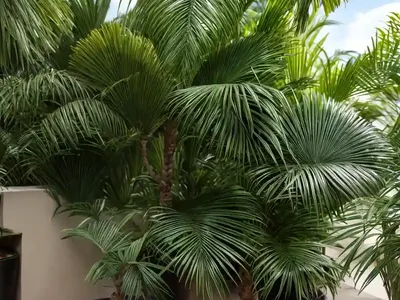
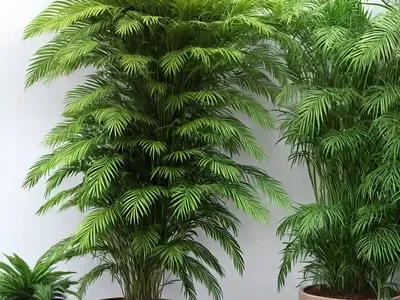
Dypsis Lanceolata (Dypsis Lanceolata)
Plants hold a special place in our world, not only for their aesthetic beauty but for the important role they play in our environment and ecosystems. One.
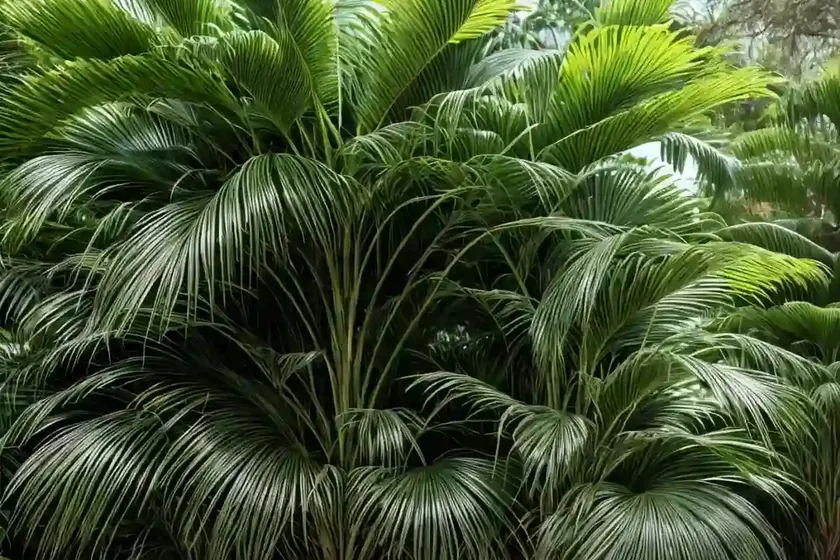
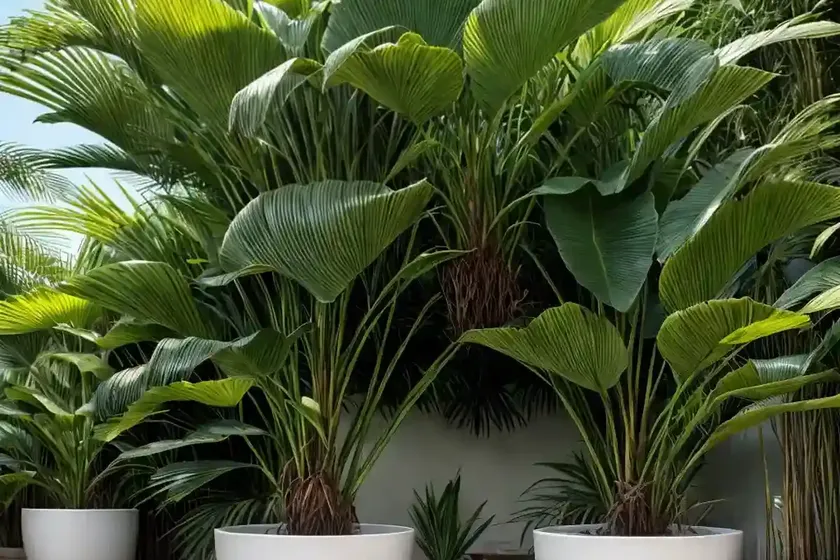
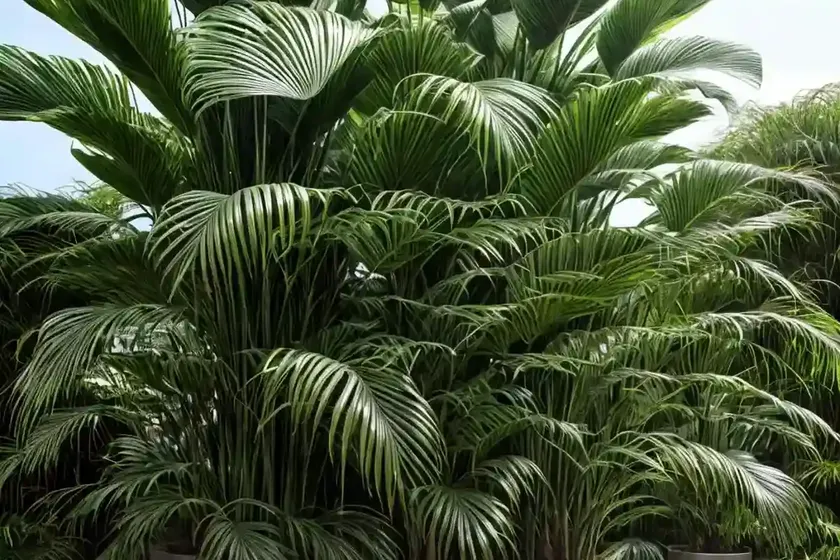
Plants hold a special place in our world, not only for their aesthetic beauty but for the important role they play in our environment and ecosystems. One plant that stands out for its unique characteristics and potential for landscaping and indoor decoration is the Dypsis lanceolata, also known as the butterfly palm or the elegant palm. In this comprehensive guide, we will explore the intricacies of this remarkable plant, from its description and care tips to its growth habits and environmental requirements.
What is Dypsis lanceolata?
Description
The Dypsis lanceolata is a graceful palm native to Madagascar, known for its slender, arching fronds and striking appearance. Its elegant foliage and manageable size make it a desirable choice for indoor and outdoor landscaping. This plant belongs to the Arecaceae family and is a popular ornamental plant globally, prized for its unique visual appeal.
Common Names
- Butterfly Palm
- Elegant Palm
- Bamboo Palm
- Yellow Palm
Characteristics
The Dypsis lanceolata is characterized by its distinct features, including:
– Slender, reed-like, yellowish-green stems
– Pinnate leaves with a graceful arching form
– Clumping growth habit
– Light and airy appearance
– Can reach a mature height of 7 to 10 feet (2-3 meters) indoors
Origin
This species is indigenous to the rainforests of Madagascar, where it thrives in the dappled shade and moderate humidity found in its natural habitat. It has become a popular ornamental plant in tropical and subtropical regions worldwide due to its adaptability to various environments.
Key Takeaways – Dypsis lanceolata
Before delving into the specifics of caring for the Dypsis lanceolata, it’s essential to understand some key takeaways about this plant.
Culture
The Dypsis lanceolata is a low-maintenance plant that requires minimal care, making it an ideal choice for both novice and experienced gardeners. Its graceful appearance and adaptability to different settings make it a versatile addition to any indoor or outdoor space.
Uses
This plant is commonly used for:
– Interior decoration
– Landscaping in tropical and subtropical regions
– Adding a touch of elegance to indoor spaces
– Creating a tropical ambiance in gardens and patios
Now, let’s dive deeper into the essential care tips for nurturing a healthy and thriving Dypsis lanceolata plant.
Dypsis Lanceolata Care Tips
Water
Requirements
– The Dypsis lanceolata appreciates regular watering to maintain slightly moist, but not waterlogged, soil.
– It’s important to allow the soil to dry out slightly between waterings to prevent root rot and maintain optimal health.
– During the growing season, water the plant when the top inch (2.5 cm) of the soil feels dry to the touch.
– In winter, reduce the frequency of watering to prevent waterlogging as the plant’s growth slows down.
Sunlight
Needs
– To thrive, the Dypsis lanceolata requires bright, indirect light.
– While it can tolerate some direct morning or evening sunlight, it’s crucial to protect it from harsh midday sun to prevent leaf scorch.
– Consider placing it near a north, east, or west-facing window, or provide light shade if grown outdoors to protect it from excessive sunlight.
Fertilizer
Schedule
– Fertilize the Dypsis lanceolata with a balanced liquid fertilizer every 2-3 months during the growing season, typically from spring to early fall.
– Use a fertilizer formulated specifically for palms or indoor foliage plants to meet its nutritional needs.
– In winter, reduce the frequency of fertilization, as the plant’s growth rate slows down, and it requires fewer nutrients.
Soil
Preferences
– The Dypsis lanceolata thrives in well-draining, peat-based potting mix.
– Look for a soil blend designed for palms or tropical plants, as these typically provide the necessary aeration and moisture retention for optimum growth.
– When grown outdoors, it appreciates fertile, loamy soil with good drainage to prevent waterlogging.
Pruning
Guide
– Remove any dead or yellowing fronds to maintain the plant’s appearance and encourage healthy growth.
– Use clean, sharp pruning shears to make precise cuts and avoid tearing the plant’s delicate foliage.
– Prune with caution, focusing on removing damaged or unsightly fronds and avoiding excessive trimming, which can stress the plant.
Propagation
Methods
– Propagate the Dypsis lanceolata through division or by collecting and germinating its seeds.
– Division: Carefully separate the offshoots from the mother plant, ensuring they have their own root system, and plant them in suitable containers with well-draining soil.
– Seed propagation: Collect ripe seeds and plant them in a seed-starting mix, maintaining warmth and moisture to encourage germination.
Container Popularity
Relation
– The Dypsis lanceolata is highly popular as a container plant due to its manageable size and graceful appearance.
– It is often used to add a tropical touch to indoor spaces, such as homes, offices, and public spaces, and can be grown in decorative pots or planters to enhance its visual appeal.
The Dypsis lanceolata has garnered a reputation for its resilience and adaptability, but like any plant, it is susceptible to certain pests and diseases. Understanding the common issues and their diagnosis is crucial for maintaining the plant’s health.
Common Diseases
The Dypsis lanceolata can be affected by various diseases, including:
– Fungal infections: Such as root rot, caused by overwatering or waterlogged soil, leading to wilting and yellowing of the fronds.
– Leaf spot: Characterized by the appearance of dark spots on the plant’s foliage, often caused by high humidity and poor air circulation.
– Palm scale: Small, oval-shaped insects that attach to the plant’s stems and fronds, sucking out sap and causing discoloration.
Disease Diagnosis
Identifying the underlying cause of any issues is crucial for effective treatment. When dealing with potential diseases, consider the following steps:
- Check the plant’s watering regimen and soil moisture to ensure it’s not being overwatered.
- Inspect the foliage for any signs of discoloration, spotting, or wilting, which could indicate a fungal infection or pest infestation.
- Look for the presence of insects, such as scale or mites, on the plant’s stems and leaves.
Common Pests
In addition to diseases, the Dypsis lanceolata is prone to infestations by common pests, including:
– Spider mites: These tiny pests can cause stippling and webbing on the plant’s foliage, leading to discoloration and reduced plant vigor.
– Mealybugs: Soft-bodied insects that often gather in protected areas of the plant, such as leaf axils, causing damage to the plant’s tissues.
Understanding the potential pests and diseases that can affect the Dypsis lanceolata is essential for taking proactive measures to prevent and address these issues. However, there is a range of botanist’s tips that can aid in promoting the overall health and well-being of this elegant palm.
Botanist’s Tips
- Monitor soil moisture: Regularly check the moisture levels in the soil to avoid overwatering, which can lead to root rot and other issues.
- Provide adequate ventilation: Ensure proper air circulation around the plant to minimize the risk of fungal infections and pest infestations.
- Inspect for pests: Routinely inspect the plant for signs of common pests, such as spider mites and scale, and address any infestations promptly.
- Prune with care: When pruning the Dypsis lanceolata, avoid excessive or unnecessary trimming to prevent inducing stress on the plant.
- Maintain consistent humidity: While the Dypsis lanceolata appreciates moderate humidity, strive to maintain a consistent level to prevent fluctuations that can stress the plant.
In addition to its unique characteristics and care requirements, the Dypsis lanceolata boasts some fascinating and often surprising facts that further elevate its appeal.
Fun Facts
- The Dypsis lanceolata is known for its air-purifying properties, helping to enhance indoor air quality by removing certain airborne toxins.
- In its natural habitat in Madagascar, this palm species plays a vital role in the local ecosystem, providing habitat and sustenance for various wildlife species.
- The elegant, arching form of the Dypsis lanceolata’s fronds makes it a popular choice for creating a tropical ambiance in gardens, resorts, and commercial landscapes.
Links to External Resources
For further information on the Dypsis lanceolata, consider exploring the following external resources:
- Royal Horticultural Society – Dypsis lanceolata
- University of Florida IFAS Extension – Butterfly Palm
- Missouri Botanical Garden – Dypsis lutescens
In conclusion, the Dypsis lanceolata, with its graceful form and adaptability, offers a captivating addition to indoor and outdoor settings. By understanding its unique characteristics and following the outlined care tips, you can cultivate and maintain a healthy and thriving Dypsis lanceolata, adding a touch of elegance and tropical charm to your living spaces. Whether you are a seasoned gardener or a plant enthusiast, the Dypsis lanceolata is sure to impress with its distinctive beauty and versatility.