A Comprehensive Guide to the Dwarf Norway Spruce (Picea abies ‘Inversa’)
Introduction
The dwarf Norway spruce, scientifically known as Picea abies ‘Inversa’, is a captivating and versatile plant that has gained popularity among gardeners for its unique characteristics and landscaping potential. This evergreen conifer, a cultivar of the Norway spruce (Picea abies), is cherished for its compact size, attractive foliage, and adaptability to various growing conditions. In this comprehensive guide, we will explore the cultural requirements, uses, maintenance tips, and interesting facts about the dwarf Norway spruce, along with valuable insights from botanists and expert horticulturists.
What is the Dwarf Norway Spruce (Picea abies ‘Inversa’)?
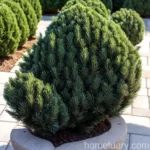
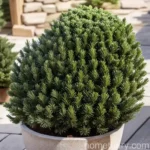
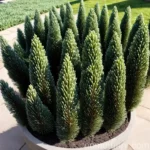
The dwarf Norway spruce, or Picea abies ‘Inversa’, is a cultivar of the Norway spruce, a species native to Northern, Central, and Eastern Europe. The ‘Inversa’ cultivar is distinguished by its unique growth habit, featuring a weeping or cascading form, as well as its compact size, making it well-suited for various landscaping applications. The graceful, cascading branches of the ‘Inversa’ spruce create an elegant and eye-catching display, adding a touch of drama and beauty to gardens, rockeries, and container plantings.
Key Takeaways – Dwarf Norway Spruce (Picea abies ‘Inversa’)
- Scientific Name: Picea abies ‘Inversa’
- Common Names: Dwarf Norway spruce, Inversa spruce
- Cultivar Type: Picea abies cultivar
- Varieties: Norway spruce varieties, miniature Norway spruce, Picea abies dwarf form, compact Norway spruce
- Size: Small Norway spruce tree, Picea abies ‘Inversa’ size
- Cultural Uses: Landscape use, bonsai, container gardening, privacy screening, border plantings, windbreaks, erosion control, groundcover, rock gardens
- Care Tips: Water requirements, sunlight exposure, fertilizer needs, soil preferences, pruning techniques, disease resistance, pest control, growth rate, hardiness, seasonal interest, maintenance, and landscaping ideas
Culture
Water
The dwarf Norway spruce thrives best in moist, well-drained soil, and it is important to keep the soil consistently moist, especially during the establishment phase. However, it is crucial to avoid waterlogged conditions, as excessive moisture can lead to root rot and other health issues. During hot and dry periods, regular watering is essential to prevent the soil from drying out completely.
Sunlight
This spruce variety prefers full sun to partial shade, making it suitable for a wide range of light conditions. When grown in full sun, the ‘Inversa’ spruce tends to develop a dense and compact form, while partial shade can help protect it from intense afternoon sun in warmer climates.
Fertilizer
A balanced, slow-release fertilizer formulated for evergreen trees and shrubs can be applied in early spring to provide essential nutrients for healthy growth. It is advisable to follow the manufacturer’s instructions regarding the application rate and frequency to avoid over-fertilization, which can be detrimental to the plant’s health.
Soil
The dwarf Norway spruce thrives in well-drained, slightly acidic soil with good fertility. It is important to avoid soils that are excessively alkaline or prone to waterlogging, as these conditions can negatively impact the plant’s vigor and overall health. Amending the soil with organic matter, such as compost or peat moss, can improve its structure and fertility, creating an optimal growing environment for the ‘Inversa’ spruce.
Pruning
Pruning is generally minimal for the dwarf Norway spruce, as its naturally sculptural form and cascading branches require little intervention. However, occasional light pruning can help maintain its shape and remove any dead or damaged foliage. It is advisable to avoid heavy pruning or cutting into old wood, as this can lead to unsightly bare patches and disrupt the plant’s natural form.
Uses
The dwarf Norway spruce, with its alluring beauty and adaptable nature, offers a myriad of uses in garden and landscape settings. From serving as a focal point in small gardens to adding charm and elegance to container plantings, this versatile conifer continues to captivate gardeners and horticulture enthusiasts with its wide-ranging applications.
Landscape Use
In landscape design, the graceful and weeping habit of the ‘Inversa’ spruce lends itself well to various settings, including rock gardens, border plantings, and mixed perennial beds. Its compact size and unique form make it an excellent choice for small gardens, urban landscapes, and courtyards, where space may be limited, yet the desire for a striking and low-maintenance plant remains high.
Bonsai
Due to its petite size and elegant cascading branches, the dwarf Norway spruce is well-suited for bonsai cultivation. With proper training and maintenance, this cultivar can be shaped into stunning miniature specimens, offering a fascinating and enduring addition to bonsai collections.
Container Gardening
The ‘Inversa’ spruce is a popular choice for container plantings, where its cascading form creates a dramatic focal point on patios, balconies, and terraces. When paired with complementary plants and ornamental features, it adds a touch of sophistication to outdoor spaces, requiring minimal care and maintenance.
Privacy Screening and Windbreaks
When planted in groupings or hedges, the dense foliage and weeping branches of the ‘Inversa’ spruce provide effective privacy screening and windbreaks, offering both aesthetic appeal and functional benefits. Its compact size and attractive form make it an ideal choice for creating secluded and sheltered areas within the landscape.
Erosion Control and Groundcover
In erosion-prone areas or sloping landscapes, the dwarf Norway spruce can be utilized to help stabilize the soil and prevent erosion. Its spreading nature and dense foliage provide effective groundcover, reducing the risk of soil erosion and enhancing the visual appeal of landscapes.
Rock Gardens and Border Plantings
The ‘Inversa’ spruce adds texture, movement, and visual interest to rock gardens and border plantings, where its cascading branches create a striking contrast against the rugged terrain and other plantings. Its adaptability to rocky soils and challenging conditions makes it an invaluable addition to these specialized garden settings.
Propagation
From Cuttings
Propagation of the dwarf Norway spruce can be achieved through softwood or hardwood cuttings, taken from healthy, disease-free shoots in early summer or late autumn, respectively. The cuttings should be treated with a rooting hormone and placed in a well-draining rooting medium, such as a mix of peat and perlite, to encourage root development. With proper care and environmental conditions, the cuttings will eventually develop into new, healthy plants.
Grafting
Grafting is another common method used to propagate the ‘Inversa’ spruce, where a scion (desired genetic material) is joined onto the rootstock of a compatible Picea abies variety. This technique allows for the production of true-to-type plants and can be particularly useful for maintaining specific cultivars and desirable traits.
Container Popularity
The dwarf Norway spruce, with its compact size, striking form, and low-maintenance nature, has become increasingly popular for container gardening. Its versatility and adaptability make it an excellent choice for adding year-round interest to outdoor spaces, patios, and urban environments. The ease of care and ability to thrive in containers further enhance its appeal to gardening enthusiasts and landscape designers seeking to create captivating displays in limited spaces.
Common Diseases
Disease Diagnosis
While the dwarf Norway spruce is generally resilient and resistant to many common diseases, it can be susceptible to certain fungal pathogens, including needle cast diseases and canker diseases. When detecting signs of disease, such as discoloration, wilting, or dieback, it is important to promptly diagnose the issue and implement appropriate management strategies to prevent the spread and minimize the impact on the plant’s health and vigor.
Common Pests
Pest Control
The ‘Inversa’ spruce may encounter pests such as spruce spider mites, adelgids, and scale insects, which can pose a threat to its vitality if left untreated. Regular monitoring and early intervention are essential for managing pest infestations, and integrated pest management (IPM) practices can be implemented to address pest issues effectively while minimizing environmental impact.
Botanist’s Tips
Care Tips for Picea abies ‘Inversa’
- Water Requirements: Maintain consistent soil moisture, avoiding waterlogged conditions and allowing the soil to slightly dry out between watering.
- Sun Exposure: Provide full sun to partial shade, ensuring adequate light for optimal growth and development.
- Soil Preferences: Plant in well-drained, slightly acidic soil enriched with organic matter to promote healthy root development and overall vigor.
- Pruning Techniques: Minimize pruning to maintain the plant’s natural form and remove any dead or damaged foliage as needed.
- Disease Resistance: Monitor for signs of disease and promptly address any issues to prevent the spread and protect the plant’s health.
- Pest Management: Conduct regular inspections for pests and implement appropriate control measures to safeguard the plant from infestations.
Fun Facts
- The dwarf Norway spruce is well-suited for creating miniature landscapes and fairy gardens, adding a whimsical and enchanting touch to garden settings.
- In traditional folklore and mythology, the Norway spruce is often associated with themes of resilience, longevity, and the spirit of the forest, contributing to its enduring symbolism and cultural significance.
- The cascading form of the ‘Inversa’ spruce provides an elegant backdrop for showcasing seasonal decorations, such as lights and ornaments during festive occasions.
Links to External Resources
For further information and resources on the dwarf Norway spruce (Picea abies ‘Inversa’), the following websites and publications are valuable sources of horticultural knowledge and expertise:
- Royal Horticultural Society (RHS)
- Missouri Botanical Garden
- American Conifer Society
- University Extension Services
In conclusion, the dwarf Norway spruce (Picea abies ‘Inversa’) stands out as an exceptional and versatile plant, offering unique beauty, adaptability, and numerous landscaping possibilities. Whether utilized as a standout feature in gardens, a captivating addition to container displays, or an effective element in functional plantings, the ‘Inversa’ spruce continues to enhance outdoor spaces and inspire creativity in horticultural endeavors.
By understanding its cultural requirements, maintenance needs, and potential uses, gardeners and enthusiasts can unlock the full potential of the dwarf Norway spruce, celebrating its enduring charm and contribution to the art of gardening.