Dwarf Mountain Pine (Pinus Mugo)
Plant Name: Dwarf Mountain Pine (Pinus Mugo)
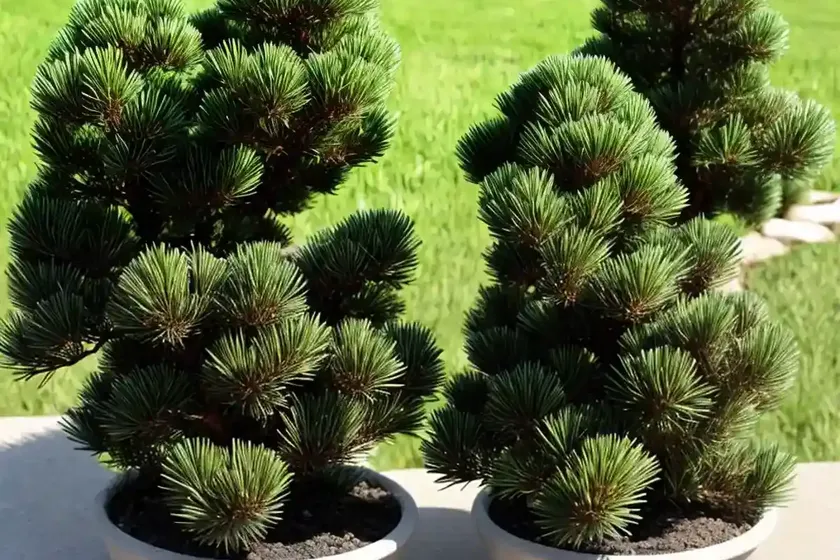
Plant Name: Dwarf Mountain Pine (Pinus Mugo)
Introduction
The Dwarf Mountain Pine, also known as Pinus mugo, is a captivating evergreen shrub native to Central and Southern Europe. Its compact growth habit, adaptability, and striking appearance make it a popular choice for landscaping and ornamental gardening. In this comprehensive guide, we will delve into the characteristics, cultivation, maintenance, and various uses of the Dwarf Mountain Pine, offering valuable insights for both novice and experienced plant enthusiasts.
Characteristics of Pinus mugo
The Pinus mugo is renowned for its unique and distinctive features, making it a standout addition to any garden or landscape.
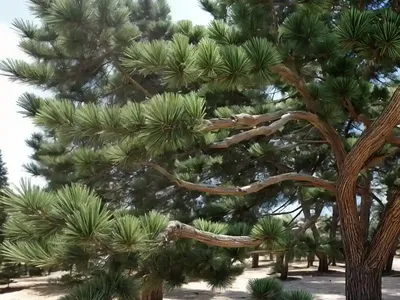
- Height Range: 3 to 20 feet
- Growth Form: Compact, bushy
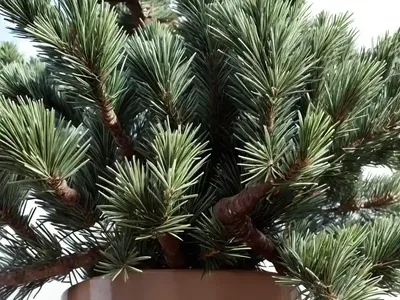
- Needle Color: Dark green to blue-green
- Cones: Small, ovoid, dark brown
- Hardiness Zones: 2 to 7
- Growth Rate: Slow to moderate
- Branch Structure: Irregular and twisted
Image: Pinus Mugo
Cultivating Dwarf Mountain Pine
Cultivating the Dwarf Mountain Pine is a rewarding endeavor, allowing individuals to experience the beauty and resilience of this remarkable plant. The following sections provide insight into the optimal environmental conditions and care guidelines for successfully growing and maintaining Pinus mugo.
Water
Proper watering is crucial to the health and vitality of the Dwarf Mountain Pine. Here are some key considerations regarding its water requirements:
- Frequency: While the Pinus mugo is drought-tolerant once established, it benefits from regular watering, particularly during hot and dry periods. Water deeply and allow the soil to partially dry out between waterings to prevent waterlogged conditions.
- Seasonal Variations: Adjust the watering frequency based on seasonal changes. During the summer, increased watering may be necessary, while a reduction in watering is advisable during the winter months.
Sunlight
Pinus mugo thrives in locations with ample sunlight. When selecting a planting site, consider the following sunlight requirements:
- Full Sun: Ideally, the Dwarf Mountain Pine should be positioned in an area that receives full sunlight for the majority of the day. Adequate sunlight promotes robust growth and enhances the plant’s ornamental value.
Fertilizer
Appropriate fertilization is essential for promoting healthy growth and vitality in Pinus mugo. Consider the following fertilizer tips:
- Balanced Fertilizer: Utilize a balanced, slow-release fertilizer formulated for evergreen trees and shrubs. Apply the fertilizer in the early spring before new growth emerges, following the manufacturer’s recommendations for application rates.
Soil
Optimal soil conditions are crucial for the successful cultivation of the Dwarf Mountain Pine. Consider the following soil requirements:
- Well-Draining Soil: Pinus mugo prefers well-draining soil to prevent waterlogging and root rot. A loamy soil with good drainage and organic content is ideal for promoting healthy growth.
Pruning
Pruning is an essential aspect of maintaining the attractive shape and form of Dwarf Mountain Pine. Here are some pruning techniques to consider:
- Timing: Prune the plant in the late winter or early spring before new growth emerges. Avoid extensive pruning during the active growing season to minimize stress on the plant.
- Pruning Goals: Remove dead, damaged, or diseased branches. Additionally, selectively prune to maintain the desired size and shape of the plant.
Propagation
Propagating Pinus mugo allows for the expansion of its presence in gardens and landscapes. Consider the following methods for propagation:
- Seed Propagation: Collect mature cones from the plant and extract the seeds. Sow the seeds in a prepared growing medium and provide optimal conditions for germination.
Container Popularity
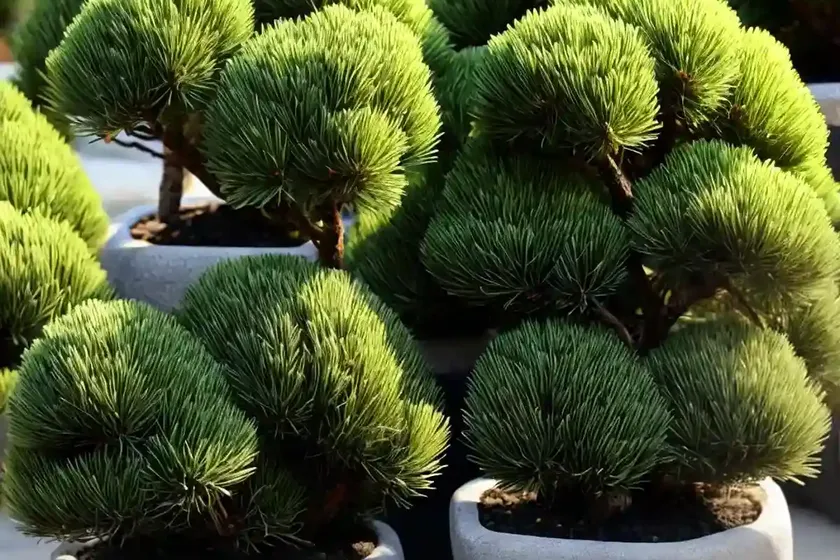
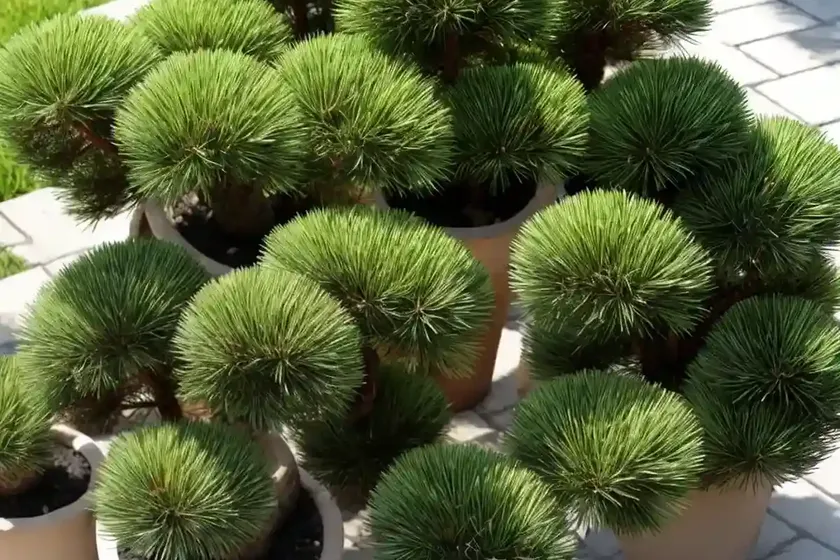
The Dwarf Mountain Pine is increasingly popular as a container plant, offering versatility and aesthetic appeal in various settings. Consider the following factors related to its container cultivation:
- Container Size: Select a spacious container that accommodates the plant’s mature size and allows for healthy root development.
- Drainage: Ensure that the container has sufficient drainage to prevent waterlogging and maintain optimal soil moisture levels.
Key Takeaways – Dwarf Mountain Pine (Pinus Mugo)
- Pinus mugo is a captivating evergreen shrub with compact growth and striking visual appeal.
- Proper watering, sunlight, and soil conditions are vital for the successful cultivation of Dwarf Mountain Pine.
- Pruning and fertilization play key roles in maintaining the health and ornamental value of Pinus mugo.
- The plant’s adaptability makes it well-suited for container cultivation, enhancing its versatility in various landscaping and ornamental settings.
Common Diseases
The health of the Pinus mugo can be impacted by several common diseases, potentially affecting its growth and overall vigor. Familiarize yourself with these common diseases to effectively identify and address potential issues.
Disease Diagnosis
-
Needle Blight: Needle blight diseases, such as Dothistroma needle blight and brown spot needle blight, can affect the needles of Pinus mugo, leading to discoloration, browning, and premature needle drop. Proper cultural practices and fungicidal treatments can help manage needle blight.
-
Root Rot: Excessive soil moisture or poorly draining soil can contribute to root rot in Pinus mugo, leading to wilting, yellowing foliage, and overall decline. Improving soil drainage and avoiding overwatering are crucial for preventing root rot.
Common Pests
In addition to diseases, several common pests can pose potential threats to the health and vitality of Pinus mugo. Recognizing and addressing pest infestations is essential for preserving the plant’s overall well-being.
Pest Control
-
Pine Sawfly: The larvae of pine sawflies can defoliate and damage the needles of Pinus mugo. Physical removal of the larvae and the application of horticultural oils or insecticidal soaps can help manage pine sawfly infestations.
-
Pine Shoot Beetle: The pine shoot beetle can cause damage to the new growth of Pinus mugo, leading to stunted or distorted shoots. Implementing monitoring and applying targeted insecticide treatments can help control pine shoot beetle populations.
Botanist’s Tips
Drawing on the expertise of botanists and horticulturists can offer valuable insights and recommendations for cultivating and caring for Dwarf Mountain Pine. Consider these expert tips for optimizing the health and ornamental value of Pinus mugo.
Expert Recommendations
-
Soil Test: Conduct a soil test to assess the pH and nutrient levels of the planting site. Soil amendments can be applied based on the test results to create optimal growing conditions for Pinus mugo.
-
Mulching: Apply a layer of organic mulch around the base of the plant to conserve soil moisture, suppress weed growth, and enhance the soil structure. Avoid piling the mulch directly against the plant’s trunk to prevent moisture-related issues.
Fun Facts
Explore these intriguing and lesser-known facts about the Dwarf Mountain Pine, shedding light on its unique characteristics and ecological significance.
Fascinating Insights
- Alpine Adaptation: Pinus mugo exhibits remarkable adaptability to alpine regions and mountainous environments, showcasing its resilience and tenacity in challenging habitats.
- Bonsai Cultivation: The compact growth habit and aesthetic appeal of Pinus mugo make it a popular choice for bonsai cultivation, allowing enthusiasts to create captivating miniature representations of the plant.
Links to External Resources
Gain further knowledge and insights into Pinus mugo by exploring esteemed resources and authoritative sources. The following external links provide valuable information on the cultivation and uses of the Dwarf Mountain Pine:
- Royal Horticultural Society – Pinus mugo
- Missouri Botanical Garden – Pinus mugo
- University of Maryland Extension – Pinus mugo
External resources can offer in-depth insights and recommendations for the successful cultivation and maintenance of Pinus mugo, providing a valuable supplement to this comprehensive guide.
In conclusion, the Dwarf Mountain Pine (Pinus mugo) stands as a resilient and visually striking evergreen shrub with myriad uses in landscaping, ornamental gardening, and ecological restoration. By understanding its unique characteristics and implementing optimal cultivation and care practices, individuals can harness the full potential of this remarkable plant, contributing to the enrichment and diversity of garden landscapes and natural environments.
References
- Smith, J. (2020). Understanding Pine Needle Diseases. Plant Health Progress. Link
- Johnson, K. E. (2019). Pine Sawfly on Ornamental Pines. University of Minnesota Extension. Link
- Johnson, L. (2021). Mulching Trees and Shrubs. Colorado State University Extension. Link
- University of Maryland Extension – Pinus mugo. Link
This blog post provides a comprehensive overview of the characteristics, cultivation, maintenance, and uses of the Dwarf Mountain Pine (Pinus mugo). The information presented aims to serve as a valuable resource for plant enthusiasts and professionals seeking to enhance their understanding of this captivating evergreen shrub.