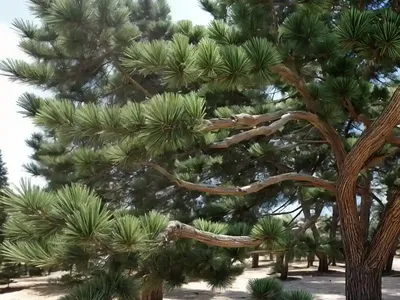
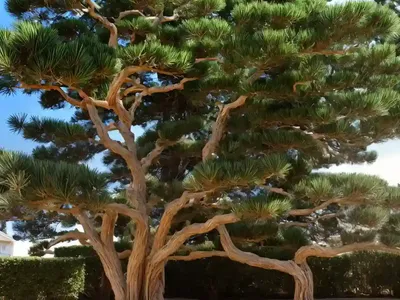
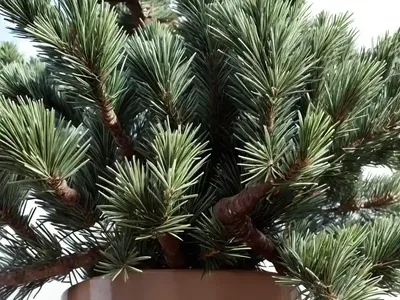
Dwarf Mountain Pine (Pinus Mugo ‘Paul’s Dwarf’)
The Pinus mugo ‘Paul’s Dwarf’, commonly known as the dwarf mountain pine, is a captivating evergreen conifer with a unique compact and rounded form. This.
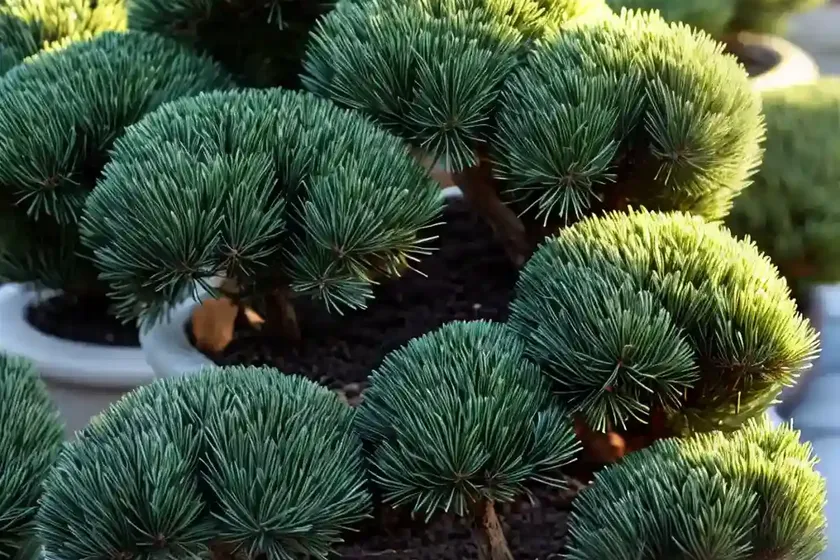
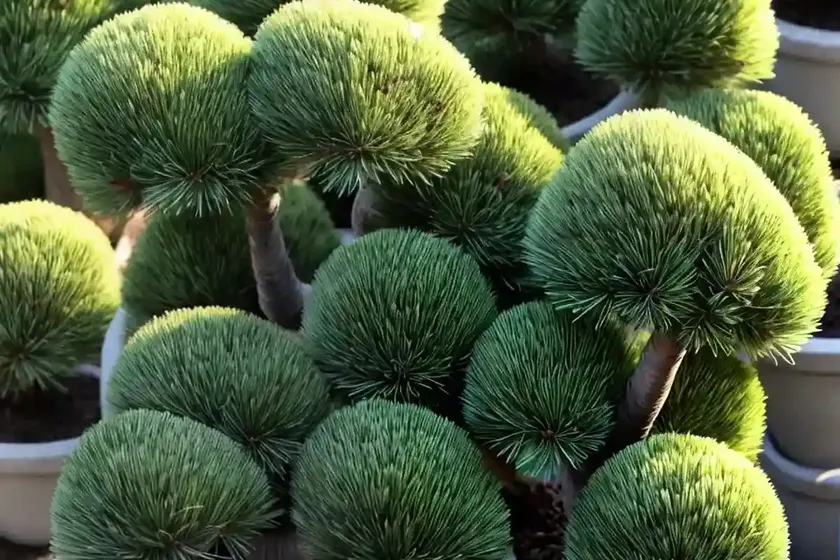
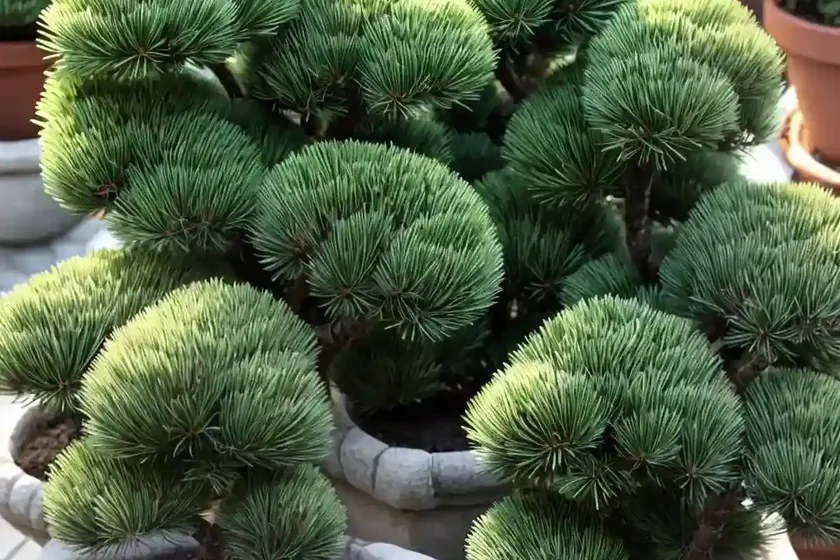
The Pinus mugo ‘Paul’s Dwarf’, commonly known as the dwarf mountain pine, is a captivating evergreen conifer with a unique compact and rounded form. This plant is celebrated for its versatility and striking appearance, making it a popular choice for landscaping projects and adding interest to various garden settings. Understanding the key characteristics, care requirements, and landscape uses of this remarkable plant is essential for plant enthusiasts and landscape designers alike. In this extensive guide, we will delve into the various aspects of the dwarf mountain pine, from its cultural requirements to its common diseases and pests. Let’s embark on an enlightening journey into the world of the Pinus mugo ‘Paul’s Dwarf’ and discover the secrets of nurturing and appreciating this exceptional plant.
What is the Dwarf Mountain Pine (Pinus mugo ‘Paul’s Dwarf’)?
The dwarf mountain pine, scientifically referred to as Pinus mugo ‘Paul’s Dwarf’, is a slow-growing evergreen shrub that belongs to the Pinaceae family. This distinctive plant is native to the mountainous regions of central and southern Europe, where it thrives in rugged terrains and alpine environments. Renowned for its compact growth habit and resiliency, the dwarf mountain pine is cherished for its ornamental value and adaptability to diverse growing conditions.
Key Takeaways – Dwarf Mountain Pine (Pinus mugo ‘Paul’s Dwarf’)
Before delving into the specifics of the dwarf mountain pine, let’s explore the key takeaways that will guide our discussion:
- Scientific Name: Pinus mugo ‘Paul’s Dwarf’
- Common Name: Dwarf Mountain Pine
- Family: Pinaceae
- Native Habitat: Central and southern Europe
- Growth Habit: Compact and rounded
- Foliage: Evergreen
- Notable Feature: Resilient and versatile
Now that we have acquainted ourselves with the essential details, let’s unravel the intricate aspects of the dwarf mountain pine, from its cultural requirements to its landscape uses.
Culture of the Dwarf Mountain Pine (Pinus mugo ‘Paul’s Dwarf’)
Cultivating the dwarf mountain pine involves understanding and replicating its natural habitat to ensure optimal growth and development. Whether it is a residential garden or a commercial landscaping project, providing the right conditions is crucial for the long-term health and vigor of the Pinus mugo ‘Paul’s Dwarf’.
1. Water
- Water Needs: Moderately moist soil
- Irrigation: Regular watering until established
- Drought Tolerance: High once established
- Tips: Avoid waterlogged soil to prevent root rot
2. Sunlight
- Sun Exposure: Full sun to partial shade
- Optimal Conditions: Bright sunlight for compact growth
- Shade Tolerance: Moderate
- Tips: Provide protection from harsh afternoon sun in hot climates
3. Fertilizer
- Fertilization: Minimal fertilizer requirements
- Fertilizer Type: Balanced slow-release fertilizer
- Application: Early spring before new growth
- Tips: Avoid excessive nitrogen to prevent excessive growth
4. Soil
- Soil Type: Well-drained and acidic to neutral soil
- Preferred Medium: Sandy loam with good drainage
- Adaptability: Tolerant of various soil types
- Tips: Amend heavy clay soil with organic matter
Pruning the Dwarf Mountain Pine (Pinus mugo ‘Paul’s Dwarf’)
Proper pruning of the dwarf mountain pine is essential to maintain its desired form and promote healthy growth. Understanding the timing and techniques of pruning is crucial for preserving the ornamental value of the Pinus mugo ‘Paul’s Dwarf’.
- Pruning Timing: Early spring before new growth
- Pruning Techniques: Remove dead or damaged branches
- Shaping: Light trimming for shaping
- Caution: Avoid excessive pruning to prevent stress
Propagation of the Dwarf Mountain Pine (Pinus mugo ‘Paul’s Dwarf’)
Propagation of the dwarf mountain pine enables plant enthusiasts and horticulturists to multiply this exceptional variety and expand its presence in diverse landscapes. Understanding the methods of propagation is essential for ensuring the successful establishment of new plants.
- Propagation Methods:
- Seed propagation
-
Cutting propagation
-
Optimal Conditions:
- Warm and humid environment for seed germination
-
Healthy parent plant for cuttings
-
Tips:
- Use rooting hormone for cuttings
- Provide bottom heat for seed germination
- Monitor soil moisture for successful propagation
Container Cultivation of the Dwarf Mountain Pine
The dwarf mountain pine is well-suited for container cultivation, offering a versatile and compact option for various garden settings and urban landscapes. Understanding the requirements and considerations for container cultivation is essential for ensuring the success of the Pinus mugo ‘Paul’s Dwarf’ in confined spaces.
- Container Size: Large and deep containers
- Soil: Well-drained potting mix
- Drainage: Adequate drainage holes
- Placement: Full sun to partial shade
- Watering: Regular monitoring of soil moisture
Popularity of the Dwarf Mountain Pine (Pinus mugo ‘Paul’s Dwarf’)
The popularity of the dwarf mountain pine stems from its appeal as an ornamental plant and its adaptability to diverse climates. Whether used as a focal point in a garden or as a border plant in a landscaped area, the Pinus mugo ‘Paul’s Dwarf’ continues to captivate plant enthusiasts and landscape designers alike.
Key Factors Contributing to Popularity:
– Compact and rounded form
– Resilient and versatile nature
– Adaptable to various growing conditions
– Low maintenance requirements
Common Diseases of the Dwarf Mountain Pine
Understanding the potential diseases that affect the dwarf mountain pine is crucial for implementing proactive measures and promoting the overall health of the Pinus mugo ‘Paul’s Dwarf’. By recognizing the symptoms and preventative strategies, plant enthusiasts can safeguard this remarkable plant from common diseases.
Disease Diagnosis
- Common Diseases:
- Needle cast
- Pine wilt
-
Rust diseases
-
Symptoms:
- Discoloration of needles
- Wilting and dieback
-
Presence of rust-colored spots
-
Preventative Measures:
- Proper sanitation practices
- Pruning infected branches
- Fungicidal treatments when necessary
Common Pests Affecting the Dwarf Mountain Pine
The resilience of the dwarf mountain pine is occasionally tested by invasive pests that can compromise its health and vigor. By identifying the common pests and implementing effective pest control measures, plant enthusiasts can protect the Pinus mugo ‘Paul’s Dwarf’ from potential infestations.
Common Pests
- Pine Sawfly: Feeds on needles
- Mites: Causes stippling on needles
- Pine Shoot Beetle: Destroys new growth
Pest Control
- Cultural Control:
- Maintain overall plant health
-
Remove affected branches
-
Natural Predators:
-
Encourage natural predators such as ladybugs
-
Chemical Treatments:
- Use insecticidal soap for mites
- Consult with a professional for pine sawfly and pine shoot beetle control
Botanist’s Tips for Nurturing the Dwarf Mountain Pine
As a plant scientist and enthusiast, it is essential to provide valuable tips for nurturing the dwarf mountain pine and celebrating its unique characteristics. By embracing these botanical insights, plant enthusiasts can attain a deeper appreciation for the Pinus mugo ‘Paul’s Dwarf’ and ensure its long-term success in diverse landscapes.
Botanist’s Tips
- Embrace Compact Beauty: Emphasize the unique compact form of the dwarf mountain pine in landscape design.
- Monitor Soil Moisture: Avoid overwatering to prevent root-related issues.
- Pruning Awareness: Exercise caution when pruning to preserve the natural form of the plant.
- Naturalistic Landscaping: Incorporate the dwarf mountain pine into naturalistic landscape designs for a striking visual impact.
- Seasonal Observation: Observe seasonal changes and adapt care practices accordingly to support the plant’s health.
Fun Facts about the Dwarf Mountain Pine
Exploring the fascinating aspects of the dwarf mountain pine showcases its distinctiveness and ecological significance. By uncovering these fun facts, plant enthusiasts can develop a deeper connection with the Pinus mugo ‘Paul’s Dwarf’ and recognize its immense value in diverse landscapes.
Fun Facts
- The dwarf mountain pine serves as a vital habitat and food source for wildlife, including birds and small mammals.
- Its compact form and slow growth make it an ideal choice for bonsai enthusiasts.
- In alpine environments, the dwarf mountain pine plays a crucial role in stabilizing soil and preventing erosion.
- The resin from the dwarf mountain pine has been traditionally used in folk medicine for its purported healing properties.
- Its adaptability to harsh climates and rugged terrains showcases the resilience of this exceptional plant.
Links to External Resources
Engaging with external resources provides valuable insights and expands our understanding of the dwarf mountain pine. Below are curated links to reputable sources that offer comprehensive information on the cultivation, care, and ecological significance of the Pinus mugo ‘Paul’s Dwarf’.
- Royal Horticultural Society – Pinus mugo ‘Paul’s Dwarf’
- Missouri Botanical Garden – Pinus mugo ‘Paul’s Dwarf’
- University of Florida IFAS Extension – Dwarf Mountain Pine (Pinus mugo)
- The American Conifer Society – Pinus mugo ‘Paul’s Dwarf’
- North Carolina State University Extension – Growing Dwarf Mountain Pine
The inclusion of external resources enriches the discussion and empowers plant enthusiasts with a diverse range of perspectives and expertise.
In conclusion, the dwarf mountain pine (Pinus mugo ‘Paul’s Dwarf’) stands as a remarkable plant with distinctive characteristics and exceptional value in various landscape settings. By embracing its ornamental beauty and understanding its cultural needs, plant enthusiasts and landscape designers can harness the full potential of the Pinus mugo ‘Paul’s Dwarf’ and create captivating garden compositions that celebrate its enduring charm and resilience. As we continue to explore the wonders of the natural world, the dwarf mountain pine remains a steadfast symbol of elegance and adaptability, enriching our lives with its enduring presence and botanical allure.
Remember, embracing the beauty of nature begins with understanding and nurturing the extraordinary plants that grace our gardens and landscapes. The dwarf mountain pine serves as a testament to the enduring splendor of the plant kingdom, inspiring us to cultivate and cherish its exceptional qualities for generations to come.