Dryopteris Erythrosora (Autumn Fern)
Dryopteris erythrosora, commonly known as Autumn Fern, is a popular ornamental plant cherished for its vibrant fronds and adaptability to diverse growing.
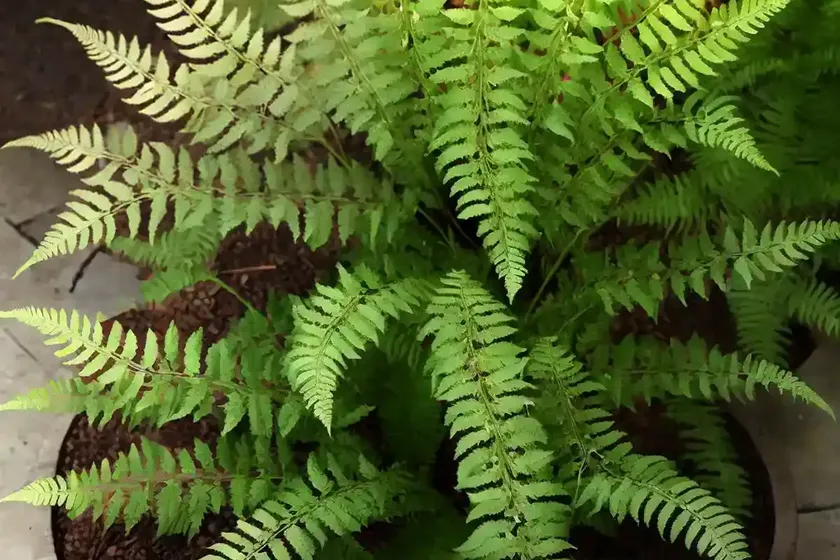
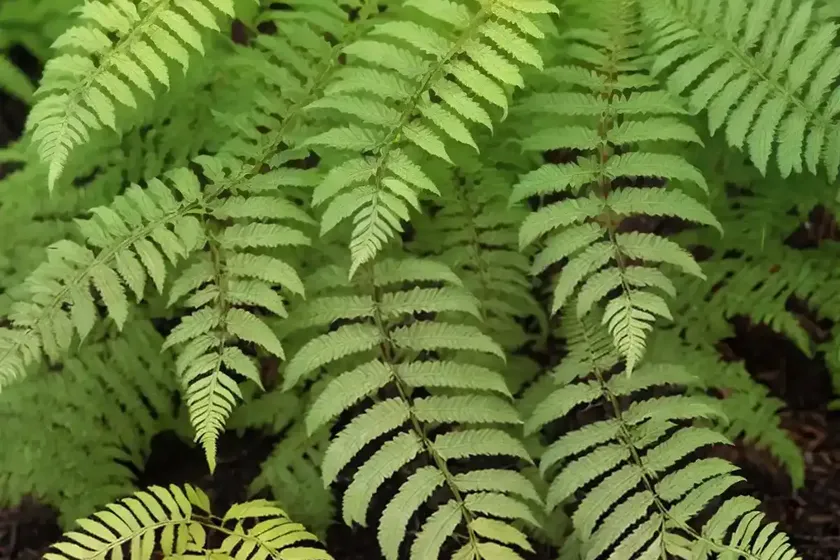
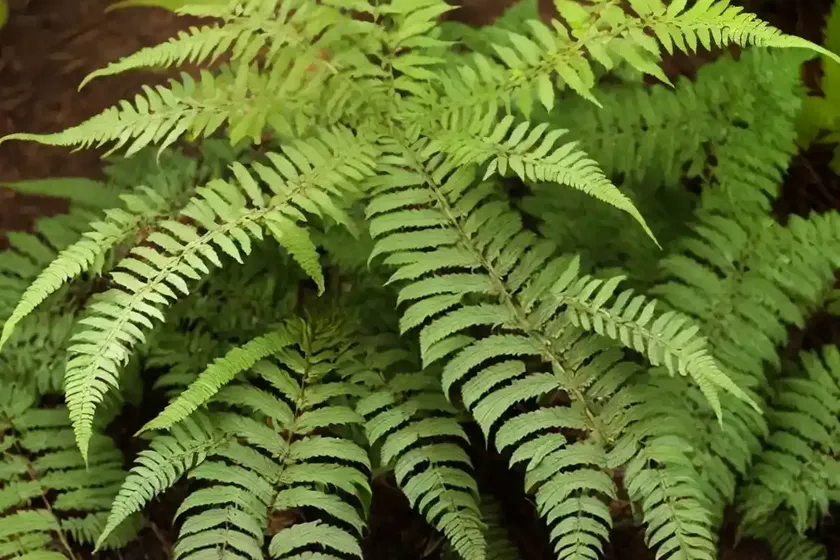
Dryopteris erythrosora, commonly known as Autumn Fern, is a popular ornamental plant cherished for its vibrant fronds and adaptability to diverse growing conditions. As a plant scientist, it’s fascinating to delve into the characteristics, cultivation, and ecological significance of Dryopteris erythrosora. In this comprehensive guide, we will explore the various aspects of Autumn Fern, including its culture, uses, water and sunlight requirements, fertilization, soil preferences, pruning, propagation, container gardening, diseases, and pests. Additionally, we will uncover some interesting fun facts, botanist’s tips, and provide links to external resources for further exploration.
What is Dryopteris erythrosora?
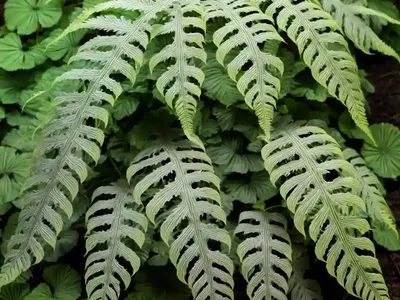
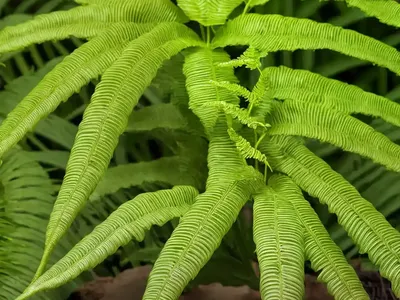
Dryopteris erythrosora, commonly known as Autumn Fern, is a perennial, semi-evergreen fern belonging to the family Dryopteridaceae. It is native to East Asia, particularly China, Japan, and Korea. This exquisite fern is characterized by its arching, lacy fronds and vibrant red-violet hues, especially during the autumn. Despite its delicate and graceful appearance, Autumn Fern is quite hardy, making it a popular choice for gardens and landscapes in various regions.
Autumn Fern is known for its adaptability to different light and soil conditions, its low-maintenance nature, and its ability to add a pop of color to shaded areas. It serves as an excellent ornamental plant, enhancing the aesthetic appeal of gardens, woodland areas, and mixed borders.
Key Takeaways – Dryopteris erythrosora (Autumn Fern)
Before delving into the specifics of Autumn Fern care and cultivation, let’s briefly outline the key takeaways associated with this fascinating plant:
- Hardy Plant: Dryopteris erythrosora is a hardy, semi-evergreen fern known for its adaptability to different growing conditions.
- Vibrant Foliage: The fronds of Autumn Fern exhibit striking red-violet hues, particularly during the autumn, adding a touch of color to shaded areas.
- Low-Maintenance: It is a low-maintenance plant, making it suitable for beginners and those seeking hassle-free ornamental plants.
- Versatile Uses: Autumn Fern is utilized for landscaping, container gardening, as a ground cover, and as an accent or border plant in gardens.
- Adaptive Nature: It can thrive in shaded and partially shaded areas, making it an excellent choice for gardens with limited direct sunlight.
Now, let’s delve deeper into the cultivation and care of Dryopteris erythrosora to explore the specific requirements and best practices for nurturing this remarkable fern.
Culture
Cultivating Dryopteris erythrosora involves understanding its specific cultural requirements to ensure optimal growth and vitality. This includes considerations such as water, sunlight, soil, fertilization, and pruning. Let’s explore each of these aspects in detail to gain a comprehensive understanding of the culture of Autumn Fern.
Water
Proper watering is crucial for the health and vigor of Dryopteris erythrosora. As a fern, it thrives in moist, well-drained soil and generally prefers consistent, moderate moisture levels. During dry periods, it is essential to ensure that the soil does not dry out completely, especially in the initial stages of growth and establishment.
Here are some guidelines for watering Autumn Fern:
- Regular Moisture: Maintain moderate moisture levels in the soil, particularly during the active growing season. Water the plant when the top inch of the soil dries out, ensuring that the roots receive adequate hydration.
- Avoid Overwatering: While Autumn Fern prefers consistent moisture, it is susceptible to root rot if subjected to waterlogged conditions. Ensure proper drainage to prevent water stagnation around the roots.
- Mulching: Applying a layer of organic mulch around the base of the plant can help retain moisture in the soil, reduce evaporation, and provide a conducive environment for root development.
By adhering to these watering guidelines, you can create an optimal moisture balance for your Autumn Fern, promoting healthy growth and resilience against dry spells.
Sunlight
Dryopteris erythrosora is renowned for its adaptability to various light conditions, although it generally thrives in partial to full shade. This makes it an excellent choice for gardens and landscapes with limited direct sunlight, especially in regions with hot summers or dense tree cover.
Here are some considerations regarding sunlight for Autumn Fern:
- Shade Tolerance: Autumn Fern exhibits excellent shade tolerance, making it well-suited for shaded garden beds, under trees, and in woodland landscapes. It can also thrive in partially shaded areas, receiving dappled sunlight throughout the day.
- Protection from Harsh Sun: While it can tolerate some morning sun or filtered sunlight, prolonged exposure to direct, intense sunlight can cause the fronds to scorch or lose their vibrant color. Therefore, it is advisable to provide protection from harsh afternoon sun, particularly in warmer climates.
By selecting suitable locations with partial to full shade and providing protection from intense sunlight, you can create favorable light conditions for your Autumn Fern, allowing it to thrive and maintain its vivid foliage.
Fertilizer
Fertilization plays a crucial role in providing essential nutrients for the growth and development of Dryopteris erythrosora. While Autumn Fern is not heavy feeder, periodic fertilization can help support its vigor and enhance the color and lushness of its fronds.
Here are some key points to consider regarding fertilization for Autumn Fern:
- Moderate Fertilization: Apply a balanced, slow-release fertilizer in the spring as new growth emerges. A general-purpose fertilizer with an N-P-K ratio of 10-10-10 or similar can provide the necessary nutrients for healthy development.
- Avoid Excessive Nitrogen: While some nitrogen is beneficial for foliage growth, excessive nitrogen can lead to soft, vulnerable fronds and reduce the plant’s resilience. Avoid high-nitrogen fertilizers and follow the recommended application rates.
- Fertilization Frequency: Apply fertilizer once or twice during the growing season, adhering to the instructions provided on the product label. Over-fertilization can lead to nutrient imbalances and may negatively impact the plant.
By providing moderate, balanced fertilization, you can support the growth and vitality of your Autumn Fern, enhancing its visual appeal and overall health.
Soil
Understanding the soil preferences of Dryopteris erythrosora is essential for creating an environment conducive to its growth and sustainability. Autumn Fern thrives in humus-rich, well-drained soil with a slightly acidic to neutral pH. It prefers soil with good moisture retention without becoming waterlogged.
Consider the following points when preparing the soil for Autumn Fern:
- Humus-Rich Soil: Incorporate organic matter such as compost, leaf mold, or well-rotted manure into the soil to enrich its organic content. This improves moisture retention, enhances soil structure, and provides essential nutrients for the plant.
- Drainage: Ensure that the soil provides adequate drainage to prevent waterlogging, which can be detrimental to the root system. Amending heavy clay soils with organic matter can improve drainage, while adding coarse sand can enhance aeration in excessively compacted soils.
- pH Levels: Aim for a slightly acidic to neutral pH range, ideally between 5.5 and 7.0, for optimal growth and nutrient uptake. Conduct soil tests to assess the pH of the planting area and make necessary amendments if the pH deviates from the preferred range.
By addressing these soil considerations and providing a suitable growing medium, you can create an ideal foundation for the health and prosperity of your Autumn Fern.
Pruning
Pruning is an essential aspect of maintaining the appearance and vigor of Dryopteris erythrosora. While this fern generally requires minimal pruning, occasional maintenance can help remove old or damaged fronds, promote new growth, and enhance the aesthetic appeal of the plant.
Consider the following guidelines for pruning Autumn Fern:
- Spring Cleaning: In early spring, remove any tattered, discolored, or damaged fronds from the previous season. Gently snip these fronds at the base near the crown of the plant using clean, sharp scissors or pruners.
- Pruning Frequency: Regularly monitor the fronds throughout the growing season, especially after winter, and remove any unsightly or unhealthy foliage. This encourages the plant to allocate its resources to new growth.
- Minimal Intervention: Avoid excessive pruning or trimming, as Autumn Fern generally requires minimal intervention to thrive. Focus on selective removal of specific fronds rather than extensive pruning, as the plant’s natural growth pattern is an integral part of its ornamental appeal.
By practicing selective and minimal pruning, you can ensure that your Autumn Fern maintains its attractive appearance while promoting healthy, robust growth.
Uses
Dryopteris erythrosora, or Autumn Fern, serves diverse purposes in landscape design, container gardening, and horticultural applications. Its adaptability, low-maintenance nature, and ornamental characteristics make it a valuable addition to various settings. Let’s explore the different uses of Autumn Fern and how it can be effectively incorporated into garden landscapes and horticultural endeavors.
Landscaping
Autumn Fern is a prized addition to garden landscapes, particularly in shaded or partially shaded areas. Its vibrant fronds, shade tolerance, and low-maintenance requirements make it an ideal candidate for enhancing the visual appeal of diverse garden settings. Some common landscaping uses of Dryopteris erythrosora include:
- Woodland Gardens: Autumn Fern thrives in woodland settings, adding a pop of color and textural interest to shaded areas beneath trees or alongside naturalistic plantings.
- Mixed Borders: Incorporate Autumn Fern into mixed borders alongside other perennials, shrubs, or ground covers to create dynamic, visually engaging plant compositions.
- Accent Plant: Use Autumn Fern as an accent plant to bring attention to specific areas within the landscape. Its vibrant foliage can serve as a focal point or a complement to other plantings.
By strategically incorporating Autumn Fern into different landscaping contexts, you can elevate the aesthetic quality of garden spaces while benefiting from its resilience and decorative attributes.
Container Gardening
The adaptability and visual allure of Dryopteris erythrosora make it well-suited for container gardening, allowing it to thrive in confined spaces such as patio gardens, balconies, and outdoor living areas. Its low-maintenance nature and vibrant foliage enhance the appeal of container arrangements. Here are some considerations for utilizing Autumn Fern in container gardening:
- Patio Planters: Plant Autumn Fern in decorative containers or patio planters to introduce a touch of greenery and color to outdoor living spaces.
- Shaded Areas: Place containers of Autumn Fern in shaded or partially shaded locations, such as under pergolas, on shaded patios, or in sheltered nooks, to benefit from its shade-tolerant nature.
- Mixed Container Arrangements: Pair Autumn Fern with other shade-loving plants and ornamental foliage to create visually striking combinations, such as with variegated ivy, coral bells, or hostas.
By leveraging the versatility of Autumn Fern in container gardening, you can introduce captivating plant displays in confined outdoor spaces, enriching the visual appeal of patio areas and creating welcoming green oases.
Ground Cover
Dryopteris erythrosora can serve as an effective ground cover in shaded or woodland gardens, forming lush carpets of foliage that add texture and vibrancy to the landscape. Its low-growing habit and resilience in shaded environments make it a valuable ground cover option. Consider the following points when using Autumn Fern as a ground cover:
- Under Trees: Plant Autumn Fern beneath deciduous or evergreen trees to create an attractive underplanting that thrives in the dappled shade and complements the tree canopy.
- Naturalistic Settings: In woodland or naturalistic garden settings, use Autumn Fern to create expansive swaths of ground cover that harmonize with the surrounding vegetation and enhance the ecological integrity of the area.
- Erosion Control: Utilize the dense, spreading growth habit of Autumn Fern to stabilize soil on slopes or inclines, mitigating erosion and providing a visual and ecological solution to land management challenges.
By harnessing the ground cover potential of Autumn Fern, you can transform shaded areas, manage soil erosion, and introduce captivating layers of foliage within the landscape.
Ornamental Accent
Beyond its functional uses, Autumn Fern is valued for its ornamental appeal, which adds aesthetic value and textural interest to garden spaces. Its distinctive foliage and adaptability to various settings position it as a valuable ornamental accent plant. Here are some considerations for using Autumn Fern as an ornamental accent:
- Texture and Contrast: The lacy fronds and vibrant red-violet hues of Autumn Fern provide textural contrast and visual interest when juxtaposed with other plants in the landscape.
- Focal Points: Use Autumn Fern strategically as a focal point within garden beds, borders, or naturalistic plantings to draw attention and create captivating plant compositions.
- Seasonal Interest: The seasonal color changes of Autumn Fern, particularly during autumn, contribute to the dynamic allure of the plant, infusing the landscape with rich, warm tones.
By leveraging the ornamental qualities of Autumn Fern, you can elevate the visual impact of garden designs, infusing them with layers of texture, color, and seasonal intrigue.
Propagation
Propagating Dryopteris erythrosora can be achieved through various methods, including spore propagation, division, and tissue culture. Each approach offers distinct advantages and requires specific considerations for successful propagation. Understanding these methods empowers gardeners and horticultural enthusiasts to expand their collection of Autumn Fern and propagate this captivating plant with confidence.
Division
Division is a common and straightforward method for propagating Dryopteris erythrosora, particularly during the spring when new growth emerges. The process involves separating mature clumps into smaller sections, each containing viable rhizomes and fronds, to establish new plants. Here’s an overview of the division process for Autumn Fern:
- Preparation: Select healthy, established clumps of Autumn Fern with multiple crowns and vigorous growth. Water the plants thoroughly a day or two before the division to ensure that they are adequately hydrated.
- Division: Using a sharp, sterilized tool, such as a garden spade, carefully divide the clump into smaller sections, ensuring that each division contains a healthy portion of rhizome and several fronds.
- Planting: Replant the divided sections at the same depth as the original plants in suitable, well-prepared soil, and water them thoroughly to encourage establishment.
Division is an effective propagation method for Autumn Fern, allowing gardeners to multiply their plant stock, rejuvenate established clumps, and create new plantings with ease.
Spore Propagation
Propagating Dryopteris erythrosora from spores provides a fascinating opportunity to engage with the intricate reproductive process of ferns. While spore propagation can be more challenging than division, it offers a rewarding experience and allows for the creation of new plants from spores collected from mature fronds. Consider the following steps for spore propagation:
- Spore Collection: Harvest mature fronds containing ripe spores, placing them in a paper bag to facilitate spore release. Once the spores have dispersed, carefully collect them from the bag and store them in a dry, well-ventilated container.
- Sowing the Spores: Sow the collected spores on a suitable growing medium, such as a mixture of peat moss and sand, in trays or pots. Keep the medium consistently moist and provide a humid environment to encourage spore germination.
- Cultivation: As the spores germinate and develop into prothalli, carefully tend to the young plants, ensuring adequate moisture, light, and ventilation. Once the young ferns reach a suitable size, they can be transplanted into individual containers or garden beds.
Spore propagation presents an engaging and educational approach to propagating Autumn Fern, offering a deeper understanding of fern reproduction and the opportunity to cultivate new plants from spore to maturity.
Tissue Culture
Tissue culture, or micropropagation, is a modern and precise method for propagating plants under controlled conditions in laboratory settings. While not commonly practiced by home gardeners, tissue culture offers a powerful means of rapidly propagating large quantities of uniform, disease-free plantlets from minute tissue samples. Here’s an overview of tissue culture for propagating Autumn Fern:
- Collection of Plant Material: Obtain a small, sterile tissue sample from a healthy, actively growing portion of Autumn Fern, such as a young frond or rhizome tip.
- Sterilization: Through a series of rigorous sterilization steps, including surface sterilization and inoculation, the tissue sample is cleansed of external contaminants and introduced to a sterile, nutrient-rich growing medium.
- Growth and Multiplication: Within a controlled environment, the tissue culture undergoes a series of growth stages, developing into young plantlets that can be subsequently acclimated to soil and transferred to larger containers or garden settings.
Tissue culture offers precise control over the propagation process, allowing for the rapid generation of uniform plantlets with desirable traits and characteristics.
By exploring these propagation methods and techniques, gardeners and plant enthusiasts can expand their collection of Autumn Fern, propagate the plant with confidence, and engage with the fascinating processes of plant reproduction.
Container Popularity
Dryopteris erythrosora, or Autumn Fern, is widely appreciated for its suitability in container gardening, making it a popular choice for outdoor enthusiasts, landscape designers, and horticulturalists. The adaptability, ornamental allure, and low-maintenance nature of this fern position it as an ideal candidate for container arrangements, allowing it to thrive in confined spaces while contributing to the visual appeal of patios, balconies, and outdoor living areas.
Container Gardening Advantages
Encompassing various benefits, Autumn Fern’s popularity in container gardening can be attributed to the following advantages:
- Space Utilization: By thriving in containers, Autumn Fern enables individuals with limited outdoor space, such as patio or balcony gardens, to introduce greenery and vibrant foliage to their surroundings.
- Aesthetic Appeal: The striking fronds and vibrant red-violet hues of Autumn Fern enhance the visual appeal of container arrangements, infusing them with texture, color, and natural elegance.
- Low-Maintenance: It is well-suited for individuals seeking low-maintenance plants for container gardening, as it can thrive with minimal intervention and care, making it accessible to gardening enthusiasts of various skill levels.
- Versatile Combinations: Autumn Fern can be paired with a diverse range of companion plants, such as flowering annuals, ornamental grasses, or trailing vines, to create captivating container arrangements that change with the seasons.
By incorporating Autumn Fern into container gardening endeavors, individuals can create captivating plant displays, introduce greenery to outdoor living spaces, and enjoy the aesthetic and practical benefits of container gardening.
Container Considerations
When cultivating Autumn Fern in containers, it is essential to consider specific factors to ensure its well-being and sustained vitality. Some key points to keep in mind for successful container gardening with Autumn Fern include:
- Container Size: Select a container with adequate space for root development, ensuring that it accommodates the mature size of the plant and provides ample room for growth.
- Drainage: Ensure that the container has sufficient drainage holes to prevent waterlogging, allowing excess moisture to escape and reducing the risk of root rot.
- Growing Medium: Use a well-draining, quality potting mix rich in organic matter and suitable for ferns. Consider adding perlite or coarse sand to improve aeration and drainage.
- Watering and Maintenance: Monitor the moisture levels in the