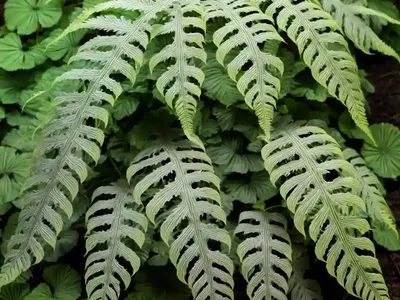
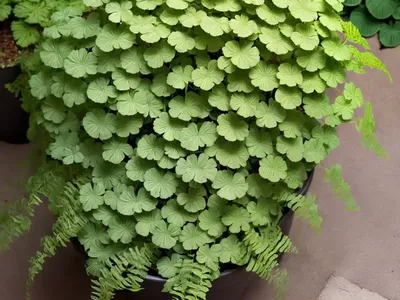
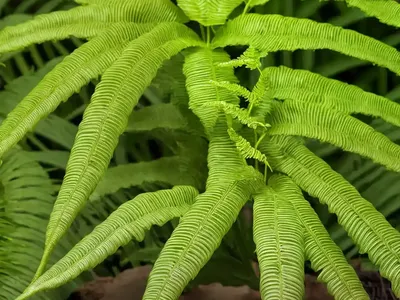
Autumn Fern (Dryopteris Erythrosora)
Autumn fern (Dryopteris erythrosora) is a visually stunning and versatile fern species that has become a popular choice among gardeners and landscaping.
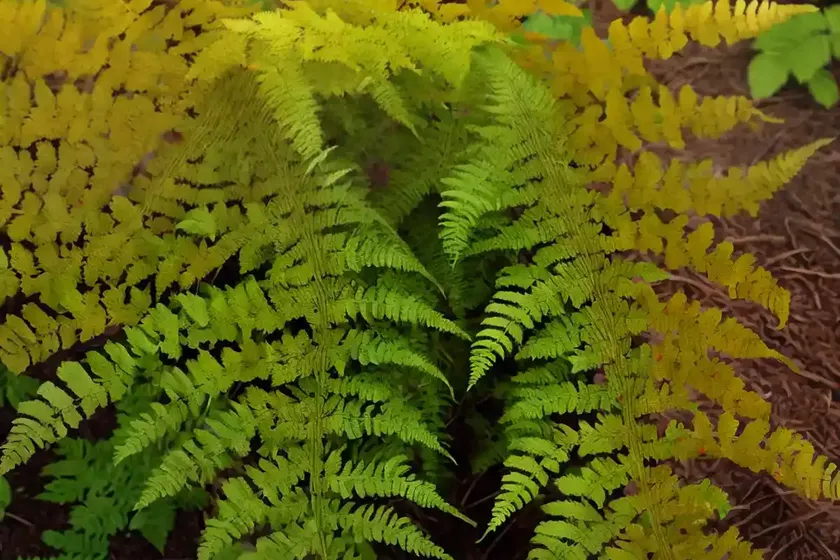
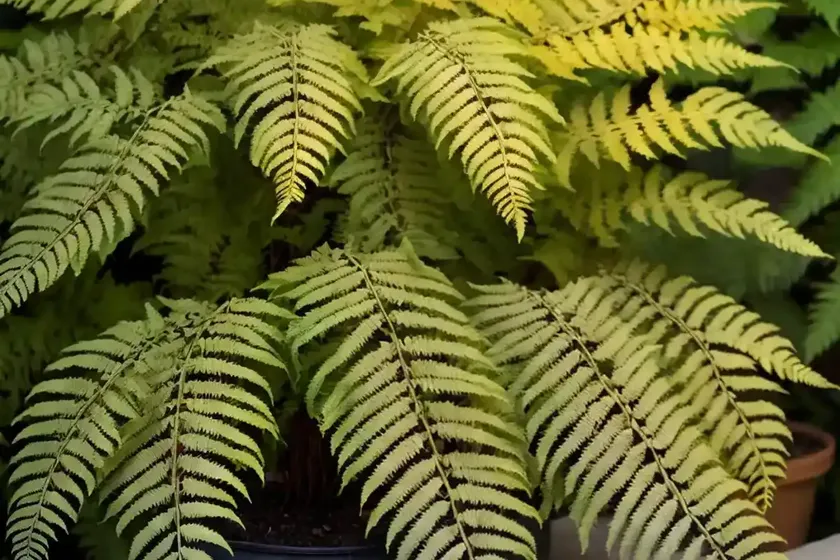
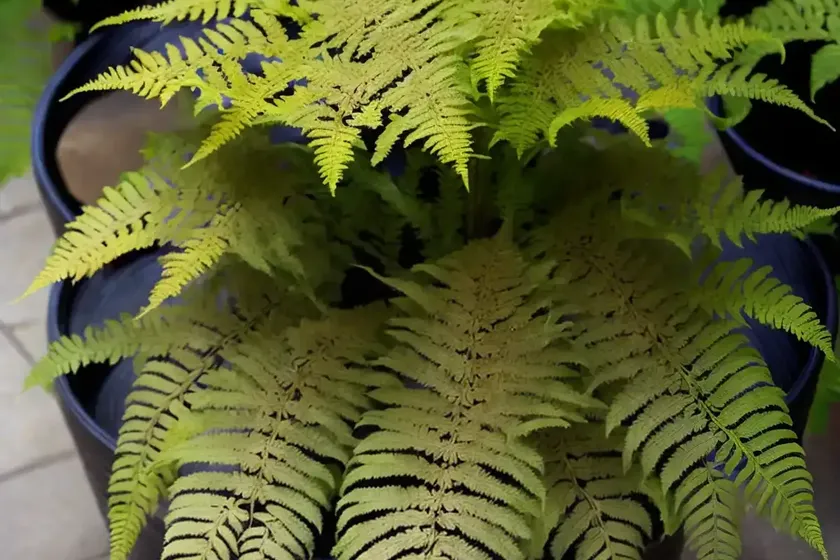
Autumn fern (Dryopteris erythrosora) is a visually stunning and versatile fern species that has become a popular choice among gardeners and landscaping enthusiasts. It is cherished for its vibrant, coppery-red new growth that emerges in the spring, transitioning into a lush, glossy green hue during the summer months, and eventually adopting a bronze tone in autumn, making it a captivating addition to any garden or indoor space.
The Autumn Fern, also known as the Japanese Shield Fern, belongs to the Dryopteridaceae family and is native to East Asia, particularly China, Japan, Korea, and Taiwan. This evergreen perennial fern is prized for its adaptable nature, lending itself well to a variety of environmental conditions and garden designs.
Key Takeaways – Autumn Fern (Dryopteris erythrosora)
Cultivation
- Scientific Name: Dryopteris erythrosora
- Common Name: Autumn fern, Japanese Shield Fern
- Plant Type: Evergreen perennial
- Growth Habit: Clumping, upright
- Mature Size: 18-24 inches in height and spread
- Foliage: Coppery-red new growth, transitioning to deep green, and then bronzy-orange
- Hardiness Zone: 5-9
Uses
- Garden Design: Borders, rock gardens, woodland gardens, slopes, Japanese gardens, underplanting, mass planting, ground cover, erosion control
- Containers: Suitable for containers, hanging baskets, and terrariums
- Indoor: Adaptable as a houseplant due to its low light tolerance
Water
- Watering Needs: Medium water requirements; keep soil consistently moist but not waterlogged
- Irrigation: Regular watering during dry spells and summer heat
Sunlight
- Light Conditions: Partial to full shade; intolerant of direct sunlight, especially during midday
- Indoor Lighting: Suitable for low light areas, making it a great indoor plant option
Fertilizer
- Feeding: Apply a balanced, slow-release fertilizer in spring
- Special Requirements: Appreciates organic matter and well-amended soil
Soil
- Soil Type: Moist, well-draining, rich organic soil
- pH Level: Slightly acidic to neutral (pH 5.5 to 7.0)
Pruning
- Maintenance: Minimal pruning; tidy up any dead or damaged fronds in late winter or early spring
- Spring Pruning: Trim back any winter-damaged fronds to encourage new growth
Propagation
- Propagation Methods: Division, spores, or tissue culture
- Timing: Best performed in spring or early summer
- Division: Divide mature clumps every 2-3 years to maintain plant health
Container Popularity
- Container Size: Suitable for medium to large containers
- Companion Plants: Ideal for mixed container arrangements with other shade-loving plants
Common Diseases
- Pests and Diseases: Generally resistant to pests and diseases; ensure proper air circulation to prevent fungal issues
- Preventive Care: Regularly inspect for signs of pest activity or disease; remove and dispose of any infected fronds promptly
Botanist’s Tips
- Maintenance: Requires minimal care once established, making it an excellent low-maintenance addition to gardens
- Landscape Appeal: Provides year-round interest with its evergreen foliage and color-changing characteristics
- Design Flexibility: Can be employed in a wide range of garden styles due to its adaptability and versatility
- Ecosystem Benefits: Attracts wildlife, such as butterflies, with its foliage and spores
Fun Facts
- Cultural Significance: Often featured in Japanese gardens due to its origin and aesthetic appeal
- Environmental Benefits: Contributes to air purification by filtering and improving indoor air quality
- Historical Uses: Ferns have been utilized for medicinal and ornamental purposes throughout history
Links to External Resources
Would you like to learn more about Autumn Ferns and their care? Check out the following resources for detailed information:
- Autumn Ferns – University of Maryland Extension
- Growing Ferns Indoors – University of Florida IFAS Extension
- Ferns for Your Garden – The Morton Arboretum
- Propagating Ferns – University of Vermont Extension
Now, let’s delve deeper into the world of Autumn Ferns and uncover the best practices for their cultivation and maintenance.
Dryopteris erythrosora, commonly known as Autumn Fern, exhibits distinct characteristics that set it apart as a prized addition to gardens and indoor spaces. To ensure optimal growth and vitality for this fern species, it is essential to understand and implement appropriate care practices tailored to its specific needs.
Autumn Fern Propagation
Propagation of Autumn Ferns can be accomplished through various methods, such as division, spores, or tissue culture. Each propagation technique offers unique benefits and considerations, contributing to the overall success of reproducing and expanding the fern population.
Division
Dividing mature Autumn Fern clumps is a reliable and straightforward method to propagate new plants. By carefully separating the root mass into smaller sections, each with healthy fronds and roots, gardeners can establish thriving fern specimens in desired locations.
When performing division, it is advisable to choose a time in spring or early summer when the plant is actively growing. This allows the divided segments to acclimate and establish themselves more effectively, maximizing their potential for robust growth.
Spore Propagation
For individuals seeking a more intricate propagation approach, spore propagation presents an intriguing option. Harvesting and cultivating spores from mature fronds enables the creation of new ferns, showcasing the fascinating lifecycle and reproductive mechanisms of these ancient plant species.
To successfully propagate Autumn Ferns through spores, attention to environmental conditions, such as humidity and warmth, is paramount. Creating a controlled environment that mimics the fern’s natural habitat facilitates optimal spore germination and early growth, paving the way for the development of new ferns.
Tissue Culture
Tissue culture, or micropropagation, offers a modern and efficient means of multiplying Autumn Ferns under controlled laboratory conditions. By utilizing small tissue samples from the fern plant, scientists can stimulate the generation of new plantlets in sterile and carefully regulated environments, resulting in a swift and consistent propagation process.
Tissue culture not only enables the rapid production of numerous fern offspring but also facilitates the preservation and propagation of specific cultivars, safeguarding their genetic integrity and unique attributes.
Best Soil for Autumn Fern
The soil composition and quality play a pivotal role in sustaining the health and vigor of Autumn Ferns, given their preference for moist, well-draining, and organically rich soil. By understanding the ideal soil conditions for these ferns, gardeners can create an environment conducive to thriving growth and stunning foliage displays.
Soil Type
Autumn Ferns thrive in moist, well-draining soils with a rich organic content, offering a balanced mixture of adequate moisture retention and effective drainage. The soil should provide a nurturing foundation for the fern’s root system while preventing waterlogged conditions that can lead to root rot and other detrimental issues.
pH Level
Maintaining an appropriate soil pH level is vital for ensuring the overall well-being of Autumn Ferns. Slightly acidic to neutral soil pH (ranging from 5.5 to 7.0) aligns with the fern’s preferences, creating an optimal growing environment that supports nutrient uptake and metabolic processes essential for robust foliage development.
Soil Amendments
Incorporating organic matter, such as compost, into the soil enhances its fertility and structure, fostering a hospitable habitat for Autumn Ferns. Organic amendments contribute to soil moisture regulation, nutrient enrichment, and beneficial microbial activity, bolstering the fern’s vitality and resilience.
Shade-Loving Fern Plants
The affinity of Autumn Ferns for shade positions them as an excellent choice for shaded areas and landscapes, where their captivating foliage and adaptability shine. Embracing shade-loving fern plants, such as the Autumn Fern, opens up opportunities for creating visually compelling and diverse garden settings that thrive in lower light conditions.
Fern Plants for Autumn Gardens
The seasonal allure of Autumn Ferns adds an extra dimension to garden landscapes, particularly in autumn-inspired settings. Their color-changing foliage and enduring evergreen nature infuse autumn gardens with vibrant hues and dynamic visual interest, complementing the natural transition and beauty of the season.
Red Fern Plant Varieties
The striking red tones exhibited by Autumn Ferns during new growth stages contribute to their status as captivating red fern plant varieties. These unique colorations enhance the plant’s ornamental appeal and make a distinctive statement in garden designs, captivating the eye and elevating the visual impact of the landscape.
Indoor Fern Plants
The versatility of Autumn Ferns extends to indoor spaces, where their ability to thrive in low light conditions positions them as attractive indoor fern plants. Incorporating these ferns into interior settings enriches the ambiance and brings a touch of natural elegance to indoor environments, harnessing their enduring beauty and adaptability.
Companion Plants for Autumn Fern
When selecting companion plants for Autumn Ferns, consider species that complement and harmonize with the fern’s characteristics, creating cohesive and visually engaging plant arrangements. Thoughtful pairings contribute to the overall aesthetic appeal and ecological balance of garden landscapes, promoting a harmonious and thriving plant community.
Fern Plants for Landscaping
Autumn Ferns offer valuable contributions to landscaping endeavors, where their adaptability, color palette, and low-maintenance nature elevate the visual and functional aspects of outdoor spaces. Integrating fern plants, including Autumn Ferns, into landscape designs enriches the environment and showcases the diversity and resilience of fern species.
Fern Plants with Colorful Foliage
The vibrant and dynamic foliage of Autumn Ferns exemplifies their status as standout fern plants with colorful foliage. Their seasonal transformations and enduring evergreen qualities elevate the visual interest of landscapes, adding dimension and striking accents to garden compositions.
Low-Maintenance Fern Plants
The low-maintenance nature of Autumn Ferns makes them an appealing choice for gardeners seeking resilient and visually captivating plant selections. Their ability to thrive with minimal intervention underscores their suitability for diverse garden styles and underscores their status as low-maintenance fern plants with enduring ornamental value.
Fern Plants for Shady Areas
Autumn Ferns excel in shady areas, where their preference for partial to full shade positions them as exemplary fern plants for shady areas. Embracing these ferns in shaded landscapes unlocks opportunities for cultivating lush and captivating environments, harnessing the distinctive charm and adaptability of shade-loving ferns.
How to Grow Autumn Ferns
Cultivating flourishing Autumn Ferns entails understanding their specific growth requirements and implementing best practices to facilitate their development. By incorporating essential care steps and fostering favorable growing conditions, gardeners can cultivate vibrant and resilient Autumn Fern specimens that thrive in various settings.
Site Selection
Selecting an ideal planting site for Autumn Ferns is crucial for promoting their well-being and longevity. Choose locations with partial to full shade and well-draining soil to create an environment that aligns with the plant’s shade-loving preferences and soil requirements.
Watering Regimen
Establishing a consistent and appropriate watering regimen is essential for sustaining the moisture levels necessary for Autumn Ferns. Strive to maintain moist soil without allowing water to stagnate, preventing drought stress or excessive saturation that can compromise the plant’s health.
Soil Preparation
Prior to planting Autumn Ferns, prepare the soil by incorporating organic matter and ensuring proper drainage to create an optimal foundation for their root system. Well-amended soil enhances nutrient availability and oxygenation, fostering robust growth and foliage development.
Fertilization
Supplementing Autumn Ferns with a balanced, slow-release fertilizer in spring supports their nutritional needs and contributes to vigorous growth. Apply the fertilizer according to the recommended guidelines, taking care not to overfeed or disturb the plant’s natural nutrient uptake processes.
Pruning Practices
Engage in periodic pruning practices to maintain the health and aesthetics of Autumn Ferns. Remove any damaged or withered fronds while encouraging new growth by trimming back winter-damaged foliage, promoting a tidy and rejuvenated appearance for the fern.
Temperature Considerations
Consider the temperature preferences of Autumn Ferns, ensuring that they are shielded from direct sunlight and excessive heat to prevent sunburn and foliage damage. By providing a cooler and shaded environment, gardeners safeguard the fern’s well-being and preserve its vibrant and resilient foliage.
Autumn Fern Varieties
Autumn Ferns present a range of varieties and cultivars, each with distinct characteristics and visual appeal. Exploring the diverse selection of Autumn Fern varieties allows gardeners to discover unique foliage patterns, growth habits, and adaptive traits that enrich garden landscapes and interior spaces.
Fern Plants for Containers
The adaptability of Autumn Ferns makes them suitable for container cultivation, offering opportunities to integrate these striking ferns into various container arrangements, including mixed plantings, hanging baskets, and terrariums. Harnessing the container potential of Autumn Ferns expands their versatility and enables their incorporation into diverse settings.
Fern Plants for Borders
Integrating Autumn Ferns into border plantings adds texture, color, and enduring interest to garden edges, enriching the visual impact and thematic cohesion of border designs. Complemented by suitable companion plants, these ferns contribute to well-defined and visually captivating border compositions throughout the seasons.
Fern Plants for Rock Gardens
The adaptability of Autumn Ferns extends to rock gardens, where their resilience, foliage dynamics, and low-maintenance nature make them valued additions to these distinct garden environments. Embracing fern plants for rock gardens, including Autumn Ferns, adds visual intrigue and textural contrast to rocky landscapes, enhancing their natural allure.
Fern Plants for Wet Areas
Crafting alluring and dynamic landscapes in wet areas entails selecting suitable plant species that thrive in these moisture-rich environments. Fostering an attractive and balanced ecosystem, fern plants for wet areas, such as Autumn Ferns, contribute to the aesthetic and functional aspects of water-adjacent landscapes.
Fern Plants for Dry Shade
Navigating the challenges of dry shady conditions calls for resilient and adaptable plant selections capable of thriving amidst these environmental constraints. Embracing fern plants for dry shade, including Autumn Ferns, enriches shaded areas with lush foliage and enduring beauty, fostering captivating and sustainable garden settings.
Fern Plants for Full Shade
Autumn Ferns flourish in full shade positions, positioning them as exemplary fern plants for full shade environments. By incorporating these shade-loving ferns into full shade settings, gardeners can cultivate lush, visually compelling landscapes that harness the innate beauty and adaptability of fern plant species.
Fern Plants with Burgundy Foliage
The distinct hue of burgundy foliage exhibited by Autumn Ferns during various growth stages accentuates their status as striking fern plants with burgundy foliage. These captivating colorations enrich garden landscapes, adding depth and visual interest to plant compositions while reflecting the transitioning tones of the plant’s foliage.
Fern Plants for Hanging Baskets
Leveraging the versatility of Autumn Ferns, gardeners can incorporate these ferns into hanging baskets, creating suspended displays that showcase the plant’s cascading fronds and enduring foliage appeal. Embracing fern plants for hanging baskets extends their ornamental impact to elevated settings, enriching the visual dynamics of indoor and outdoor spaces.
Fern Plants for Terrariums
The compact size and adaptable nature of Autumn Ferns make them well-suited for terrarium cultivation, offering an opportunity to feature these ferns as captivating and low-maintenance elements within enclosed ecosystems. Implementing fern plants for terrariums introduces a touch of natural elegance and greenery into interior settings, enhancing the ambiance and visual diversity of terrarium environments.
Fern Plants for Vertical Gardens
Expanding the horizons of vertical gardening through the inclusion of fern species, including Autumn Ferns, promotes dynamic and visually engaging plant compositions that flourish within vertical structures. Incorporating fern plants for vertical gardens adds textural intrigue and botanical charm to vertical landscapes, enhancing their ornamental and space-efficient qualities.
Autumn Fern for Ground Cover
Utilizing Autumn Ferns as ground cover plants presents an opportunity to carpet specific areas with their lush and resilient foliage, establishing visually appealing and functional ground cover displays. Integrating Autumn Ferns for ground cover promotes landscape cohesion, stability and contributes to the ongoing ornamental appeal and practical benefits of ground cover applications.
Fern Plants for Erosion Control
The propensity of Autumn Ferns to propagate and thrive in diverse environments positions them as suitable candidates for erosion control measures, contributing to stabilizing and reinforcing vulnerable areas within the landscape. Harnessing the erosion control potential of fern plants, including Autumn Ferns, offers an eco-friendly and visually appealing approach to soil conservation and management.
Fern Plants for Slopes
Sloping landscapes benefit from the inclusion of fern plants, such as Autumn Ferns, which offer erosion control capabilities, visual interest, and dynamic textural elements that enrich the landscape. Integrating fern plants for slopes contributes to the sustainable and aesthetic aspects of slope management, creating visually compelling and stable sloped environments.
Fern Plants for Woodland Gardens
Shaded environments and woodland gardens provide an ideal setting for fern species, such as Autumn Ferns, which flourish amidst the dappled light and rich organic matter characteristic of woodland settings. Incorporating fern plants for woodland gardens enhances the naturalistic and alluring qualities of these environments, showcasing the adaptive and ornamental value of fern species.
Best Fern Plants for Shade
Navigating shade gardening calls for resilient and visually compelling fern plants that thrive in lower light conditions and contribute to the allure of shaded areas. Embracing the best fern plants for shade, including Autumn Ferns, enriches shaded landscapes with enduring beauty, lush foliage displays, and exceptional adaptability.
Fern Plants for North-Facing Gardens
North-facing gardens demand plant selections capable of thriving in lower light exposure and cooler conditions, contributing to the creation of visually engaging and sustainable garden settings. Embracing fern plants for north-facing gardens, such as Autumn Ferns, enlivens these shaded environments with vibrant foliage and ornamental charm.
Fern Plants for Low Light Areas
Cultivating thriving plant displays in low light areas calls for suitable plant selections capable of adapting to the reduced light levels and contributing to the visual appeal and diversity of these environments. Incorporating fern plants for low light areas, such as Autumn Ferns, enriches interior and exterior spaces with lush greenery and enduring foliage interest.
Best Fern Plants for Humid Climates
Humid climates offer unique challenges and opportunities for plant cultivation, requiring species equipped to thrive amidst higher moisture levels and heat. Embracing the best fern plants for humid climates, including Autumn Ferns, enriches landscapes with verdant, resilient foliage displays that flourish in these distinctive environmental conditions.
Fern Plants for Drought Tolerance
Harnessing the drought tolerance of fern species, including Autumn Ferns, presents an opportunity to cultivate garden landscapes that withstand periods of reduced moisture availability. Embracing fern plants for drought tolerance contributes to sustainable and resilient plant communities, adding vitality and enduring beauty to water-conscious gardening approaches.
Fern Plants for Deer Resistance
Creating deer-resistant gardens relies on the inclusion of plant species that deter and withstand deer browse, contributing to the resilience and longevity of garden landscapes. Embracing fern plants for deer resistance, such as Autumn Ferns