Dragon Tail Plant (Epipremnum Pinnatum)
The world of plants is a diverse and fascinating one, offering an array of species that each bring something unique to our lives. Among these, the Dragon.
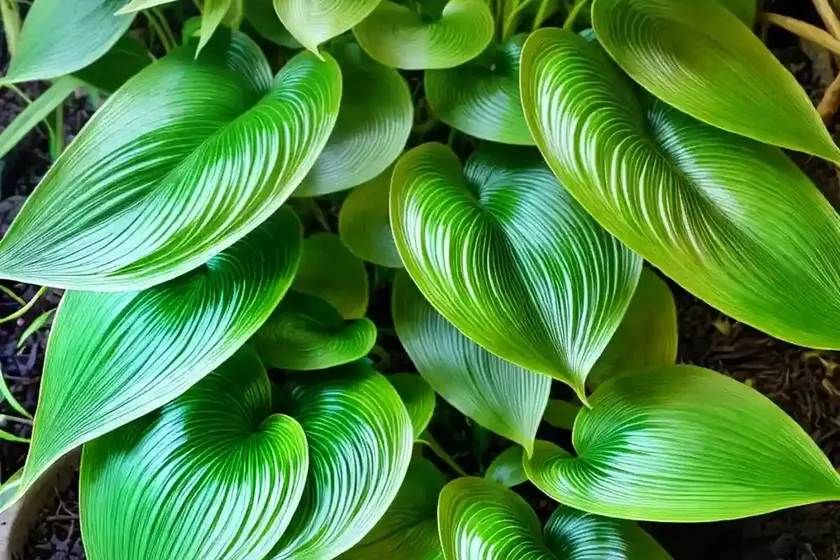
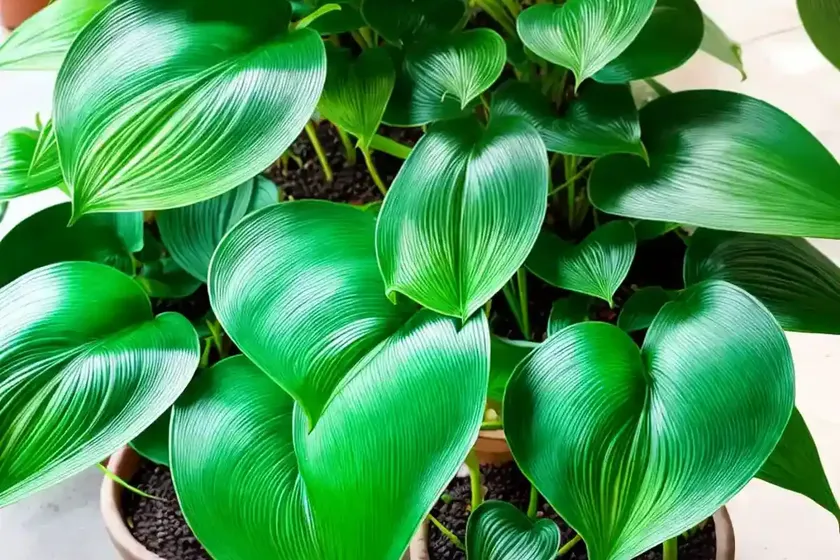
The world of plants is a diverse and fascinating one, offering an array of species that each bring something unique to our lives. Among these, the Dragon Tail Plant, scientifically known as Epipremnum pinnatum, stands out for its stunning foliage, easy care requirements, and many uses. In this comprehensive guide, we’ll explore the cultivation, characteristics, and maintenance of the Dragon Tail Plant, covering various aspects from culture and uses to its unique features and propagation methods.
What is Dragon Tail Plant (Epipremnum pinnatum)?
The Dragon Tail Plant, also known as Epipremnum pinnatum, is a popular species valued for its attractive, trailing foliage and ease of care. Hailing from the tropical regions of Asia, Australia, and the Pacific Islands, this plant belongs to the Araceae family, which includes many other well-known houseplants like philodendrons and monsteras.
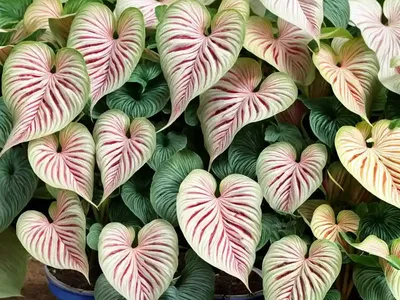
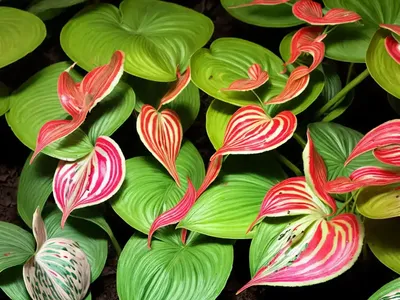
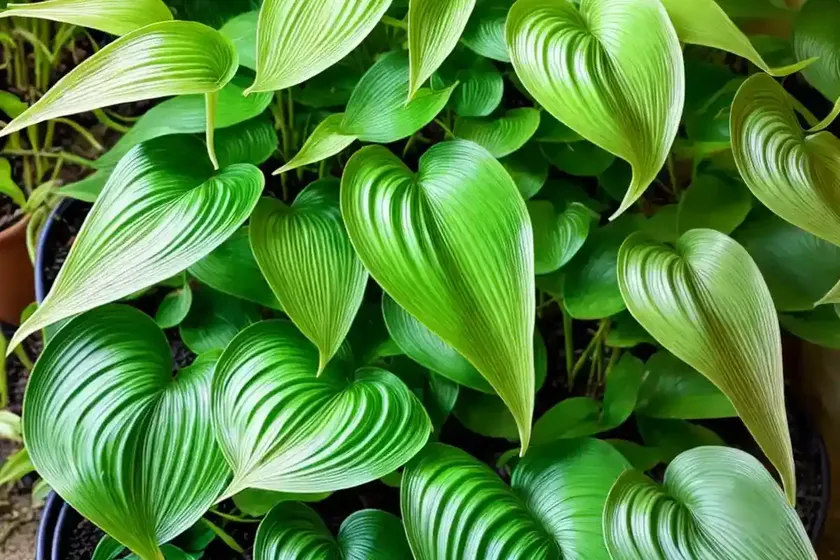
This evergreen vine features glossy, heart-shaped leaves that are variegated with shades of green, yellow, and creamy white, making it a standout addition to any indoor or outdoor space. It is a versatile plant that is well-suited for hanging baskets, containers, or even as a climbing plant with the right support.
Key Takeaways – Dragon Tail Plant (Epipremnum pinnatum)
Let’s delve into the various key aspects and considerations when it comes to the care and cultivation of the Dragon Tail Plant, from its cultural requirements to common issues and propagation methods.
Culture
- Easy to grow
- Suitable for both indoor and outdoor settings
- Adaptable to various light conditions
- Low maintenance
- Tolerant of occasional neglect
- Versatile in terms of potting and placement
Uses
- Ornamental houseplant
- Air-purifying qualities
- Suitable for hanging baskets, trailing vines, or climbers with support
Water
- Moderate watering needs
- Allow the soil to dry out slightly between waterings
- Avoid overwatering to prevent root rot
Sunlight
- Thrives in medium to bright indirect light
- Can tolerate low light conditions, although variegated varieties may require more light
Fertilizer
- Balanced liquid fertilizer during the growing season
- Diluted application to prevent overfeeding
Soil
- Well-draining potting mix
- Suitable for both organic and inorganic mediums
- Additional perlite or sand for enhanced drainage
Pruning
- Regular pruning to maintain shape and encourage bushier growth
- Remove any leggy or yellowing foliage
- Pinch back growing tips to promote branching
Propagation
- Easily propagated through stem cuttings in water or soil
- Will readily root in water before transplanting to soil
Container Popularity
- Well-suited for various container types, including hanging baskets, pots, and planters
- Thrives in small to medium-sized containers
Common Diseases
- Susceptible to root rot due to overwatering
- Pest and disease-resistant with proper care
Disease diagnosis
- Monitor for signs of yellowing or wilting foliage
- Address root health and soil moisture
Common pests
- Occasionally prone to spider mites and mealybugs
- Regular inspection and treatment with neem oil or insecticidal soap
Botanist’s tips
- Prune regularly to maintain a tidy appearance
- Rotate the plant periodically to ensure balanced growth
- Keep an eye out for signs of pests and disease
Fun facts
- Also known as Ceylon Creeper or Pothos
- Believed to bring good luck and prosperity
- Excellent air-purifying qualities
Links to External Resources
- American Society for the Prevention of Cruelty to Animals – Toxicity information
- University of Florida IFAS Extension – Epipremnum pinnatum care guidelines
- The Royal Horticultural Society – Dragon Tail Plant care and propagation
With the key takeaways laid out, let’s delve deeper into each aspect of the Dragon Tail Plant’s care and characteristics to provide a comprehensive understanding of this captivating plant.
Epipremnum pinnatum care
Water Needs
Proper watering is essential for the overall health and vitality of the Dragon Tail Plant. While it is relatively tolerant of occasional lapses in watering, it is important to maintain an appropriate moisture balance to prevent both underwatering and overwatering. Here are some key points to consider:
-
Moderate watering: The Dragon Tail Plant prefers moderately moist soil. Water the plant when the top inch of the soil feels dry to the touch, typically every 7-10 days, but frequency may vary based on environmental conditions.
-
Well-draining soil: Ensure that the potting mix is well-draining to prevent waterlogged conditions, which can lead to root rot and other issues.
-
Avoid overwatering: Allow the soil to dry out slightly between waterings to prevent waterlogged conditions, which are detrimental to the plant’s health.
Sunlight Requirements
Proper exposure to sunlight is crucial for the Dragon Tail Plant’s growth and foliage development. While it is adaptable to various light conditions, providing the right amount of light enhances its overall appearance and vitality. Consider the following points:
-
Indirect light: Thrives in medium to bright indirect light. Avoid placing the plant in direct sunlight, as it can lead to sunburn and excessive drying of the foliage.
-
Tolerant of low light: While it prefers brighter conditions, the Dragon Tail Plant can tolerate lower light settings. However, variegated varieties may require more light for optimal foliage coloration.
-
Avoid drastic light changes: Sudden shifts from low light to bright direct light can shock the plant. Gradually acclimate the plant to new light conditions to prevent stress.
Soil Requirements
The right soil composition is essential for the Dragon Tail Plant’s overall health and growth. Well-draining and nutrient-rich soil promotes healthy root development and reduces the risk of waterlogging. Consider the following soil-related aspects:
-
Well-draining potting mix: Choose a well-draining potting mix that allows excess water to flow through easily, preventing waterlogged conditions.
-
Organic and inorganic mediums: The use of organic materials like peat moss and compost, along with inorganic components such as perlite or sand, creates an ideal balance of moisture retention and drainage.
-
Supplement with perlite or sand: If the potting mix is excessively moisture-retentive, incorporate perlite or coarse sand to improve drainage and aeration.
Fertilizer Needs
Proper fertilization plays a key role in supporting the Dragon Tail Plant’s growth and foliage development. While it is not a heavy feeder, regular fertilization during the growing season ensures sufficient nutrients for healthy and vibrant growth. Consider the following points:
-
Balanced liquid fertilizer: Use a balanced liquid fertilizer with equal NPK (nitrogen, phosphorus, and potassium) ratios to support overall growth and foliage development.
-
Diluted applications: Dilute the fertilizer to half or quarter strength to prevent overfeeding, which can lead to salt accumulation in the soil and potential root damage.
-
Frequency of fertilization: Apply fertilizer every 4-6 weeks during the growing season, typically from spring to early fall, and reduce or cease fertilization during the winter months when growth slows down.
Pruning Techniques
Proper pruning is essential for maintaining the Dragon Tail Plant’s shape, promoting bushier growth, and removing any leggy or damaged foliage. Regular trimming also helps manage the plant’s size and appearance. Consider the following pruning techniques:
-
Regular maintenance: Prune the plant regularly to remove any yellowing, leggy, or damaged foliage. This encourages healthier, more vibrant growth.
-
Promote branching: Encourage bushier growth by pinching back the growing tips of the plant, which stimulates the development of new branches and foliage.
-
Pruning for aesthetics: Shape the plant according to your preferences, such as controlling its length and promoting a fuller, more compact appearance.
Propagation Methods
The Dragon Tail Plant is easily propagated through stem cuttings, which root readily in water before being transplanted to soil. Understanding the propagation process allows for the expansion of your plant collection or the sharing of new plants with friends and fellow plant enthusiasts:
-
Stem cutting propagation: Select a healthy stem cutting from the parent plant that includes several nodes. Place the cutting in a container of water, ensuring that at least two nodes are submerged. After the roots have developed, transplant the cutting into a well-draining potting mix to establish a new plant.
-
Rooting in water: Place the stem cutting in a container of water, ensuring that at least two nodes are submerged. Change the water every few days to prevent stagnation and root rot. Once the cutting has developed robust roots, transplant it into a suitable potting mix.
By understanding and implementing these care guidelines, you can ensure the optimal health and growth of your Dragon Tail Plant, fostering lush foliage and a visually appealing appearance.
Dragon Tail Plant propagation
Propagation allows for the expansion of your Dragon Tail Plant collection or the sharing of new plants with others. Understanding the various methods of propagation and the best practices for each approach is essential for successful plant propagation. Here, we explore the propagation methods and techniques that are well-suited to the Dragon Tail Plant:
Stem Cutting Propagation
Stem cutting propagation is one of the most common and reliable methods for propagating the Dragon Tail Plant. It allows for the creation of new plants from established specimens, whether for personal enjoyment or to share with friends and fellow plant enthusiasts. Follow these steps for successful stem cutting propagation:
-
Selecting a healthy stem cutting: Choose a healthy stem cutting from the parent plant, ensuring that it includes several nodes (the points where leaves, aerial roots, or branches emerge). The cutting should be approximately 4-6 inches in length.
-
Preparing the cutting: Use a clean, sharp pair of scissors or pruning shears to make a clean cut just below a node. Remove any leaves from the lower portion of the cutting to expose the nodes.
-
Rooting in water: Place the prepared cutting in a container of room-temperature water, ensuring that at least two nodes are submerged. Change the water every few days to prevent stagnation and the development of algae or bacteria.
-
Monitoring root development: Over the course of several weeks, monitor the cutting for the development of roots. The cutting will start to produce root growth from the submerged nodes, indicating successful propagation.
-
Transplanting into soil: Once the cutting has developed robust roots, carefully transplant it into a suitable potting mix. Ensure that the soil is well-draining and provides a conducive environment for continued root development and plant growth.
By following these steps, you can successfully propagate your Dragon Tail Plant through stem cuttings, creating new plants to enhance your indoor or outdoor living spaces.
Air Layering
Air layering is another propagation method that can be used to propagate the Dragon Tail Plant and other species. This technique involves encouraging roots to develop on a portion of the stem while it is still attached to the parent plant. Follow these steps for successful air layering propagation:
-
Selecting a suitable stem section: Choose a healthy and robust section of the stem on the parent plant. Make a downward slanted cut through the stem, being careful not to sever it completely. The cut should extend approximately halfway through the stem.
-
Prepping the area for rooting: Apply a small amount of rooting hormone to the exposed portion of the stem to encourage root development. This step is optional but can help expedite the rooting process.
-
Enclosing the rooting area: Surround the exposed portion of the stem with a ball of moist sphagnum moss. Secure the moss in place using plastic wrap or a similarly secure material. This enclosure creates a humid environment that promotes root development.
-
Monitoring root growth: Over the course of several weeks, monitor the rooting area for the development of roots within the moss. Once roots have formed and are sufficiently robust, carefully detach the rooted section from the parent plant and transplant it into a suitable potting mix.
By mastering the art of plant propagation, whether through stem cuttings, air layering, or other methods, you can expand your collection of Dragon Tail Plants and share the joy of plant parenting with others.
Indoor Dragon Tail Plant
The Dragon Tail Plant is a popular choice for indoor cultivation due to its attractive foliage, ease of care, and air-purifying qualities. When growing this species indoors, certain considerations related to temperature, humidity, and potting are essential for ensuring its health and vitality. Let’s explore the specific care guidelines for cultivating the Dragon Tail Plant as an indoor houseplant:
Temperature Tolerance
Maintaining suitable temperatures is vital for the health and well-being of indoor Dragon Tail Plants. This species thrives in warm, consistent temperatures and can be sensitive to cold drafts and fluctuations. Consider the following temperature-related tips for optimal plant care:
-
Optimal temperature range: The Dragon Tail Plant favors temperatures between 65-85°F (18-29°C) during the daytime. Avoid exposing the plant to temperatures below 50°F (10°C), as this can lead to stress and potential damage.
-
Avoid drafts and temperature extremes: Position the plant away from drafts, air conditioning units, and heating vents to prevent sudden temperature shifts. Ensure a stable, moderate temperature environment for consistent growth.
-
Winter considerations: During the winter months, take care to protect the plant from cold drafts and low temperatures, ensuring continued growth and vitality.
Humidity Requirements
The Dragon Tail Plant benefits from moderate to high humidity levels, which mimic its natural tropical habitat. While it can adapt to average indoor humidity, providing additional moisture can enhance its overall health and appearance. Consider the following tips for managing humidity for your indoor Dragon Tail Plant:
-
Natural humidity sources: Grouping plants together, using a humidifier, or placing a tray of water and pebbles near the plant can elevate humidity levels in its immediate environment.
-
Misting: Regularly mist the plant’s foliage with room-temperature water to provide a brief boost of humidity. This practice can be particularly beneficial during drier periods.
-
Avoid extremes: While the plant appreciates additional humidity, it is essential to strike a balance and prevent excessively damp conditions, which can lead to fungal issues and pest infestations.
Potting and Placement
Selecting the right pot and placement for your indoor Dragon Tail Plant contributes to its overall health, growth, and aesthetic appeal. Consider the following guidelines for potting and positioning your plant for optimal results:
-
Well-draining potting mix: Choose a well-draining potting mix that provides a stable foundation for the plant’s root system. Incorporate perlite, sand, or orchid bark to improve aeration and drainage.
-
Adequate drainage: Ensure that the chosen pot has drainage holes to prevent water from accumulating at the bottom, reducing the risk of root rot and waterlogged conditions.
-
Suitable pot size: Select a pot that allows for moderate growth while preventing excessively large containers, which can lead to moisture retention and potential root issues.
-
Indirect light requirements: Position the plant in a location that receives medium to bright indirect light, protecting it from direct sunlight to prevent leaf burn and excessive drying.
By creating an indoor environment that mimics the plant’s natural tropical habitat through proper temperature, humidity, and potting management, you can ensure the optimal growth and vibrancy of your indoor Dragon Tail Plant.
Epipremnum pinnatum varieties
The Dragon Tail Plant, scientifically known as Epipremnum pinnatum, encompasses a range of captivating varieties known for their unique foliage patterns, colors, and growth habits. These variations make the species a popular choice for plant enthusiasts seeking diversity and visual interest in their indoor or outdoor plant collections. Let’s explore some notable Epipremnum pinnatum varieties, each bringing its own charm and appeal:
Epipremnum pinnatum ‘Cebu Blue’
The ‘Cebu Blue’ variety of Epipremnum pinnatum is revered for its striking, elongated blue-green leaves that develop a unique silvery sheen as they mature. This variety is known for its vigorous growth and the ability to produce long, trailing vines, making it an ideal choice for hanging baskets or indoor climbers with the right support.
Epipremnum pinnatum ‘Neon’
As the name suggests, the ‘Neon’ variety of Epipremnum pinnatum is prized for its vibrant, neon-green foliage that adds a bold pop of color to any indoor space. The leaves feature prominent variegation and tend to be more compact and upright, making this variety a standout addition to plant collections and interior settings.
Epipremnum pinnatum ‘Marble Queen’
The ‘Marble Queen’ variety of Epipremnum pinnatum is distinguished by its luscious, marble-patterned leaves, showcasing a blend of creamy white and various shades of green. This variegated variety is highly sought after for its decorative appeal and ability to thrive as a trailing vine in hanging baskets or as a potted plant.
Epipremnum pinnatum ‘Golden Pothos’
Also referred to as the ‘Devil’s Ivy,’ the ‘Golden Pothos’ variety of Epipremnum pinnatum boasts rich, golden-yellow foliage with pronounced variegation, making it a classic choice for both new and experienced plant enthusiasts. Its unmatched versatility and resilience make it a popular option for various indoor settings, from bright, indirect light to lower light conditions.
Epipremnum pinnatum ‘Manjula’
The ‘Manjula’ variety of Epipremnum pinnatum stands out for its elegant, elongated leaves adorned with creamy white and silvery gray variegation, creating a visually striking appeal. With its graceful trailing habit, the ‘Manjula’ variety is prized for its suitability in hanging baskets or as a cascading plant on shelves and ledges.
By exploring the diverse range of Epipremnum pinnatum varieties, you can discover unique foliage patterns and colors that add a touch of elegance and charm to your indoor and outdoor plant displays. Each variety brings its own distinct characteristics, complementing different design preferences and personal tastes.
Dragon Tail Plant pruning
Pruning is a fundamental aspect of caring for the Dragon Tail Plant, allowing you to maintain its shape, promote bushier growth, and remove any leggy or damaged foliage. By implementing proper pruning techniques, you can enhance the overall appearance and health of your Dragon Tail Plant, ensuring robust growth and vibrant foliage. Let’s explore the essential pruning guidelines and techniques for this captivating plant:
Regular Maintenance Pruning
Regular maintenance pruning is essential for managing the size and appearance of the Dragon Tail Plant, ensuring a tidy and well-shaped growth habit. Follow these steps for effective regular maintenance pruning:
-
Inspect the plant: Periodically inspect the plant for any leggy, yellowing, or damaged foliage that detracts from its overall appearance.
-
Remove unhealthy foliage: Use clean, sharp pruning shears to carefully remove any unhealthy or discolored leaves. Make clean cuts close to the base of the stem to promote new growth.
-
Promote balanced growth: Through targeted pruning, encourage balanced growth and maintain a