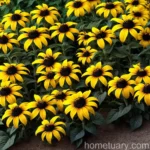
Dracopis amplexicaulis (Clasping Coneflower) Plant Care Guide
Introduction to Dracopis amplexicaulis
Dracopis amplexicaulis, commonly known as Clasping Coneflower, is a delightful perennial plant renowned for its stunning flowers and ease of cultivation. This native North American wildflower belongs to the Asteraceae family and is a great addition to any garden or landscape. Its vibrant blossoms not only enhance the aesthetic appeal of the surroundings but also attract pollinators, making it an ecologically valuable species.
In this comprehensive plant care guide, we will delve into the various aspects of cultivating and caring for Dracopis amplexicaulis. From its cultural requirements and propagation techniques to its medicinal uses and landscaping potential, we will cover a wide array of topics to provide you with all the information needed to successfully grow and appreciate this splendid plant.
Key Takeaways – Dracopis amplexicaulis (Clasping Coneflower)
Before we dive into the details of Dracopis amplexicaulis care and cultivation, let’s highlight some key takeaways about this exquisite plant:
- Plant Name: Dracopis amplexicaulis (Clasping Coneflower)
- Family: Asteraceae
- Native Habitat: North America
- Flowering Period: Late spring to early summer
- Water Requirements: Moderate
- Sunlight Needs: Full sun to partial shade
- Soil Preferences: Well-draining, loamy soil
- Growth Habit: Upright, clump-forming
- Hardiness Zones: 4-9
- Wildlife Attraction: Pollinators such as butterflies and bees
- Special Features: Medicinal uses, deer-resistant, and drought-tolerant
- Maintenance: Low to moderate
Now that we have outlined the key characteristics of Dracopis amplexicaulis, let’s explore the various aspects of caring for this captivating plant.
Culture
Water
Dracopis amplexicaulis exhibits moderate water requirements. While it can tolerate periods of drought once established, it thrives with regular and even moisture, especially during the growing season and flowering period. When watering, ensure that the soil is well-draining to prevent waterlogging, which can lead to root rot and other issues.
Watering Tips:
- Water the plant deeply but infrequently, allowing the soil to partially dry out between watering sessions.
- A layer of organic mulch around the base of the plant can help conserve soil moisture and reduce the frequency of watering.
- In hot and dry climates, monitor the moisture levels closely and adjust the watering schedule accordingly to prevent excessive stress on the plant.
Sunlight
Clasping Coneflower prefers full sun to partial shade for optimal growth and profuse flowering. It thrives in locations with at least 6 hours of direct sunlight per day. Adequate sunlight not only promotes vigorous growth but also enhances the development of vivid flower colors, making it a striking addition to sun-drenched garden beds and borders.
Sunlight Guidelines:
- Plant Dracopis amplexicaulis in a location that receives ample sunlight, preferably in the morning and early afternoon.
- In regions with intense afternoon heat, partial shade during the hottest part of the day can benefit the plant, preventing sunscald and heat stress.
Fertilizer
Dracopis amplexicaulis generally thrives in moderately fertile soil and may not require regular fertilization if grown in nutrient-rich conditions. However, in less fertile soils or when grown in containers, supplemental feeding can enhance the plant’s growth and flowering performance.
Fertilization Recommendations:
- Use a balanced, slow-release fertilizer during the early spring to provide essential nutrients for the growing season.
- Avoid excessive nitrogen fertilization, as it may promote lush foliage at the expense of flower production.
- Organic fertilizers, such as compost or well-rotted manure, can be incorporated into the soil to improve its fertility and structure.
Soil
The ideal soil for Dracopis amplexicaulis is well-draining and loamy, with a slightly acidic to neutral pH range. It thrives in soils that are rich in organic matter and offer good aeration, which supports healthy root development and overall plant vigor. Amending the soil with compost or organic matter can help improve its quality and create an optimal growing environment for the plant.
Soil Preparation Tips:
- Prior to planting, cultivate the soil to break up any compacted areas and incorporate organic amendments to enrich the soil.
- Avoid waterlogged or excessively compacted soils, as they can lead to root suffocation and poor growth.
- Perform a soil test to assess the pH and nutrient levels, making amendments as necessary to create an ideal growing medium for Dracopis amplexicaulis.
Pruning
Proper pruning of Dracopis amplexicaulis is essential to maintain its shape, encourage healthy growth, and prolong the flowering period. While this plant generally requires minimal pruning, the following guidelines can help you effectively manage its growth and appearance.
Pruning Techniques:
- Deadhead spent flowers regularly to promote continuous blooming and prevent the plant from expending energy on seed production.
- Remove any dead or diseased foliage to maintain plant health and reduce the risk of spread of diseases.
- In late winter or early spring, cut back the stems to ground level to rejuvenate the plant and stimulate vigorous regrowth.
Propagation
Dracopis amplexicaulis can be propagated through various methods, including division, seed sowing, and stem cuttings. Each propagation technique offers its own advantages and challenges, allowing you to choose the method that best suits your preferences and resources.
Propagation Methods:
- Division: Divide mature clumps of the plant in early spring or fall, ensuring that each division has a healthy portion of roots and shoots. Replant the divisions in prepared soil and provide adequate moisture until they become established.
- Seed Sowing: Collect ripe seeds from the plant and sow them in a well-prepared seedbed or containers. Keep the soil consistently moist until the seedlings emerge, and then gradually acclimate them to the outdoor environment.
- Stem Cuttings: Take 4-6 inch stem cuttings from the plant during the active growing season. Remove the lower leaves, dip the cut ends in a rooting hormone, and place the cuttings in a potting medium. Keep the cuttings moist and provide indirect light until roots develop.
Container Gardening
Dracopis amplexicaulis can thrive in containers, making it a versatile choice for small gardens, patios, and balconies. When growing this plant in containers, it’s essential to provide the appropriate growing conditions and ensure that the containers offer sufficient space for root development.
Container Guidelines:
- Select a spacious and sturdy container with drainage holes to allow excess water to escape and prevent waterlogging.
- Use a well-draining potting mix that provides good aeration and water retention while supporting the plant’s growth.
- Regularly monitor the moisture levels in the container, as soil in containers tends to dry out more quickly than garden soil.
- Place the container in a location that receives adequate sunlight, ensuring that the plant has access to the required light for healthy growth and flowering.
Popularity
Dracopis amplexicaulis has gained popularity among gardeners and landscaping enthusiasts due to its captivating flowers, low maintenance requirements, and ecological value. The plant’s ability to attract pollinators, its adaptability to various growing conditions, and its ornamental appeal have contributed to its increasing popularity in gardens, natural landscapes, and public green spaces.
Common Diseases
While Dracopis amplexicaulis is relatively resistant to diseases, it may occasionally encounter certain health issues that can impact its growth and appearance. Recognizing the common diseases that affect this plant and understanding their symptoms is essential for implementing timely and effective control measures.
Disease Diagnosis:
Powdery Mildew
- Symptoms: White powdery spots on the leaves, usually appearing during humid or rainy periods.
- Control: Improve air circulation around the plant, avoid overhead watering, and apply fungicidal sprays if the infection is severe.
Leaf Spot
- Symptoms: Dark brown or black spots on the leaves, often surrounded by a yellow halo.
- Control: Remove and destroy infected plant material, avoid overhead watering, and apply copper-based fungicides as a preventive measure.
Root Rot
- Symptoms: Wilting, yellowing, and stunted growth, often accompanied by a foul odor and dark, mushy roots.
- Control: Improve soil drainage, avoid overwatering, and treat the plant with appropriate fungicidal drenches if root rot is diagnosed.
Common Pests
While Dracopis amplexicaulis is generally not prone to severe pest infestations, some common garden pests may occasionally affect its health and vigor. Understanding the pests that may target this plant and identifying their presence early on can help prevent significant damage and maintain the plant’s overall well-being.
Pest Management:
Aphids
- Identification: Small, soft-bodied insects clustered on new growth, often causing distorted leaves and sticky honeydew.
- Control: Rinse the plant with a strong jet of water to dislodge aphids, apply insecticidal soaps, or introduce natural predators such as ladybugs for biological control.
Slugs and Snails
- Identification: Slimy trails, irregular holes in leaves, and damage to tender shoots and flowers.
- Control: Implement cultural control measures, such as handpicking and maintaining a dry and clean garden environment. Apply physical barriers or organic baits to deter slugs and snails from feeding on the plant.
Botanist’s Tips
Here are some expert tips and recommendations for cultivating and caring for Dracopis amplexicaulis based on the plant’s characteristics and growing requirements:
- When selecting a planting site for Dracopis amplexicaulis, consider its natural habitat, which typically includes open woodlands, meadows, and prairies. Mimicking these conditions in the garden can promote successful growth and flowering.
- Incorporate Dracopis amplexicaulis into wildlife-friendly garden designs to attract butterflies, bees, and other beneficial insects. Pairing it with other native plants can create a harmonious and ecologically valuable garden ecosystem.
- Experiment with different Clasping Coneflower varieties to introduce a diverse range of flower colors, heights, and bloom times into the garden, adding visual interest and extending the flowering season.
Fun Facts
To further appreciate the unique attributes of Dracopis amplexicaulis, here are some intriguing and fun facts about this captivating plant:
- The genus name “Dracopis” is derived from the Greek words “drakon” and “opsis,” which collectively mean “dragon-like appearance,” alluding to the unique flower shapes and colors of the plant.
- Clasping Coneflower is a preferred nectar source for many pollinators, including butterflies and hummingbirds, making it a valuable addition to wildlife and pollinator gardens.
- Historic medicinal uses of Dracopis amplexicaulis encompass treatments for various ailments, including fever, sore throat, and respiratory conditions, among others.
Links to External Resources
Explore additional resources and information about Dracopis amplexicaulis to deepen your understanding of this remarkable plant and its cultivation:
- 1. Native Plant Database – Lady Bird Johnson Wildflower Center
- 2. USDA Plants Database – Dracopis amplexicaulis
- 3. Perennial Resource – Clasping Coneflower
- 4. Missouri Botanical Garden – Dracopis amplexicaulis
In conclusion, Dracopis amplexicaulis, or Clasping Coneflower, is a remarkable plant that combines ornamental beauty with ecological value, making it an ideal choice for a wide range of garden settings. By following the guidelines and recommendations in this comprehensive plant care guide, you can cultivate and enjoy the vibrant blooms and myriad benefits of this captivating wildflower.
Remember to engage with local gardening communities and botanical experts to gain region-specific insights and share your experiences in growing and appreciating Dracopis amplexicaulis. Happy gardening!