Nipponanthemum nipponicum (Nippon Daisy): A Comprehensive Plant Care Guide
Plants play a vital role in our world, contributing to the balance and beauty of our ecosystems as well as enriching our lives with their aesthetic and functional value. In this extensive plant care guide, we will explore the many facets of Nipponanthemum nipponicum, commonly known as Nippon Daisy. From its cultural significance to its growth preferences, uses, and potential challenges, this guide aims to provide readers with a comprehensive understanding of this remarkable plant.
What is Nipponanthemum nipponicum (Nippon Daisy)?
Nipponanthemum nipponicum, a member of the Asteraceae family, is a perennial plant native to Japan. It is commonly referred to as Nippon Daisy owing to its daisy-like flowers and its origin. This plant is valued for its ornamental qualities and is often found in gardens, landscapes, and floral arrangements due to its delicate floral displays. In the following sections, we will delve into the details of this plant, exploring its culture, uses, care requirements, and much more.
Key Takeaways – Nipponanthemum nipponicum (Nippon Daisy)
Before we dive into the specifics of Nipponanthemum nipponicum care, let’s highlight some key takeaways that will be discussed in greater detail throughout this guide.
- Cultural Significance: Understanding the cultural and historical importance of Nippon Daisy.
- Uses: Exploring the various applications of Nippon Daisy in different settings.
- Watering: Unveiling the watering needs and requirements of this plant.
- Sunlight: Understanding the preferences for sunlight exposure.
- Fertilizer: Exploring the appropriate fertilizer regimen for Nippon Daisy.
- Soil: Discussing the soil preferences and ideal conditions for the plant’s growth.
- Pruning: Learning about the pruning techniques for Nippon Daisy.
- Propagation: Understanding the methods of propagation for this plant.
- Container Gardening: Exploring the potential for growing Nippon Daisy in containers.
- Common Diseases and Pests: Identifying potential challenges and their diagnosis.
- Botanist’s Tips: Gaining insights and expert tips for successfully caring for Nippon Daisy.
- Fun Facts: Discovering interesting and lesser-known facts about this plant.
- External Resources: Providing links to additional sources for further exploration.
With these key takeaways in mind, let’s delve deeper into the world of Nipponanthemum nipponicum, exploring its characteristics, care requirements, and the fascinating aspects of this beautiful plant.
Culture
Cultural and Historical Significance
The Nippon Daisy, native to Japan, holds cultural and historical significance in its place of origin. In Japanese culture, the daisy has been associated with simplicity, purity, and emotional clarity. Its delicate petals and bright, cheerful appearance have made it a popular subject in traditional art and haiku poetry, reflecting its enduring presence in Japanese aesthetics.
Symbolism
In addition to its aesthetic appeal, the daisy has also been emblematic of diverse symbolism. It has been associated with themes of innocence, new beginnings, and the purity of nature. Its resilience as a perennial plant has also contributed to its representation of enduring love and loyalty. As we care for Nipponanthemum nipponicum, understanding its cultural resonance can deepen our appreciation for this exquisite plant.
Uses
Ornamental Value
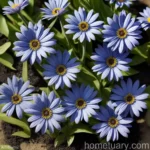
The primary use of Nipponanthemum nipponicum is ornamental, with its charming daisy-like blooms enhancing landscapes, gardens, and floral arrangements. Its bright, white petals and striking yellow centers create a captivating display, especially when incorporated into mixed flower beds or as a focal point in garden designs. As a cut flower, Nippon Daisy can also be a delightful addition to floral bouquets and arrangements, adding a touch of elegance and purity to the ensemble.
Wildlife Attraction
Apart from its visual allure, Nippon Daisy serves as a valuable source of nectar and pollen for pollinators, including bees and butterflies, supporting biodiversity and ecological balance. By attracting these beneficial insects, Nippon Daisy contributes to the health and vibrancy of garden ecosystems, aligning with the principles of sustainable and pollinator-friendly gardening.
Medicinal and Herbal Uses
In traditional herbal medicine, certain parts of the Nippon Daisy plant have been utilized for their potential therapeutic properties. While further research is needed to substantiate these claims, the presence of bioactive compounds in the plant has spurred interest in exploring its potential medicinal applications.
Water
Watering Needs
Nipponanthemum nipponicum typically thrives in well-drained soil and benefits from consistent moisture, especially during periods of active growth and flowering. However, it is crucial to avoid waterlogged conditions, as excessive moisture can lead to root rot and other detrimental effects on the plant.
Watering Frequency
During the establishment phase and in the absence of significant rainfall, Nippon Daisy should be watered regularly to support root development. As a general guideline, providing 1 to 1.5 inches of water per week, either through rainfall or supplemental irrigation, can help maintain optimal soil moisture levels. Adjustments can be made based on specific environmental conditions, including temperature and soil type, to prevent under- or over-watering.
Sunlight
Sun Exposure
Nipponanthemum nipponicum typically thrives in full sun to partial shade, displaying its best growth and flowering potential when exposed to ample sunlight. In regions with intense summer heat, providing some protection from the harsh midday sun can be beneficial, particularly during prolonged heatwaves.
Sunlight Requirements
For optimal growth and flower production, Nippon Daisy requires at least 6 to 8 hours of direct sunlight daily. This exposure facilitates photosynthesis and promotes robust, healthy foliage and blooms. In instances where full sun conditions are limited, choosing a site with morning sun and afternoon shade can provide a suitable alternative for cultivating Nippon Daisy.
Fertilizer
Nutrient Requirements
When it comes to fertilizing Nipponanthemum nipponicum, a balanced and controlled approach is essential to support its growth and flowering without inducing excessive vegetative vigor. Prioritizing phosphorus, which encourages flower formation, and avoiding excessive nitrogen, which may lead to excessive foliage at the expense of flowers, is crucial in formulating a suitable fertilizer regimen.
Fertilizer Application
In early spring, as new growth emerges, applying a slow-release fertilizer with a balanced formulation, such as 10-10-10, can provide essential nutrients for the upcoming growing season. Alternatively, incorporating organic matter, such as compost, into the soil during planting and topdressing with a thin layer of organic mulch can serve as a natural and effective means of nourishing Nippon Daisy.
Soil
Soil Preferences
Nipponanthemum nipponicum thrives in well-drained, moderately fertile soil with a slightly acidic to neutral pH range (pH 6.0-7.0). Loamy or sandy loam soil types are generally conducive to the plant’s growth, supporting healthy root development and minimizing the risk of waterlogging. Understanding the soil characteristics and making necessary amendments can significantly impact the success of cultivating Nippon Daisy.
Soil Amendments
In instances of suboptimal soil conditions, incorporating organic matter, such as well-rotted compost or peat moss, can enhance soil structure, moisture retention, and nutrient availability. Amending heavy clay soils to improve drainage or supplementing nutrient-poor soils with balanced fertilizers can establish an environment conducive to the growth and vitality of Nipponanthemum nipponicum.
Pruning
Pruning Techniques
Pruning is a valuable practice for maintaining the health, appearance, and longevity of Nippon Daisy. Deadheading spent flowers can promote additional blooms and prevent self-seeding, shaping the plant’s appearance while encouraging ongoing floral displays. Additionally, light shearing after the initial bloom period can rejuvenate the plant and enhance its overall aesthetic appeal.
Timing
Engaging in timely pruning activities, such as deadheading, is particularly important to prevent the formation of seeds and encourage continuous flowering. Regular inspections and selective removal of declining or diseased growth can also contribute to a tidy and vigorous Nippon Daisy plant.
Propagation
Propagation Methods
Nipponanthemum nipponicum can be propagated through several methods, including division, stem cuttings, and seed propagation.
Division
Dividing mature Nippon Daisy clumps during the early spring or fall allows for the creation of new, healthy plants from existing specimens. This method not only provides an opportunity for expansion but also promotes the rejuvenation of the parent plant.
Stem Cuttings
Taking stem cuttings from actively growing shoots in the early summer and rooting them in a suitable propagation medium, such as a well-draining mix of perlite and peat, offers an alternative approach to propagating Nippon Daisy. With proper care and favorable conditions, these cuttings can develop into independent plants.
Seed Propagation
Collecting and sowing mature seeds from Nippon Daisy provides yet another avenue for propagating the plant. This method offers the prospect of cultivating new variations and enables the dissemination of the plant to new growing locations.
Container Gardening
Container Suitability
The compact and clumping growth habit of Nippon Daisy makes it well-suited for container gardening. Selecting a spacious and adequately draining container, ideally with drainage holes, is crucial to ensure proper growth and prevent waterlogged conditions. Container gardening allows for the cultivation of Nippon Daisy in a variety of settings, from balconies and patios to gardens with limited ground space, expanding its accessibility and ornamental potential.
Container Care Tips
When growing Nippon Daisy in containers, monitoring soil moisture, ensuring appropriate sunlight exposure, and implementing a suitable fertilizer regimen are essential considerations. Regularly inspecting the container for any signs of root binding and providing adequate space for root expansion is important for maintaining the vigor and longevity of the plant.
Common Diseases
Disease Susceptibility
While Nipponanthemum nipponicum is generally resilient, it can be susceptible to certain diseases, particularly under unfavorable growing conditions or in climates predisposed to specific pathogens. Common diseases that may affect Nippon Daisy include powdery mildew, leaf spot diseases, and root rot.
Disease Diagnosis
Prompt diagnosis and appropriate management are paramount in mitigating the impact of diseases on the plant. Monitoring for symptoms such as discolored or distorted foliage, powdery patches on leaves, and wilting can aid in early detection and intervention. Implementing preventive measures, such as providing proper air circulation and avoiding overhead watering, can reduce the risk of disease development.
Common Pests
Pest Identification
Nipponanthemum nipponicum may encounter pest pressure from common garden insects, including aphids, thrips, and spider mites. These pests can affect the plant’s foliage and flowers, compromising its aesthetic appeal and potentially impeding its overall vitality if left unaddressed.
Pest Control
Integrated pest management (IPM) practices, such as introducing predatory insects and regularly inspecting and removing affected plant parts, can help manage pest populations without relying excessively on chemical interventions. Furthermore, maintaining a healthy growing environment, including suitable watering and fertilization, can bolster the plant’s natural resistance to pest infestations.
Botanist’s Tips
Expert Recommendations
Incorporating insights and recommendations from experienced botanists can enhance our understanding of Nipponanthemum nipponicum care. Some noteworthy tips for successfully cultivating Nippon Daisy include:
- Adequate Air Circulation: Promoting air movement around the plant through thoughtful spacing and strategic placement can reduce the risk of disease development and foster the overall well-being of Nippon Daisy.
- Mulching: Applying a layer of organic mulch around the base of the plant can help conserve soil moisture, suppress weed growth, and moderate soil temperature, contributing to the plant’s overall health and vigor.
- Observation and Maintenance: Regularly monitoring the plant for any signs of stress, disease, or pests enables timely intervention and fosters a proactive approach to care.
Fun Facts
Exploring the Unique Aspects of Nippon Daisy
Delving into the captivating world of Nipponanthemum nipponicum reveals several interesting and lesser-known facts about this plant:
- Long Blooming Season: Nippon Daisy can extend its flowering period well into the fall, providing a prolonged display of cheerful blooms in gardens and landscapes.
- Pollinator Friendly: This plant attracts valuable pollinators, contributing to the ecological diversity and health of the surrounding environment.
- Folklore Connection: In Japanese folklore, daisies, including Nipponanthemum nipponicum, have been associated with themes of innocence, purity, and the beauty of nature.
Links to External Resources
For further exploration and in-depth information on Nipponanthemum nipponicum and related topics, the following external resources are highly recommended:
- Royal Horticultural Society (RHS) Plant Guide: Nipponanthemum nipponicum
- Missouri Botanical Garden: Gardening Help – Nippon Daisy
- University of Florida IFAS Extension: Nippon Daisy
Incorporating these reliable resources into your plant care practices can offer valuable insights and guidance for nurturing Nipponanthemum nipponicum to its fullest potential.
In conclusion, the allure and resilience of Nippon Daisy make it a captivating addition to gardens, landscapes, and floral arrangements. By understanding its cultural significance, embracing its ornamental value, and attending to its specific care requirements, we can cultivate a thriving and visually captivating display of Nipponanthemum nipponicum. Whether in traditional Japanese gardens or modern horticultural settings, Nippon Daisy lends its charm and beauty to enrich our natural surroundings, evoking a sense of purity, resilience, and timeless elegance.
In the ever-expanding tapestry of plant diversity, Nippon Daisy stands as a testament to the enduring allure of floral wonders, inviting us to immerse ourselves in its enchanting world and appreciate the splendor it bestows upon our lives.
This comprehensive guide aims to provide valuable insights and practical guidance for novice and seasoned gardeners alike, empowering them to embrace the enchanting world of Nippon Daisy with confidence and enthusiasm.
To further delve into the expansive world of Nippon Daisy and related plant topics, we invite you to explore the recommended external resources and expand your horticultural knowledge.
Thank you for joining us on this enriching journey through the realm of Nipponanthemum nipponicum (Nippon Daisy)!
The beauty and wisdom of nature await your discovery.
NLP/LSI Keywords: Nipponanthemum nipponicum facts, Nippon Daisy plant care, How to grow Nipponanthemum nipponicum, Nipponanthemum nipponicum characteristics, Nippon Daisy flower details, Nipponanthemum nipponicum common names, Nipponanthemum nipponicum propagation methods, Nippon Daisy planting guide, Nipponanthemum nipponicum varieties, Nippon Daisy perennial plant, Nipponanthemum nipponicum blooming season, Nippon Daisy pest control, Nipponanthemum nipponicum sunlight requirements, Nippon Daisy soil preferences, Nipponanthemum nipponicum watering needs, Nippon Daisy landscape uses, Nipponanthemum nipponicum garden design, Nippon Daisy flower arrangements, Nipponanthemum nipponicum herbal properties, Nippon Daisy medicinal uses, Nipponanthemum nipponicum folklore, Nippon Daisy symbolism, Nipponanthemum nipponicum wildlife attraction, Nippon Daisy companion plants, Nipponanthemum nipponicum drought tolerance, Nippon Daisy cold hardiness, Nipponanthemum nipponicum plant size, Nippon Daisy landscape integration, Nipponanthemum nipponicum natural habitat, Nippon Daisy container gardening, Nipponanthemum nipponicum pruning techniques, Nippon Daisy flower color variations, Nipponanthemum nipponicum pollinator-friendly benefits, Nippon Daisy fragrance characteristics, Nipponanthemum nipponicum allergy considerations, Nippon Daisy cut flower properties, Nipponanthemum nipponicum native range, Nippon Daisy border planting ideas, Nipponanthemum nipponicum wildlife garden inclusion, Nippon Daisy therapeutic uses, Nipponanthemum nipponicum self-sowing tendencies, Nippon Daisy plant family details, Nipponanthemum nipponicum container care tips, Nippon Daisy foliage texture, Nipponanthemum nipponicum landscape color scheme, Nippon Daisy flower anatomy, Nipponanthemum nipponicum propagation from seeds, Nippon Daisy soil pH preferences, Nipponanthemum nipponicum border edging possibilities, Nippon Daisy naturalization in wild areas