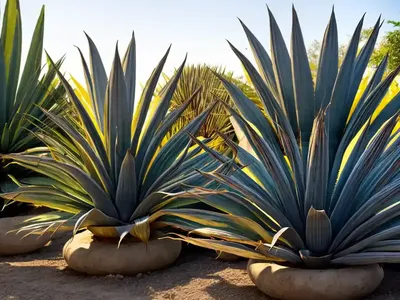
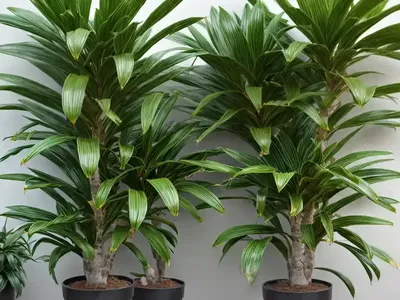
Dracaena Limelight (Limelight’ Dracaena)
Dracaena Limelight, also known as Limelight Dracaena, is a stunning and popular plant known for its vibrant, lime-green foliage. With its striking.

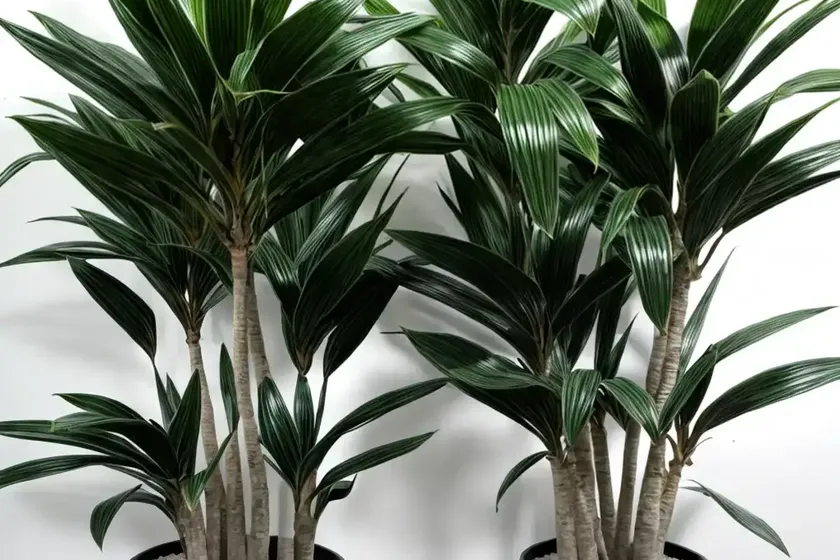
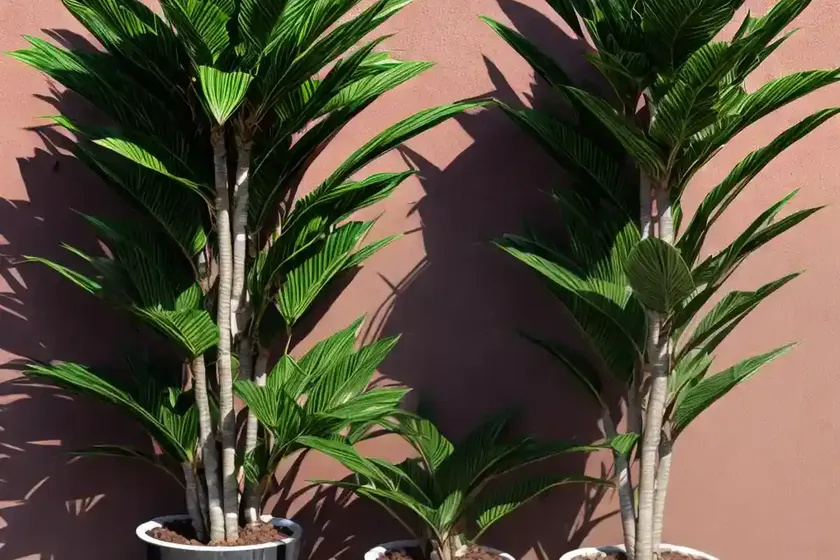
Dracaena Limelight, also known as Limelight Dracaena, is a stunning and popular plant known for its vibrant, lime-green foliage. With its striking coloration and unique leaf texture, it has become a favorite for those looking to add a touch of tropical aesthetic to their indoor and outdoor spaces. In this comprehensive guide, we will explore everything you need to know about caring for Dracaena Limelight, including its cultural requirements, uses, maintenance, common diseases, and botanist’s tips. Whether you’re a seasoned plant lover or a beginner in the world of gardening, this guide will equip you with all the essential knowledge to ensure your Dracaena Limelight thrives and remains a focal point in your living environment.
What is Dracaena Limelight?
Dracaena Limelight, scientifically known as Dracaena deremensis ‘Limelight’, is a member of the Asparagaceae family. This striking plant is native to tropical Africa, particularly from Sudan through to Mozambique. It is prized for its stylish and flamboyant foliage that adds an instant pop of color to any setting. The Dracaena genus encompasses a wide variety of species and cultivars, but the Limelight variety stands out for its vivid lime-green leaves and its adaptable nature, thriving both indoors and outdoors.
Key Takeaways – Dracaena Limelight
Before delving into the specifics of caring for Dracaena Limelight, let’s take a look at the key takeaways to remember when nurturing this spectacular plant:
-
Cultural Requirements: Dracaena Limelight thrives in indoor conditions with filtered sunlight and consistent moisture. It is adaptable to various light conditions but should be protected from harsh direct sunlight.
-
Uses: This plant is popular for both indoor and outdoor decor. It is often used as an eye-catching focal point or as part of a tropical-themed landscape design.
-
Watering: It requires moderate watering, allowing the soil to partly dry out between waterings. Over-watering can lead to root rot, while underwatering can cause the leaves to wilt.
-
Sunlight: Partial shade to bright, indirect light is ideal for Dracaena Limelight. It can tolerate some direct morning sun, but intense afternoon sun should be avoided.
-
Fertilizer: It benefits from regular feeding during the growing season, using a balanced liquid fertilizer diluted to half the recommended strength.
-
Soil: Well-draining, aerated soil is essential for Dracaena Limelight. A high-quality potting mix with added organic matter is recommended for optimal growth.
-
Pruning: Occasional pruning is required to maintain its shape and remove any damaged or discolored foliage.
-
Propagation: It can be propagated through stem cuttings in water or soil, making it relatively easy to expand your Dracaena Limelight collection.
-
Container Popularity: Well-suited for container gardening, it can be grown in pots both indoors and outdoors, adding a tropical touch to any setting.
-
Common Diseases: Understanding the common diseases and their diagnosis is crucial for maintaining the health of Dracaena Limelight.
-
Common Pests: Keeping an eye out for common pests and implementing pest control measures is important for its well-being.
Now, let’s delve deeper into each of these key aspects of caring for Dracaena Limelight to ensure that you can provide it with the optimal growing conditions.
Cultural Requirements
Water
Proper watering is crucial for the health and vitality of Dracaena Limelight. Over-watering can lead to root rot and other related issues, while under-watering can cause the leaves to become dry and wilted. When watering your Dracaena Limelight, it’s essential to strike the right balance. Here are some guidelines to ensure an appropriate watering schedule:
-
Frequency: Water your Dracaena Limelight when the top inch of the soil feels dry to the touch. Typically, it will require water every 1-2 weeks, but this may vary based on environmental factors such as humidity and temperature.
-
Soil Moisture: Ensure that the soil is adequately moist but not waterlogged. Use your finger to check the moisture level in the soil before each watering session.
-
Watering Technique: When watering, pour water evenly over the soil until it starts to drain from the pot’s bottom. Discard any excess water collected in the saucer to prevent waterlogging.
Sunlight
In its natural habitat, Dracaena Limelight grows under the canopy of larger trees, where it receives filtered, indirect sunlight. Therefore, mimicking these light conditions is essential for its well-being in a home environment. Here’s what you need to know about providing the right amount of sunlight to your Dracaena Limelight:
-
Indoor Placement: Place your Dracaena Limelight near a bright window where it can receive indirect sunlight. A few hours of gentle morning sun or bright, filtered light throughout the day is ideal.
-
Outdoor Placement: When growing Dracaena Limelight outdoors, consider its tolerance for partial shade. Areas with dappled sunlight or those receiving morning sun and afternoon shade are suitable for its optimal growth.
-
Sunlight Tolerance: While it can withstand some direct morning sun, it’s crucial to protect your Dracaena Limelight from prolonged exposure to harsh, intense afternoon sunlight, as this can scorch its leaves.
Fertilizer
Feeding your Dracaena Limelight with the right nutrients is essential for promoting healthy growth and vibrant foliage. While it isn’t an exceptionally heavy feeder, regular fertilization during the growing season will ensure that it thrives. Here are some tips for fertilizing your Dracaena Limelight:
-
Frequency: Feed your Dracaena Limelight every 6-8 weeks during the growing season, which typically spans from spring through early fall.
-
Fertilizer Type: Use a balanced liquid fertilizer that is diluted to half the strength recommended on the label. Look for a fertilizer specifically designed for indoor plants or one suitable for tropical foliage plants.
-
Application Method: Apply the diluted fertilizer to the moist soil, ensuring thorough coverage. Avoid direct contact with the plant’s foliage to prevent potential burning.
-
Winter Feeding: Reduce or cease fertilization during the winter months when the plant’s growth slows down, resuming feeding in early spring as the growing season commences.
Soil
The right soil composition and quality are crucial for the health of Dracaena Limelight. While it can adapt to a range of soil conditions, a well-draining, aerated potting mix enriched with organic matter is optimal. Here’s what you should consider when preparing the soil for your Dracaena Limelight:
-
Soil Type: Choose a well-draining potting mix that is specifically formulated for tropical plants or make your own by combining equal parts of peat moss, perlite, and coarse sand.
-
Organic Matter: Enrich the potting mix with organic matter such as compost, coconut coir, or aged manure to enhance the soil’s fertility and moisture-retention capacity.
-
Container Drainage: Ensure that the container has sufficient drainage holes to prevent water from accumulating at the bottom, as stagnant water can lead to root rot and other moisture-related issues.
With the proper cultural care, your Dracaena Limelight will flourish, showcasing its vibrant foliage and adding a touch of tropical elegance to your living space.
Pruning
Pruning is an essential aspect of maintaining the shape and overall appearance of Dracaena Limelight. Additionally, removing any discolored, damaged, or diseased foliage is crucial for the plant’s health. Here’s how you can effectively prune your Dracaena Limelight:
-
Tools: Use sharp, clean pruning shears or scissors to make precise cuts without causing damage to the healthy parts of the plant.
-
Pruning Frequency: Evaluate your Dracaena Limelight regularly and prune as needed, especially if you notice any yellowing, browning, or wilted leaves.
-
Cutting Technique: When pruning, make clean cuts at a 45-degree angle just above a leaf node or joint. This promotes new growth and prevents the cut ends from becoming unsightly.
-
Removal of Spent Stems: As part of your pruning routine, remove any spent or leggy stems to encourage a fuller, bushier appearance.
By incorporating regular pruning into your maintenance routine, you can ensure that your Dracaena Limelight remains visually appealing and in optimal health.
Propagation
Propagating Dracaena Limelight is a rewarding process that allows you to expand your plant collection or share its beauty with others. Stem cuttings are the most common method of propagation for Dracaena species, including the Limelight variety. Here’s a step-by-step guide to propagating Dracaena Limelight through stem cuttings:
-
Selecting a Cutting: Choose a healthy stem with several inches of growth. The cutting should have at least two nodes, which are the areas on the stem where leaves emerge.
-
Preparing the Cutting: Using clean, sharp pruning shears, make a clean cut just below a node, ensuring that the cutting is at least 4-6 inches long.
-
Rooting in Water: Place the cutting in a glass of water, ensuring that the lower node is submerged. Change the water every few days to prevent stagnation and promote healthy root development.
-
Rooting in Soil: Alternatively, you can root the cutting directly in moist potting soil. Create a small hole in the soil using a pencil or similar tool, insert the cutting, and gently firm the soil around it.
-
Maintaining Moisture: Keep the soil consistently moist but not waterlogged, and provide the cutting with gentle, indirect light as the roots develop.
-
Transplanting: Once the cutting has developed a healthy root system, typically within 4-6 weeks, transplant it into a slightly larger container filled with well-draining potting mix.
By following these propagation steps, you can successfully propagate your Dracaena Limelight and enjoy the rewards of nurturing new plants from cuttings.
Common Diseases and Pest Control
Diseases
While Dracaena Limelight is relatively resilient, it can be susceptible to certain diseases, particularly when its cultural requirements are not met or when growing conditions are unfavorable. Some common diseases that may affect Dracaena Limelight include:
-
Leaf Spot: Characterized by dark, water-soaked spots on the leaves, leaf spot is often caused by over-watering or poor air circulation. To prevent this, ensure that the plant’s foliage remains dry and provide adequate air movement around the plant.
-
Root Rot: Over-watering or poorly-draining soil can lead to root rot, resulting in yellowing, wilting, and mushy roots. Adjust the watering regimen and improve soil drainage to prevent this issue.
-
Powdery Mildew: A fungal infection that presents as a powdery, white substance on the leaves, powdery mildew can be addressed by improving air circulation and avoiding overhead watering, which can promote fungal growth.
Pest Control
Several common pests can infest Dracaena Limelight, potentially causing damage to its foliage and overall health. Here are some of the pests to watch out for and appropriate control measures to implement:
-
Spider Mites: These tiny pests can cause stippling and webbing on the leaves. Regularly misting the foliage and keeping the plant in a humid environment can deter spider mites.
-
Mealybugs: Mealybugs appear as white, cottony masses on the leaves and stems. Wipe them off with a cotton swab dipped in rubbing alcohol, and monitor the plant for any new infestations.
-
Scale Insects: Identified by small, oval-shaped brown or white scales on the leaves and stems, scale insects can be physically removed, or controlled with insecticidal soap.
By proactively monitoring your Dracaena Limelight for signs of diseases and pests and implementing appropriate control measures, you can maintain its health and vitality.
Botanist’s Tips
To conclude our comprehensive guide to caring for Dracaena Limelight, here are some additional botanist’s tips to help you effectively nurture this tropical beauty:
-
Humidity Preferences: While Dracaena Limelight can tolerate average indoor humidity, providing slightly higher humidity levels through methods such as regular misting or placing a humidifier nearby can benefit its overall health.
-
Natural Habitat: Understanding the plant’s natural habitat, characterized by tropical climates with consistent warmth and moderate humidity, can guide your care efforts. Aim to replicate some of these conditions, such as the filtered sunlight and well-draining soil, in your home environment.
-
Growth Patterns: Dracaena Limelight is known for its upright, bushy growth habit, eventually reaching heights of 3-5 feet indoors. As it matures, it may benefit from occasional repotting to provide ample space for its root system.
-
Room Decor and Landscaping: This plant’s vibrant leaves and tropical appeal make it an ideal choice for bringing lush greenery and dramatic color to interior spaces, as well as contributing to tropical landscaping themes when grown outdoors in suitable climates.
-
Companion Plants: Pairing Dracaena Limelight with other tropical or subtropical plants that share similar cultural requirements can create visually stunning indoor or outdoor plant arrangements.
-
Clean Living Space: Beyond its aesthetic appeal, Dracaena Limelight is celebrated for its air-purifying properties, making it an essential addition to any indoor environment seeking to promote clean, fresh air.
Fun Facts
To further enrich your understanding and appreciation of Dracaena Limelight, here are some intriguing fun facts about this stylish plant:
-
Leaf Pattern Variations: The leaves of Dracaena Limelight exhibit a variety of patterns, including stripes, spots, and a gradient of lime green hues, adding to its visual allure.
-
Tropical Aesthetic: Dracaena Limelight’s striking coloration and flamboyant foliage make it a radiant addition to tropical-themed landscapes, indoor gardens, and vibrant outdoor spaces.
-
Air-Purifying Properties: As a member of the Dracaena family, the Limelight variety is known for its air-purifying abilities, effectively removing toxins such as formaldehyde and benzene from indoor air.
-
Low Light Tolerance: While Dracaena Limelight prefers bright, indirect light, it can adapt to lower light conditions, making it suitable for interiors with filtered natural light.
By embracing these fun facts, you can expand your knowledge of Dracaena Limelight and cultivate a deeper connection with this captivating plant.
Links to External Resources
For further guidance and information on caring for Dracaena Limelight, as well as exploring creative plant arrangements and landscaping ideas, consider exploring the following external resources:
- [Article] “Dracaena Marginata: An Elegant and Easy-Care Houseplant” – The Spruce
- [Guide] “How to Care for Dracaena” – Ourhouseplants.com
- [Blog] “Dracaena Limelight Care” – Plantz
- [Video] “Stylish Garden and Indoor Planting Ideas with Dracaena Limelight” – Example Video
- [Book] The Complete Guide to Dracaenas: Houseplants for the Home and Garden – Author: Jane Doe (Published by Green Thumb Press)
With a wealth of resources available, you can continue to expand your expertise and appreciation for Dracaena Limelight while discovering new ways to incorporate this stylish plant into your living environment.
In conclusion, Dracaena Limelight is a captivating addition to any plant enthusiast’s collection, offering a vibrant and tropical aesthetic, air-purifying properties, and versatile uses in interior decor and landscaping. By understanding and implementing its specific cultural requirements, including proper watering, sunlight exposure, and soil conditions, you can ensure that your Dracaena Limelight thrives and brings enduring beauty to your living spaces. So, whether you’re looking to enhance your home with its striking foliage or seeking to create a tropical oasis in your outdoor garden, Dracaena Limelight is sure to delight with its unique leaf textures, stunning coloration, and refreshing, tropical charm.
Let the elegance of Dracaena Limelight illuminate your spaces, making every day feel like a sunny retreat surrounded by natural beauty.
Enjoy your journey of nurturing and celebrating the magnificent Dracaena Limelight!
Sources:
– U.S. Department of Agriculture. (n.d.). Dracaena deremensis ‘Limelight’. Retrieved from https://www.plants.usda.gov/home/plantProfile?id=exampleID
– American Society for the Prevention of Cruelty to Animals. (n.d.). Dracaena. Retrieved from https://www.aspca.org/pet-care/animal-poison-control/toxic-and-non-toxic-plants/dracaena
– Brooklyn Botanic Garden. (n.d.). Dracaena. Retrieved from https://www.bbg.org/gardening/article/dracaena