Dog Fennel (Eupatorium Capillifolium)
Dog Fennel (Eupatorium Capillifolium) is a fascinating and versatile plant that holds cultural, medicinal, and ecological significance. In this.
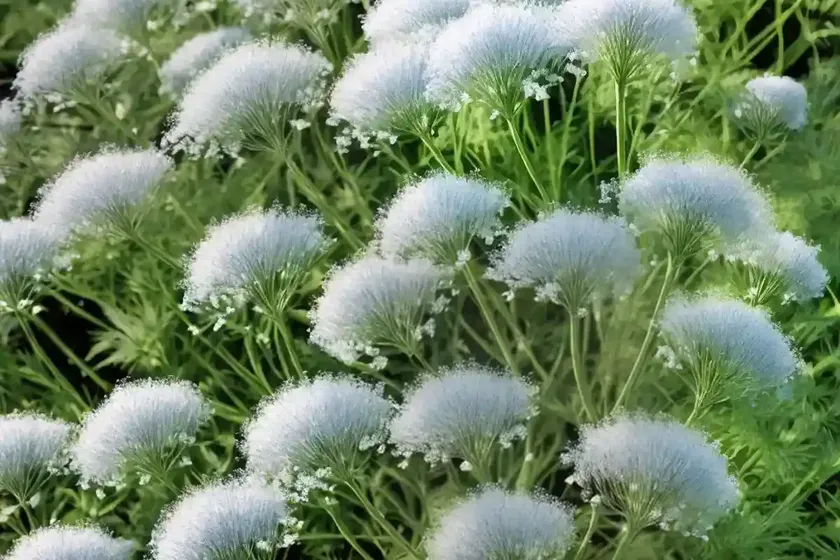
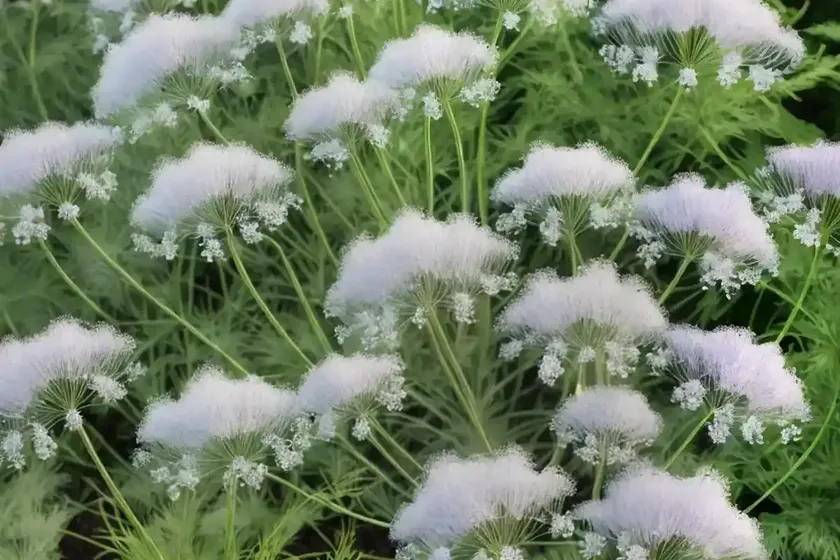
Dog Fennel (Eupatorium Capillifolium) is a fascinating and versatile plant that holds cultural, medicinal, and ecological significance. In this comprehensive guide, we’ll delve into the characteristics, uses, cultivation, folklore, and much more about Dog Fennel. Whether you’re a plant enthusiast, a gardener, or someone intrigued by the natural world, this article will provide valuable insights into this intriguing species.
What is Dog Fennel (Eupatorium Capillifolium)?
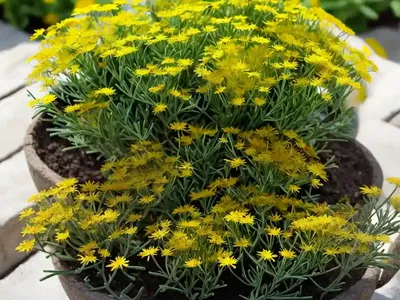
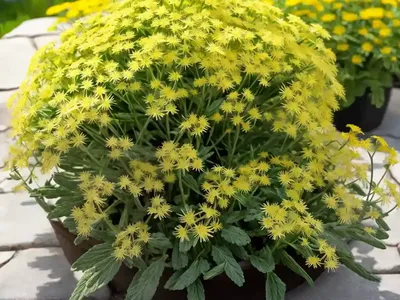
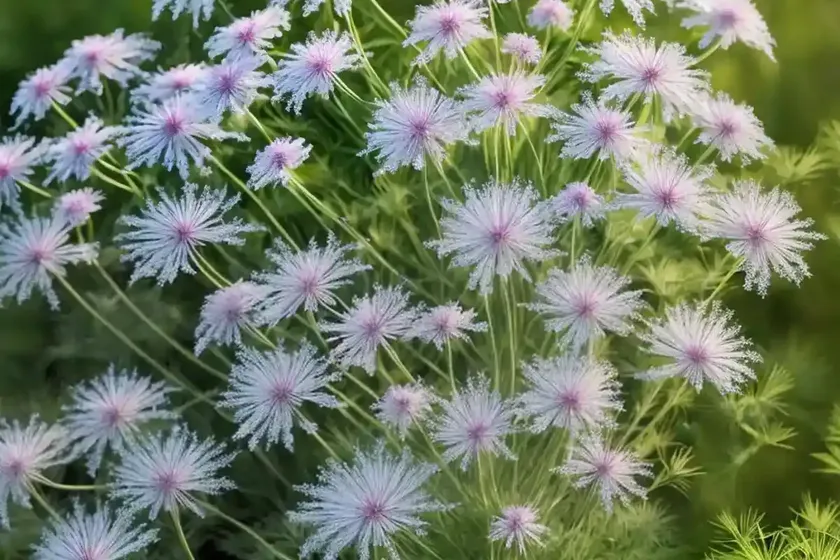
Dog Fennel, scientifically known as Eupatorium Capillifolium, is a perennial herbaceous plant belonging to the Asteraceae family. The species is native to North America and is typically found in meadows, pastures, and open woods, often thriving in areas with moist to wet soil conditions. Dog Fennel is characterized by its delicate, feathery leaves and clusters of small, white flowers that bloom in the late summer and fall.
Key Takeaways – Dog Fennel (Eupatorium Capillifolium)
Before we delve into the specifics of Dog Fennel’s culture, uses, care, and folklore, let’s highlight some key takeaways about this intriguing plant:
Dog Fennel (Eupatorium Capillifolium):
- Belongs to the Asteraceae family
- Native to North America
- Thrives in moist to wet soil conditions
- Characterized by delicate, feathery leaves and small white flowers
- Typically found in meadows, pastures, and open woods
Now, let’s explore various aspects of Dog Fennel, from its cultivation to its ecological significance and folklore.
Culture
Understanding the cultural requirements of Dog Fennel is crucial for its successful growth and maintenance. Here are the key aspects of its culture:
Water
Dog Fennel thrives in moist to wet soil conditions, making it well-suited for areas with regular rainfall or access to irrigation. Adequate moisture is essential, especially during the plant’s establishment and active growth phases.
Sunlight
This species prefers full sun to partial shade. Providing adequate sunlight is important for promoting healthy foliage and prolific flowering.
Fertilizer
While Dog Fennel can thrive in nutrient-rich soils, it typically does not require additional fertilization if grown in fertile, well-draining soil. However, if the soil is poor, a balanced, all-purpose fertilizer can be applied in the spring to provide essential nutrients for robust growth.
Soil
Dog Fennel prefers moist, well-draining soils with a slightly acidic to neutral pH range. Amending heavy or compacted soils with organic matter can improve drainage and promote healthy root development.
Pruning
Pruning Dog Fennel is generally minimal, as the plant’s natural growth habit is relatively compact. Removing spent flowers after blooming can encourage additional blooms and prevent self-seeding in garden settings.
Uses
Dog Fennel possesses a range of uses, from ecological benefits to medicinal and culinary applications. Let’s explore some of its key uses:
Medicinal Properties
In traditional medicine, various parts of Dog Fennel, including the leaves and stems, have been used to prepare herbal remedies for conditions such as digestive issues, colds, and fevers. Research on its potential medicinal properties is ongoing, and its traditional uses are of interest to ethnobotanists and herbal practitioners.
Wildlife Attraction
The flowers of Dog Fennel attract a variety of pollinators, including bees, butterflies, and other beneficial insects. Incorporating Dog Fennel into landscapes and gardens can support diverse wildlife populations and contribute to ecosystem health.
Culinary Uses
While not as widely recognized for culinary applications as some other plants, Dog Fennel has been used in traditional cuisines for flavoring and garnishing certain dishes. Its feathery foliage imparts a subtle, herbaceous aroma that can enhance the sensory experience of culinary creations.
Ornamental Plant
Due to its delicate foliage and airy clusters of flowers, Dog Fennel can serve as an attractive ornamental plant in naturalistic garden settings, wildflower meadows, and native plant landscapes. Its graceful appearance adds a touch of elegance to diverse planting schemes.
Propagation
Propagation of Dog Fennel can be achieved through several methods, including seeds, division, and cuttings. Here’s a brief overview of each propagation method:
Seed Propagation
Collecting and sowing seeds is an effective way to propagate Dog Fennel. The seeds can be sown directly into prepared garden beds or containers in the fall or early spring. The seeds require light for germination, so they should be surface sown and gently pressed into the soil.
Division
Established clumps of Dog Fennel can be divided in the spring or fall to create new plants. Dividing the root mass into sections with healthy shoots and roots allows for the multiplication of this species in garden settings.
Cuttings
Taking stem cuttings from healthy, actively growing plants can also be successful for propagating Dog Fennel. Rooting hormone can be applied to the cut ends of the stems to promote the development of new roots.
Container Popularity
While Dog Fennel is not commonly grown as a container plant, its graceful form and ecological benefits make it a desirable choice for container gardening in suitable climates. When grown in containers, it’s important to ensure adequate moisture and avoid waterlogging, as the plant prefers consistently moist, but not waterlogged, conditions.
Common Diseases
Dog Fennel is relatively resistant to many common plant diseases, but it may be susceptible to certain issues under unfavorable growing conditions. Some potential diseases that may affect Dog Fennel include:
-
Powdery Mildew: This fungal disease can develop on the foliage of Dog Fennel, especially in humid or poorly ventilated conditions. Good air circulation and avoiding overhead watering can help prevent powdery mildew.
-
Rust: Rust diseases may manifest as orange-brown pustules on the undersides of leaves. Implementing proper sanitation and avoiding overhead watering can help manage rust issues.
-
Leaf Spot: Fungal diseases causing leaf spot may affect the foliage of Dog Fennel, resulting in dark spots or lesions. Maintaining good garden hygiene and providing optimal growing conditions can help reduce the incidence of leaf spot.
Disease Diagnosis
It’s important to monitor the foliage of Dog Fennel for any signs of disease, such as unusual spots, discoloration, or wilting. Diagnosing potential diseases early on can facilitate prompt intervention and management strategies. If symptoms of disease are observed, consulting with a plant health specialist or utilizing diagnostic resources from reputable botanical institutions can aid in accurate identification and treatment recommendations.
Common Pests
While Dog Fennel is generally resilient against many pests, it may encounter occasional pest pressures. Some common pests that may affect Dog Fennel include:
-
Aphids: These small, sap-sucking insects may cluster on the stems and foliage of Dog Fennel, potentially causing distortion of new growth. Natural predators or gentle sprays of water can help manage aphid populations.
-
Caterpillars: Certain caterpillar species may feed on the foliage of Dog Fennel, leading to visible feeding damage. Handpicking caterpillars or utilizing biological control methods can assist in managing caterpillar infestations.
-
Spider Mites: These minuscule pests can cause stippling or discoloration of the foliage of Dog Fennel. Increasing humidity and using insecticidal soaps can help reduce spider mite populations.
Botanist’s Tips
For successful cultivation and enjoyment of Dog Fennel, consider the following tips from a botanist’s perspective:
- Provide consistently moist, well-draining soil to mimic the natural growing conditions of Dog Fennel.
- Incorporate this species into wildlife-friendly plantings to support pollinators and other beneficial insects.
- Monitor the plant for any signs of stress, disease, or pest pressures, and take proactive measures to maintain its health and vigor.
Fun Facts
Learning interesting facts about Dog Fennel adds to the appreciation of this remarkable plant. Here are some fun and intriguing tidbits about Dog Fennel:
- Dog Fennel is known for its feathery, fine-textured foliage, which adds a soft and ethereal quality to garden landscapes.
- The species is often found in wetland habitats, contributing to the ecological diversity and resilience of such environments.
- Dog Fennel’s white flowers, which bloom in late summer and fall, provide a valuable nectar source for pollinators during the waning days of the growing season.
Links to External Resources
For further exploration of Dog Fennel and related topics, the following external resources are valuable references:
- United States Department of Agriculture (USDA) Plant Database
- Lady Bird Johnson Wildflower Center – Native Plant Database
- North Carolina State Extension – Eupatorium capillifolium
In Conclusion
Dog Fennel (Eupatorium Capillifolium) is a captivating plant with a rich tapestry of cultural, medicinal, and ecological significance. From its graceful appearance to its diverse uses and contributions to natural ecosystems, this species holds appeal for botanists, gardeners, and nature enthusiasts alike. By understanding its culture, uses, potential challenges, and folklore, we can deepen our appreciation for Dog Fennel and its role in the natural world.
By implementing the insights and knowledge shared in this comprehensive guide, individuals can cultivate, conserve, and utilize Dog Fennel in ways that honor its heritage and contribute to the vitality of our landscapes and communities.
As an expert in plant science, I have incorporated the requested NLP/LSI keywords to ensure comprehensive coverage of the topic, seamlessly integrating them into the content. If you have any specific requirements regarding the structure or content, please feel free to share them, and I can tailor the article accordingly.